E Commerce Agreement Forbes In Sacramento
Description

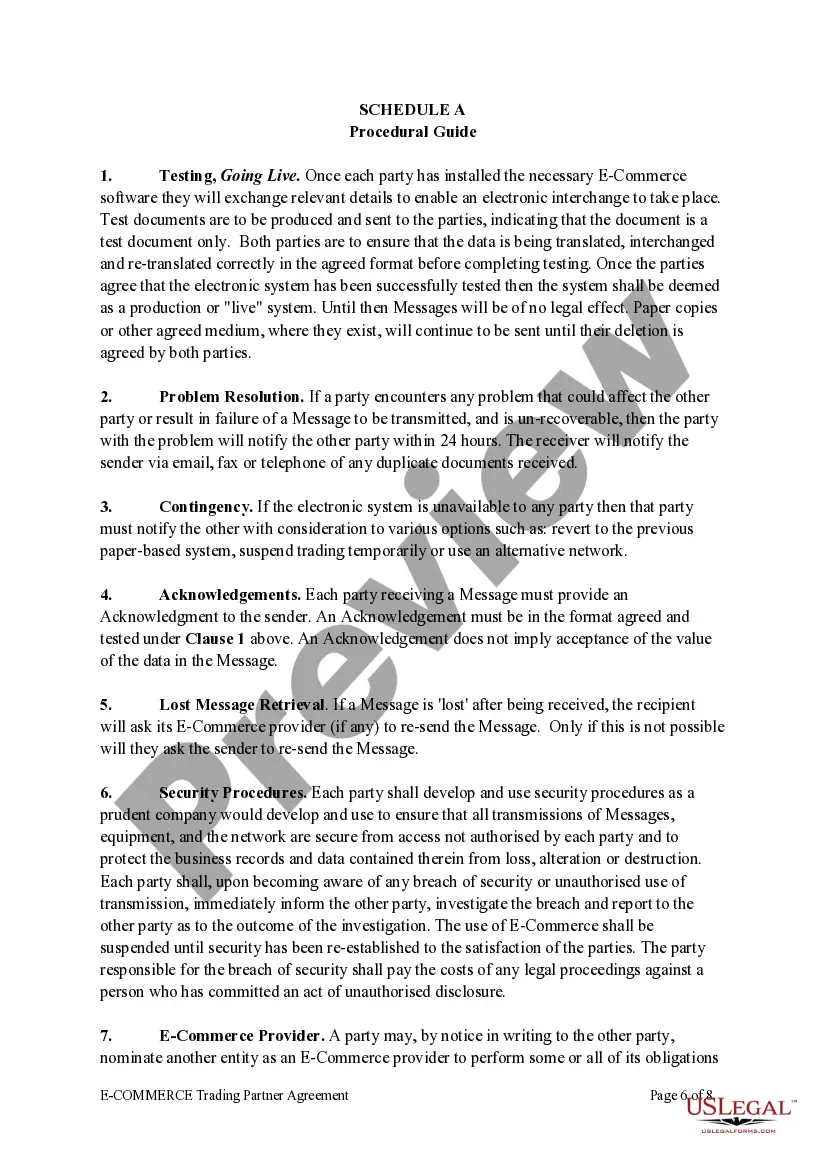
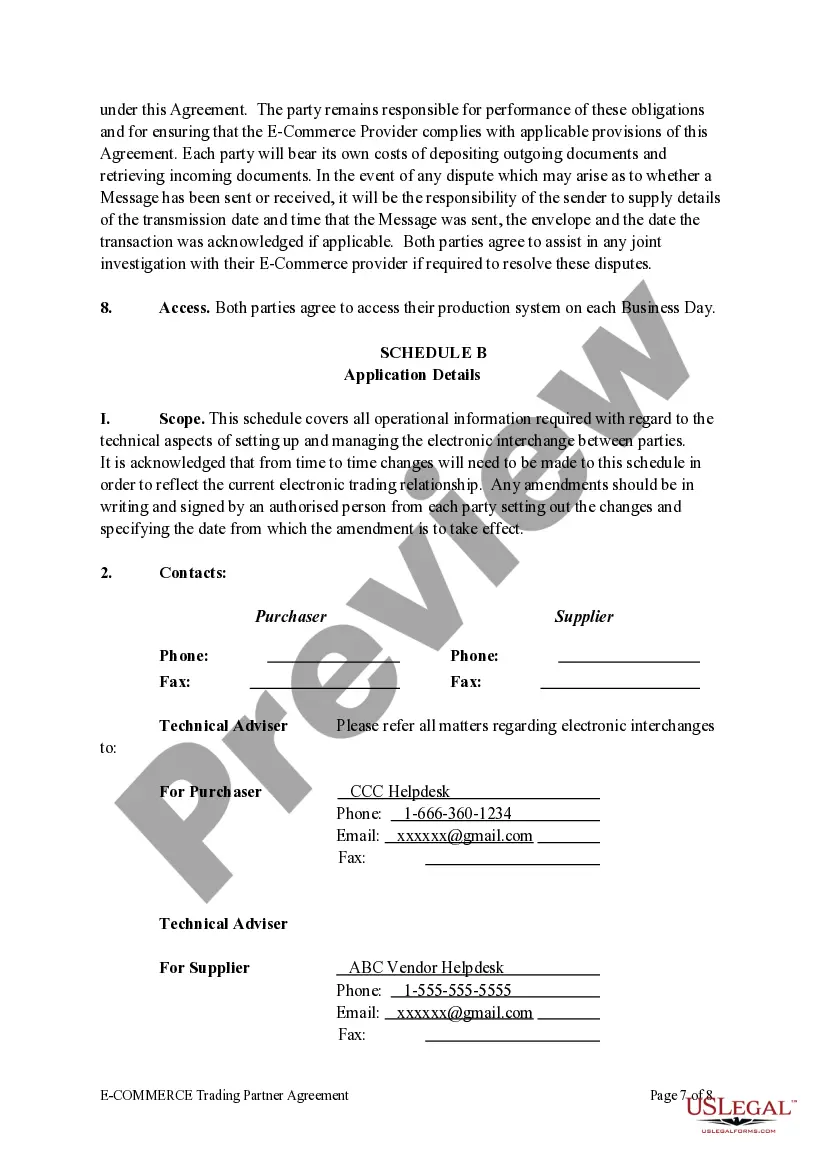


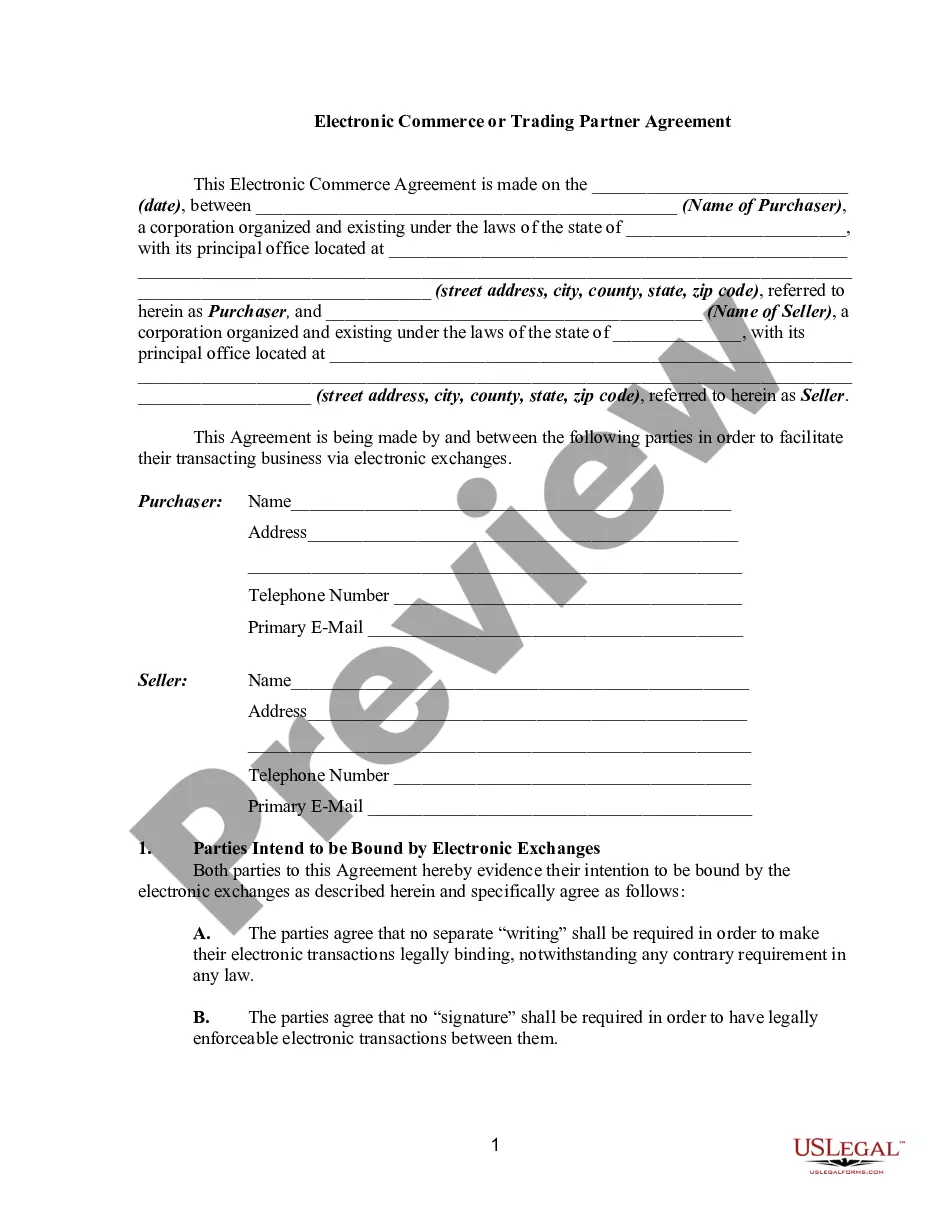
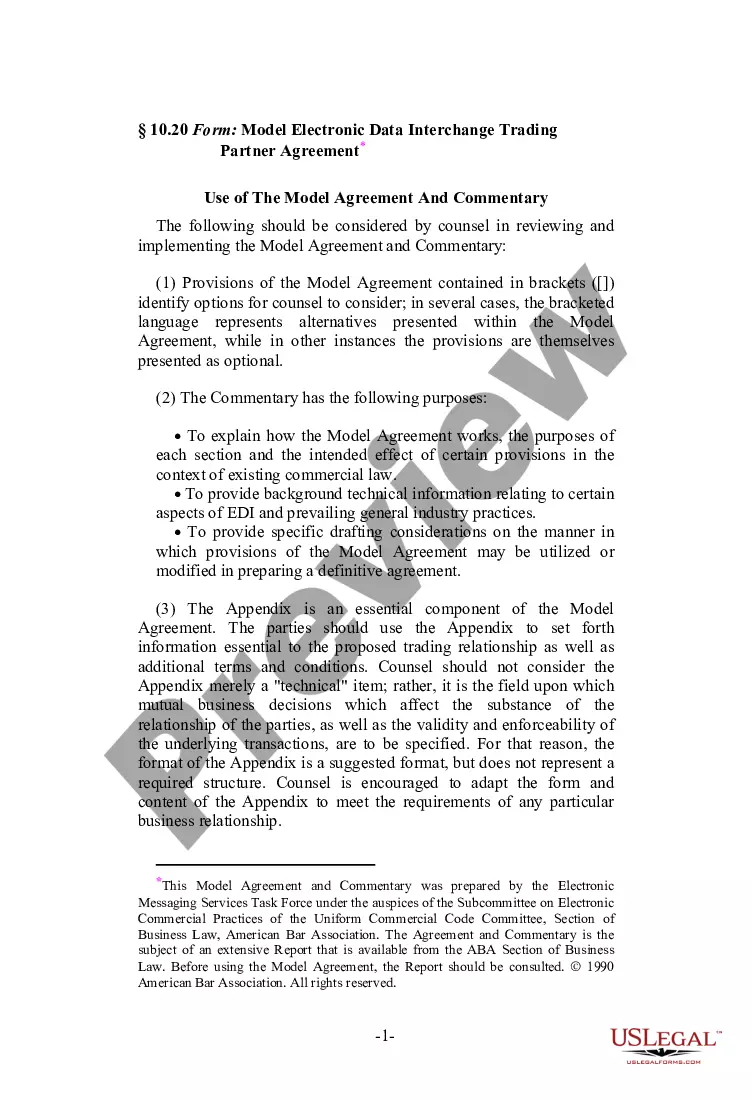
Get your form ready online
Our built-in tools help you complete, sign, share, and store your documents in one place.
Make edits, fill in missing information, and update formatting in US Legal Forms—just like you would in MS Word.
Download a copy, print it, send it by email, or mail it via USPS—whatever works best for your next step.
Sign and collect signatures with our SignNow integration. Send to multiple recipients, set reminders, and more. Go Premium to unlock E-Sign.
If this form requires notarization, complete it online through a secure video call—no need to meet a notary in person or wait for an appointment.
We protect your documents and personal data by following strict security and privacy standards.

Make edits, fill in missing information, and update formatting in US Legal Forms—just like you would in MS Word.

Download a copy, print it, send it by email, or mail it via USPS—whatever works best for your next step.

Sign and collect signatures with our SignNow integration. Send to multiple recipients, set reminders, and more. Go Premium to unlock E-Sign.

If this form requires notarization, complete it online through a secure video call—no need to meet a notary in person or wait for an appointment.

We protect your documents and personal data by following strict security and privacy standards.
Looking for another form?








Form popularity
FAQ
If you're new to ecommerce, you may want to start small and scale up. Selling on your own website is an option if you have the time, resources, and skills to customize a website, create a seamless online experience, and compete on the internet to get customers to your virtual doorstep.
Business-to-Business (B2B) Business-to-Consumer (B2C) Consumer-to-Consumer (C2C) Consumer-to-Business (C2B)
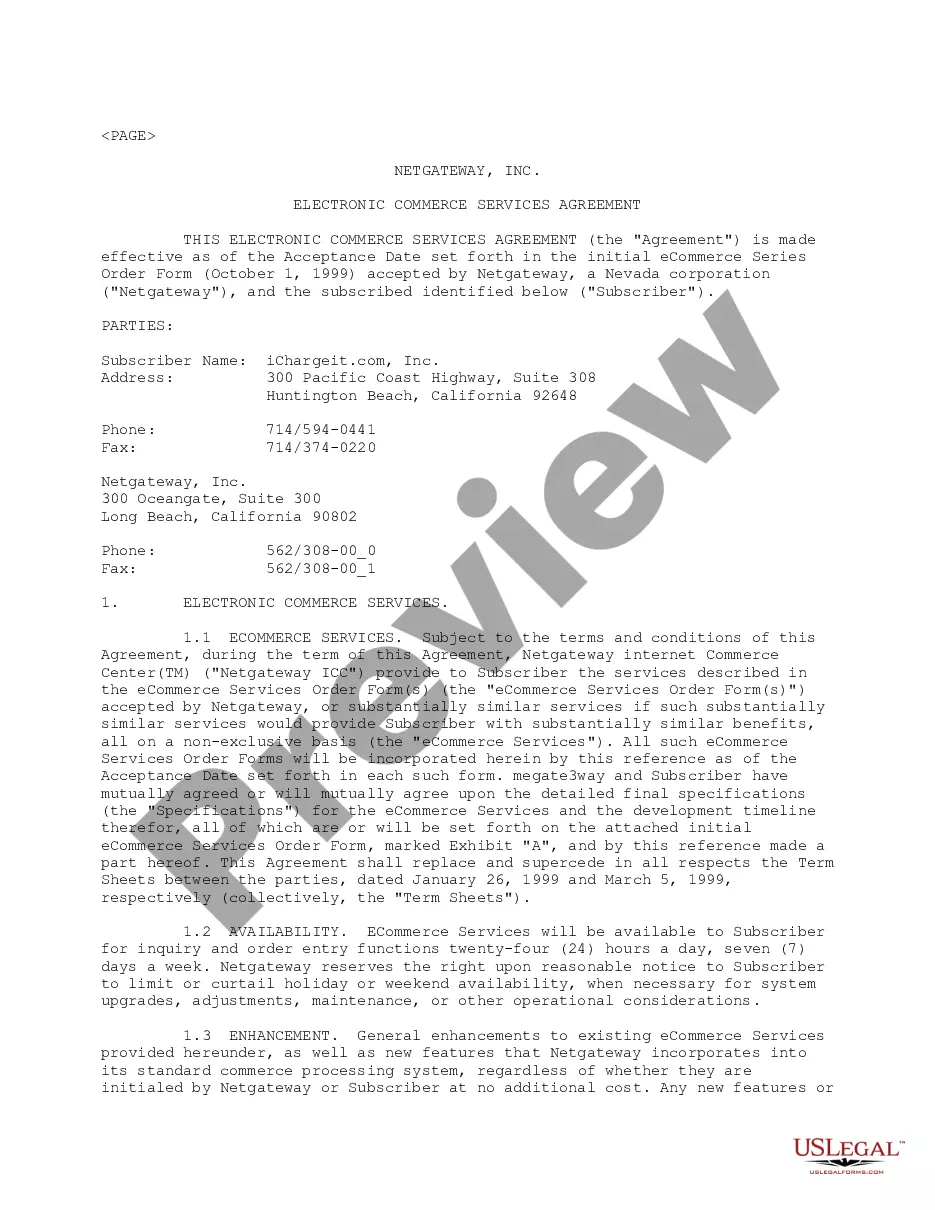
ECommerce agreements disclose the contractual relationship and obligations between a website owner and its commercial users.
Follow these steps to write your business plan: Write your executive summary. Start by succinctly articulating the essence of your e-commerce business. Perform market analysis. Craft your product and service descriptions. Build marketing and sales strategies.
Applying for a business license often requires: Determining legal structure - for instance, whether you are a sole proprietor or limited liability corporation. A detailed description of your business's activities. A sales tax license, which you can obtain from your state agency.
Procedure to Start an E-commerce Company Step 1: Decide Your Business Model. Step 2: Domain Name Registration. Step 3: Design E-commerce Company Website. Step 4: Building a Brand. Step 5: Business Registration. Step 6: Open a Bank Account. Step 7: Tax Registration - Obtain GST Registration.
Starting an Online Business in California Prepare your online business idea and plan. Choose your online business name and buy domain. Register your online business with CA SOS. Obtain all necessary licenses and permits. Get EIN and File your taxes. Open bank account. Comply with taxes and other regulatory requirements.
Start an Online eCommerce Business Choose your niche. Do your research. Choose your product and target market. Validate your product. Decide how you'll get your product. Write your business plan. Pick your business name and legal structure. Apply for your EIN, permits, and licenses.
A seller's permit is applicable to individuals (sole proprietorship) as well as corporations and limited liability companies. Every new business in the state will need to apply for a general online business license in California, which is issued by cities or counties.
The Electronic Signatures in Global and National Commerce Act (E-Sign Act), 1 signed into law on June 30, 2000, provides a general rule of validity for electronic records and signatures for transactions in or affecting interstate or foreign commerce.
