E Commerce Agreement For Farmers In Orange
Description

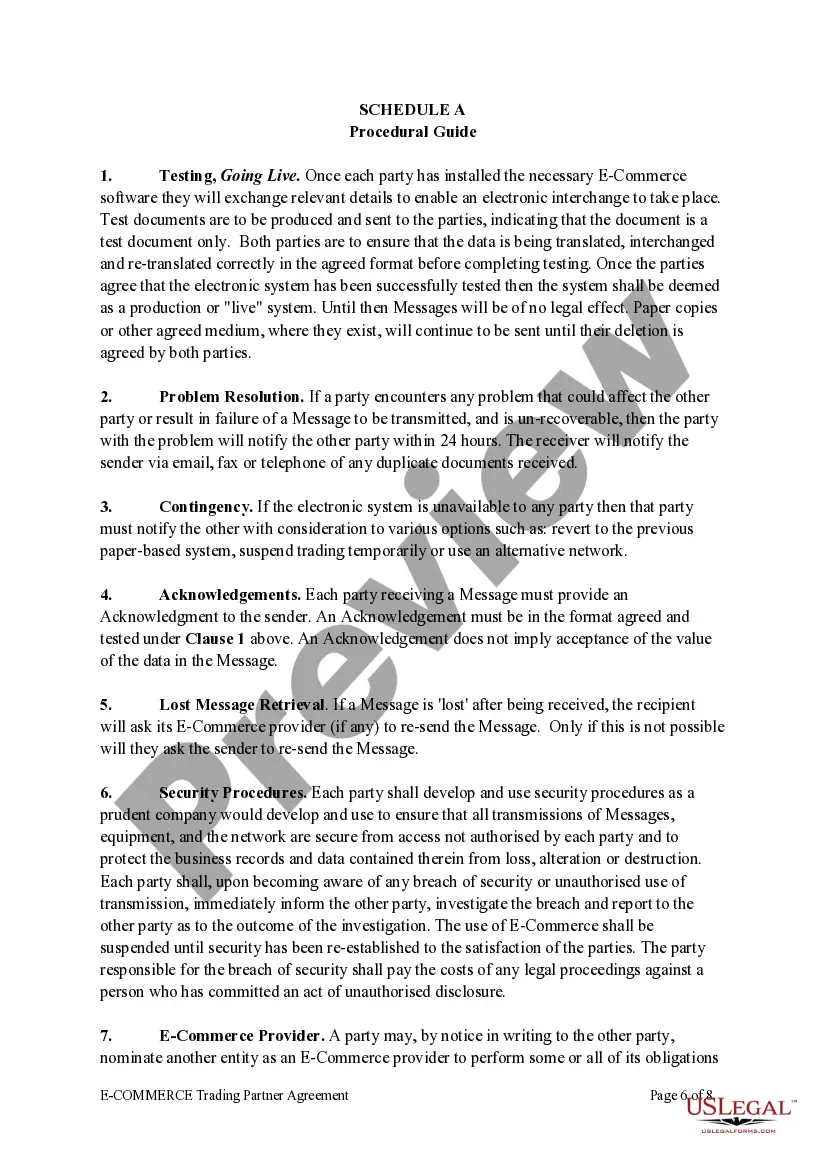
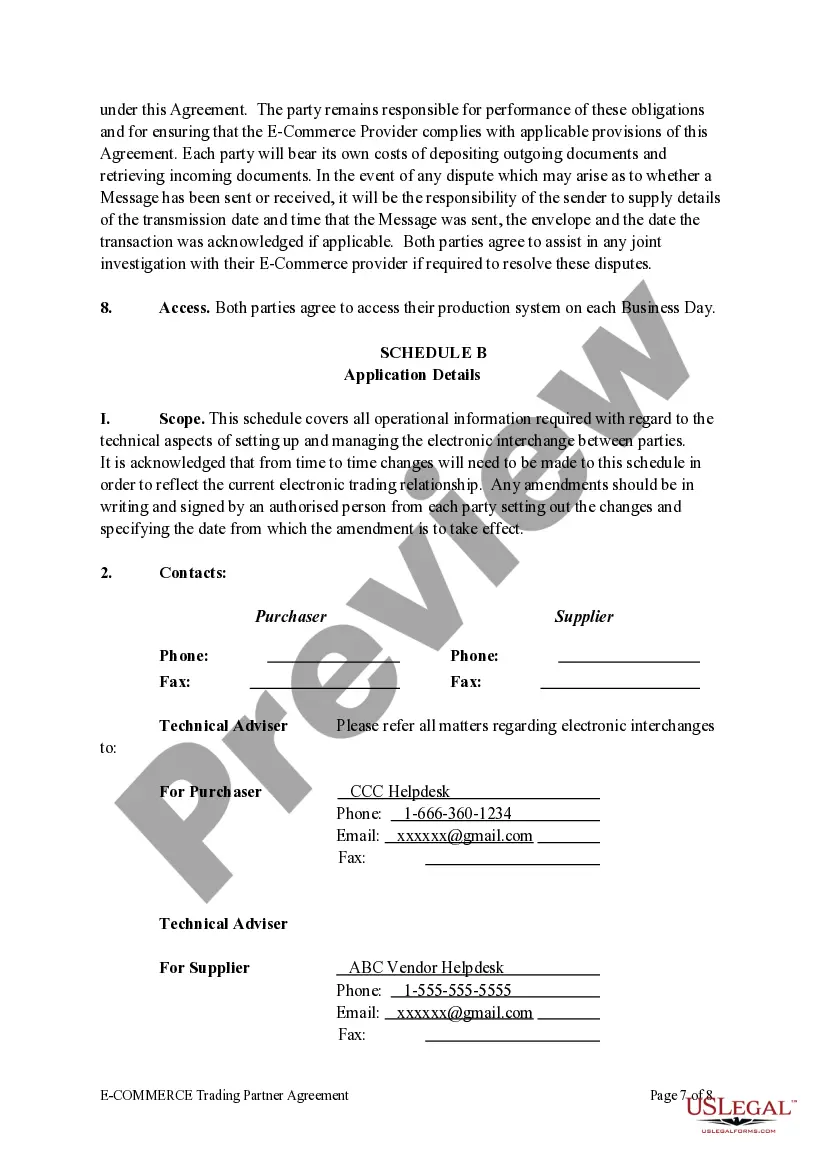
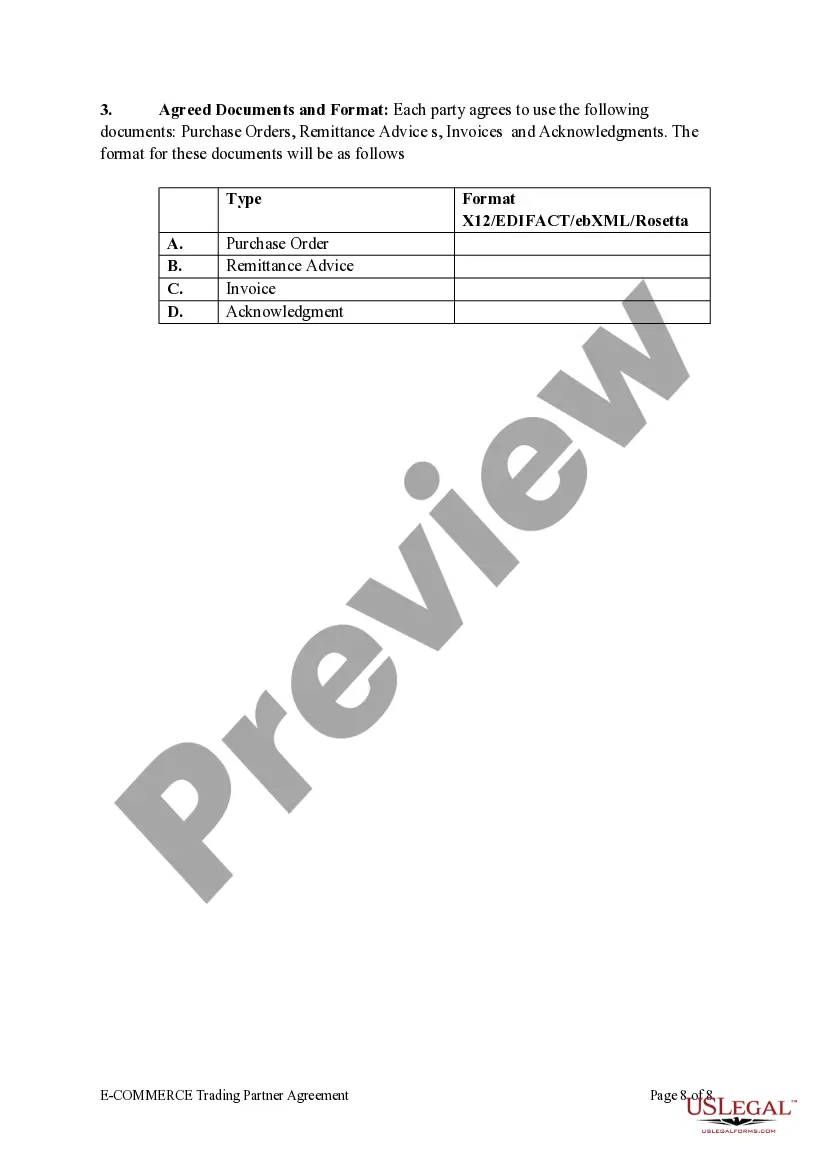

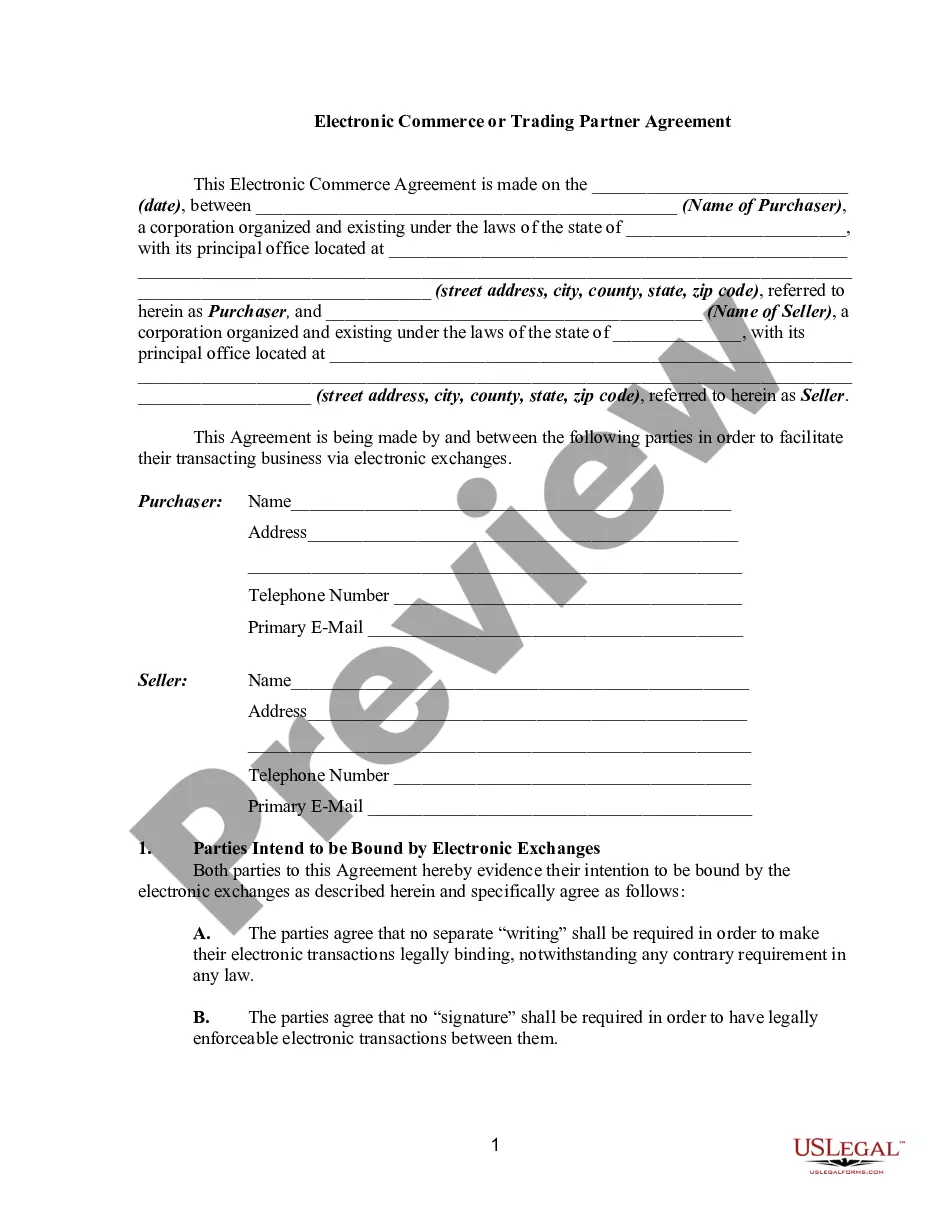
Get your form ready online
Our built-in tools help you complete, sign, share, and store your documents in one place.
Make edits, fill in missing information, and update formatting in US Legal Forms—just like you would in MS Word.
Download a copy, print it, send it by email, or mail it via USPS—whatever works best for your next step.
Sign and collect signatures with our SignNow integration. Send to multiple recipients, set reminders, and more. Go Premium to unlock E-Sign.
If this form requires notarization, complete it online through a secure video call—no need to meet a notary in person or wait for an appointment.
We protect your documents and personal data by following strict security and privacy standards.

Make edits, fill in missing information, and update formatting in US Legal Forms—just like you would in MS Word.

Download a copy, print it, send it by email, or mail it via USPS—whatever works best for your next step.

Sign and collect signatures with our SignNow integration. Send to multiple recipients, set reminders, and more. Go Premium to unlock E-Sign.

If this form requires notarization, complete it online through a secure video call—no need to meet a notary in person or wait for an appointment.

We protect your documents and personal data by following strict security and privacy standards.
Looking for another form?








Form popularity
FAQ
Farm Business Operating Agreements are used when both parties contribute labor and management, invest capital, and share the income generated from the farm business. Often the older party furnishes all the land, although the parties may rent additional land.
Contract Farming Agreements must involve two separate parties who wish to work together. Once a Contractor is recruited a formal agreement is drafted and signed. Often the agreement is signed and never touched. Contract farming works on the basis of TRUST.
A Contract Farming Agreement (CFA) is between two farmers or a contractor and a farmer, which rationalises the operational side of the business, whilst allowing the landowner to still be considered a farmer. Unlike Farming Business Tenancies (FBT) which means you lose your farming credential and become a landlord.
ERS distinguishes between two types of agricultural contracts—production contracts and marketing contracts. Under a production contract, the farmer provides a set of services to the contractor, who usually owns the commodity while it is being produced.
