E Commerce Agreement For Farmers In Nevada
Description

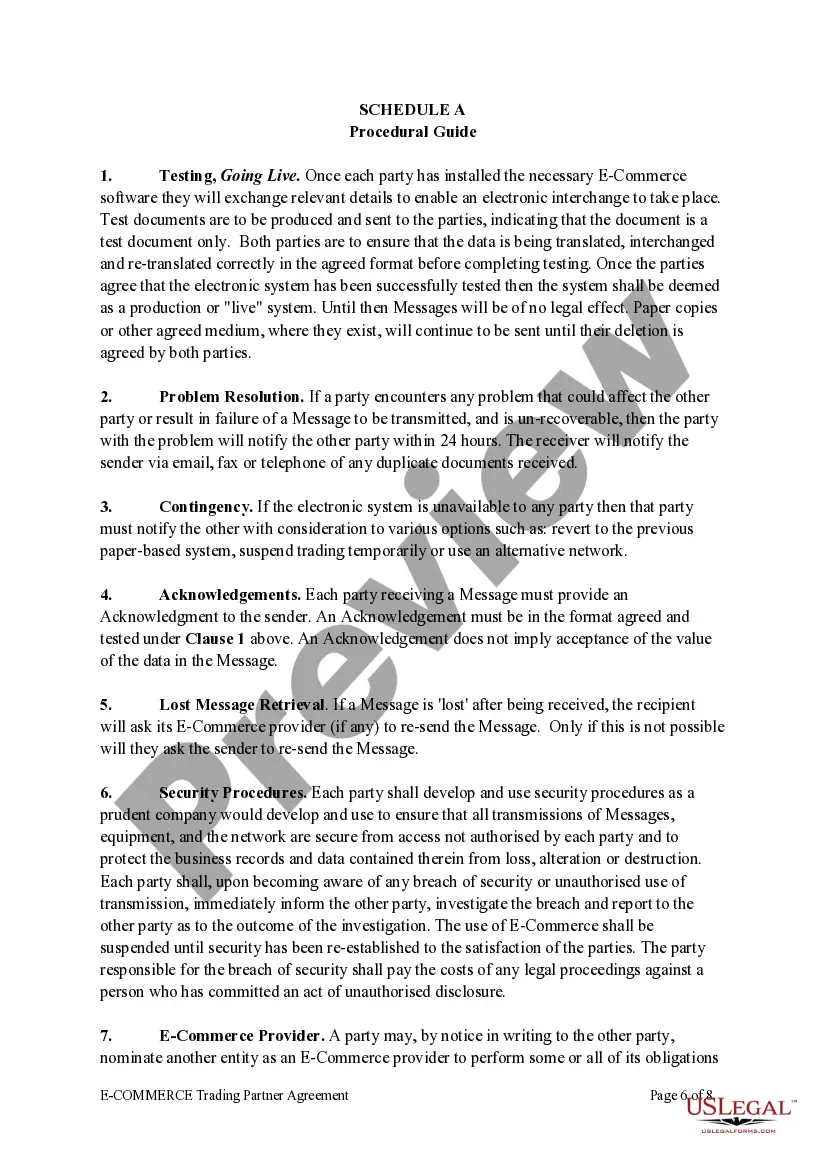
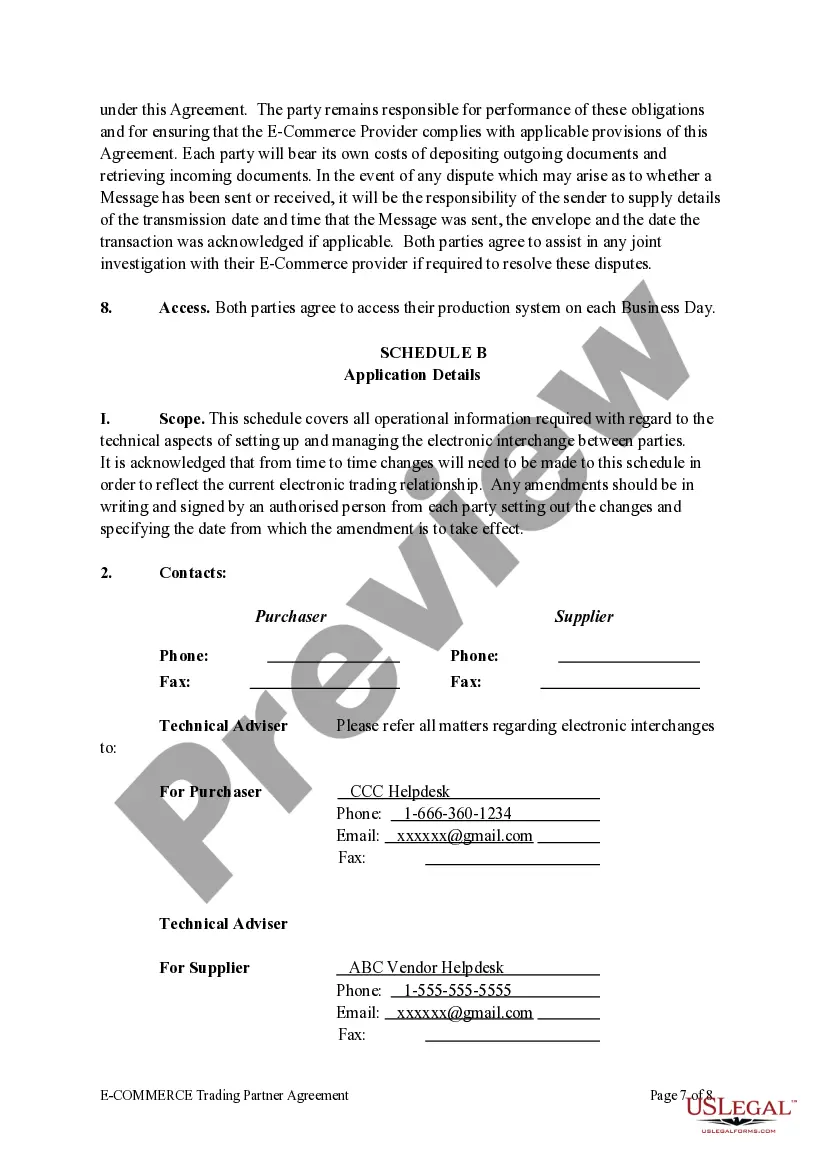
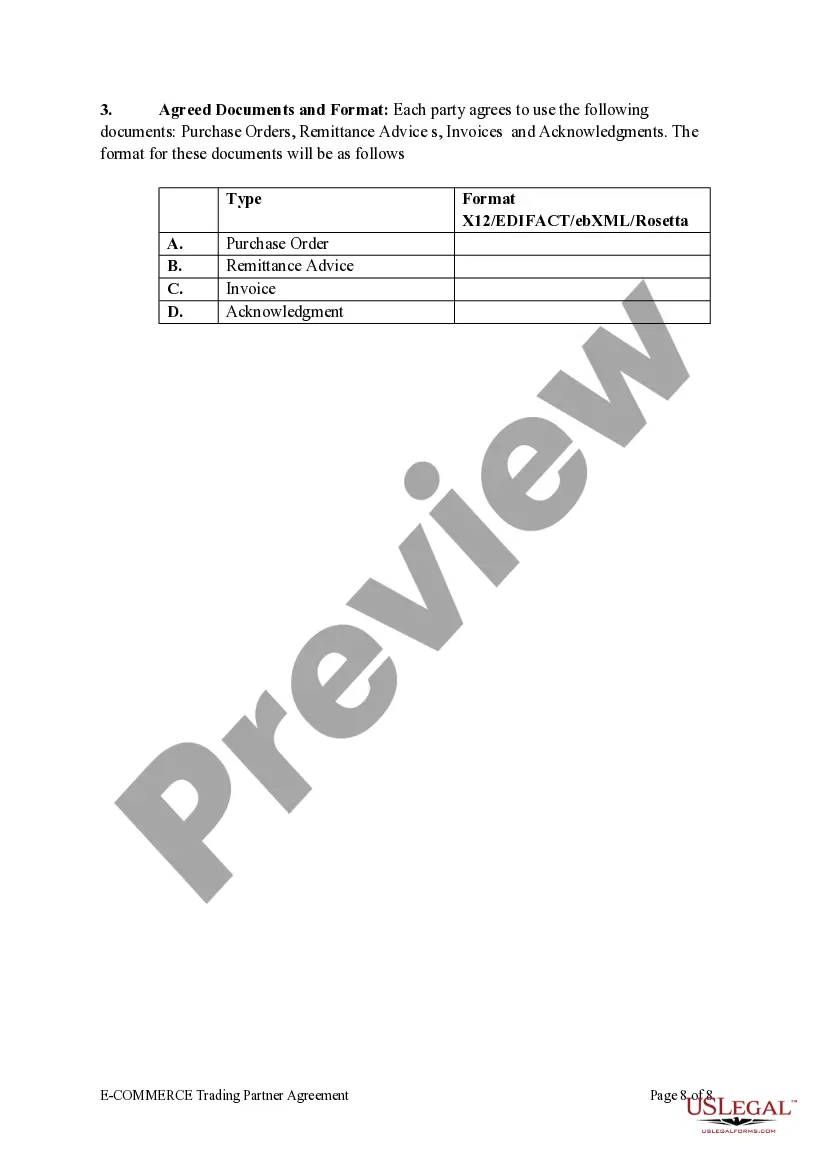
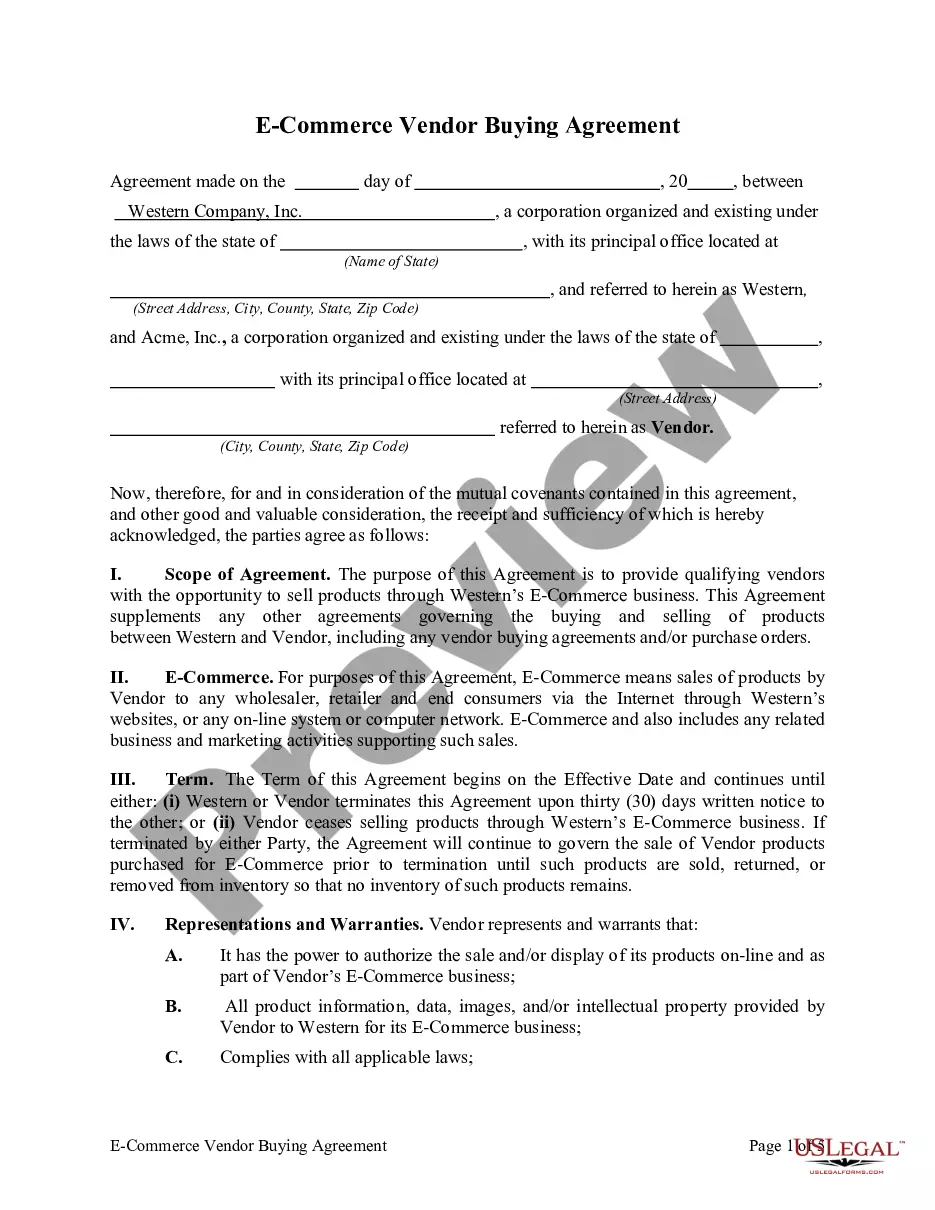
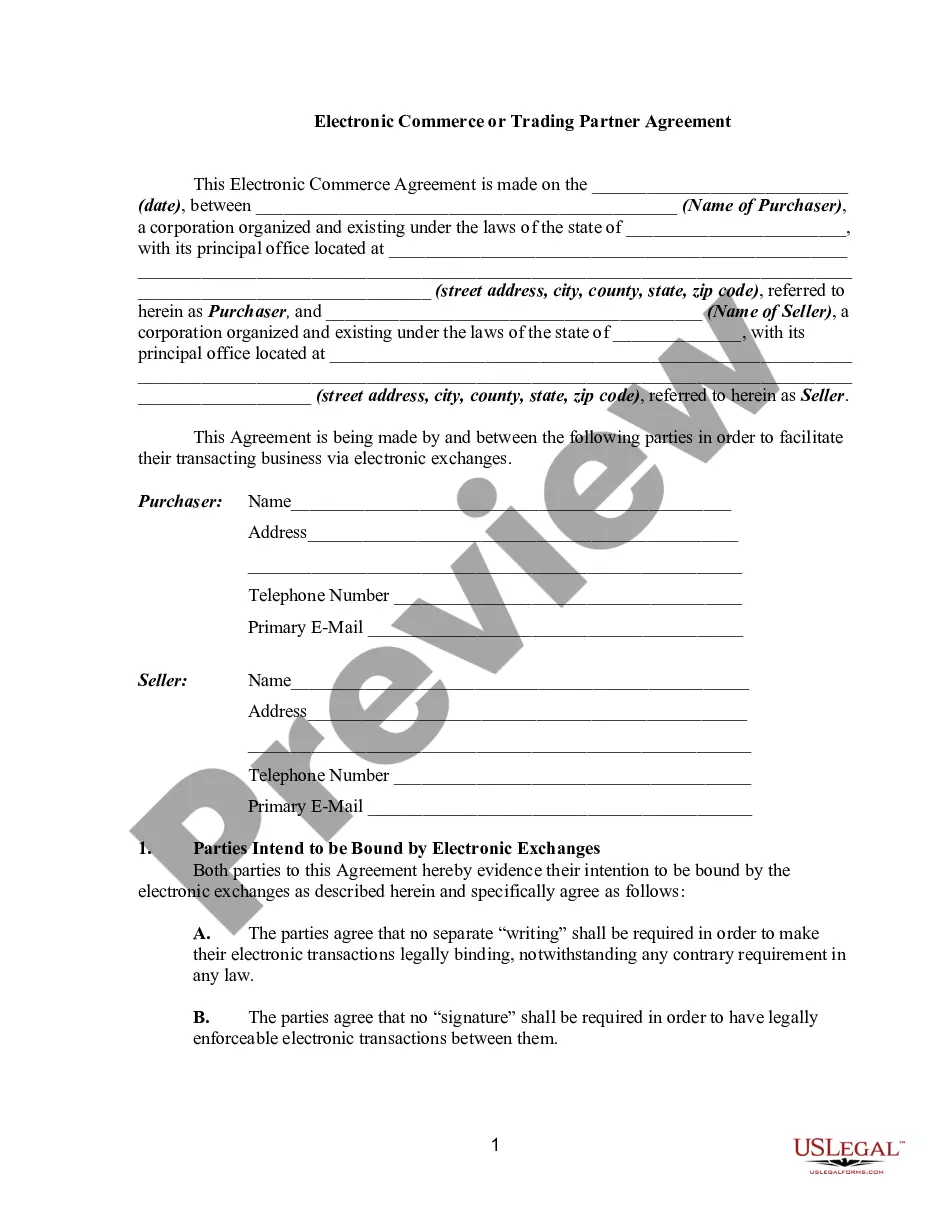
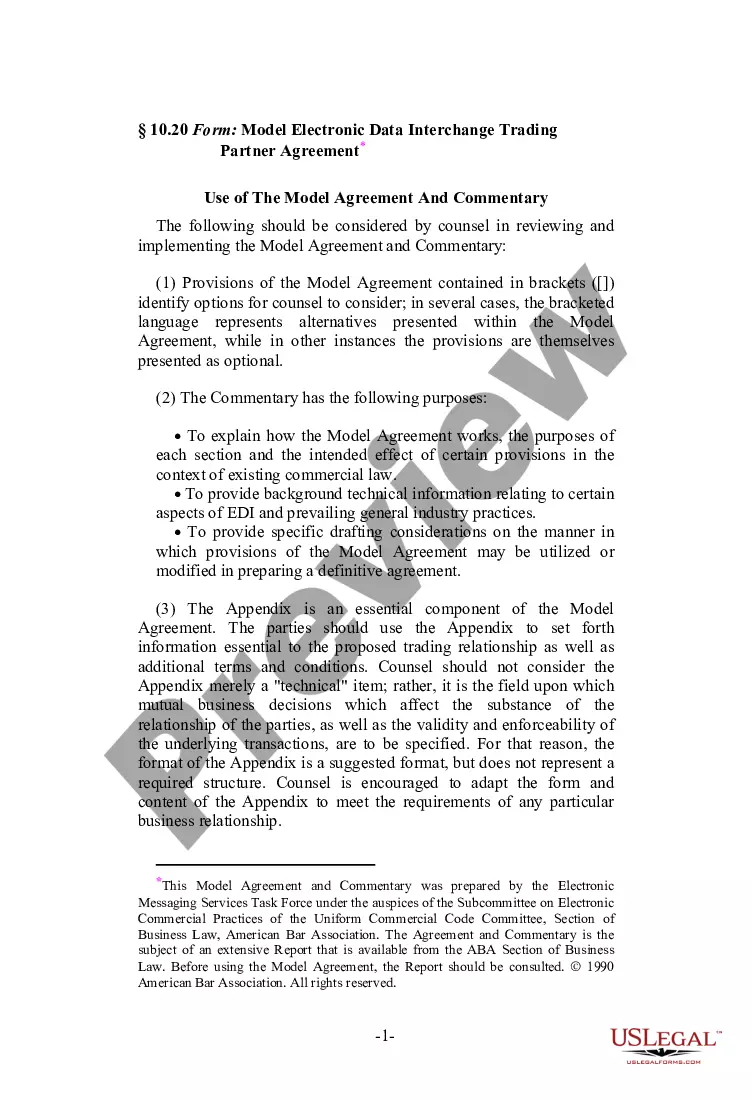
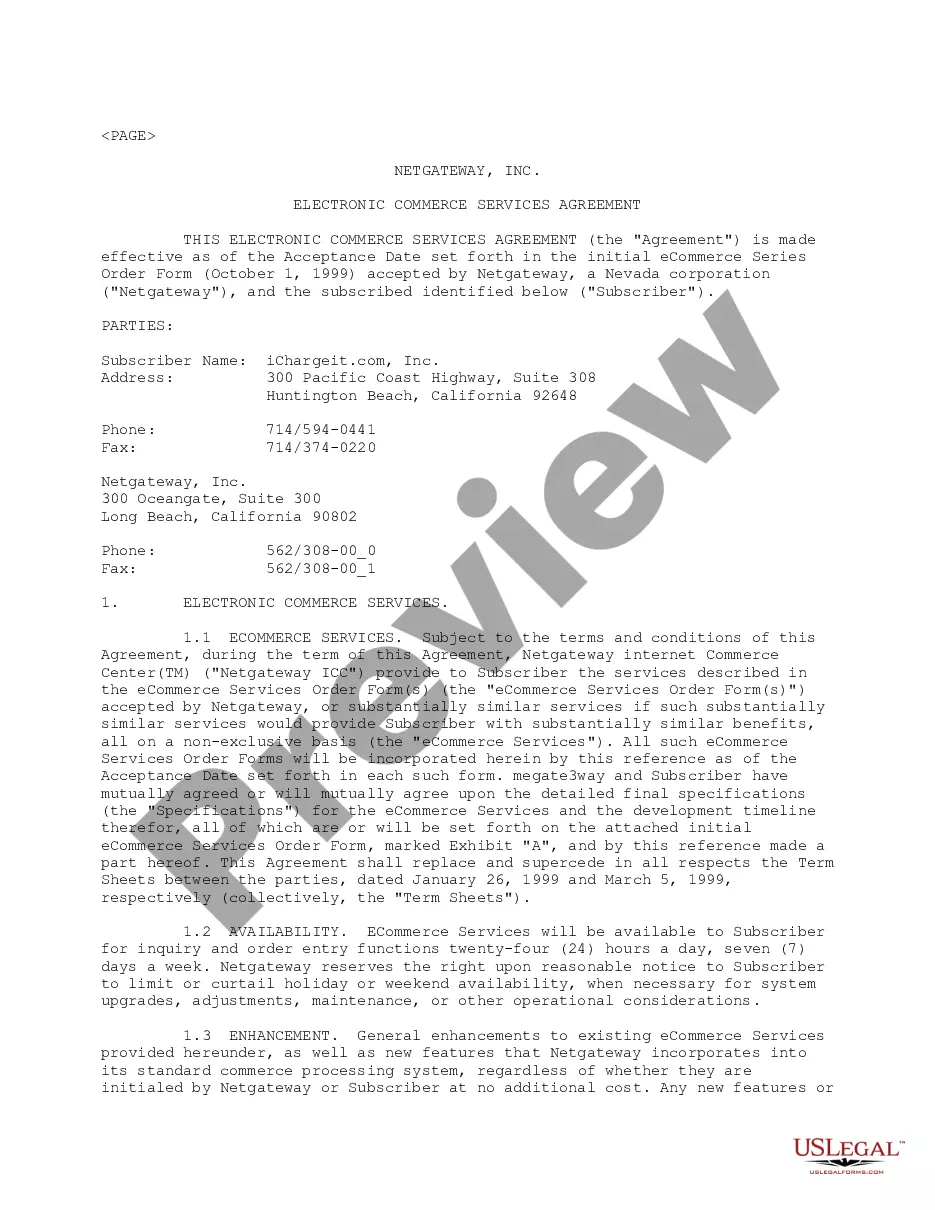
Get your form ready online
Our built-in tools help you complete, sign, share, and store your documents in one place.
Make edits, fill in missing information, and update formatting in US Legal Forms—just like you would in MS Word.
Download a copy, print it, send it by email, or mail it via USPS—whatever works best for your next step.
Sign and collect signatures with our SignNow integration. Send to multiple recipients, set reminders, and more. Go Premium to unlock E-Sign.
If this form requires notarization, complete it online through a secure video call—no need to meet a notary in person or wait for an appointment.
We protect your documents and personal data by following strict security and privacy standards.

Make edits, fill in missing information, and update formatting in US Legal Forms—just like you would in MS Word.

Download a copy, print it, send it by email, or mail it via USPS—whatever works best for your next step.

Sign and collect signatures with our SignNow integration. Send to multiple recipients, set reminders, and more. Go Premium to unlock E-Sign.

If this form requires notarization, complete it online through a secure video call—no need to meet a notary in person or wait for an appointment.

We protect your documents and personal data by following strict security and privacy standards.
Looking for another form?





Form popularity
FAQ
About Nevada Commerce Tax Commerce Tax Credit for Modified Business Tax: Businesses may claim a credit against the Modified Business Tax if they meet certain criteria. Exempt Status: Businesses below the $4 million threshold are exempt, aligning the tax with business size and economic impact.
What is the tax rate for the Commerce Tax? NAICS CategoryINDUSTRYTax Rate 31-33 Manufacturing .091% 42 Wholesale Trade .101% 44-45 Retail Trade .111% 481 Air Transportation .058%22 more rows
Which Entities are Exempt from the Nevada Commerce Tax? Yes, there are some organizations that are not obligated to file for the Nevada Commerce Tax. And the entities that are exempt from filing for the new Nevada Commerce Tax include: IRC 501(c), NRS 82 and NRS 84 non-profit organizations.
State law specifically allows Nevada cottage food producers to sell nuts and nut mixes, candies, jams, jellies, preserves, vinegar and flavored vinegar, dry herbs, seasoning mixes, dried fruits, cereals, trail mixes, granola, popcorn and popcorn balls, and baked goods like breads, cookies and cakes.
Requirements for starting a Pest Control business Has two years licensed experience in the category applied, or six months licensed experience and at least 16 college credit hours in biological sciences with at least 8 hours related directly to pest control. Must pass a fingerprint background check.
Requirements for starting a Pest Control business Has two years licensed experience in the category applied, or six months licensed experience and at least 16 college credit hours in biological sciences with at least 8 hours related directly to pest control. Must pass a fingerprint background check.
Ing to data shared by BusinessHue, a small pest control business with about five employees should be able to keep about 15% of its revenue as net profit. In general, a net profit margin between 7% and 10% is considered healthy for a small business. Anything above 20% is considered great.
You can think of the Schedule F form (above) as a special type of Schedule C form for sole proprietor farmers. Unless you get income from non-farming self-employment activities, you'll only need to file a Schedule F.
Use Schedule F (Form 1040) to report farm income and expenses.
The IRS considers several factors to determine if a farming operation is a for-profit business or merely a hobby. A farm classified as a hobby cannot deduct losses against other income, whereas a business farm can. The primary difference lies in the intent to make a profit.
