E-commerce Rules In Nassau
Description
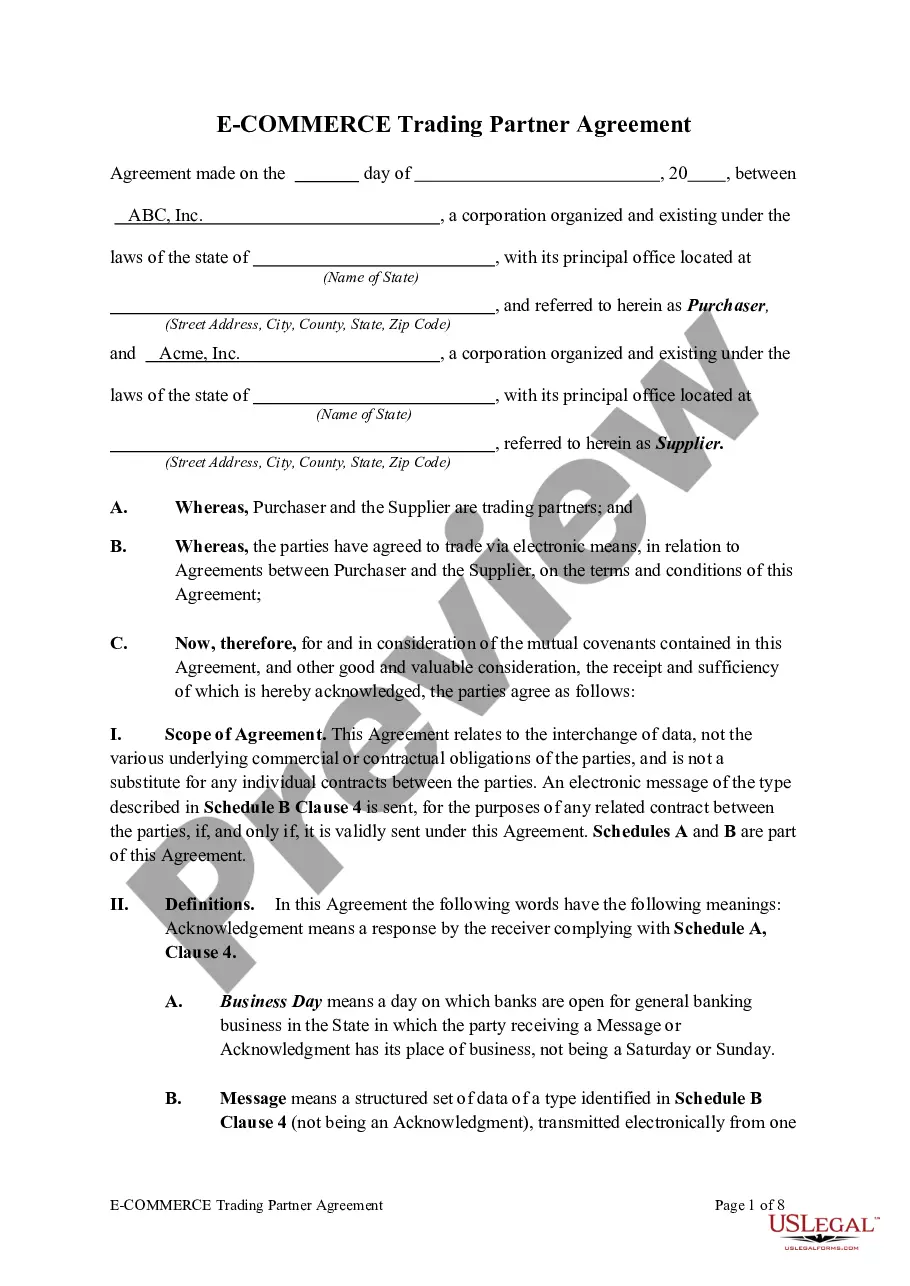
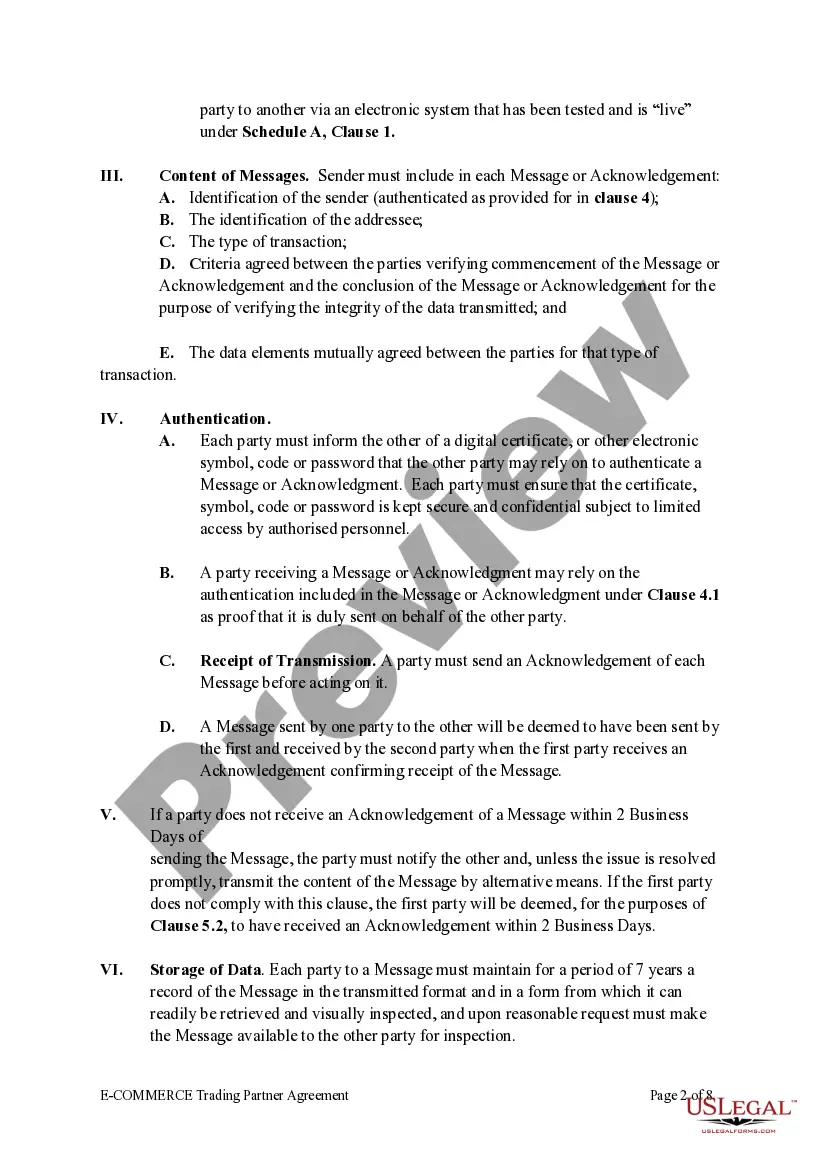
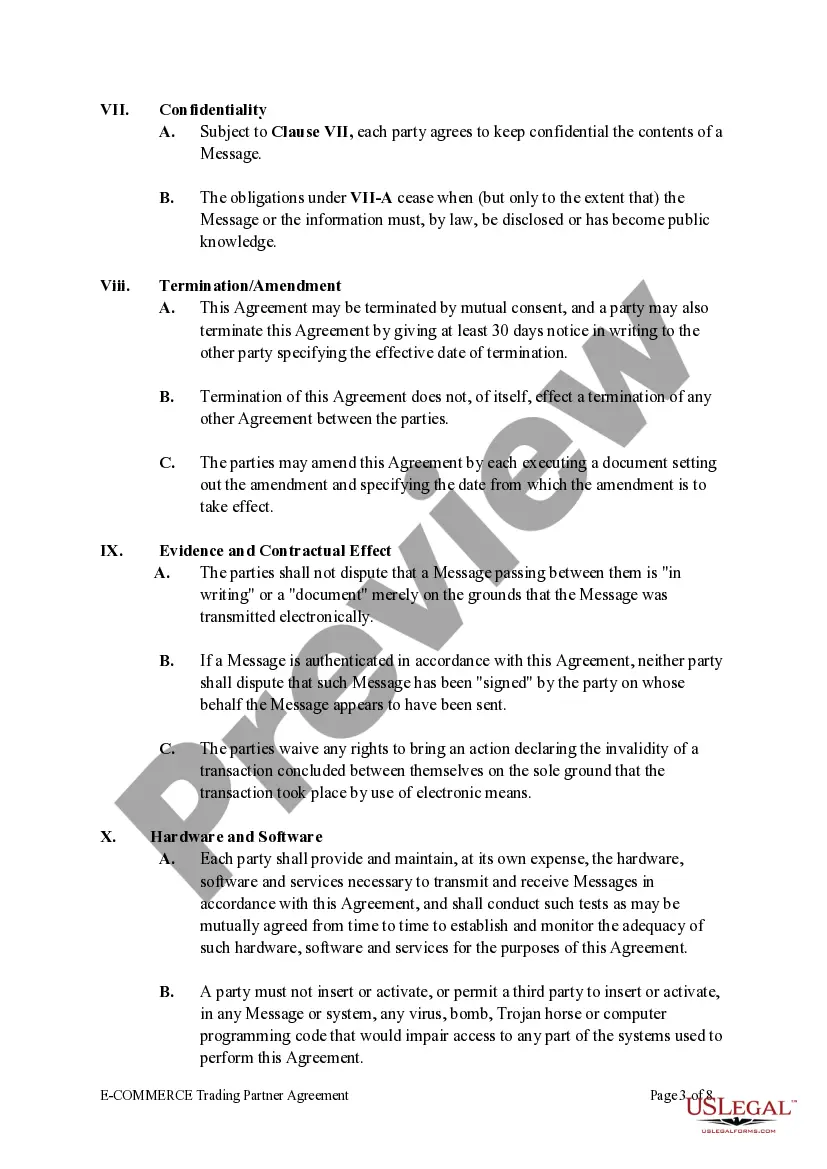
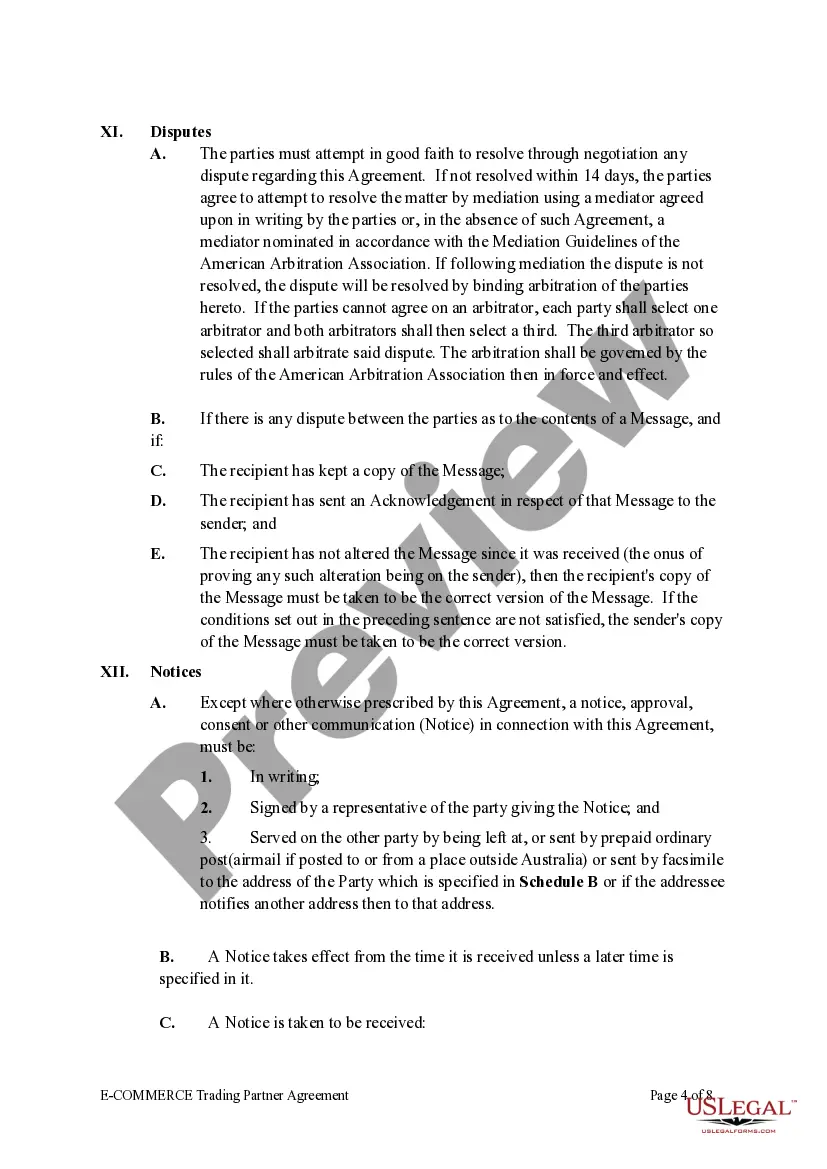

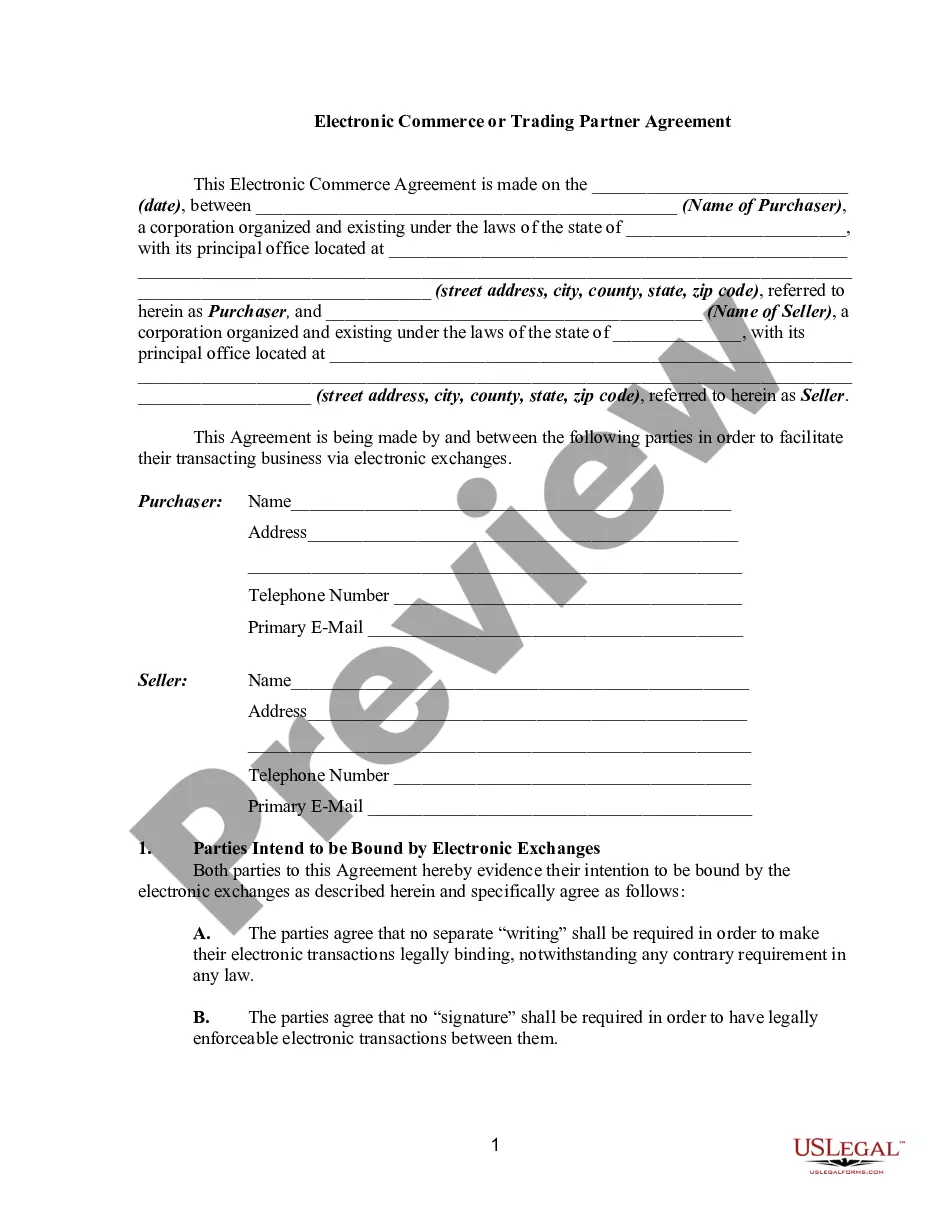
Get your form ready online
Our built-in tools help you complete, sign, share, and store your documents in one place.
Make edits, fill in missing information, and update formatting in US Legal Forms—just like you would in MS Word.
Download a copy, print it, send it by email, or mail it via USPS—whatever works best for your next step.
Sign and collect signatures with our SignNow integration. Send to multiple recipients, set reminders, and more. Go Premium to unlock E-Sign.
If this form requires notarization, complete it online through a secure video call—no need to meet a notary in person or wait for an appointment.
We protect your documents and personal data by following strict security and privacy standards.

Make edits, fill in missing information, and update formatting in US Legal Forms—just like you would in MS Word.

Download a copy, print it, send it by email, or mail it via USPS—whatever works best for your next step.

Sign and collect signatures with our SignNow integration. Send to multiple recipients, set reminders, and more. Go Premium to unlock E-Sign.

If this form requires notarization, complete it online through a secure video call—no need to meet a notary in person or wait for an appointment.

We protect your documents and personal data by following strict security and privacy standards.
Looking for another form?









Form popularity
FAQ
The first law of e-commerce states: “if the customer can't find the product or service, the customer cannot buy the product or service.” In fact, there are many additional usability concerns in e-commerce beyond the simple ability to locate a desired product or service.
ECommerce law refers to laws that regulate transactions which occur over the internet as well as internet da- ta storage. This body of law encompasses online contracts, privacy policies, e-signatures, and online buying, selling, and advertising procedures.
The “Code of Conduct” for e-commerce, focuses on the protection of consumers in the age of online shopping. The Code sets out the general principles and sets out the minimum rules of professional ethics and ethical conduct to be observed by the consumer towards businesses.
ECommerce law refers to laws that regulate transactions which occur over the internet as well as internet da- ta storage. This body of law encompasses online contracts, privacy policies, e-signatures, and online buying, selling, and advertising procedures.
Internet commerce | Federal Trade Commission.
What types of payments are considered eCommerce payments? Payments that are initiated through an online web browser via a specific retail website, browser-based payments from a tablet or smartphone, and smartphone payments that are initiated through a mobile app are all examples of eCommerce transactions.
People's Resistance. One of the main limitations of eCommerce is data security and privacy. In most cases, people are hesitant to provide their personal and financial details in spite of advanced data encryption security systems in place.
20 Biggest Challenges of eCommerce and How to Handle Them Intense competition. Customer Acquisition. Abandoned Shopping Cart. Limitations in Website Performance. Lack of Mobile-friendliness. Unoptimised Inventory. Logistics Gaps. Poorly-framed Returns and Refunds Policies.
Start an Online eCommerce Business Choose your niche. Do your research. Choose your product and target market. Validate your product. Decide how you'll get your product. Write your business plan. Pick your business name and legal structure. Apply for your EIN, permits, and licenses.
