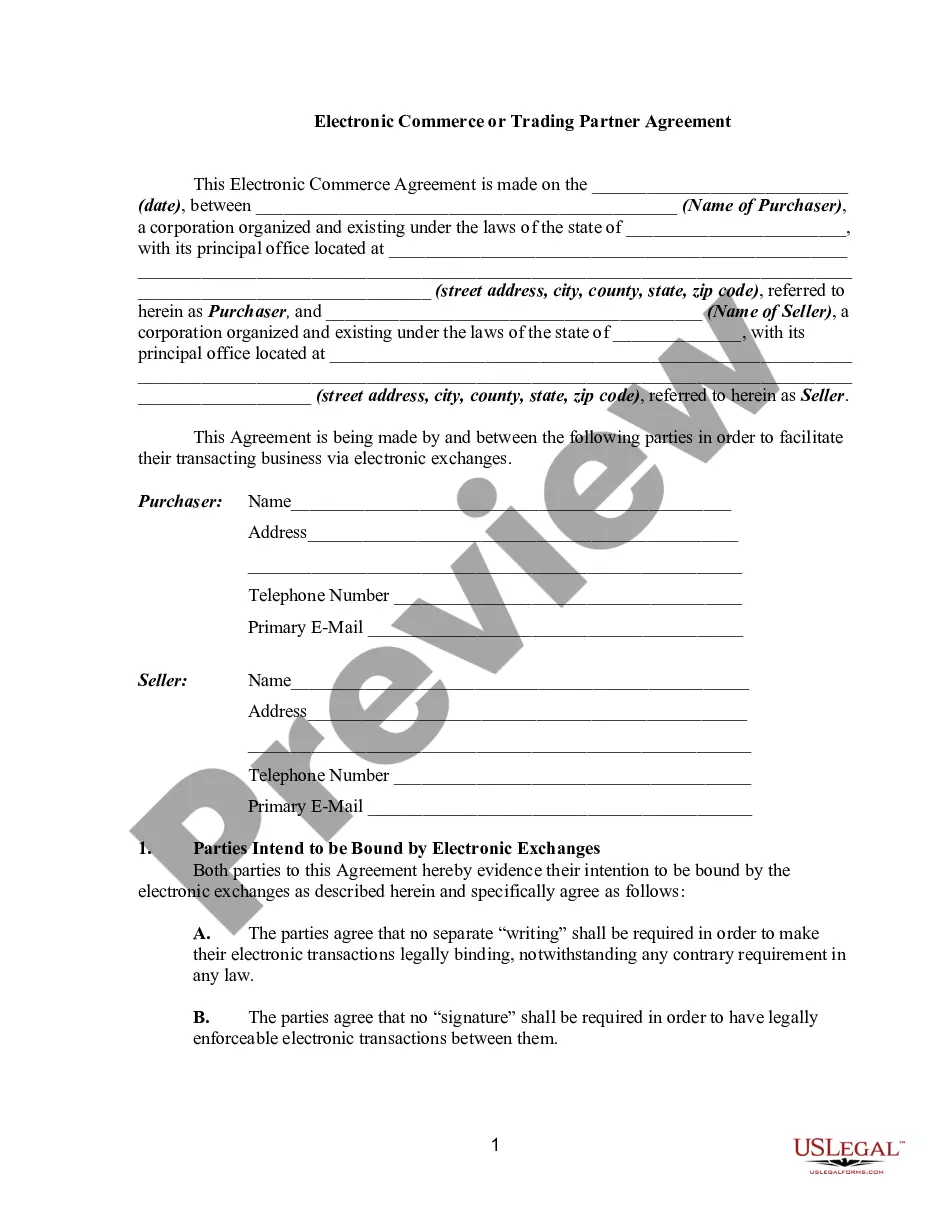
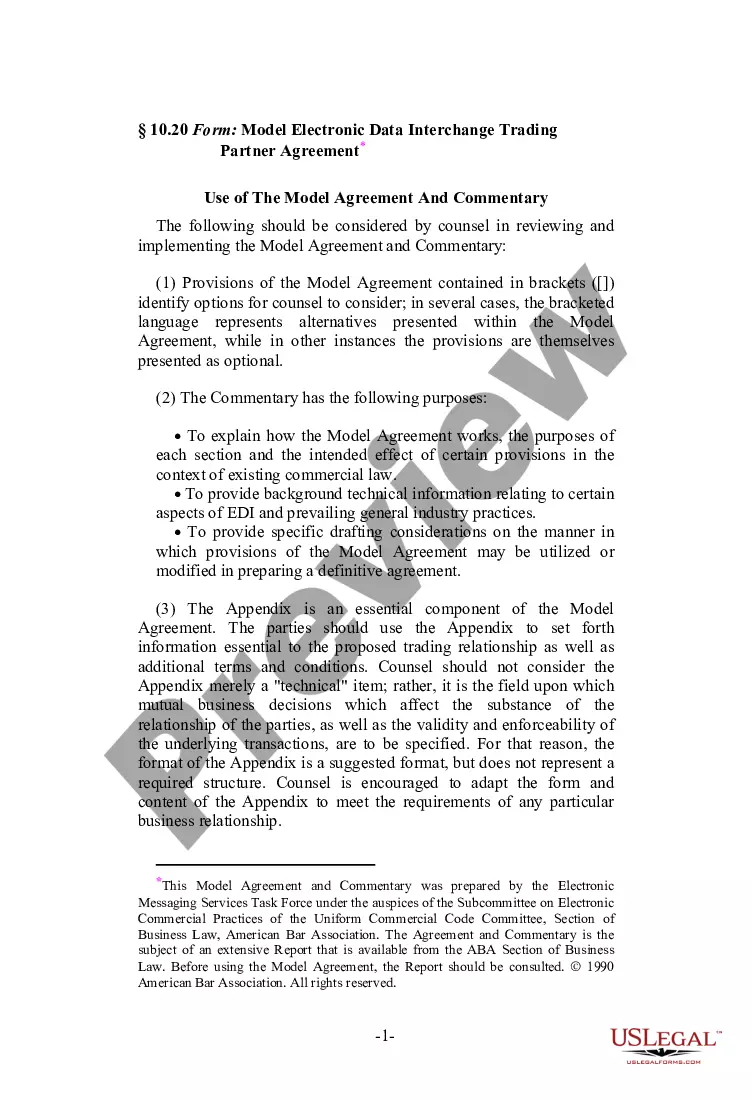
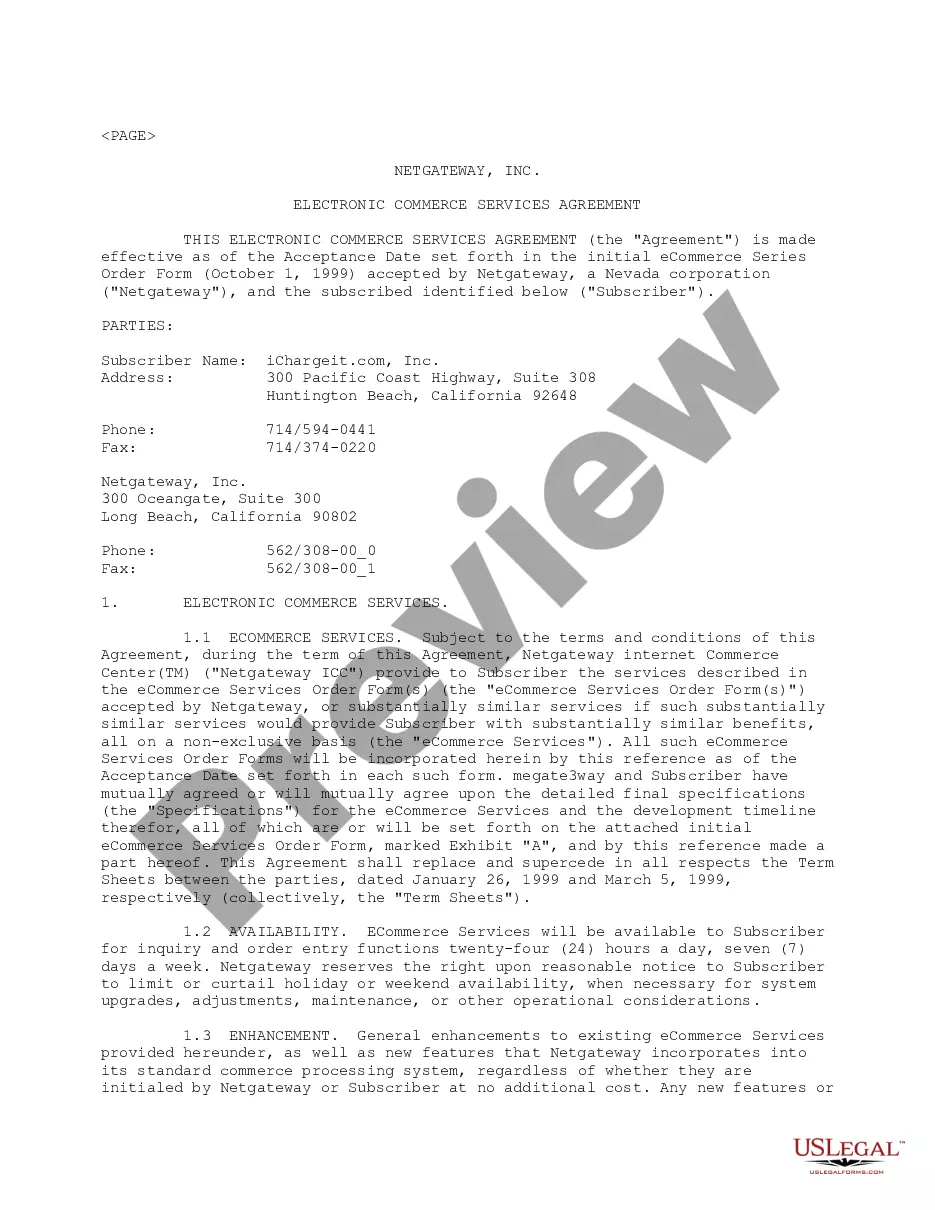
E Commerce Contract Example In Nassau
Description
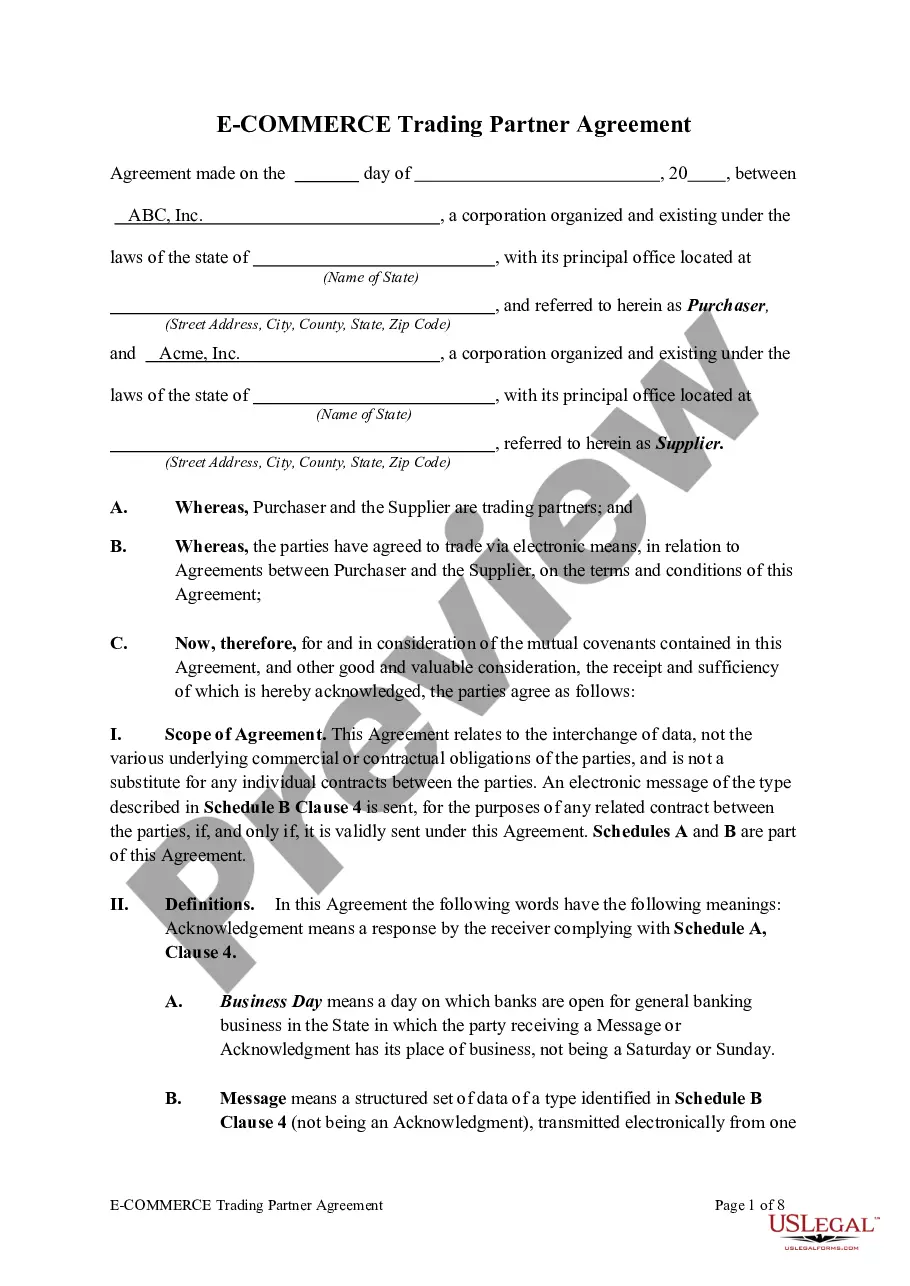
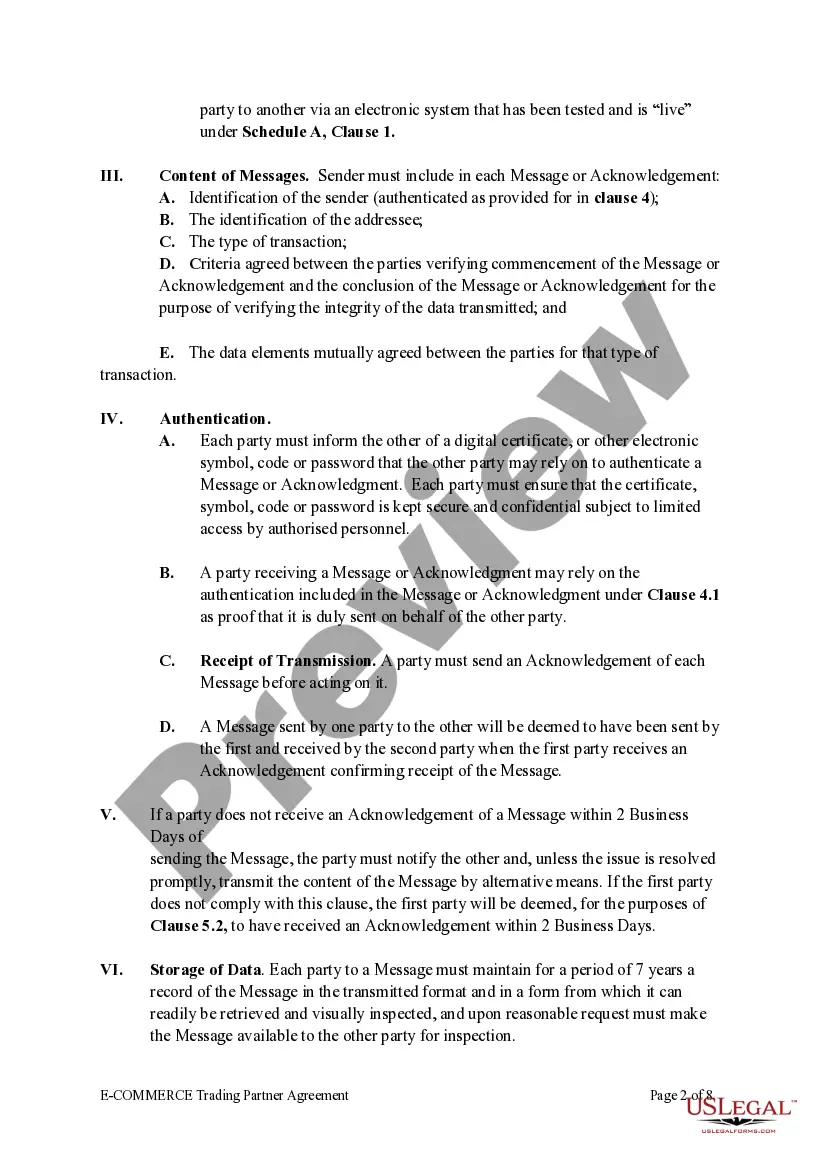
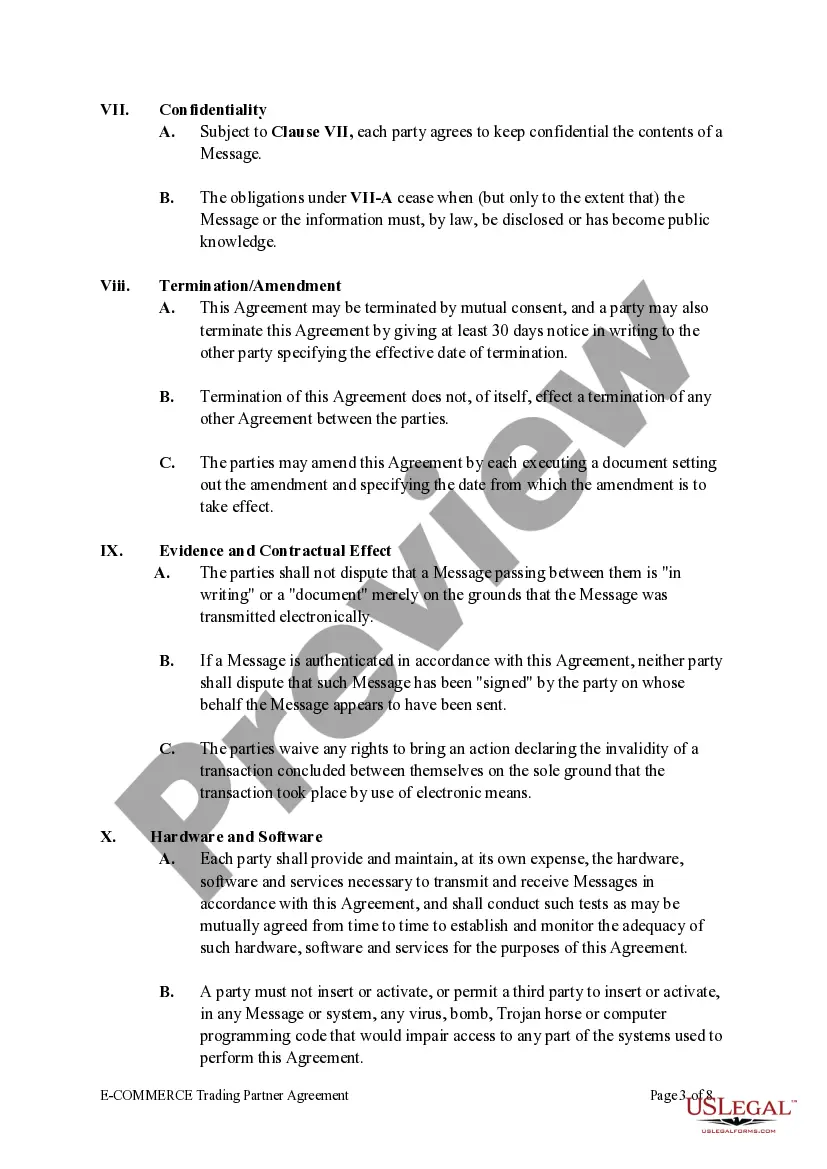
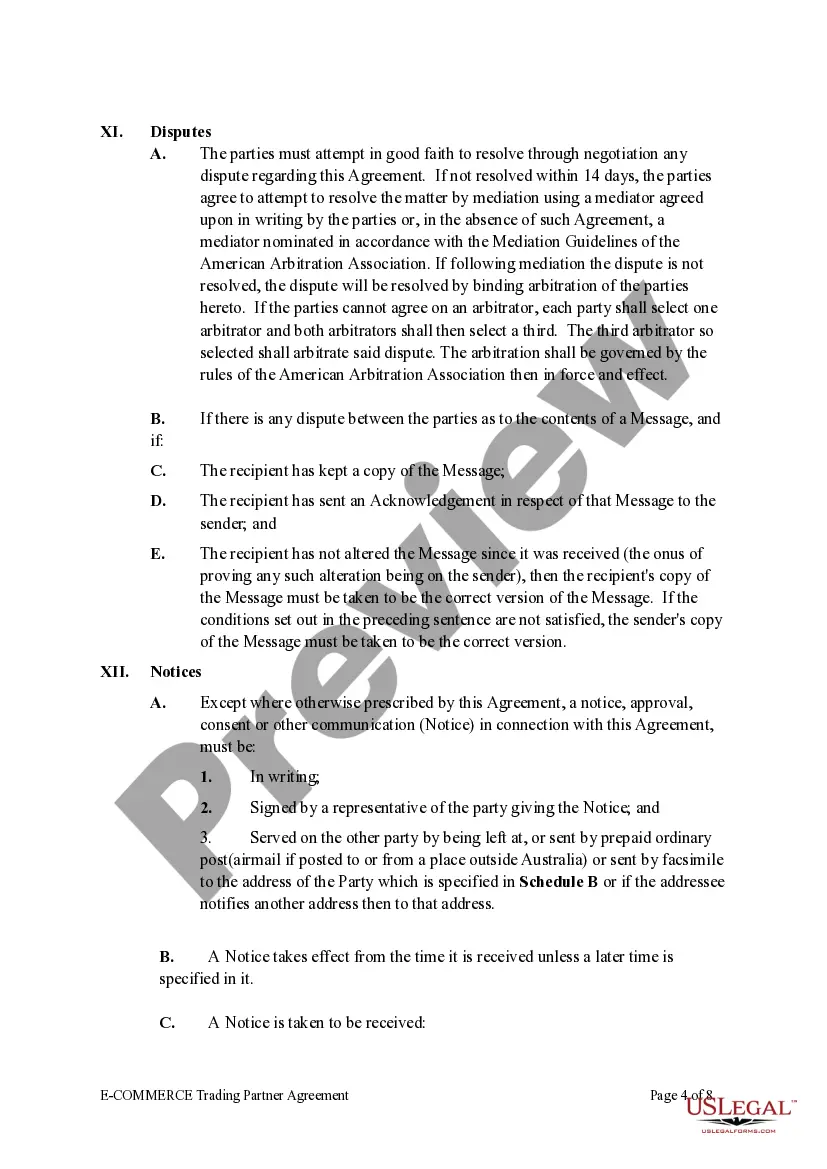

Get your form ready online
Our built-in tools help you complete, sign, share, and store your documents in one place.
Make edits, fill in missing information, and update formatting in US Legal Forms—just like you would in MS Word.
Download a copy, print it, send it by email, or mail it via USPS—whatever works best for your next step.
Sign and collect signatures with our SignNow integration. Send to multiple recipients, set reminders, and more. Go Premium to unlock E-Sign.
If this form requires notarization, complete it online through a secure video call—no need to meet a notary in person or wait for an appointment.
We protect your documents and personal data by following strict security and privacy standards.

Make edits, fill in missing information, and update formatting in US Legal Forms—just like you would in MS Word.

Download a copy, print it, send it by email, or mail it via USPS—whatever works best for your next step.

Sign and collect signatures with our SignNow integration. Send to multiple recipients, set reminders, and more. Go Premium to unlock E-Sign.

If this form requires notarization, complete it online through a secure video call—no need to meet a notary in person or wait for an appointment.

We protect your documents and personal data by following strict security and privacy standards.
Looking for another form?






Form popularity
FAQ
Examples of Electronic Contracts Electronic contracts typically take the following forms: Clickwrap agreements: By clicking "I accept," a user is bound to an electronic contract. Through a browsewrap, the user explicitly consents to the agreement, not implicitly.
An electronic contract (e-contract) is simply a contract created using electronic means. Like physical contracts, e-contracts have three components: Offer. The set of terms and conditions presented by the party that drafted the contract. Acceptance.
Traditional contracts require physical access to the document, while electronic contracts can be accessed from anywhere with an internet connection. This accessibility makes electronic contracts more adaptable to our fast-paced, interconnected world.
A&E Contract means a contract for architectural or engineering services, which includes program management, construction management, feasibility studies, preliminary engineering, design, architectural, landscape architecture, environmental services (including environmental documentation), engineering, surveying, ...
Ecommerce is the electronic buying and selling of goods and services, usually via the internet. Businesses can build their own ecommerce website, set up an ecommerce storefront on an established selling site like Amazon, or do it all for a multi-channel approach.
Contracts entered through the exchange of e-mails, shrink-wrap contracts, clickwrap contracts, etc. are some of examples of electronic contracts. Electronic contracts are governed by various laws like the Indian Contract Act, 1872, Information Technology Act, 2000, and Indian Evidence Act, 1872.
ECommerce agreements disclose the contractual relationship and obligations between a website owner and its commercial users.
Electronic commerce, or e-commerce, is the buying and selling of goods and services over the internet. E-commerce can be conducted on computers, tablets, smartphones, and other smart devices.
Types of agreements under Indian Contract Act, 1872 Valid agreement. Section 11 of the Indian Contract Act, 1872. Void agreement. Section 24 of the Indian Contract Act, 1872. Wagering Agreements. Contingent Agreement. Voidable agreement. Express and implied agreements. Illegal Agreements.
A standard form of agreement is an agreement in which one of the parties to the contract determines the terms, and the other party cannot change these terms. This agreement between two parties is also known as a standardized contract.
