E Commerce Agreement For Farmers In Minnesota
Description

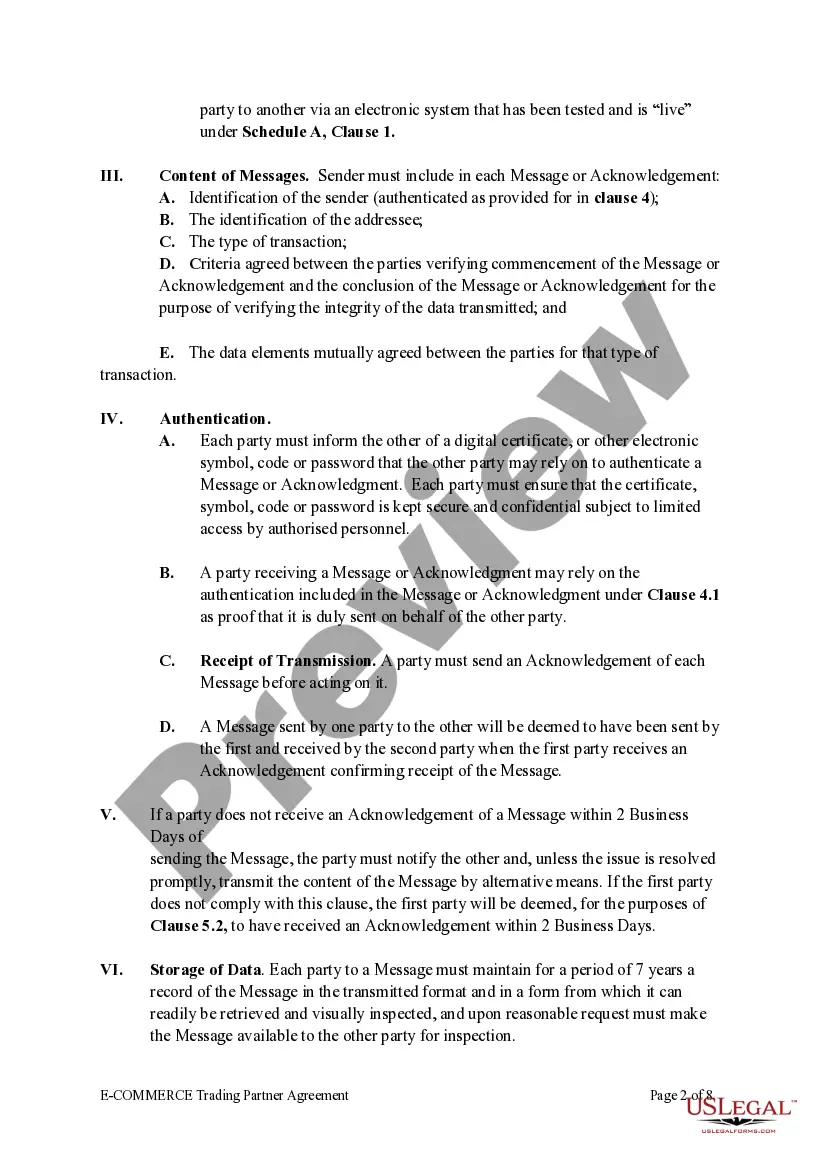
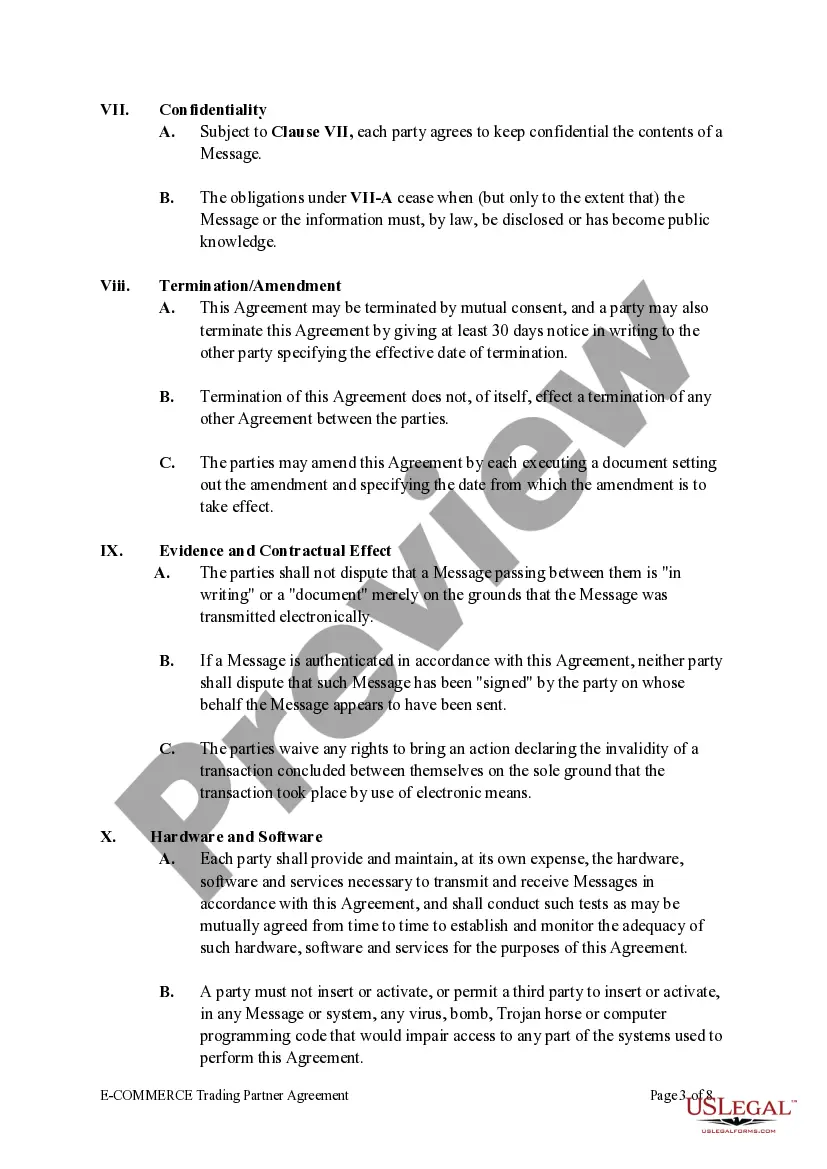
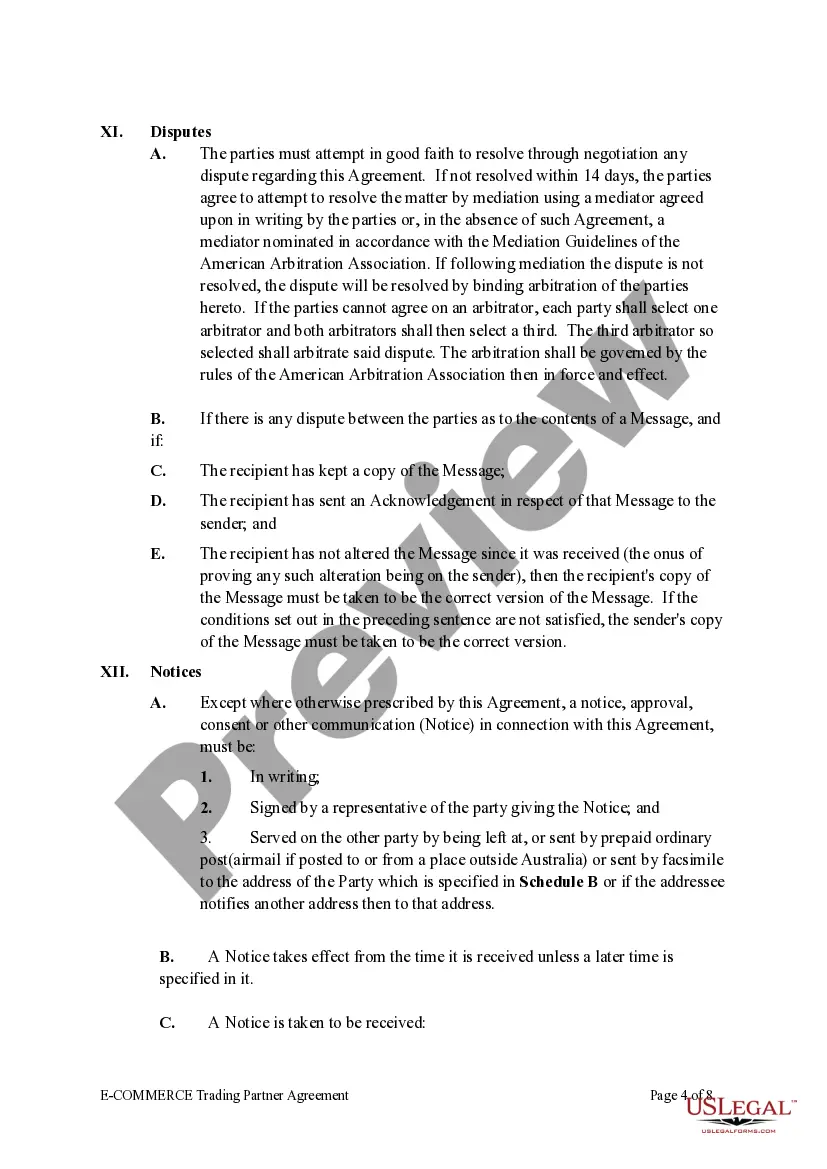
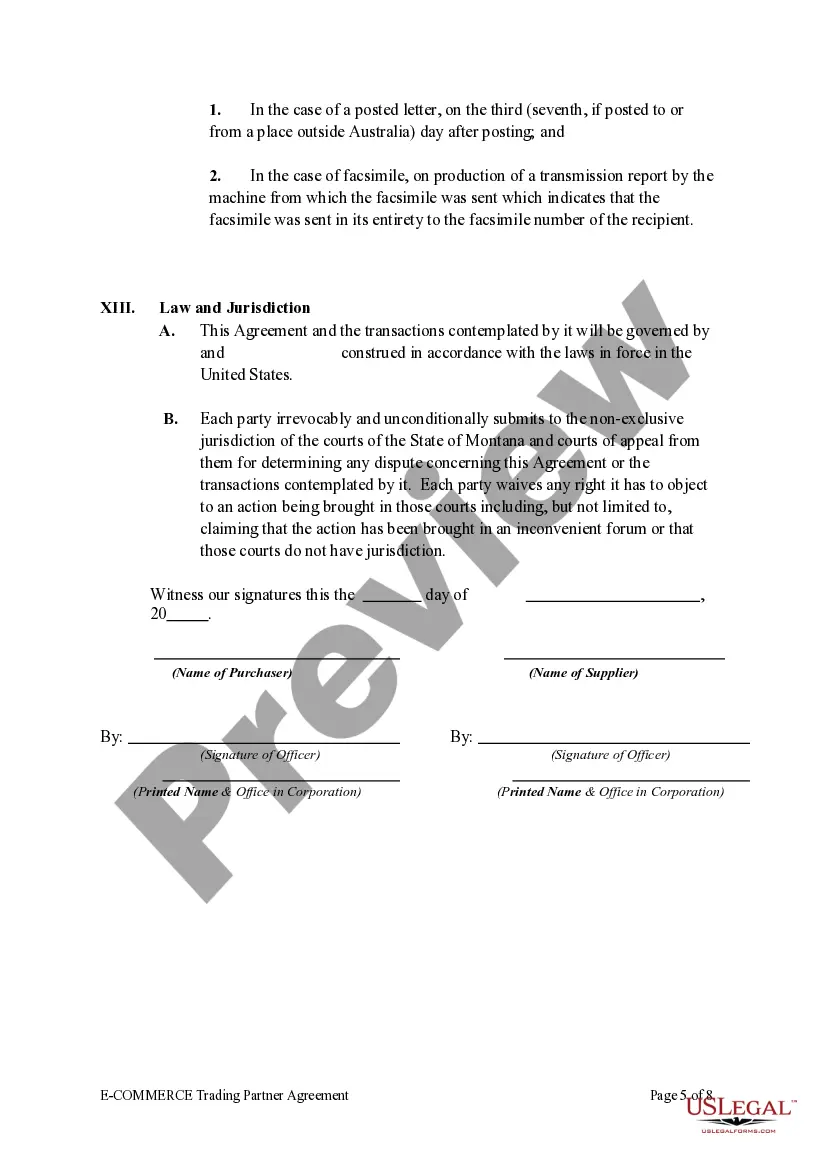
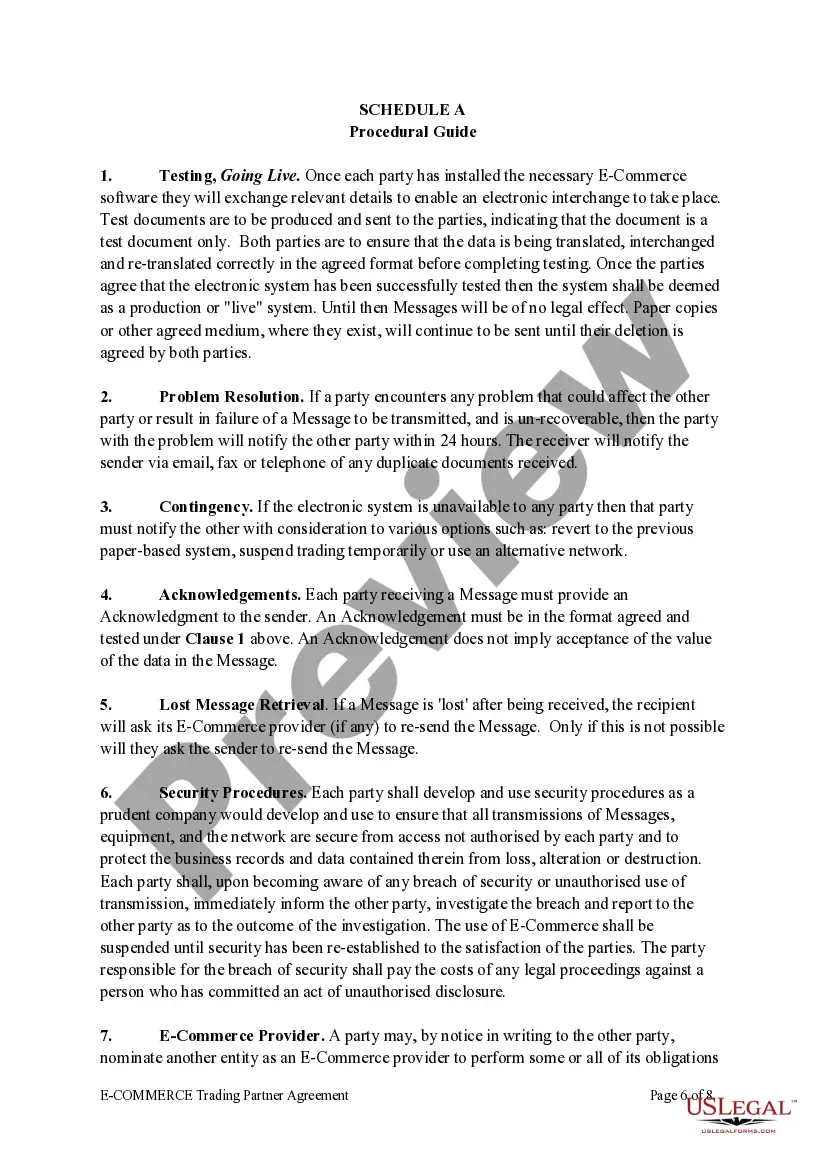
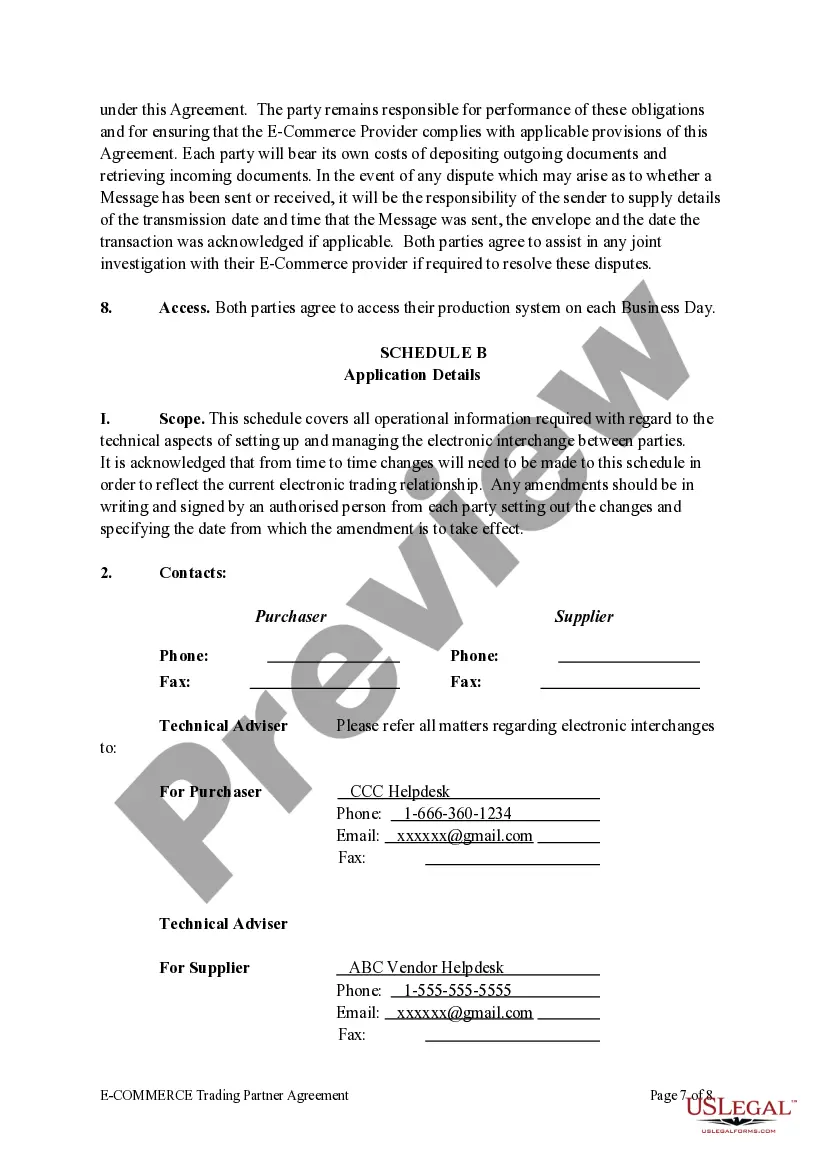
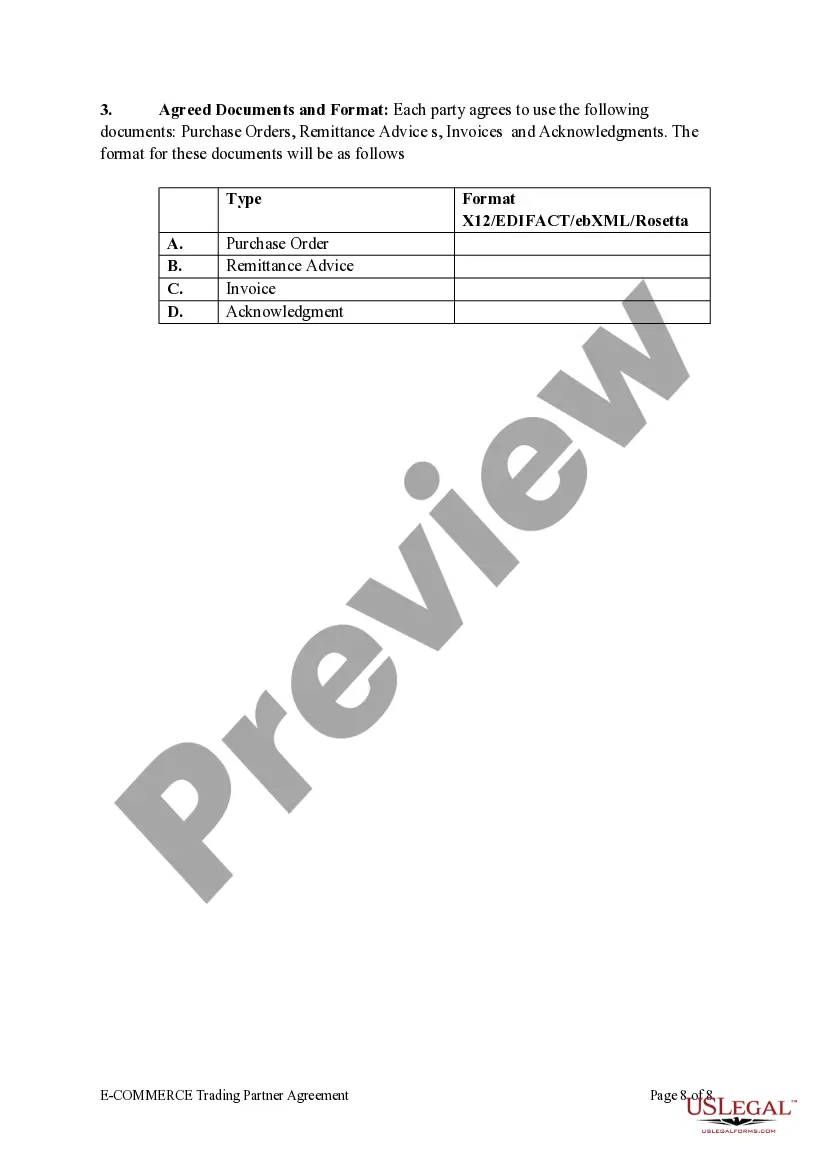
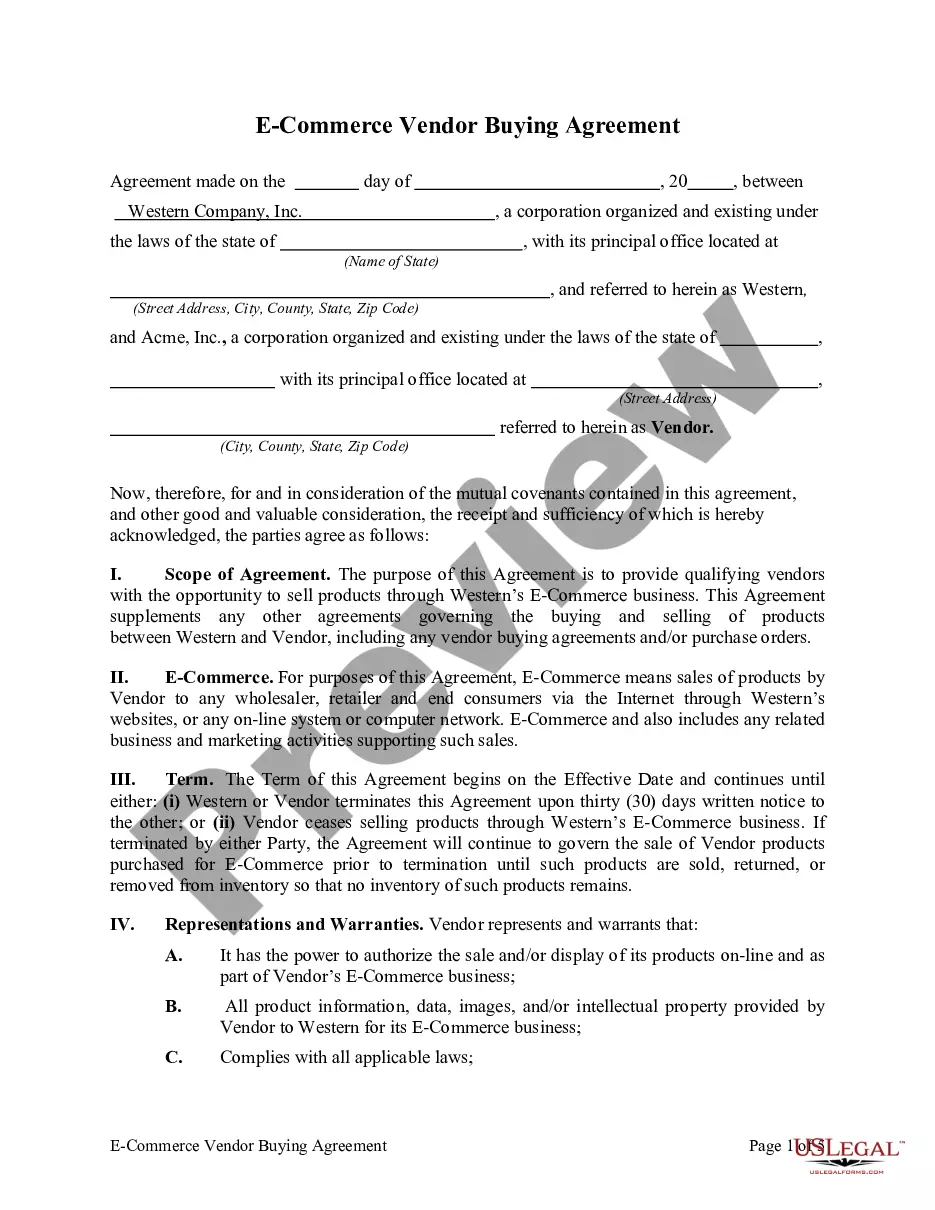
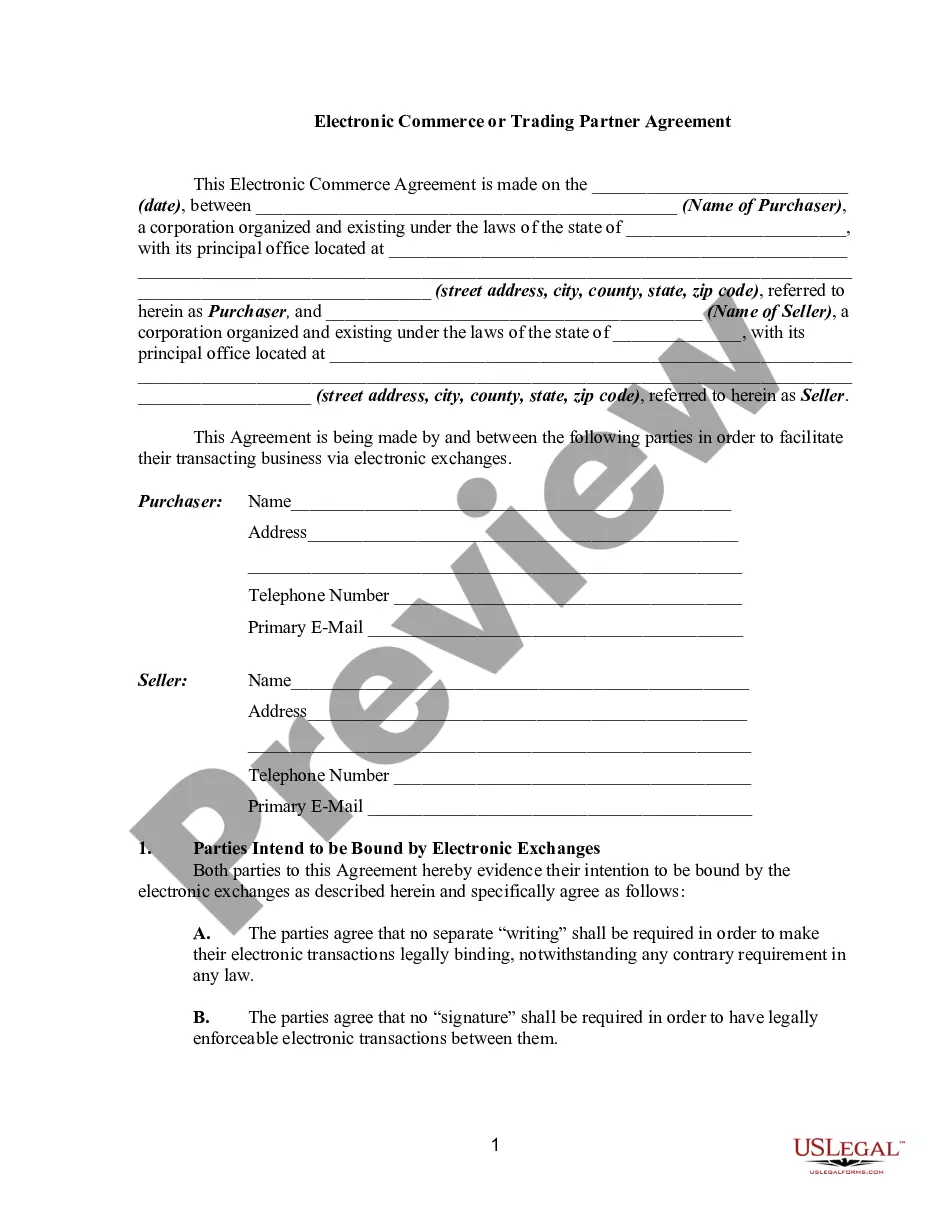
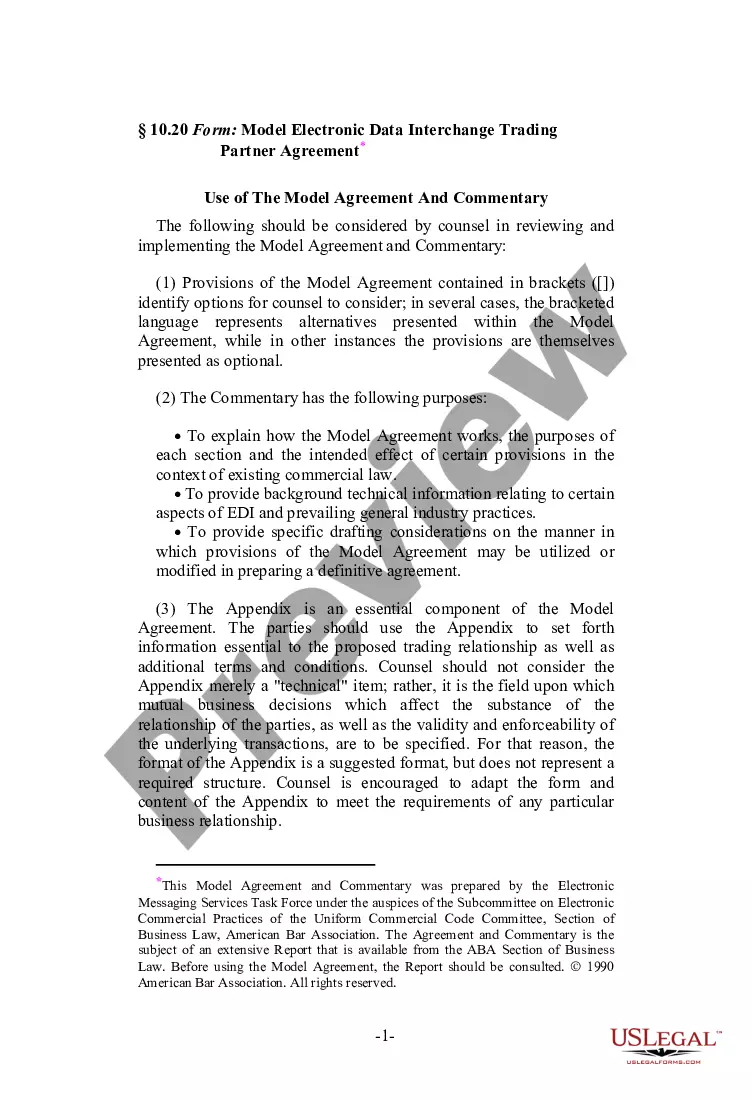
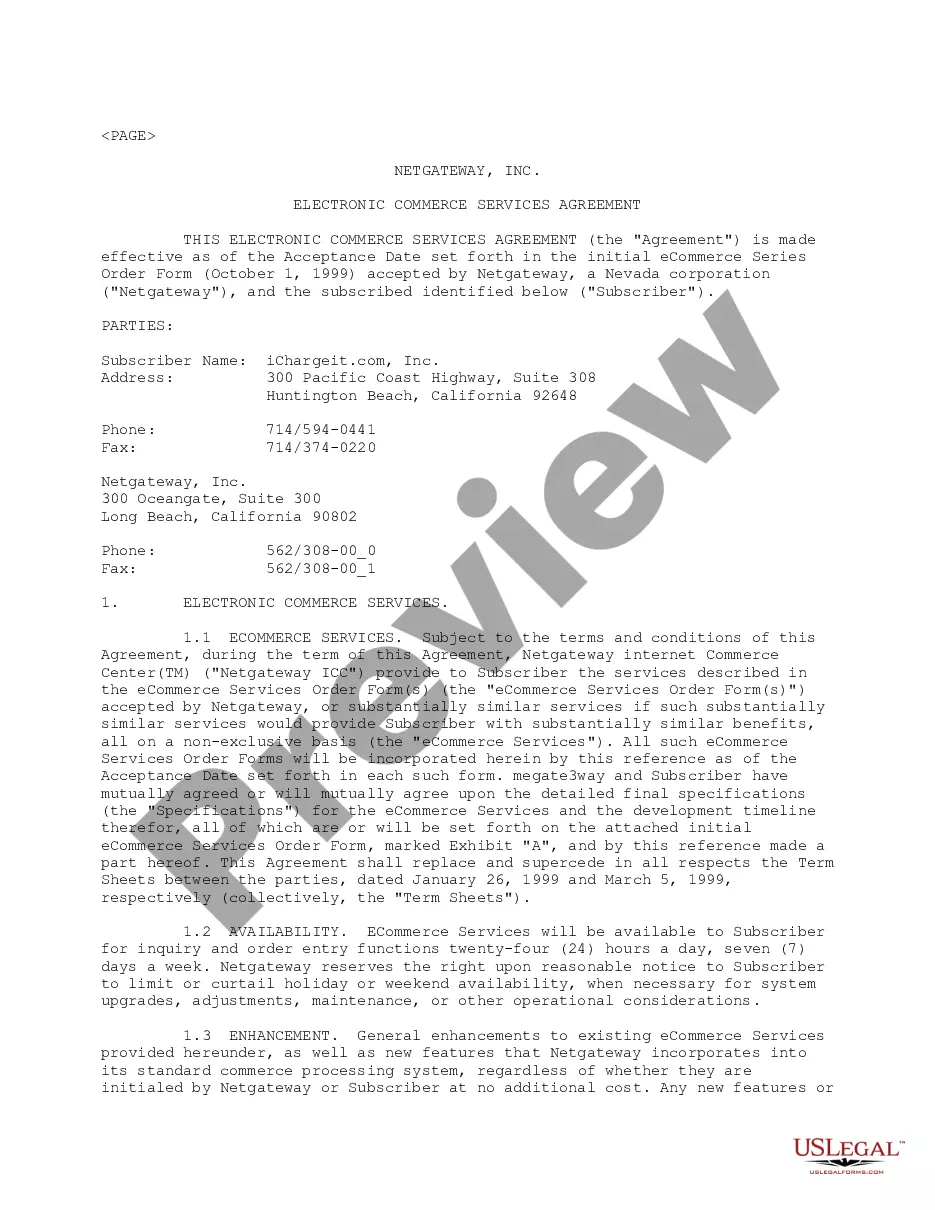
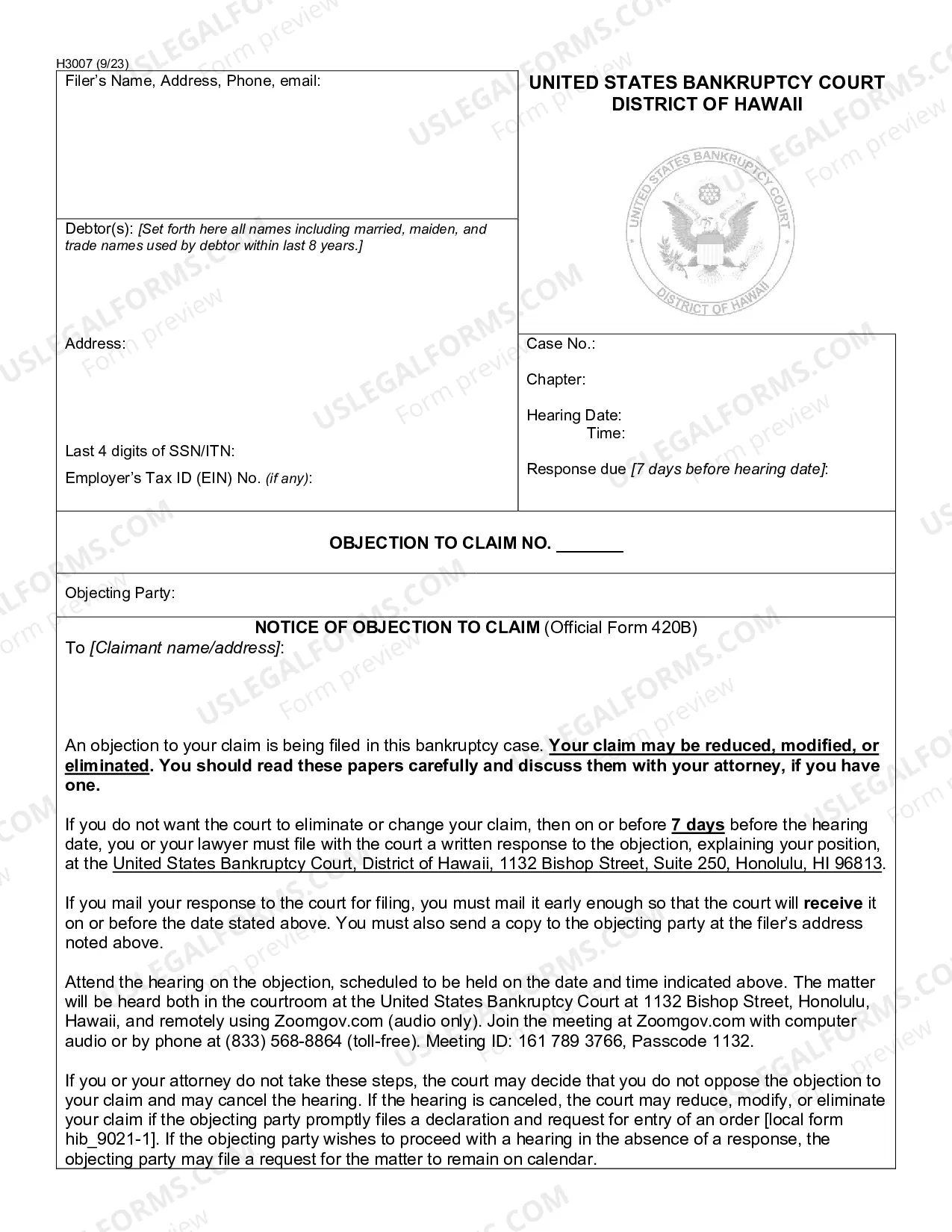
Get your form ready online
Our built-in tools help you complete, sign, share, and store your documents in one place.
Make edits, fill in missing information, and update formatting in US Legal Forms—just like you would in MS Word.
Download a copy, print it, send it by email, or mail it via USPS—whatever works best for your next step.
Sign and collect signatures with our SignNow integration. Send to multiple recipients, set reminders, and more. Go Premium to unlock E-Sign.
If this form requires notarization, complete it online through a secure video call—no need to meet a notary in person or wait for an appointment.
We protect your documents and personal data by following strict security and privacy standards.

Make edits, fill in missing information, and update formatting in US Legal Forms—just like you would in MS Word.

Download a copy, print it, send it by email, or mail it via USPS—whatever works best for your next step.

Sign and collect signatures with our SignNow integration. Send to multiple recipients, set reminders, and more. Go Premium to unlock E-Sign.

If this form requires notarization, complete it online through a secure video call—no need to meet a notary in person or wait for an appointment.

We protect your documents and personal data by following strict security and privacy standards.
Looking for another form?








Form popularity
FAQ
Nonfamily farms. USDA defines a farm as any place that produced and sold—or normally would have produced and sold—at least $1,000 of agricultural products during a given year.
What constitutes farming under the law? Farming means the production of agricultural products, livestock or livestock products, milk or milk products, and fruit or other horticultural products.
One such definition is found in IRC Section 2032A(e)(4) relative to estate tax valuation; it reads as follows: The term “farm” includes stock, dairy, poultry, fruit, furbearing animal, and truck farms, plantations, ranches, nurseries, ranges, greenhouses or other similar structures used primarily for the raising of ...
Tax Deductions and Hobby Farms If the IRS deems a farm a hobby, the taxpayer can only deduct expenses up to the amount of income generated by the hobby. This means that hobby farms cannot use losses to offset other income.
Minnesota's Right-to-Farm law protects farms and ranches from most public and private nuisance actions, as long as they operate using generally accepted agricultural practices and have been in business for two or more years.
An “agricultural asset” is defined as agricultural land, livestock, facilities, buildings, and machinery used for farming in Minnesota. This is a non-refundable tax credit for Minnesota state income taxes, which can be carried forward for up to 15 years for asset owners.
The primary purpose of exempt agricultural and horticultural organizations under Internal Revenue Code section 501(c)(5) must be to better the conditions of those engaged in agriculture or horticulture, develop more efficiency in agriculture or horticulture, or improve the products.
Minnesota's Right-to-Farm law protects farms and ranches from most public and private nuisance actions, as long as they operate using generally accepted agricultural practices and have been in business for two or more years.
Qualifying new and used farm machinery is exempt from sales tax. To be exempt, the machinery must do all of the following: Meet the definition of farm machinery outlined in Minnesota Statutes 297A.
