E Commerce Agreement Template Forecasting In King
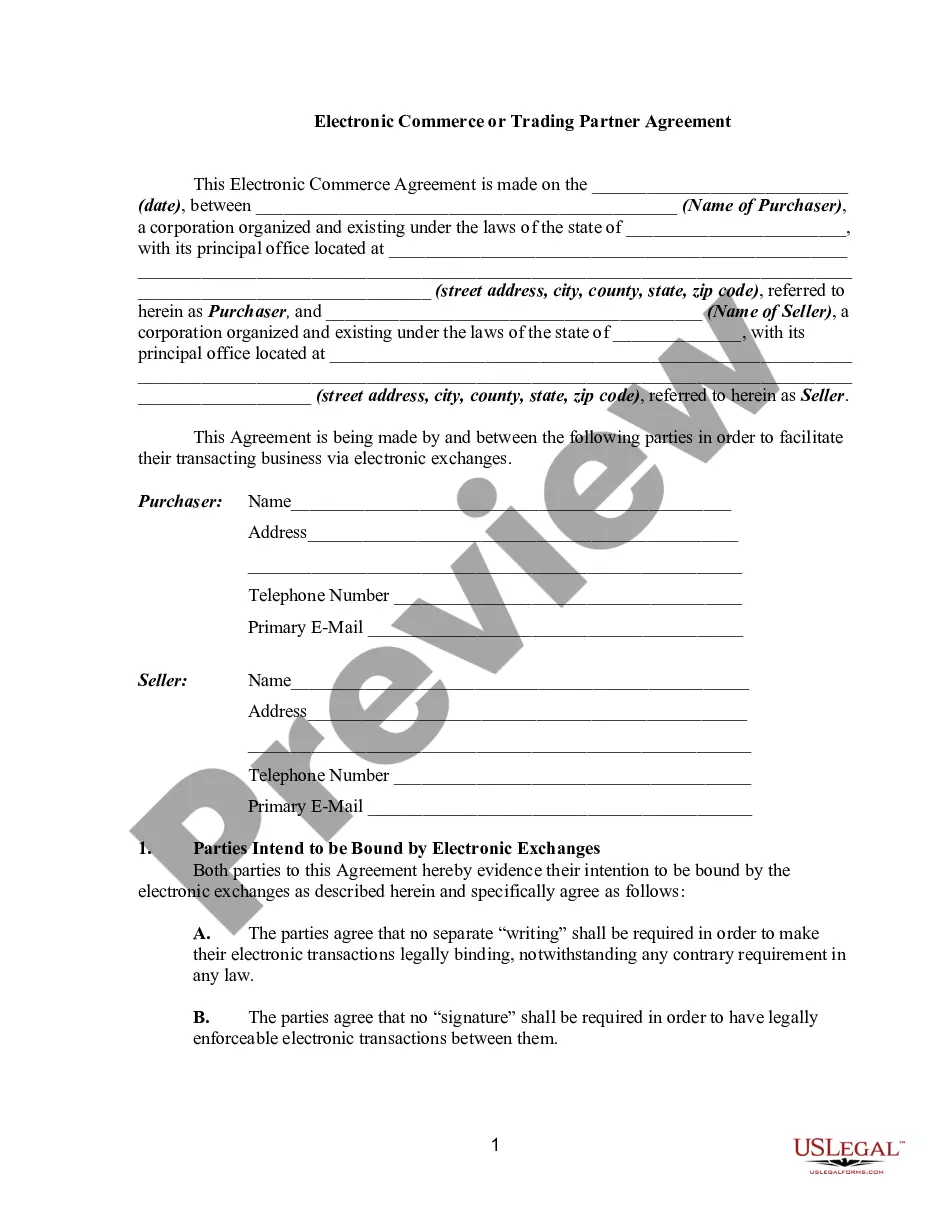
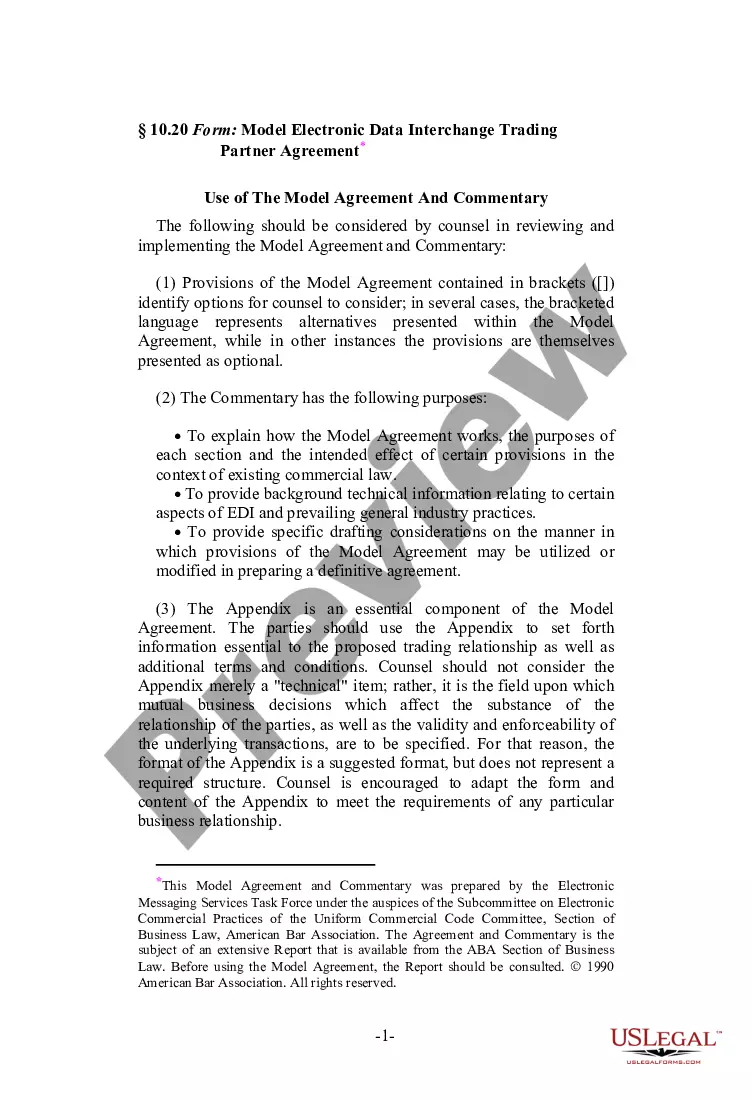
Description


Get your form ready online
Our built-in tools help you complete, sign, share, and store your documents in one place.
Make edits, fill in missing information, and update formatting in US Legal Forms—just like you would in MS Word.
Download a copy, print it, send it by email, or mail it via USPS—whatever works best for your next step.
Sign and collect signatures with our SignNow integration. Send to multiple recipients, set reminders, and more. Go Premium to unlock E-Sign.
If this form requires notarization, complete it online through a secure video call—no need to meet a notary in person or wait for an appointment.
We protect your documents and personal data by following strict security and privacy standards.

Make edits, fill in missing information, and update formatting in US Legal Forms—just like you would in MS Word.

Download a copy, print it, send it by email, or mail it via USPS—whatever works best for your next step.

Sign and collect signatures with our SignNow integration. Send to multiple recipients, set reminders, and more. Go Premium to unlock E-Sign.

If this form requires notarization, complete it online through a secure video call—no need to meet a notary in person or wait for an appointment.

We protect your documents and personal data by following strict security and privacy standards.
Looking for another form?

Form popularity
FAQ
Depending on how long you've been running your eCommerce shop and the sources of your visits, there are three different methods for forecasting: Your competitors' sales history. Your own sales history. Statistical data about the channels you should use.
What is ecommerce forecasting? Ecommerce forecasting is the process of estimating future demand for your products. And the final forecasts are typically based on historical metrics like previous sales data and real-time inventory trends like current inventory levels.
Sales forecasting is the process of estimating future revenue by predicting how much of a product or service will sell in the next week, month, quarter, or year. At its simplest, a sales forecast is a projected measure of how a market will respond to a company's go-to-market efforts.
The eCommerce sales in the United States are predicted to reach $1.22 trillion by the end of 2024. The market will keep on growing at a CAGR of 8.99% till 2029 and reach $1.88 trillion.
Key steps for an e-commerce planning process Define overall goals for e-commerce. Allocate resources to support e-commerce. Align marketing and sales strategies. Define target customers and their needs. Create a customer service plan. Invest in the right technology. Identify integration requirements.
Follow these steps to write your business plan: Write your executive summary. Start by succinctly articulating the essence of your e-commerce business. Perform market analysis. Craft your product and service descriptions. Build marketing and sales strategies.
Follow these steps to create a basic 12-month forecast: Divide your revenue for the previous year by 12 to find your monthly average sales. Compare month-by-month sales to find the average percentage increase in revenue – if any. Multiply average sale value by expected growth to find projected sales for the next month.
How is ecommerce forecasting done? Ecommerce forecasting is done by estimating future demand for your products. These forecasts are typically based on historical metrics like previous sales data and current inventory trends like stock levels.
Step 1: Research and validate your business idea. What problem or challenge are you seeking to solve? ... Step 2: Source products. Step 3: Choose an online selling channel. Step 4: List and optimize products. Step 5: Market and promote your ecommerce shop.
A perfect eCommerce business description example can be as follows: “XYZ Store is an online one-stop solution for high-quality, sustainable, and ethically sourced home essentials. Catering to a diverse clientele who values quality and sustainability, our focus is promoting eco-friendly alternatives to household items.