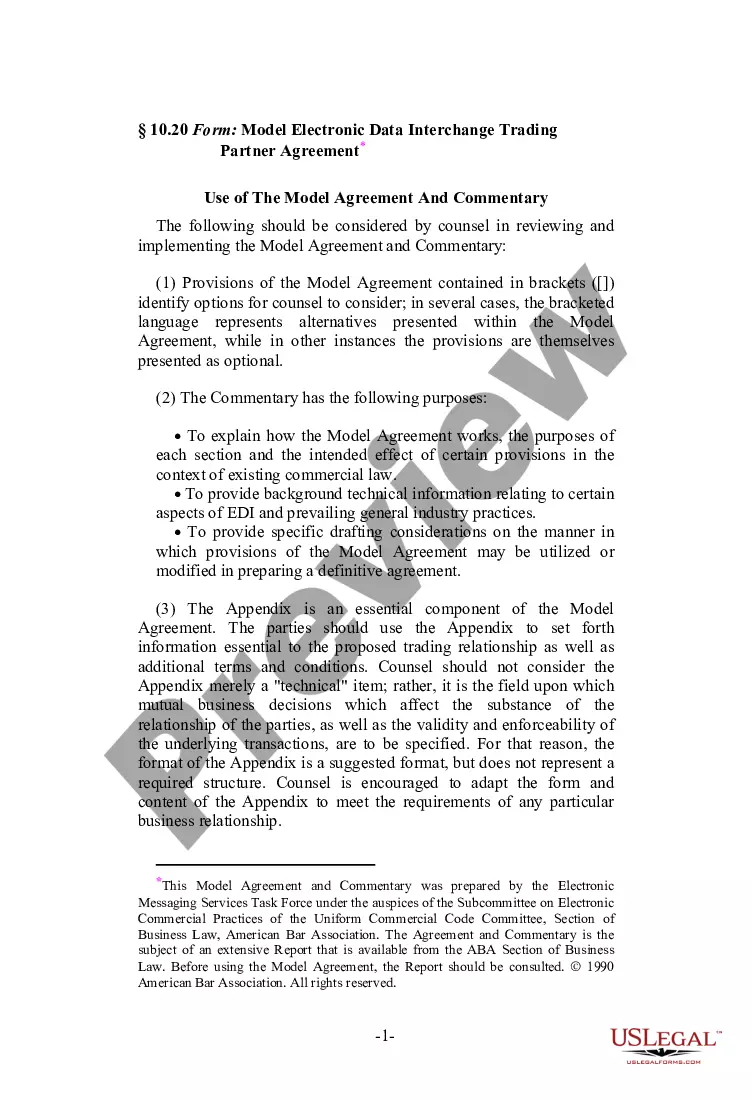
E Commerce Contract Example In Chicago
Description

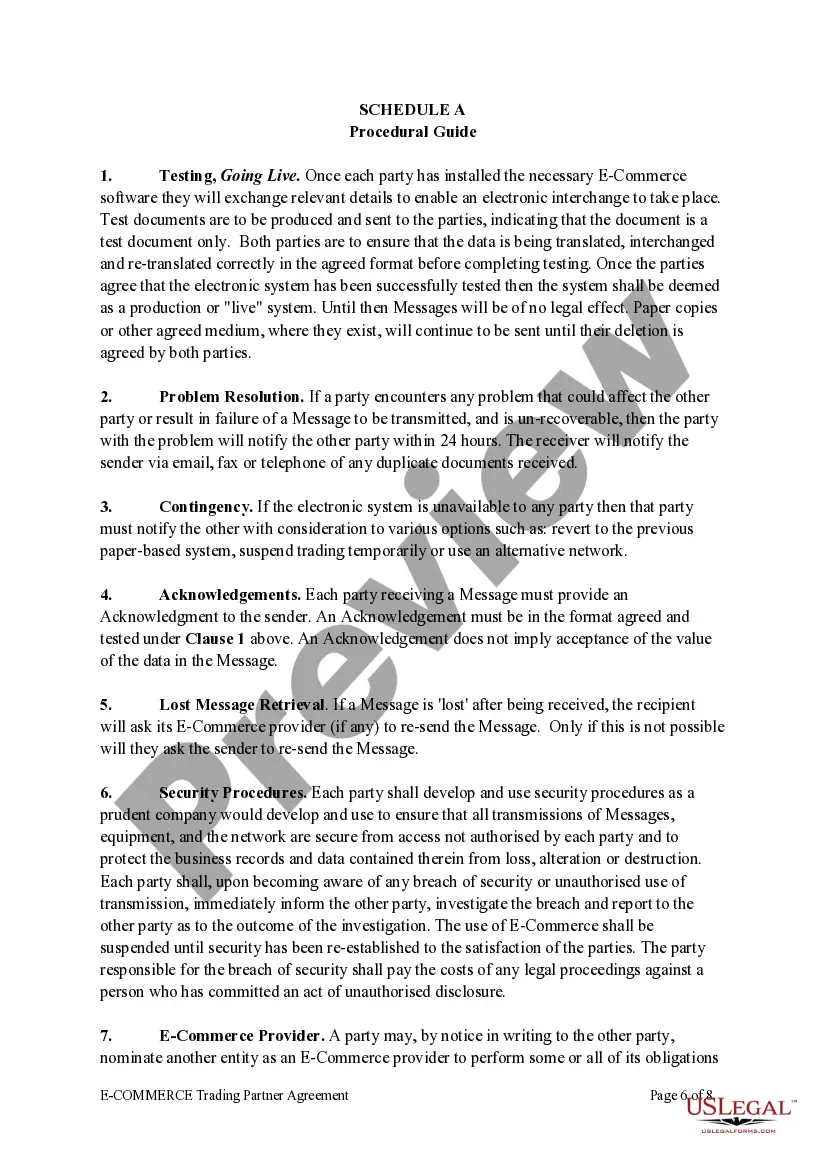
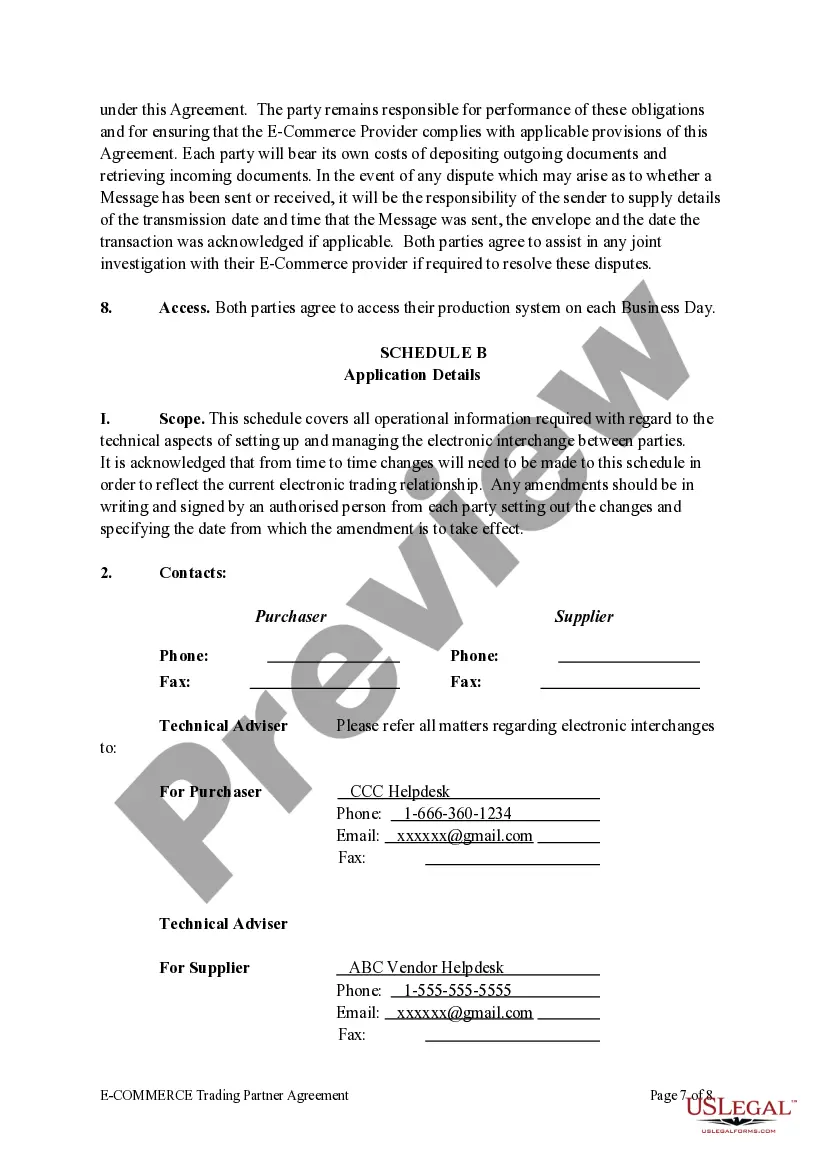

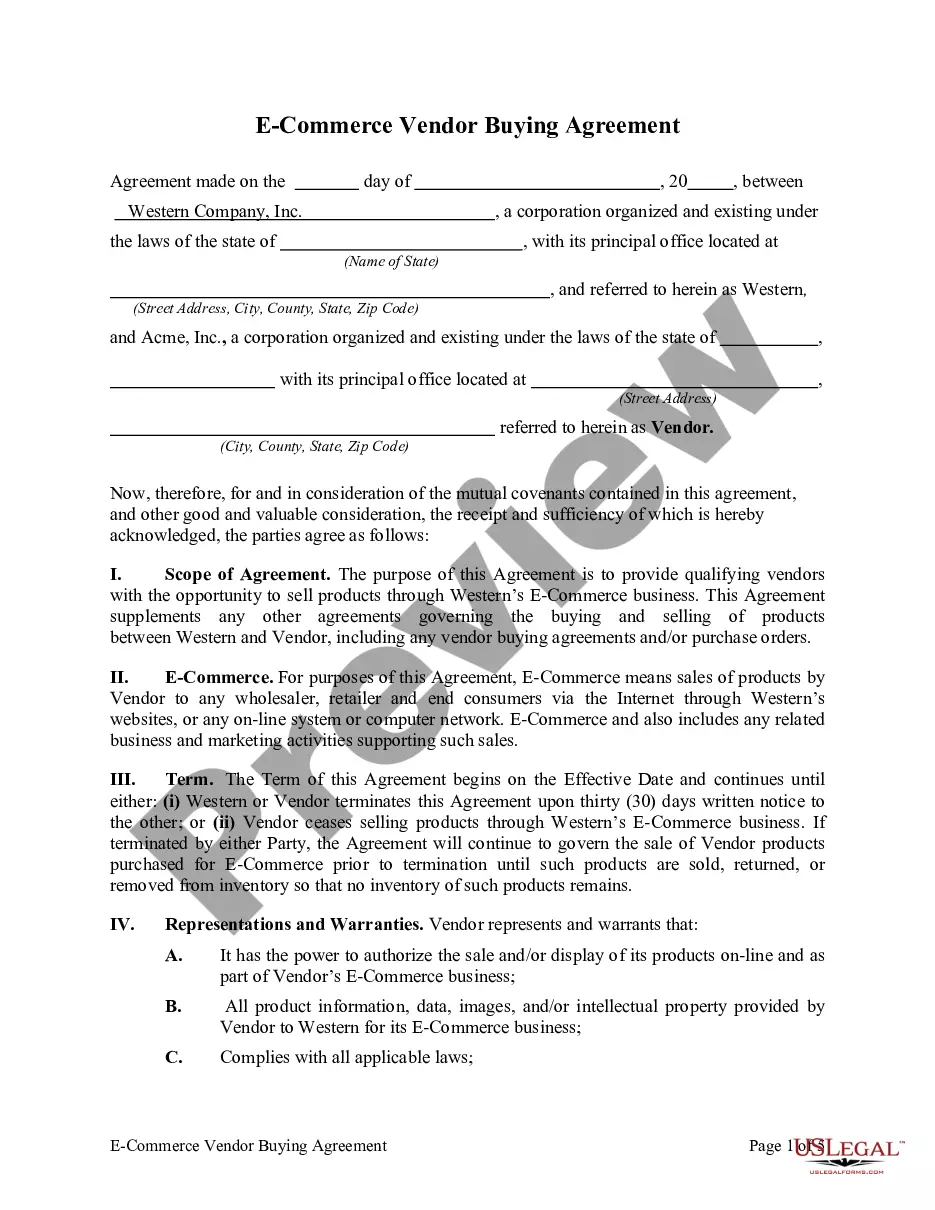
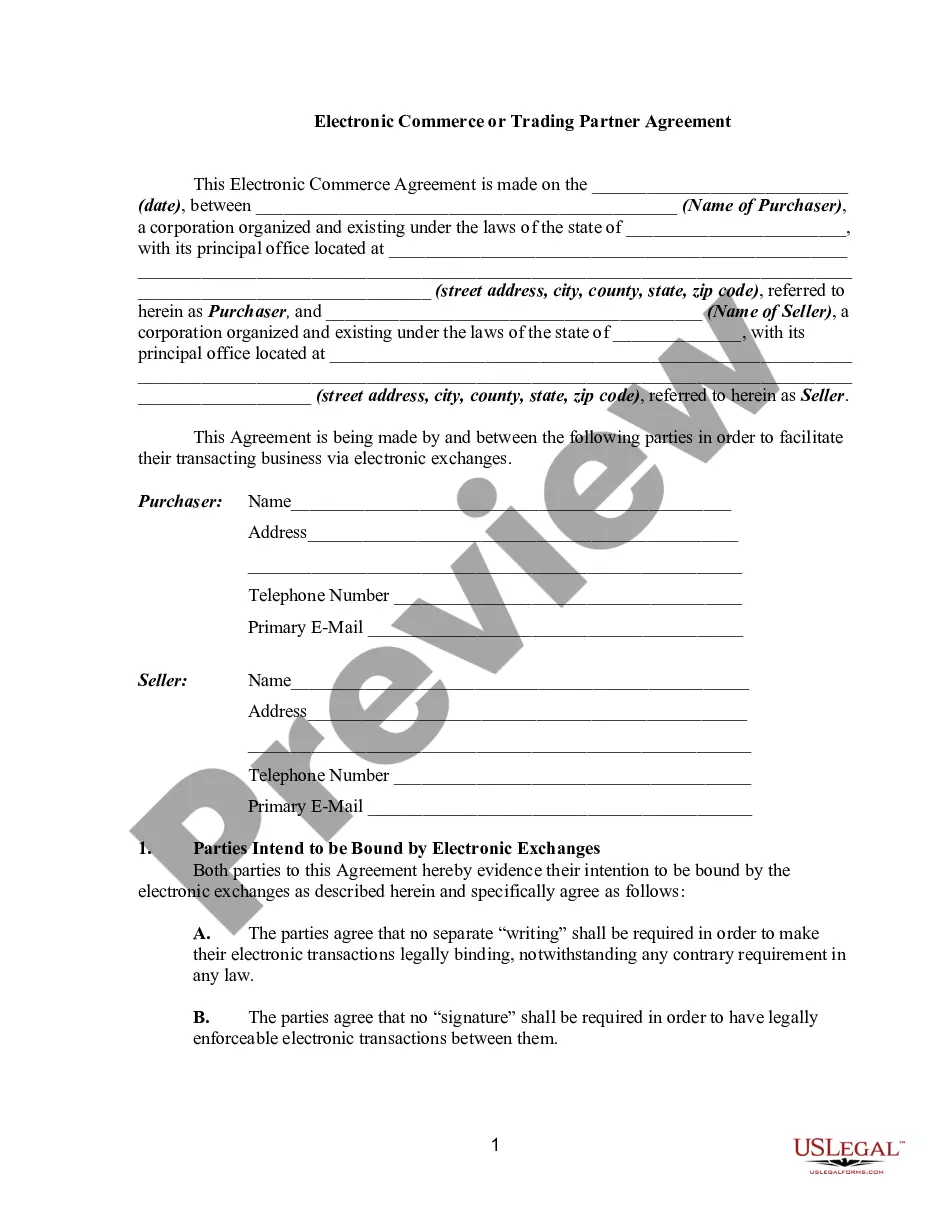
Get your form ready online
Our built-in tools help you complete, sign, share, and store your documents in one place.
Make edits, fill in missing information, and update formatting in US Legal Forms—just like you would in MS Word.
Download a copy, print it, send it by email, or mail it via USPS—whatever works best for your next step.
Sign and collect signatures with our SignNow integration. Send to multiple recipients, set reminders, and more. Go Premium to unlock E-Sign.
If this form requires notarization, complete it online through a secure video call—no need to meet a notary in person or wait for an appointment.
We protect your documents and personal data by following strict security and privacy standards.

Make edits, fill in missing information, and update formatting in US Legal Forms—just like you would in MS Word.

Download a copy, print it, send it by email, or mail it via USPS—whatever works best for your next step.

Sign and collect signatures with our SignNow integration. Send to multiple recipients, set reminders, and more. Go Premium to unlock E-Sign.

If this form requires notarization, complete it online through a secure video call—no need to meet a notary in person or wait for an appointment.

We protect your documents and personal data by following strict security and privacy standards.
Looking for another form?



Form popularity
FAQ
Traditional contracts require physical access to the document, while electronic contracts can be accessed from anywhere with an internet connection. This accessibility makes electronic contracts more adaptable to our fast-paced, interconnected world.
The term “digital contract” refers to the process of creating, managing and executing legally binding agreements using electronic means. Unlike traditional paper contracts, digital contracts exist in a virtual environment and use a range of technologies to facilitate their creation, storage, and execution.
For instance, smart contracts can automatically enforce obligations when certain conditions are met. E Contracts require basic digital technologies, like an electronic signature tool. Digital Contracts, however, rely on more advanced technologies such as blockchain or artificial intelligence.
Contracts entered through the exchange of e-mails, shrink-wrap contracts, clickwrap contracts, etc. are some of examples of electronic contracts. Electronic contracts are governed by various laws like the Indian Contract Act, 1872, Information Technology Act, 2000, and Indian Evidence Act, 1872.
Sign a contract online yourself. Click the review link and choose to sign digitally. Select signature source and select name. Sign in and apply your digital signature. Preview signature. Authenticate the signature. Send your signed document.
Yes, electronic signatures are legal in the U.S. under the ESIGN Act and UETA. They are as binding as handwritten signatures if certain conditions are met. However, some documents, like wills and court orders, may still require handwritten signatures.
Still, there is a difference between the two. A digital signature is always electronic, but an electronic signature is not always digital. A digital signature works with encryption technology using a cryptographic mechanism that provides additional security for the document and guarantees its integrity.
Write the contract in six steps Start with a contract template. Open with the basic information. Describe in detail what you have agreed to. Include a description of how the contract will be ended. Write into the contract which laws apply and how disputes will be resolved. Include space for signatures.
How to draft a contract between two parties: A step-by-step checklist Know your parties. Agree on the terms. Set clear boundaries. Spell out the consequences. Specify how you will resolve disputes. Cover confidentiality. Check the legality of the contract. Open it up to negotiation.
Following this step-by-step checklist will mean that you can write your contract with confidence: Know your parties. Agree on the terms. Set clear boundaries. Spell out the consequences. Specify how you will resolve disputes. Cover confidentiality. Check the legality of the contract. Open it up to negotiation.
