Secured Debt Shall With A Sinking Fund In Palm Beach
Description

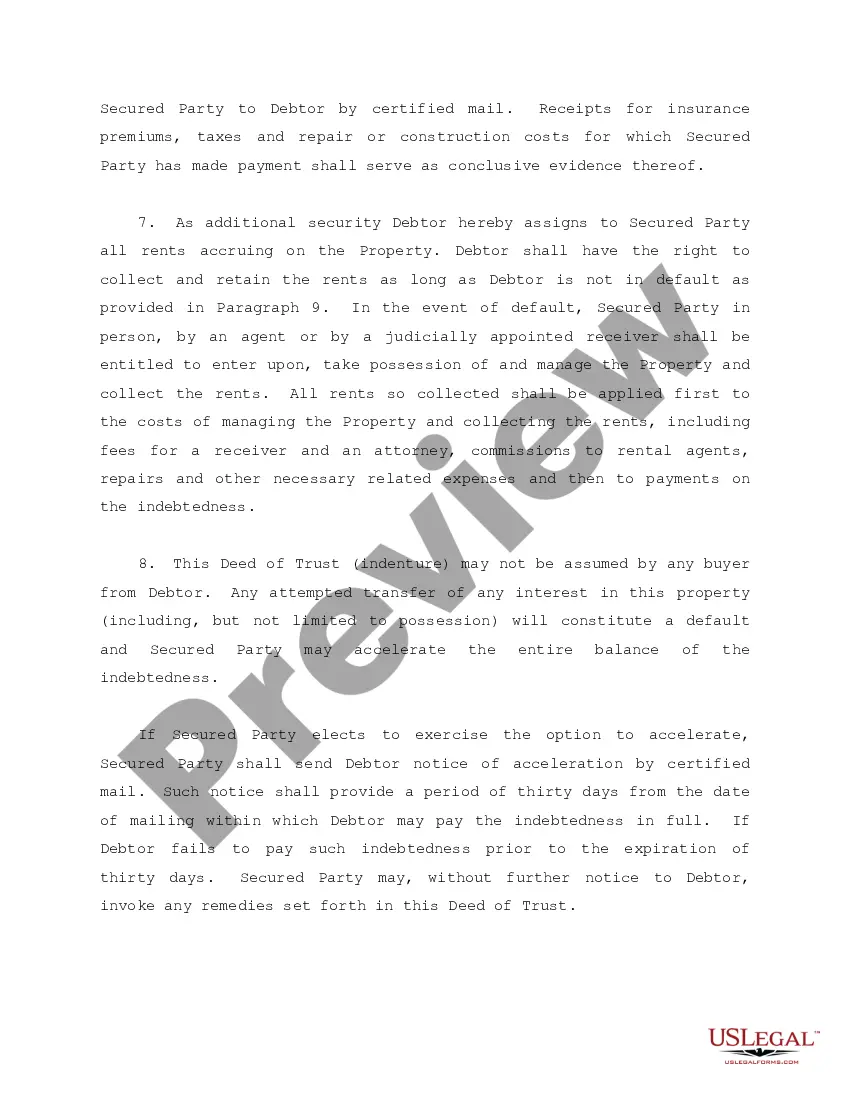
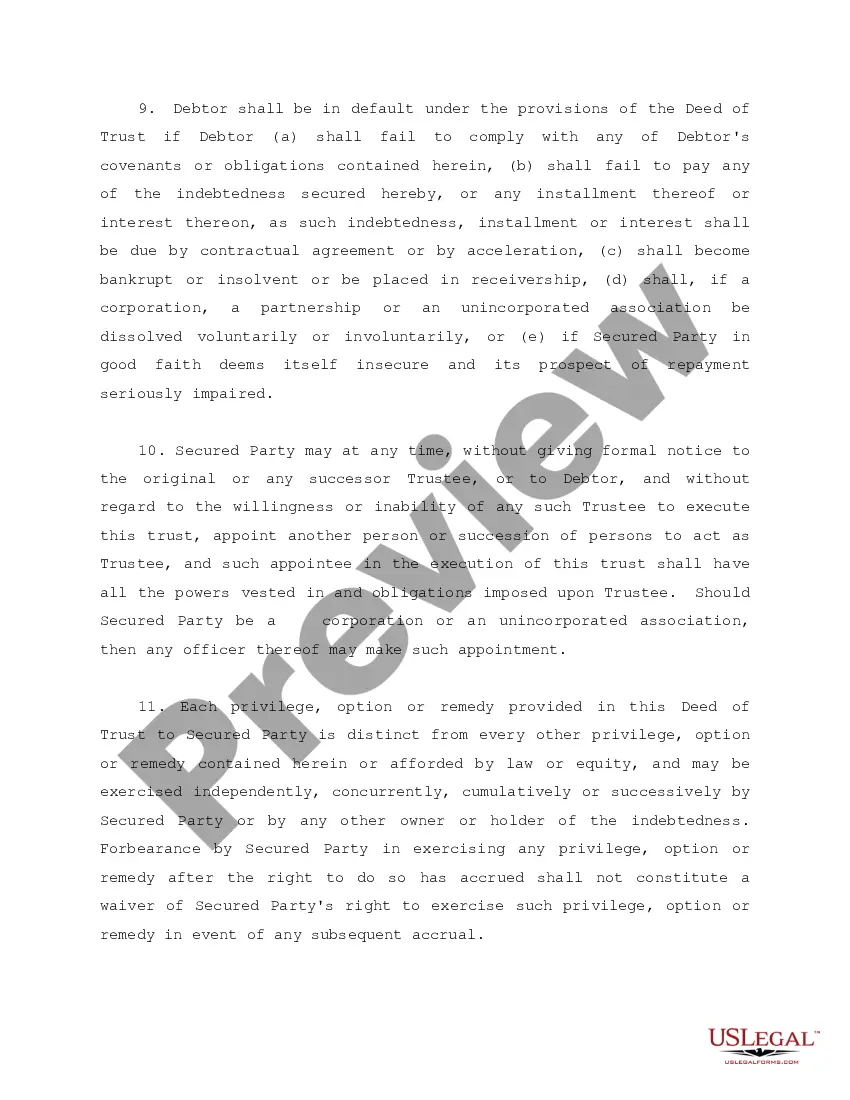
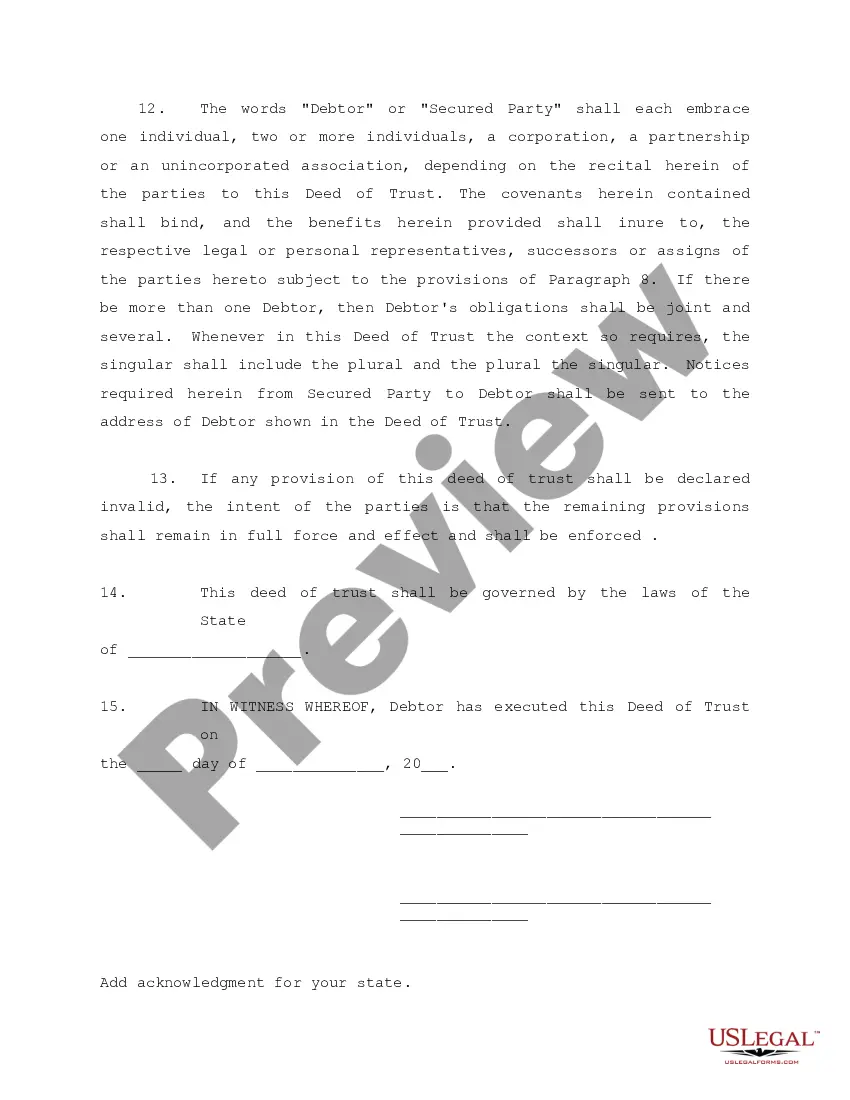
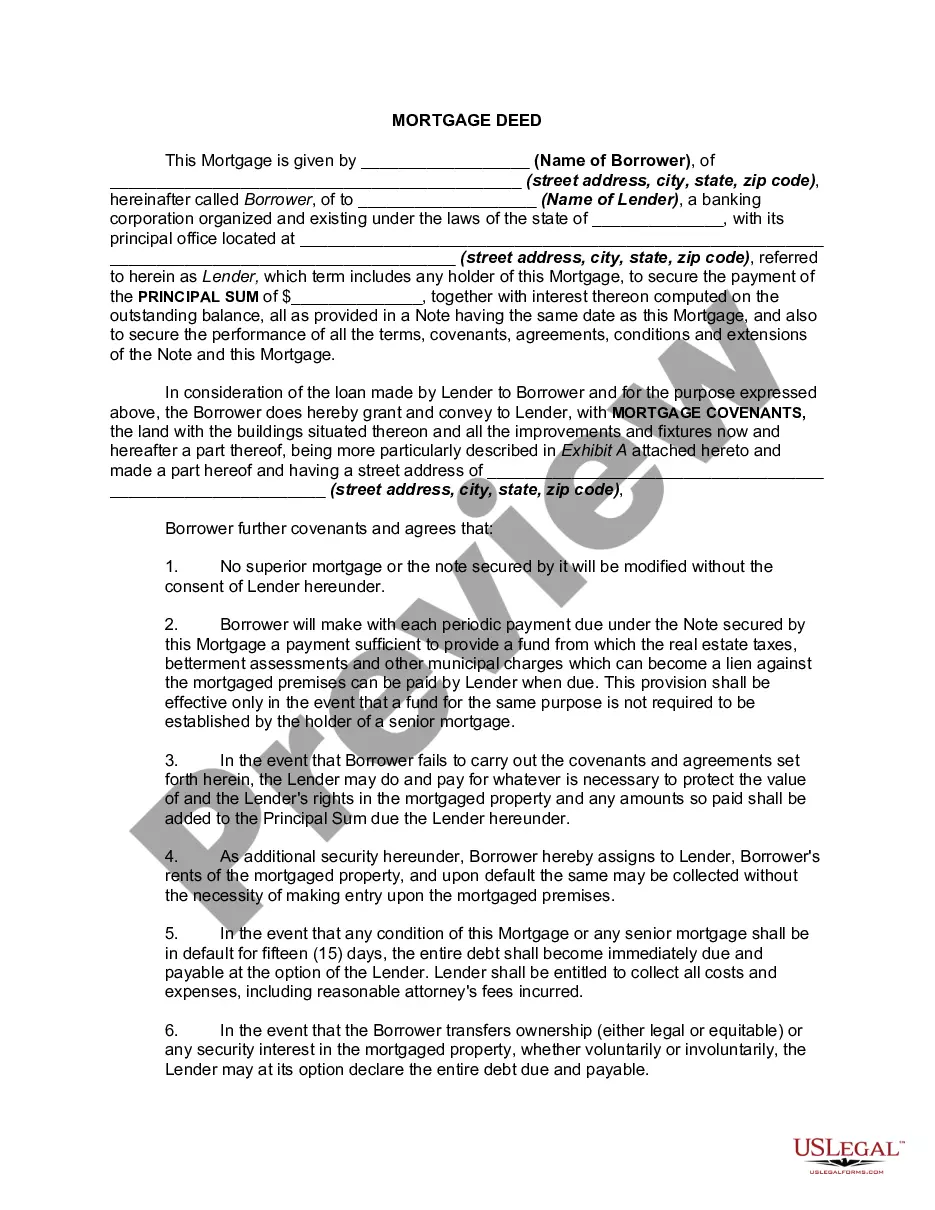

Get your form ready online
Our built-in tools help you complete, sign, share, and store your documents in one place.
Make edits, fill in missing information, and update formatting in US Legal Forms—just like you would in MS Word.
Download a copy, print it, send it by email, or mail it via USPS—whatever works best for your next step.
Sign and collect signatures with our SignNow integration. Send to multiple recipients, set reminders, and more. Go Premium to unlock E-Sign.
If this form requires notarization, complete it online through a secure video call—no need to meet a notary in person or wait for an appointment.
We protect your documents and personal data by following strict security and privacy standards.

Make edits, fill in missing information, and update formatting in US Legal Forms—just like you would in MS Word.

Download a copy, print it, send it by email, or mail it via USPS—whatever works best for your next step.

Sign and collect signatures with our SignNow integration. Send to multiple recipients, set reminders, and more. Go Premium to unlock E-Sign.

If this form requires notarization, complete it online through a secure video call—no need to meet a notary in person or wait for an appointment.

We protect your documents and personal data by following strict security and privacy standards.
Looking for another form?








Form popularity
FAQ
Sinking funds are in 'trust' for the scheme and should not be returned to lessees upon assignment, or at any time. Interest earned on funds should be added to the funds unless the lease states otherwise. If funds are held in 'trust' then a tax will be charged on the interest earned.
Example of Reporting a Sinking Fund on the Balance Sheet A corporation's bond sinking fund appears in the first noncurrent asset section of the corporation's balance sheet. This section is likely to have the heading Investments.
Sinking fund contributions are set aside for long-term expenses such as major repairs and upgrades. Strata levies cover the ongoing operational costs and regular maintenance of the strata property.
A corporation's bond sinking fund appears in the first noncurrent asset section of the corporation's balance sheet. This section is likely to have the heading Investments.
CDD's are local special-purpose units of government that can enter into contracts, own property, adopt laws, rules and regulations, and can sue and be sued.
Yes, in certain circumstances. You may be able to sue a dissolved corporation or a dissolved limited liability company for a period of time after dissolution, especially if it failed to wind up its business and dissolve properly.