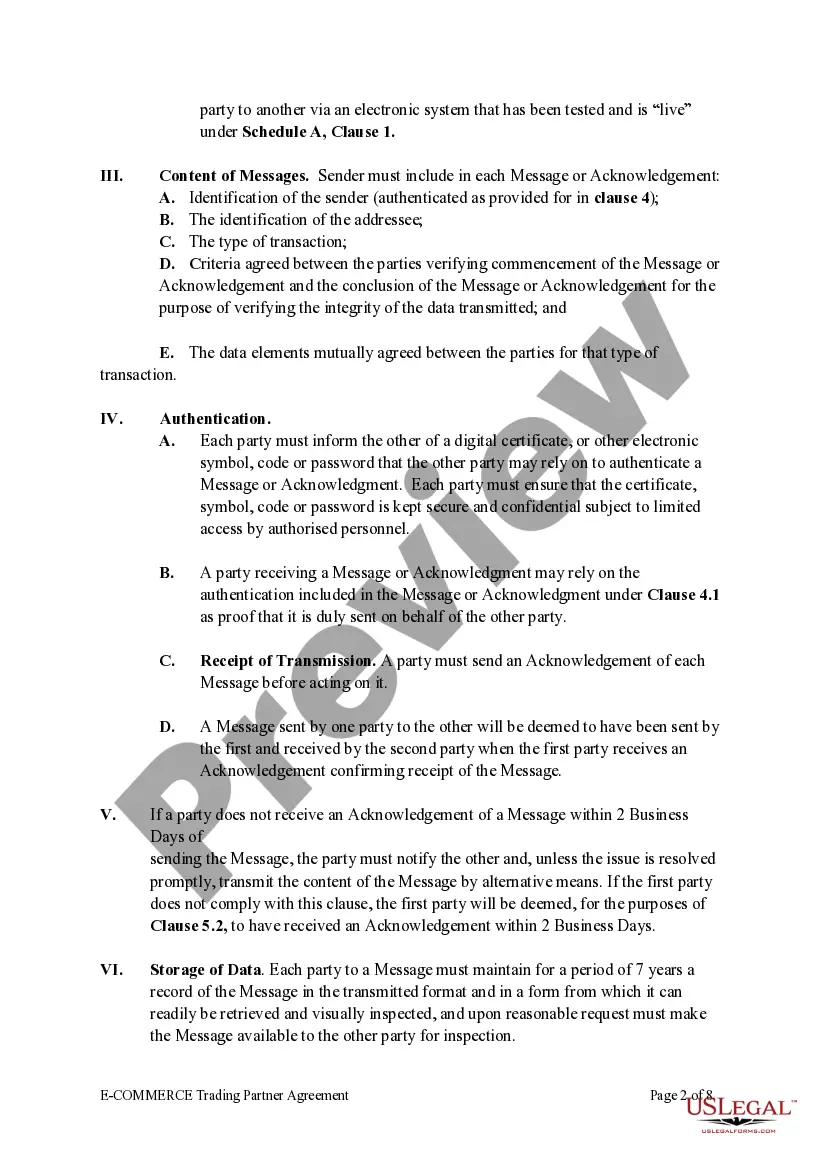
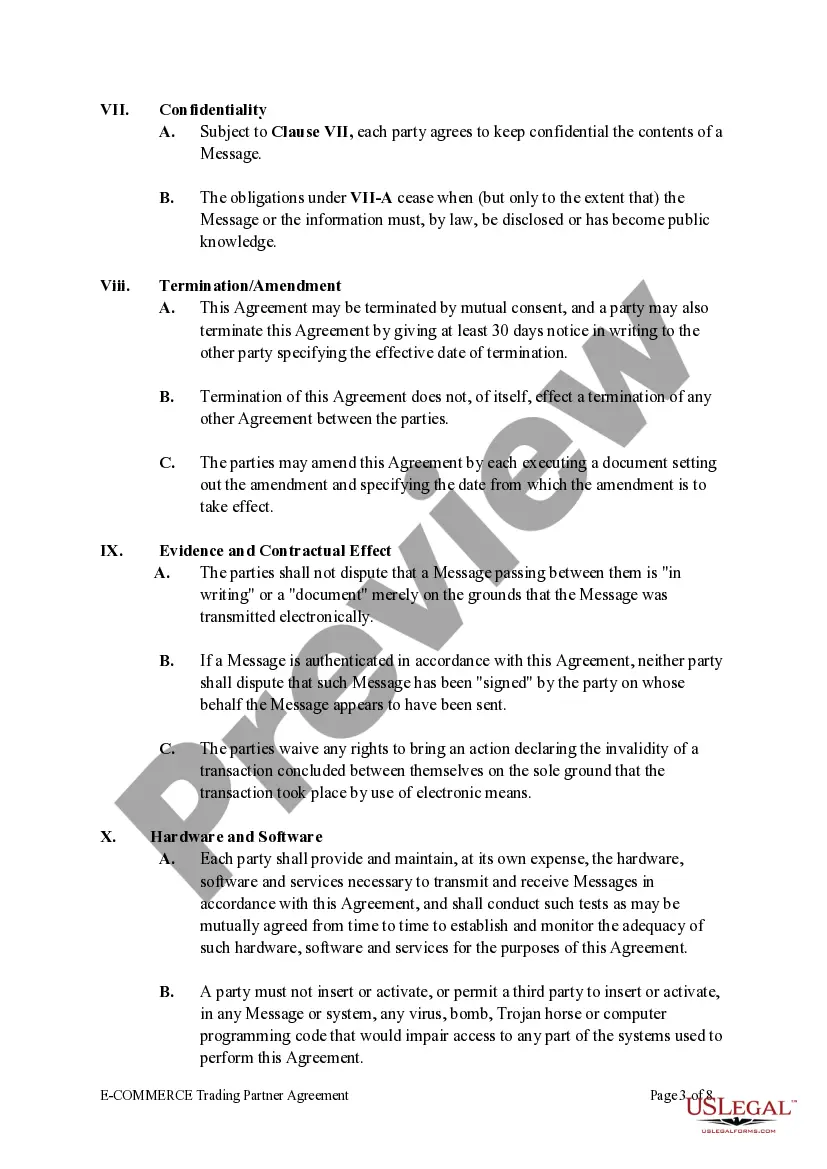
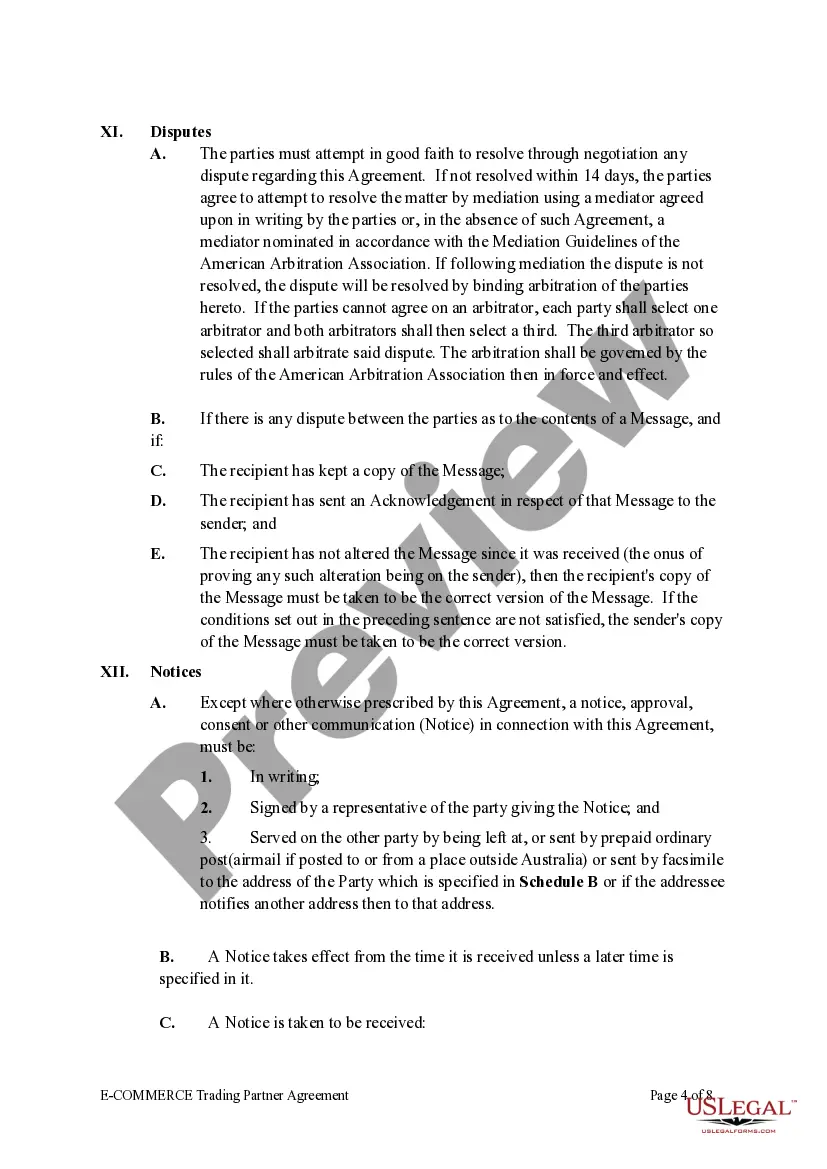
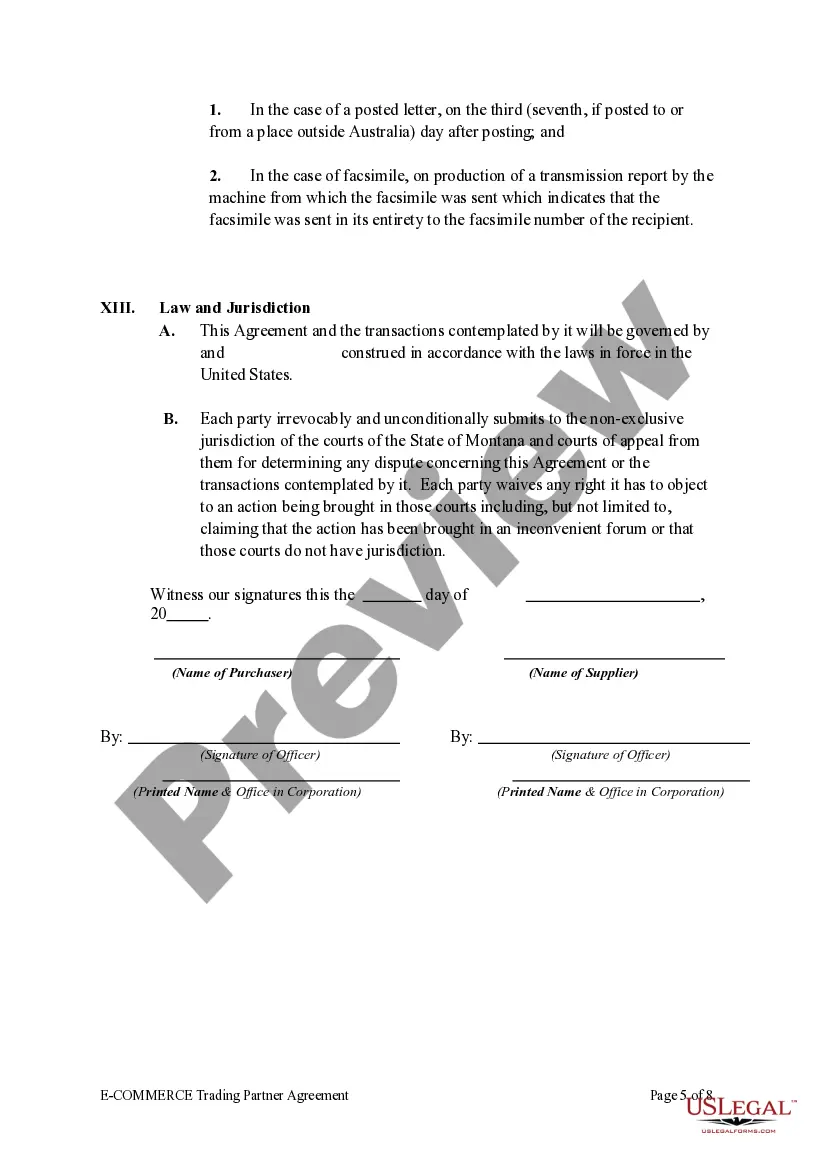
E Commerce Agreement For Students In California
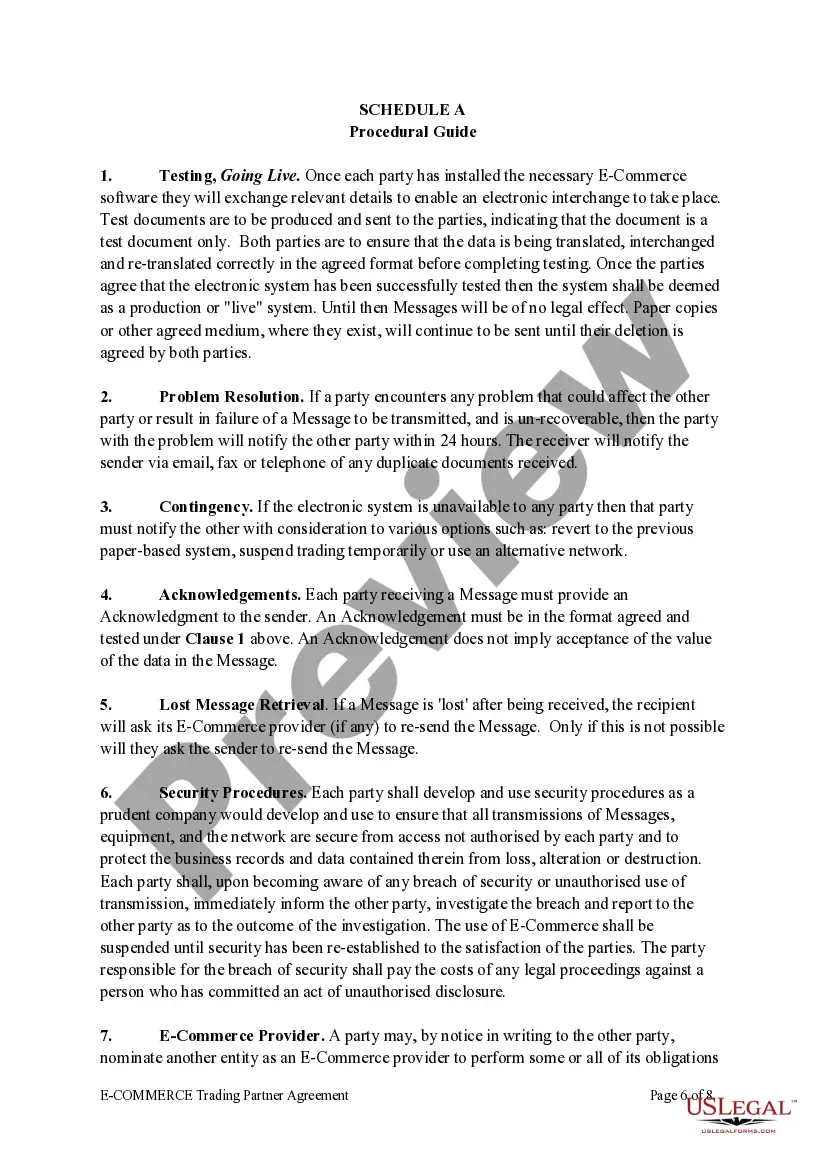
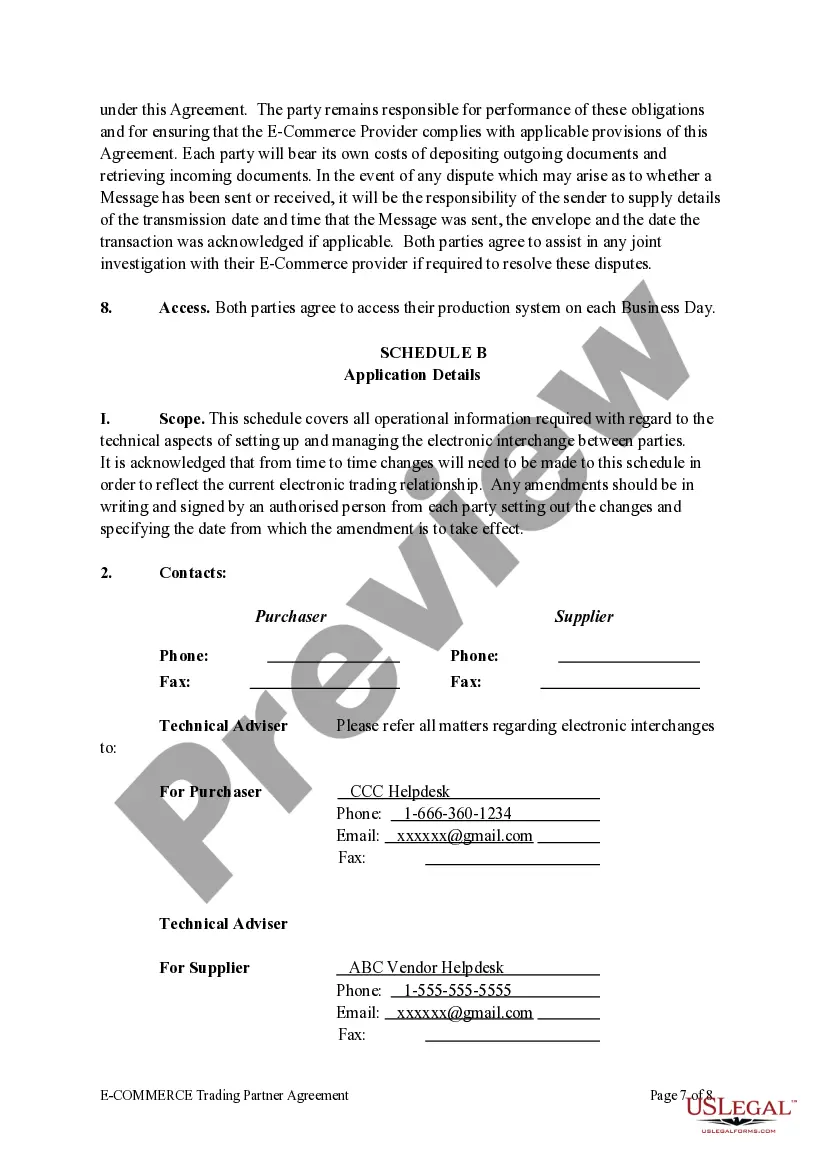
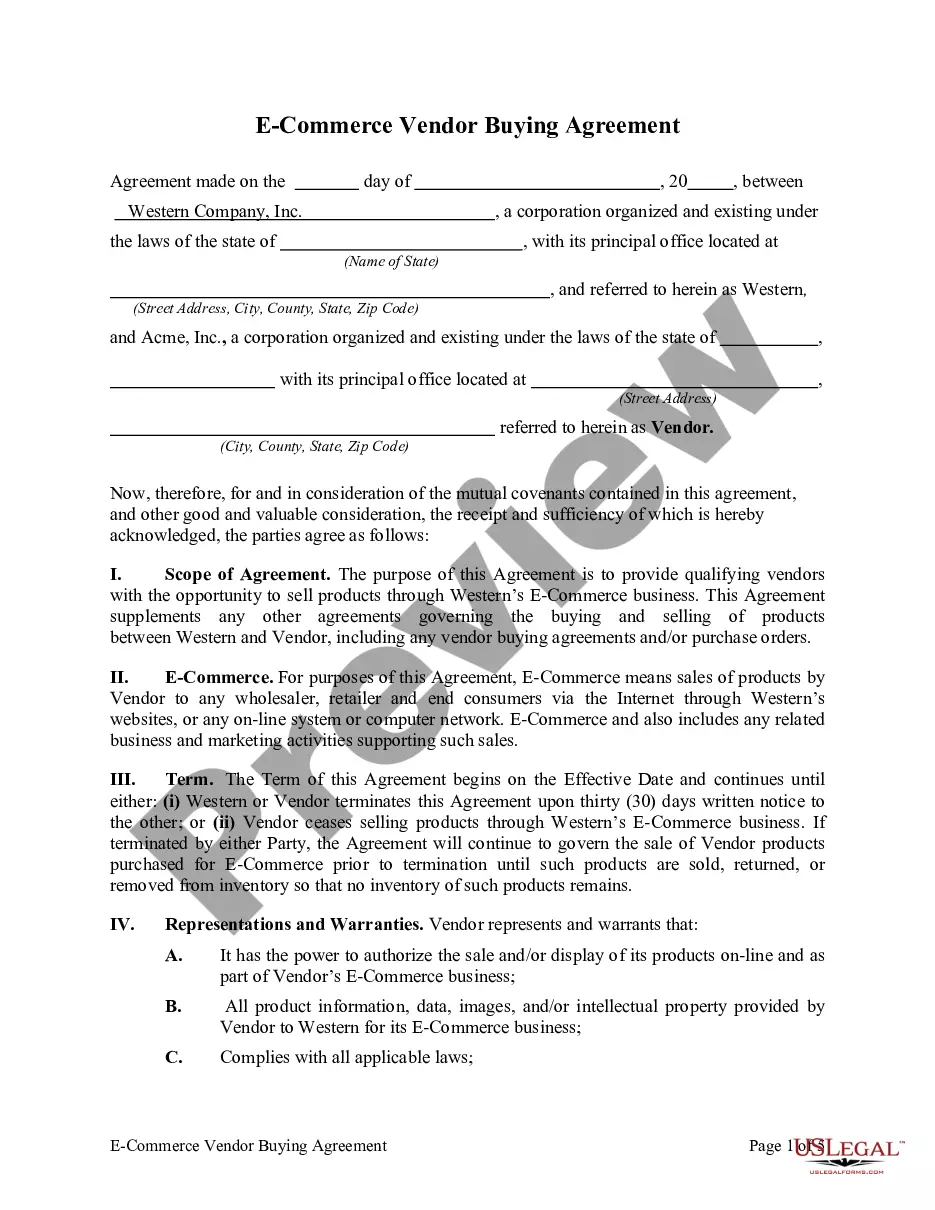
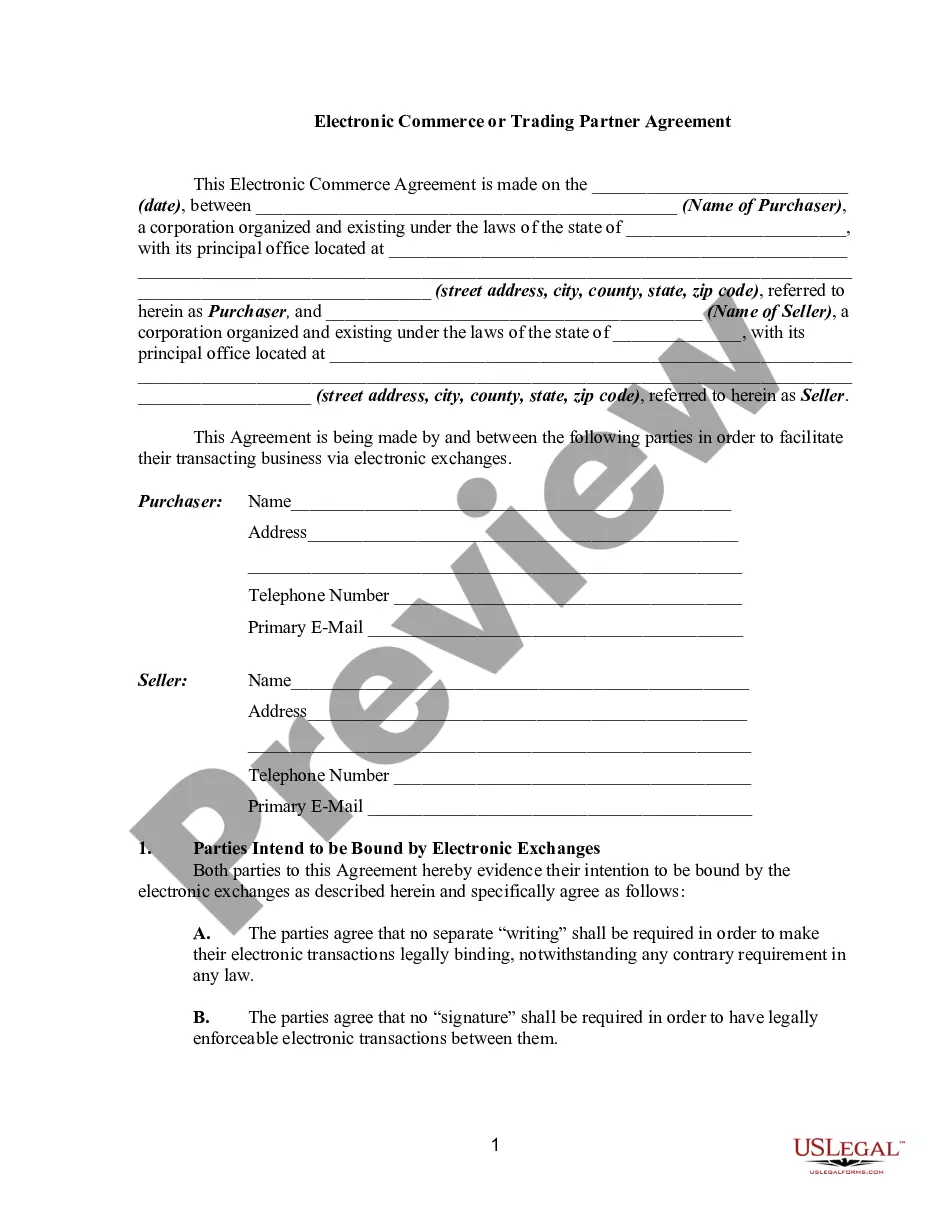
Description



Get your form ready online
Our built-in tools help you complete, sign, share, and store your documents in one place.
Make edits, fill in missing information, and update formatting in US Legal Forms—just like you would in MS Word.
Download a copy, print it, send it by email, or mail it via USPS—whatever works best for your next step.
Sign and collect signatures with our SignNow integration. Send to multiple recipients, set reminders, and more. Go Premium to unlock E-Sign.
If this form requires notarization, complete it online through a secure video call—no need to meet a notary in person or wait for an appointment.
We protect your documents and personal data by following strict security and privacy standards.

Make edits, fill in missing information, and update formatting in US Legal Forms—just like you would in MS Word.

Download a copy, print it, send it by email, or mail it via USPS—whatever works best for your next step.

Sign and collect signatures with our SignNow integration. Send to multiple recipients, set reminders, and more. Go Premium to unlock E-Sign.

If this form requires notarization, complete it online through a secure video call—no need to meet a notary in person or wait for an appointment.

We protect your documents and personal data by following strict security and privacy standards.
Looking for another form?







Form popularity
FAQ
To submit Form SI-100, you may file it online at the California Secretary of State's website or mail it to the Statement of Information Unit at P.O. Box 944230, Sacramento, CA 94244-2300. For in-person submissions, visit the Sacramento office located at 1500 11th Street, Sacramento, CA 95814.
A Statement of Information must be filed either every year for California stock, cooperative, credit union, and all qualified out-of-state corporations or every two years (only in odd years or only in even years based on year of initial registration) for California nonprofit corporations and all California and ...
The base statewide sales and use tax rate is currently 7.25 percent. However, total sales and use tax rates are higher in areas where district taxes are imposed. In these areas, the total tax rate includes the statewide tax rate plus applicable district taxes.
The periodic filing is due every two years based on the entity's registration date. If the registration occurred in an even- numbered year, the periodic filing is due every even year. If the registration occurred in an odd- numbered year, the periodic filing is due every odd year.
A Statement of Information must be filed either every year for California stock, cooperative, credit union, and all qualified out-of-state corporations or every two years (only in odd years or only in even years based on year of initial registration) for California nonprofit corporations and all California and ...
In California, the annual filing (Statement of Information) is not due on a specific date. Rather, it must be filed every two-years during a six-month”filing window”, which is based on the month the LLC was formed. If the LLC was formed in an even year, the form is due every even year.
Failure to file the required Statement of Information with the Secretary of State as outlined in statute may result in penalties being assessed by the Franchise Tax Board and suspension or forfeiture.
Starting an Online Business in California Prepare your online business idea and plan. Choose your online business name and buy domain. Register your online business with CA SOS. Obtain all necessary licenses and permits. Get EIN and File your taxes. Open bank account. Comply with taxes and other regulatory requirements.
The Associated Press (AP) Stylebook, a trusted grammar reference, leans towards 'e-commerce', holding onto the hyphen as a symbol of its etymological roots: “AP uses hyphenated e- for generic terms such as e-commerce and e-strategies. One exception: email (no hyphen, which reflects majority of usage).
Follow these steps to write your business plan: Write your executive summary. Start by succinctly articulating the essence of your e-commerce business. Perform market analysis. Craft your product and service descriptions. Build marketing and sales strategies.
