Bond With Indenture In Cuyahoga
Description

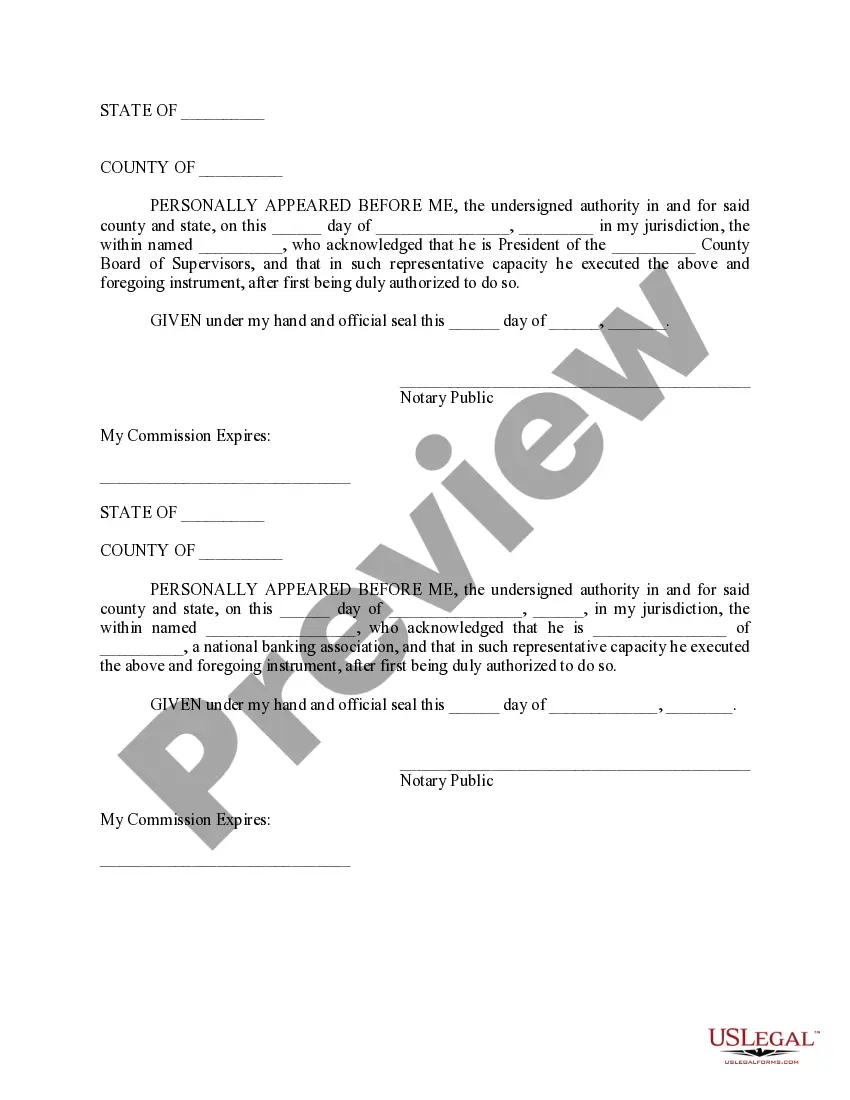
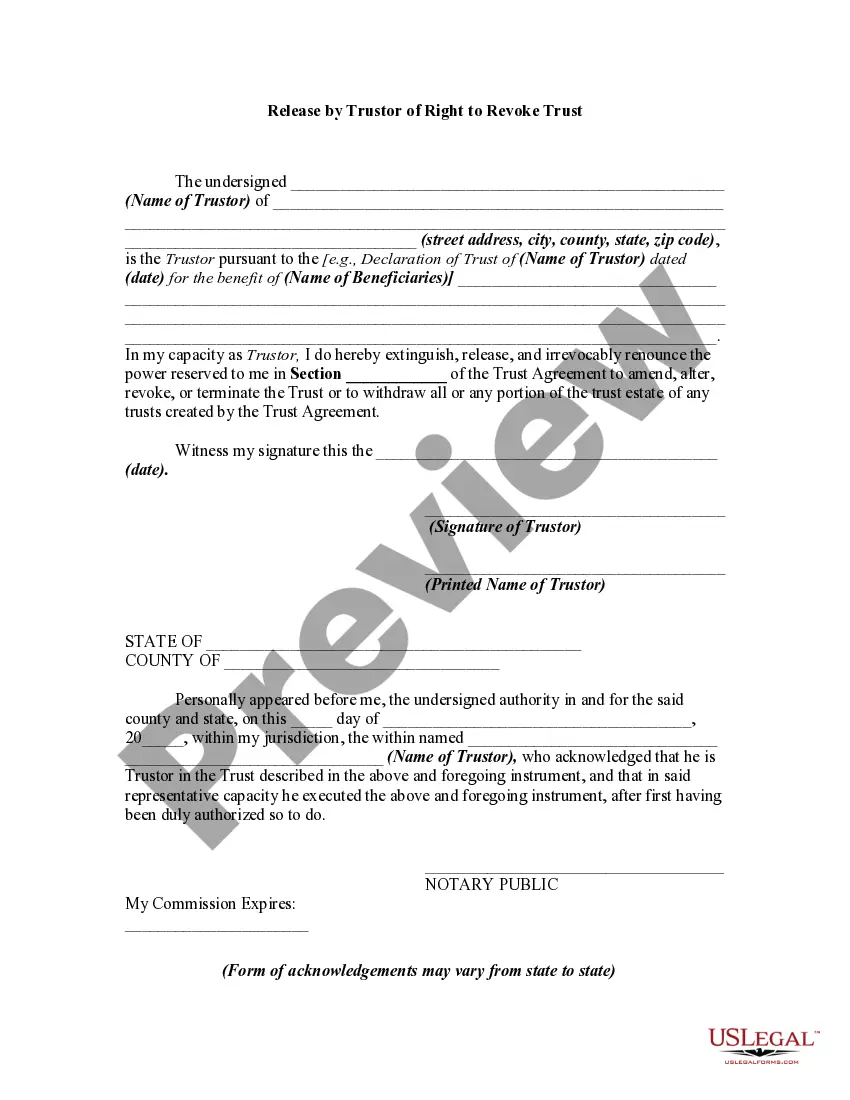
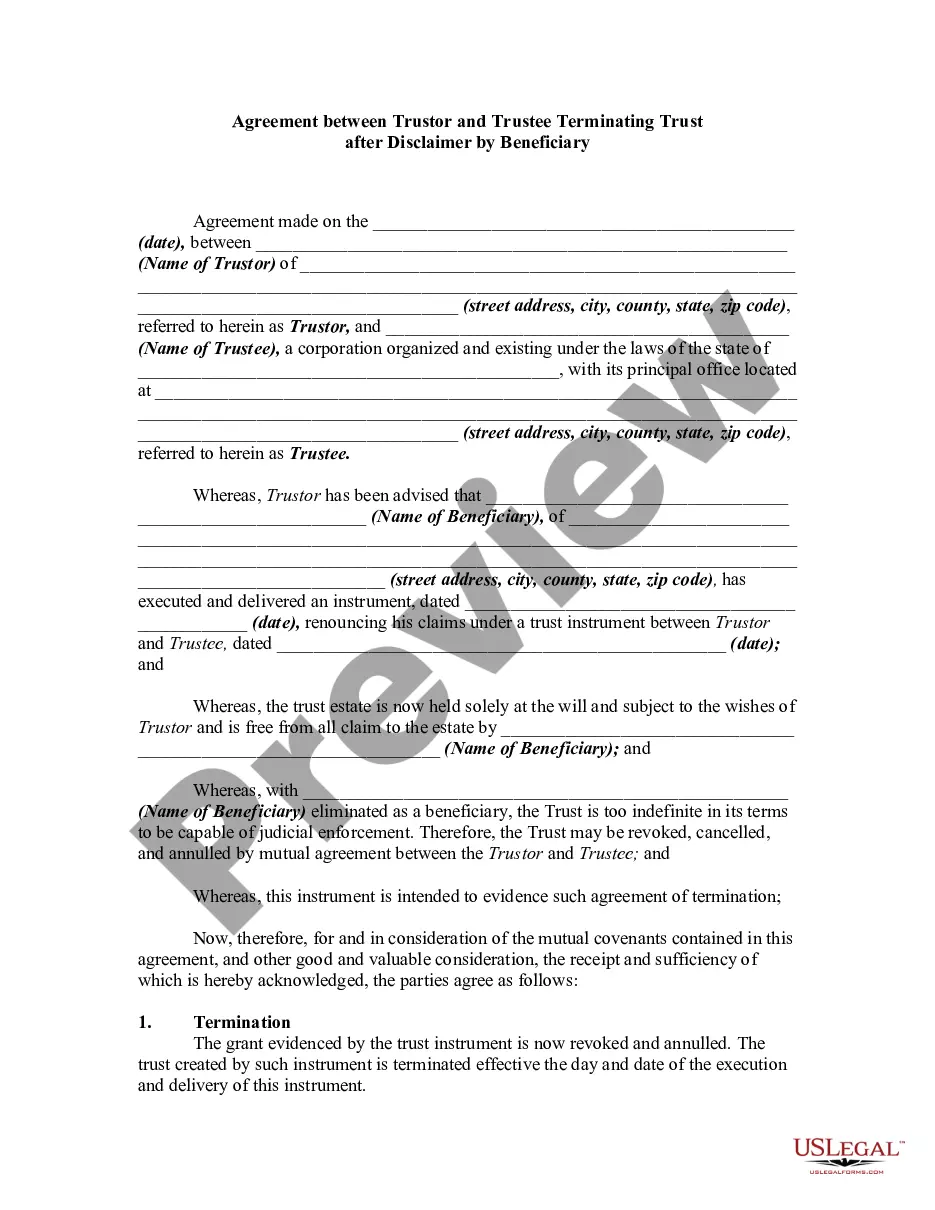
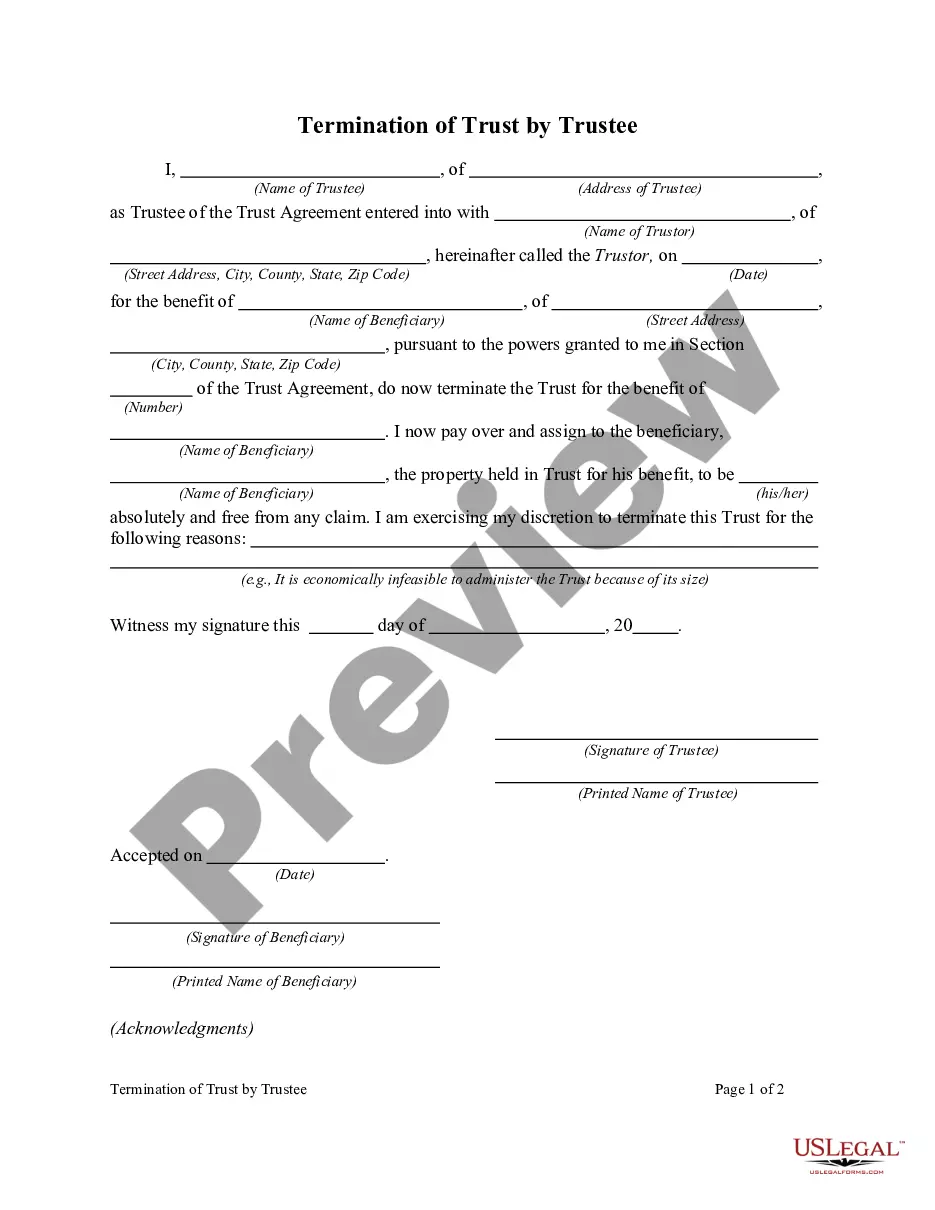
Get your form ready online
Our built-in tools help you complete, sign, share, and store your documents in one place.
Make edits, fill in missing information, and update formatting in US Legal Forms—just like you would in MS Word.
Download a copy, print it, send it by email, or mail it via USPS—whatever works best for your next step.
Sign and collect signatures with our SignNow integration. Send to multiple recipients, set reminders, and more. Go Premium to unlock E-Sign.
If this form requires notarization, complete it online through a secure video call—no need to meet a notary in person or wait for an appointment.
We protect your documents and personal data by following strict security and privacy standards.

Make edits, fill in missing information, and update formatting in US Legal Forms—just like you would in MS Word.

Download a copy, print it, send it by email, or mail it via USPS—whatever works best for your next step.

Sign and collect signatures with our SignNow integration. Send to multiple recipients, set reminders, and more. Go Premium to unlock E-Sign.

If this form requires notarization, complete it online through a secure video call—no need to meet a notary in person or wait for an appointment.

We protect your documents and personal data by following strict security and privacy standards.
Looking for another form?



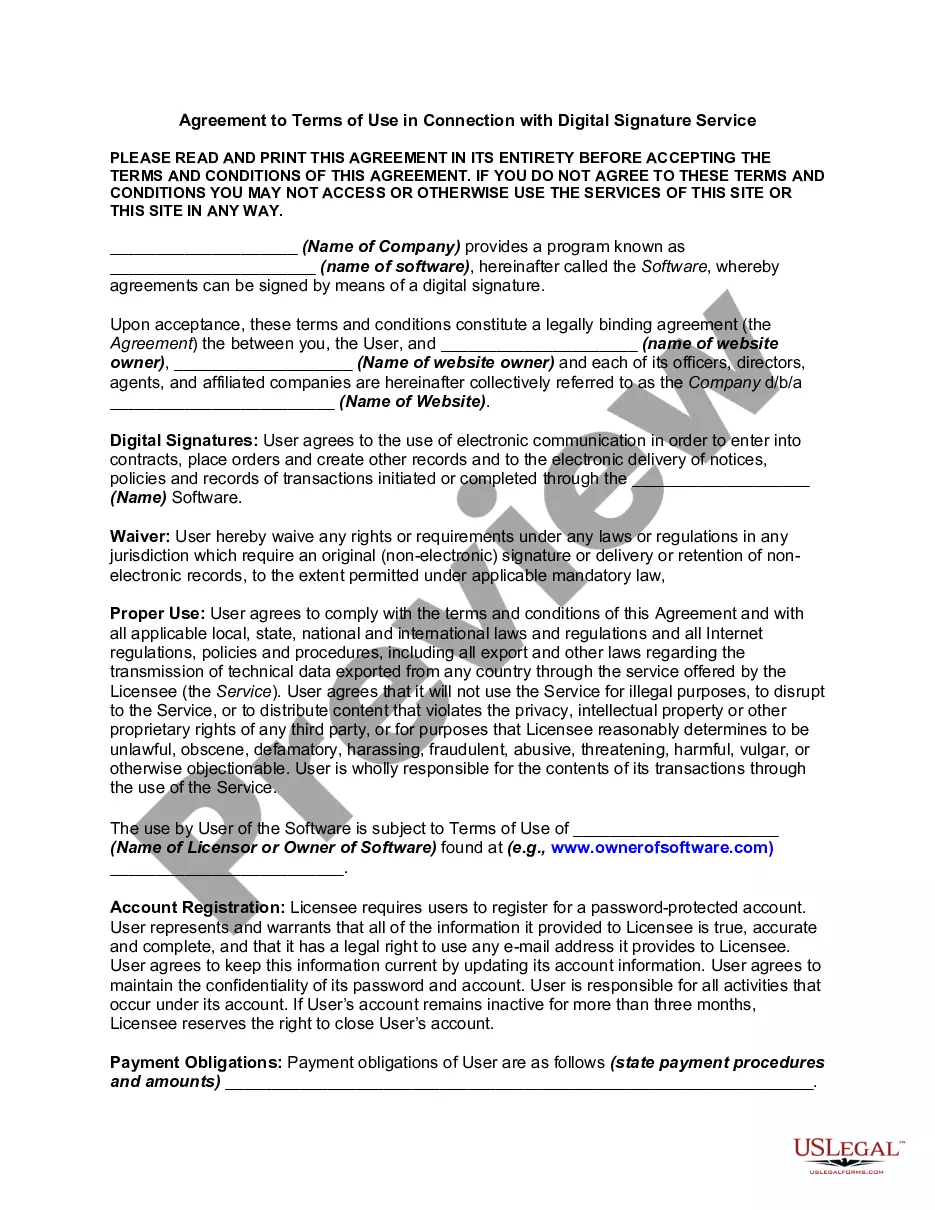
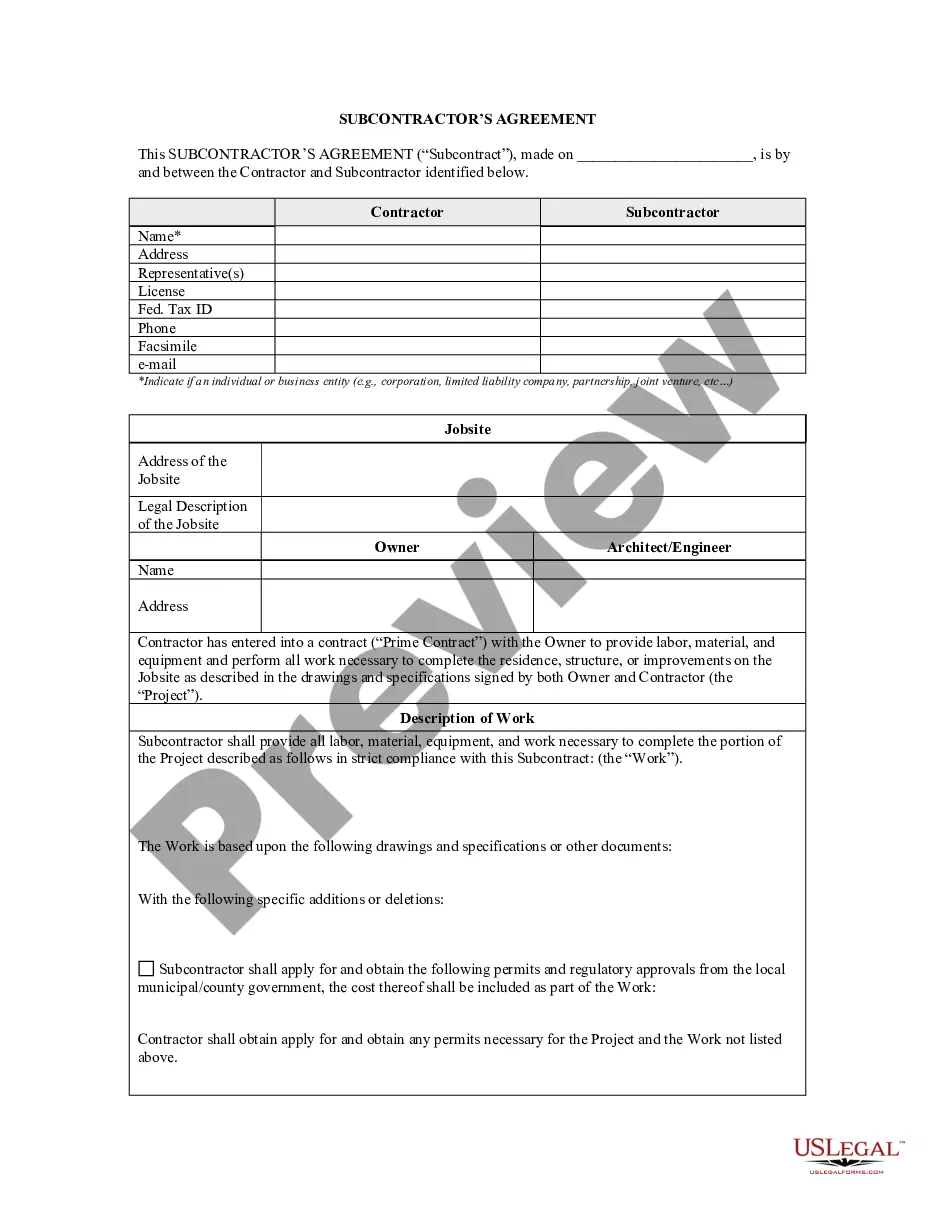
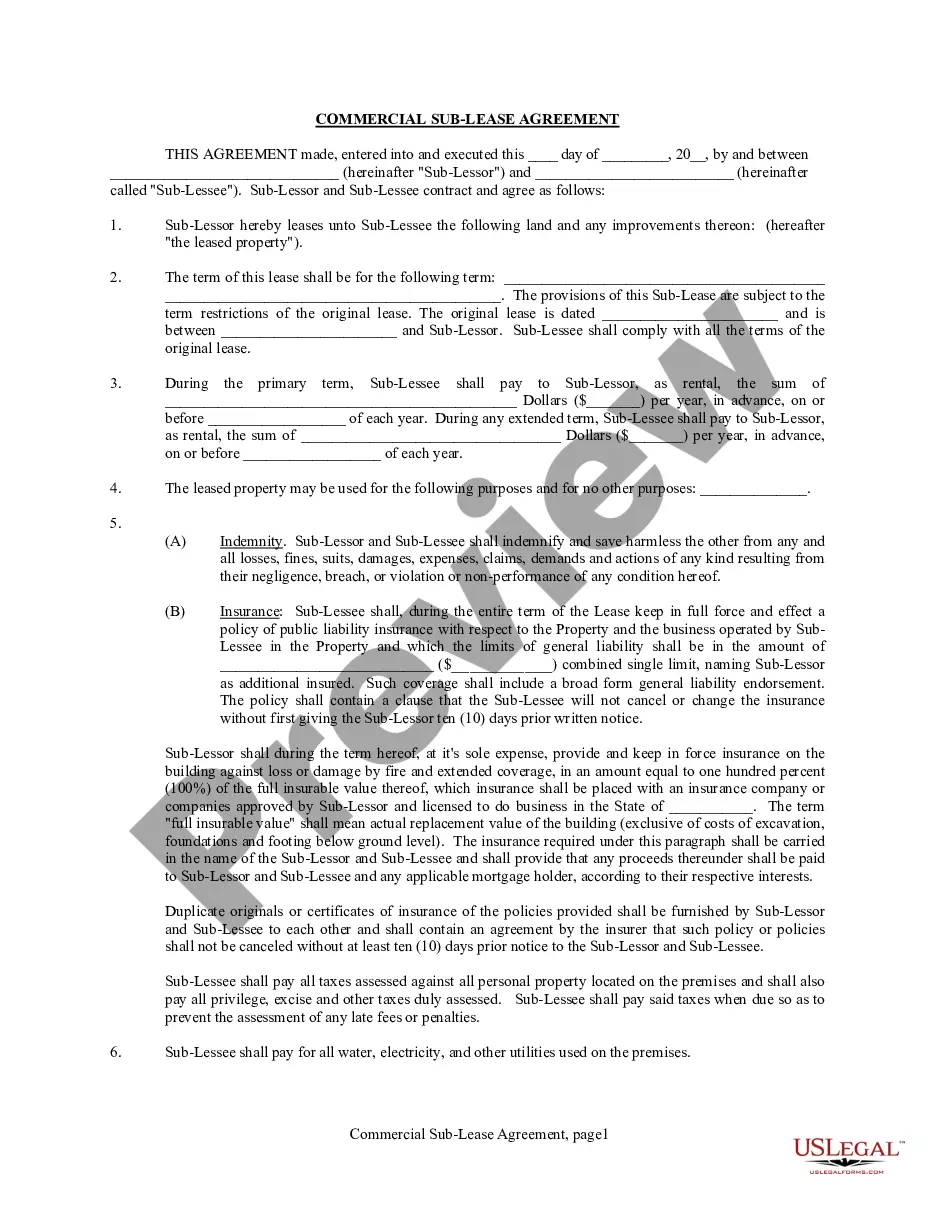
Form popularity
FAQ
The terms of the Indenture are tailored to reflect the specific type of transaction and issuer. Like credit agreements,1 an Indenture contains lending and repayment terms. In contrast to credit agreements, however, the lender is not a party to an Indenture.
A bond agreement is a legal contract between an issuer and the holder of a bond. The issuer agrees to repay the principal, usually at maturity, plus interest on time at a specified rate. Bonds are issued by governments or corporations in order to raise capital for projects that they need funding for.
Most bonds are issued pursuant to a Trust Indenture. In certain instances, bonds are issued pursuant to a Resolution of the issuer. Unless otherwise stated, the term Indenture, as used in this chapter, includes the Resolution. The Indenture is a contract between the issuer and the bond trustee.
In general a defendant may post 10% of the bond that was set unless the Judge's order says "No Percent." For example, if the Judge orders a $5,000 bond then $500 must be posted.
A Property Bond is when a defendant or another person puts up property for a bond. The property must be titled in the name of the defendant or the person posting on the defendant's behalf. The property must be located in Lucas County, Ohio. The property must be titled in the name of an individual or individuals.
On November 8, 2022, Ohio voters approved an amendment to Article I, Section 9 of the Ohio Constitution to eliminate the requirement that the amount and conditions of bail be Page 3 Office of Research and Drafting LSC Legislative Budget Office Page | 3 H.B. 191 Final Analysis established pursuant to Article IV, Section ...
Bail orders only last until the case ends. Ohio bail bonds are agreements other people enter into with the court to get you out of jail. Therefore, a bond is like an insurance policy to make sure you go to court when you have to, as well as abide by the terms of your release.
