Escrow Seller Does For Seller In Travis
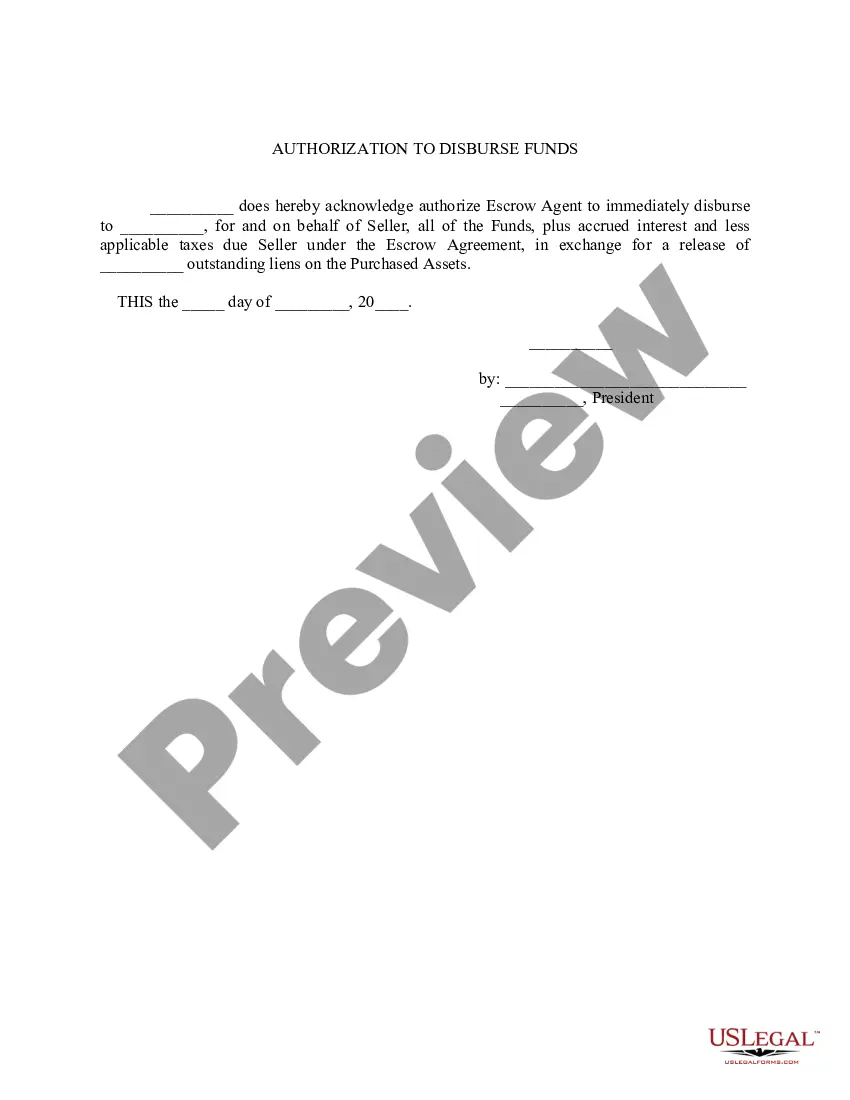
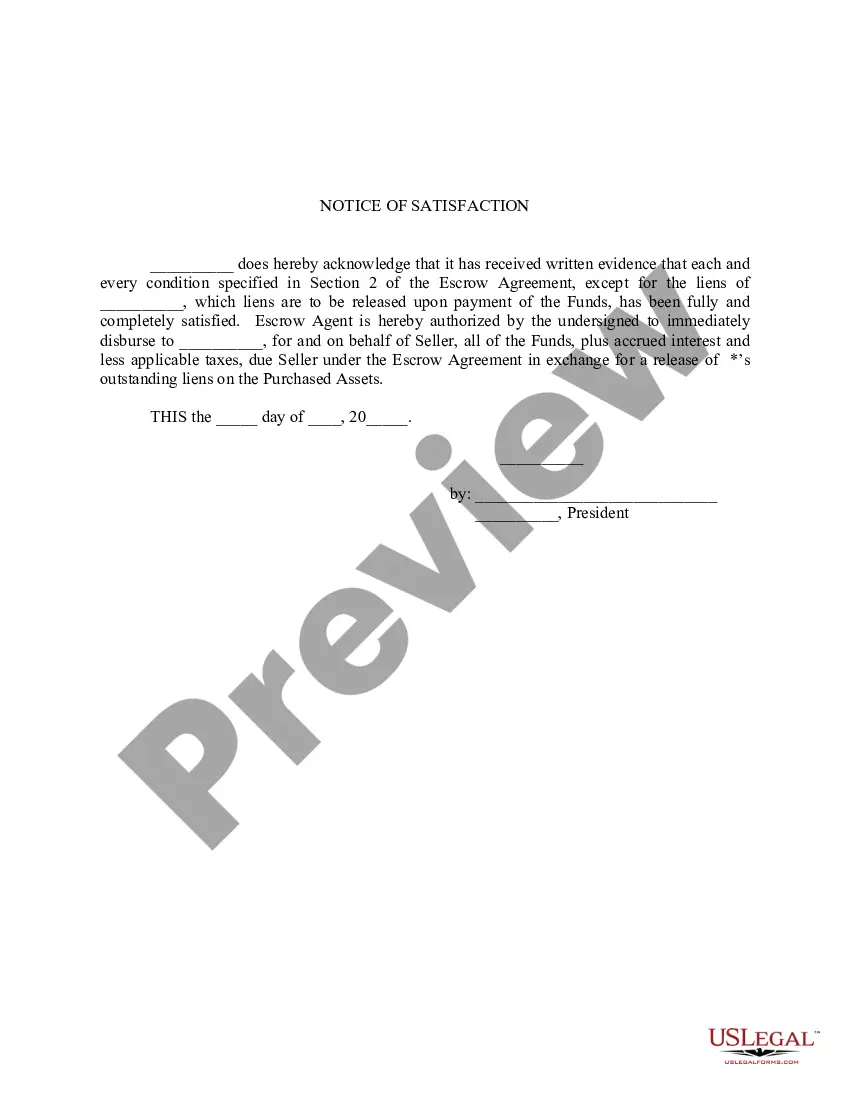
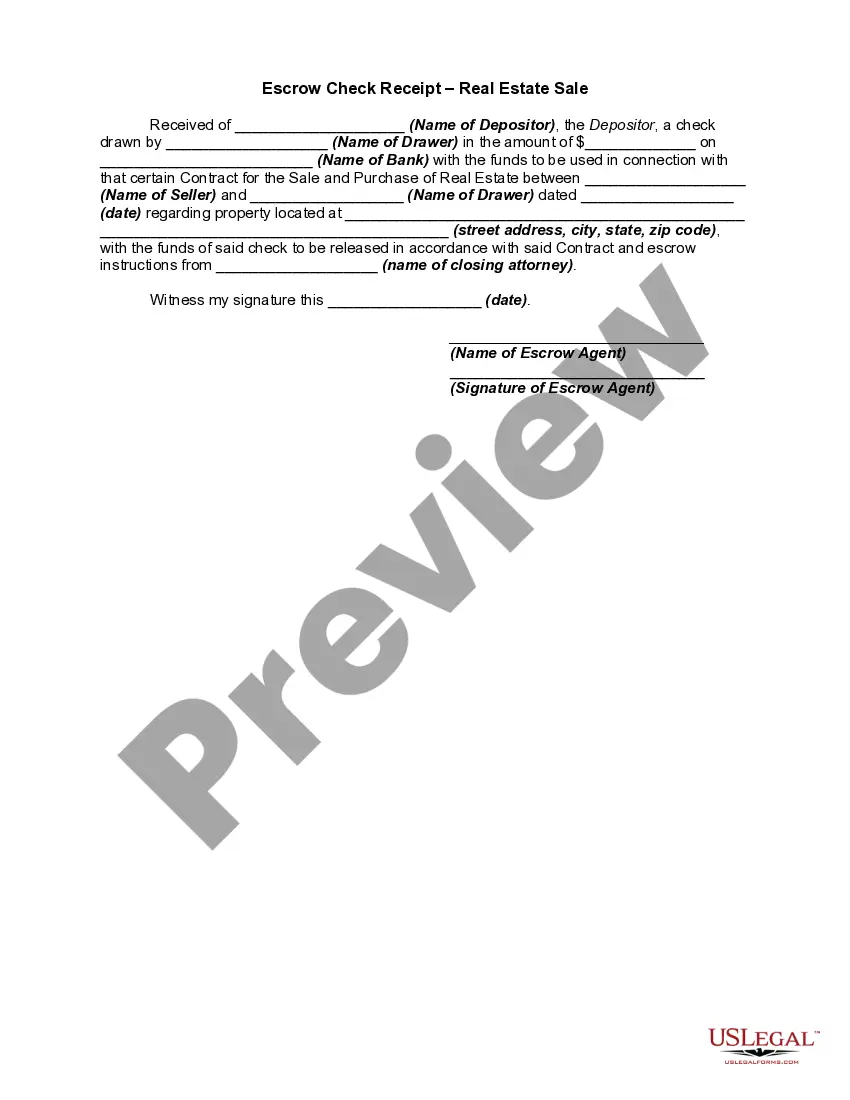
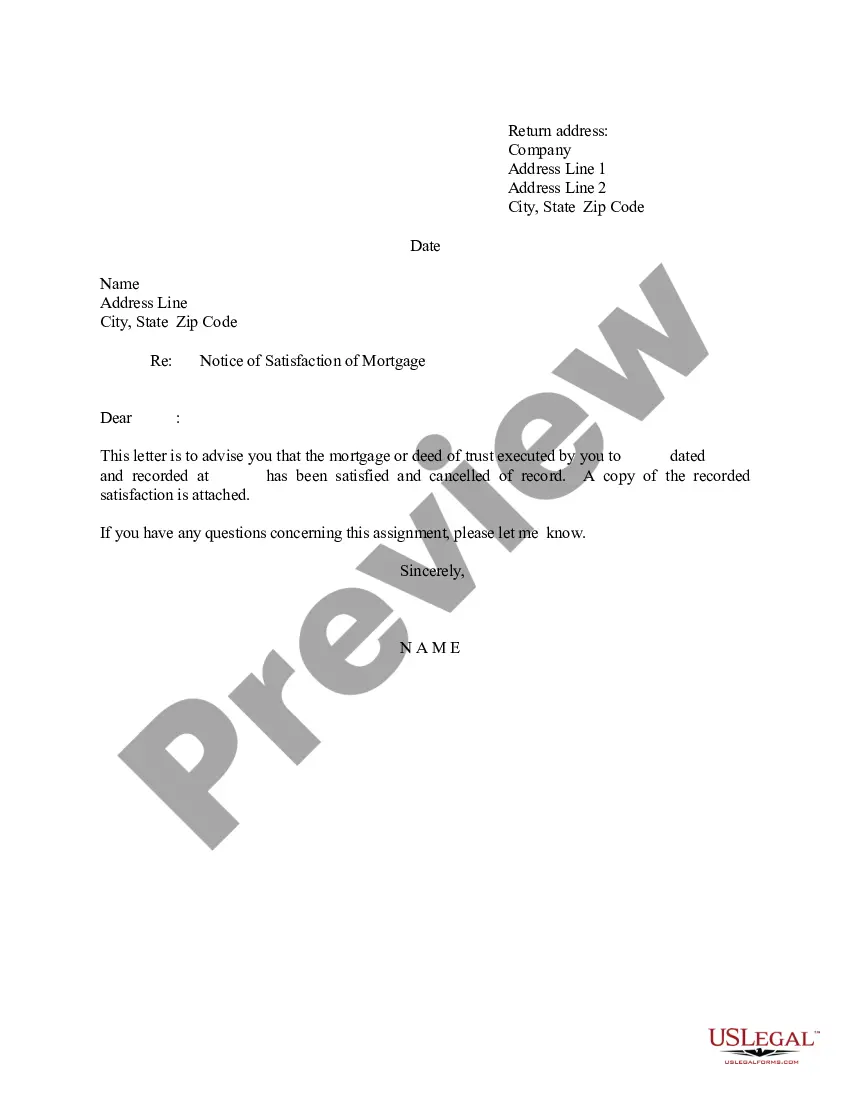
Description

Get your form ready online
Our built-in tools help you complete, sign, share, and store your documents in one place.
Make edits, fill in missing information, and update formatting in US Legal Forms—just like you would in MS Word.
Download a copy, print it, send it by email, or mail it via USPS—whatever works best for your next step.
Sign and collect signatures with our SignNow integration. Send to multiple recipients, set reminders, and more. Go Premium to unlock E-Sign.
If this form requires notarization, complete it online through a secure video call—no need to meet a notary in person or wait for an appointment.
We protect your documents and personal data by following strict security and privacy standards.

Make edits, fill in missing information, and update formatting in US Legal Forms—just like you would in MS Word.

Download a copy, print it, send it by email, or mail it via USPS—whatever works best for your next step.

Sign and collect signatures with our SignNow integration. Send to multiple recipients, set reminders, and more. Go Premium to unlock E-Sign.

If this form requires notarization, complete it online through a secure video call—no need to meet a notary in person or wait for an appointment.

We protect your documents and personal data by following strict security and privacy standards.
Looking for another form?










Form popularity
FAQ
Escrow verifies all payments. Once we confirm the funds are good, we will inform you that it's safe to deliver. As the Seller, you're also protected from any unexpected chargebacks, thereby ensuring that you won't fall prey to a scam.
Escrow is generally considered good because it protects the buyer and seller in a transaction.
It is typically very hard for a seller to cancel escrow without any valid reason for doing so. A change of mind is not acceptable.
In California, the buyer may choose the escrow company.
The Escrow Holder: prepares escrow instructions. requests a preliminary title search to determine the present condition of title to the property. requests a beneficiary's statement if debt or obligation is to be taken over by the buyer. complies with lender's requirements, specified in the escrow agreement.
Notify The Buyer If you have a legal reason for doing so, notify the buyer of the specific parts of the contract that give you the right to cancel the transaction. If you don't have a contractual reason to cancel the sale, it's worth asking the buyer if they're willing to cancel the transaction by mutual agreement.
The buyer in the real estate sales transaction generally makes the selection of the escrow holder/agent and the title insurance company intending to issue the title insurance coverage. A real estate broker should consult the escrow holder/agent before informing the principals that escrow will close on a certain date.
Another potential downside to escrow accounts lies in the risk of mishandling or mismanagement. In some cases, errors or discrepancies in managing escrow funds can lead to a shortage of funds when it's time to settle property taxes or insurance premiums.
