Satisfactory Or Satisfaction In Ohio
Description

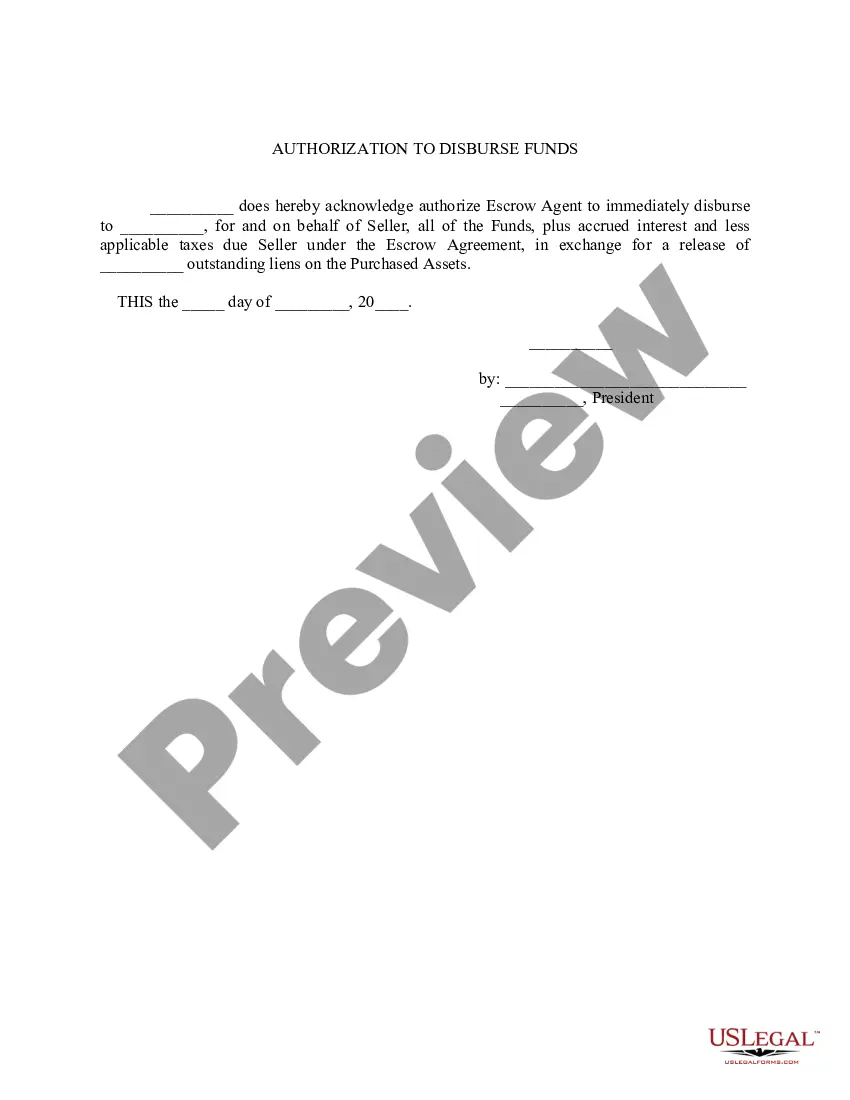
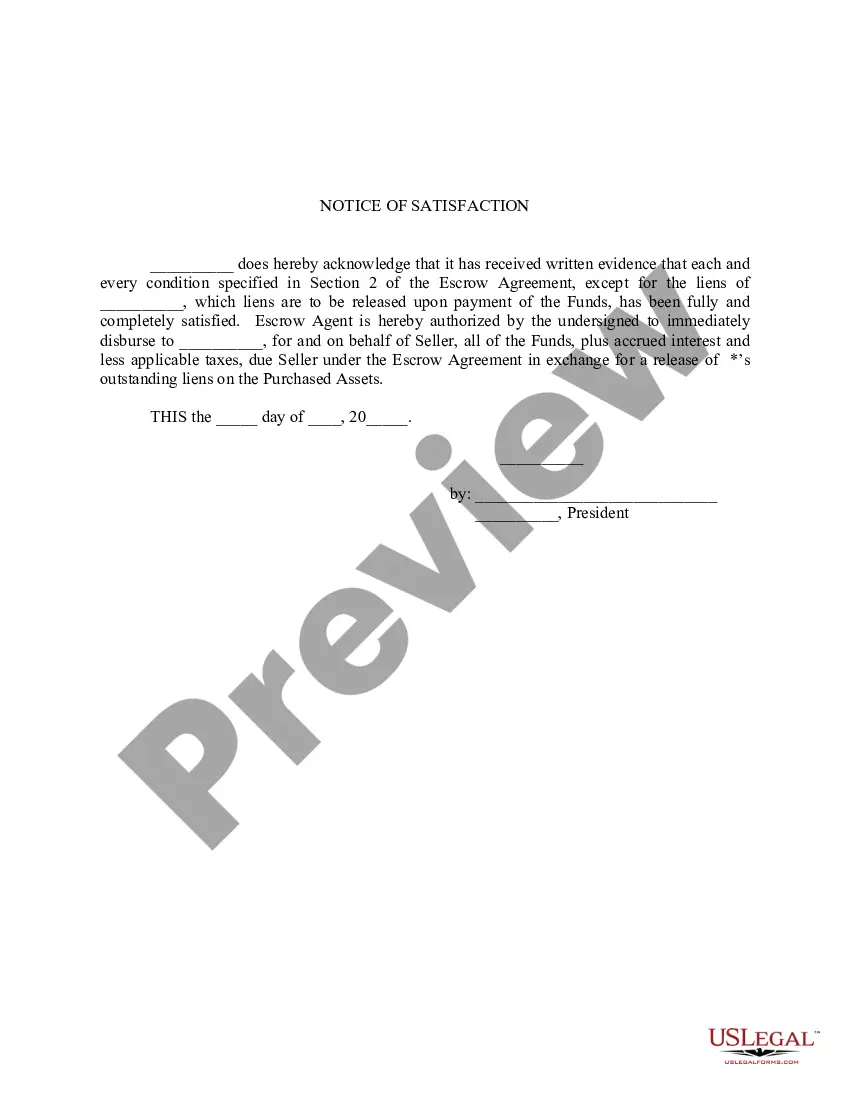
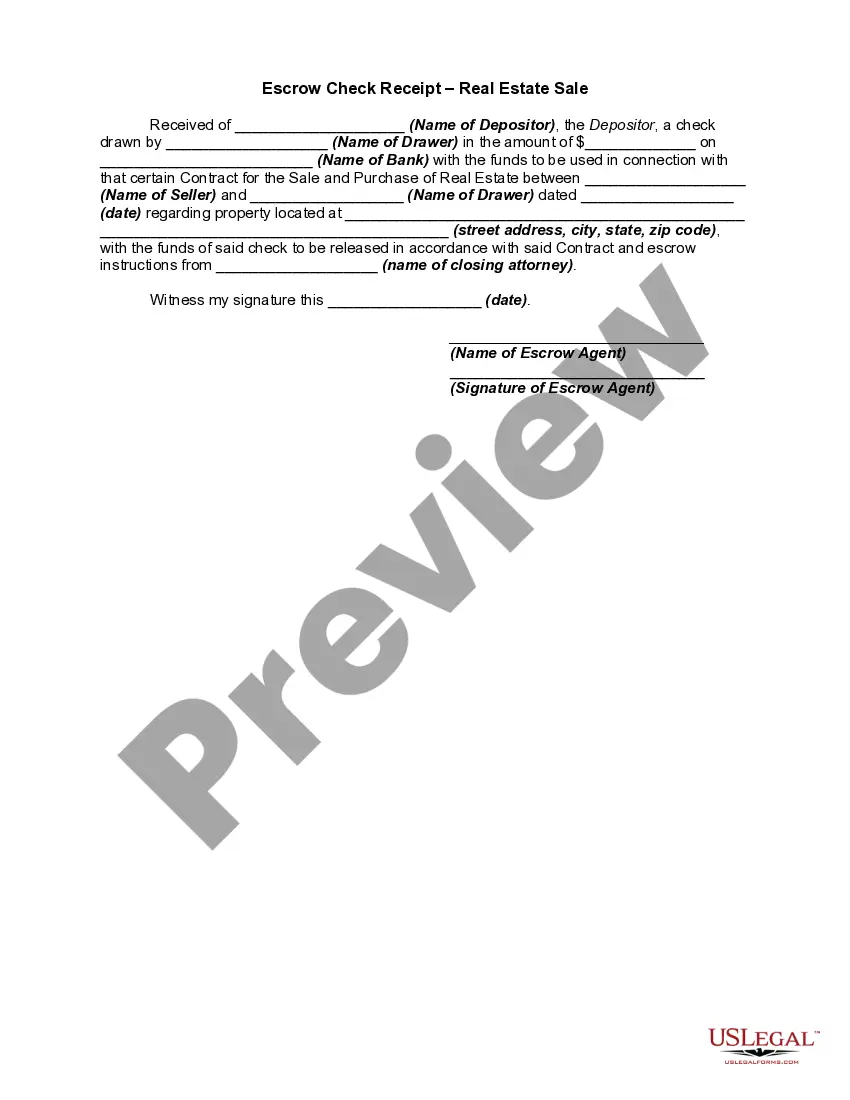
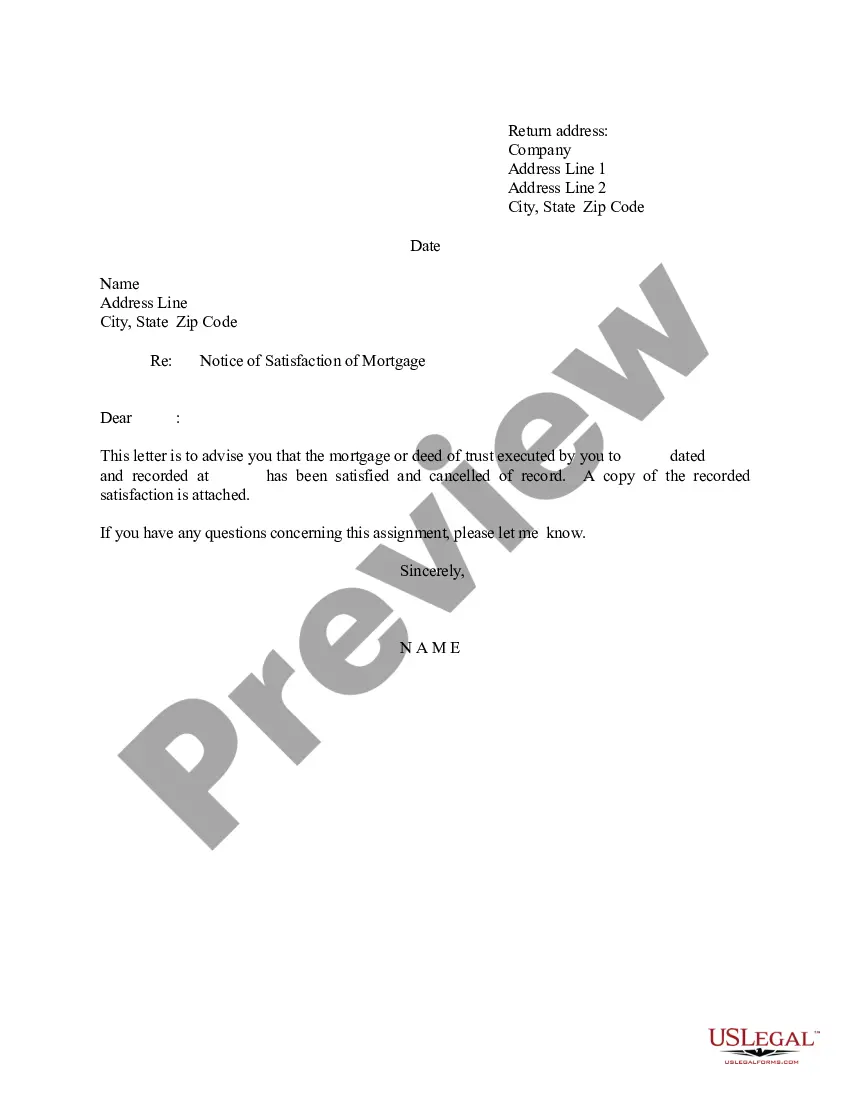
Get your form ready online
Our built-in tools help you complete, sign, share, and store your documents in one place.
Make edits, fill in missing information, and update formatting in US Legal Forms—just like you would in MS Word.
Download a copy, print it, send it by email, or mail it via USPS—whatever works best for your next step.
Sign and collect signatures with our SignNow integration. Send to multiple recipients, set reminders, and more. Go Premium to unlock E-Sign.
If this form requires notarization, complete it online through a secure video call—no need to meet a notary in person or wait for an appointment.
We protect your documents and personal data by following strict security and privacy standards.

Make edits, fill in missing information, and update formatting in US Legal Forms—just like you would in MS Word.

Download a copy, print it, send it by email, or mail it via USPS—whatever works best for your next step.

Sign and collect signatures with our SignNow integration. Send to multiple recipients, set reminders, and more. Go Premium to unlock E-Sign.

If this form requires notarization, complete it online through a secure video call—no need to meet a notary in person or wait for an appointment.

We protect your documents and personal data by following strict security and privacy standards.
Looking for another form?
Form popularity
FAQ
To seal the records of a felony conviction, a person files an application with the court which heard the case and imposed the sentence. For a 'low-level' felony (fifth-degree felony and fourth-degree felony), an application for record sealing may be filed one year after the 'final discharge' of the case.
A mortgage shall be discharged upon the record of the mortgage by the county recorder when there is presented to the county recorder a certificate executed by the mortgagee or the mortgagee's assigns, acknowledged as provided in section 5301.01 of the Revised Code, or when there is presented to the recorder a deed of ...
For example, you might be able to get out of your mortgage using one of the following options. Talk To Your Lender. Sell Your Home. Request A Deed In Lieu Of Foreclosure. Have A Short Sale. Let Your House Go Into Foreclosure. Strategic Default.
Satisfaction is the fulfillment of an obligation. The term is often used in the context of contract law when one performs their duties under the contract. The term is also often found in the context of judgments in determining whether a party discharged their liability from a judgment.
Here are five tips you may consider following to improve your judgement abilities: Take your time. Allow yourself time to consider your options. Explore alternatives. Consider all of your options before making a decision. Create rules for yourself. Think logically. Talk to someone.
The enforcement process is governed by state law and these laws vary by state. Some states require that a judgment be registered, others require the judgment creditor to file a new civil lawsuit for enforcement or obtain a writ of execution.
Except for motions made during a hearing or during trial, motions are required to be in writing. They must also be filed in court and served on the opposing party's attorney (or the party if not represented by counsel). If the motion is contested, the opposing attorneys will also file papers opposing the motion.
Steps Check if the court has blank motion forms. Some courts have "check the boxes" or "fill in the blank" motion forms. Create your caption. Title your motion. Draft the introductory paragraph to the body of the motion. Request relief. Lay out the applicable facts. Make your legal argument. Insert a signature block.
If you want to file a motion, the process is generally something like this: You write your motion. You file your motion with the court clerk. The court clerk inserts the date and time your motion will be heard by the judge. You “serve” (mail) your motion to the other side.
This means that although Ohio's statute of limitations for judgment enforcement is at least fifteen years, in reality the best practice is to act at least once every five years so that your judgment does not become dormant. Often judgments are against more than one judgment debtor.
