Difference Between Satisfaction And Satisfactory In Florida
Description

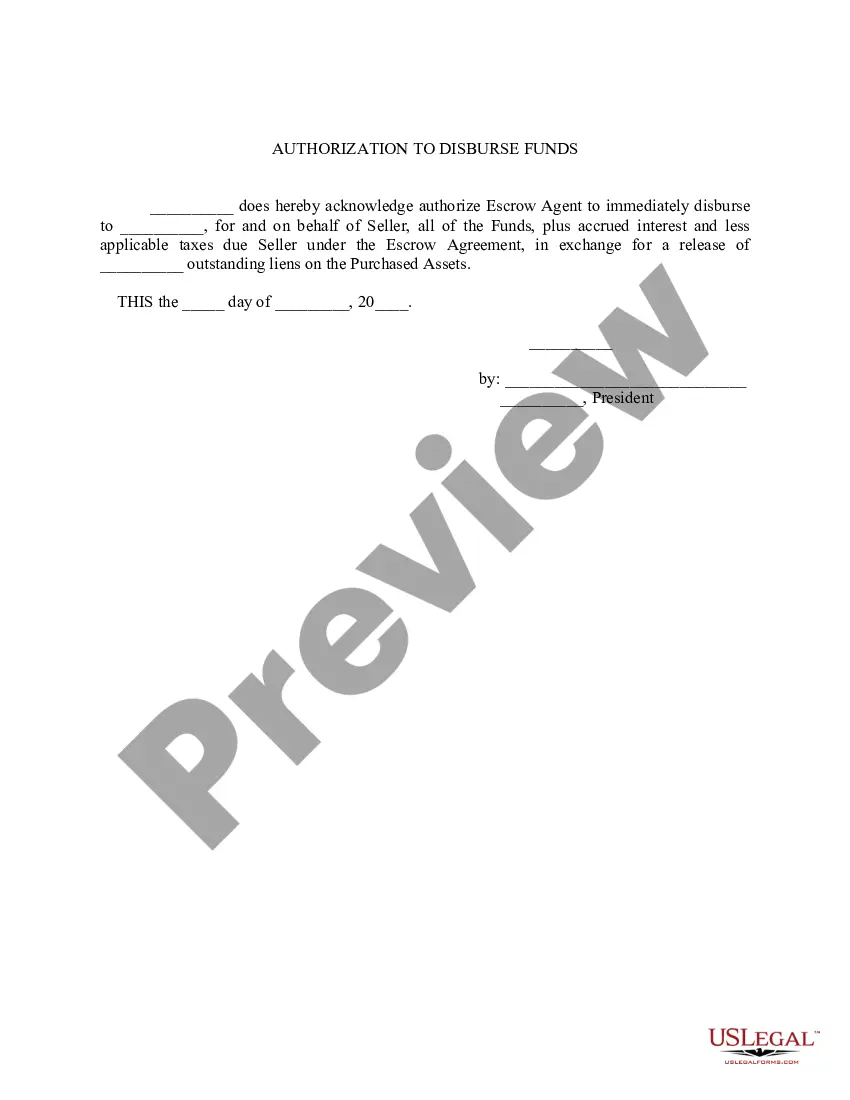
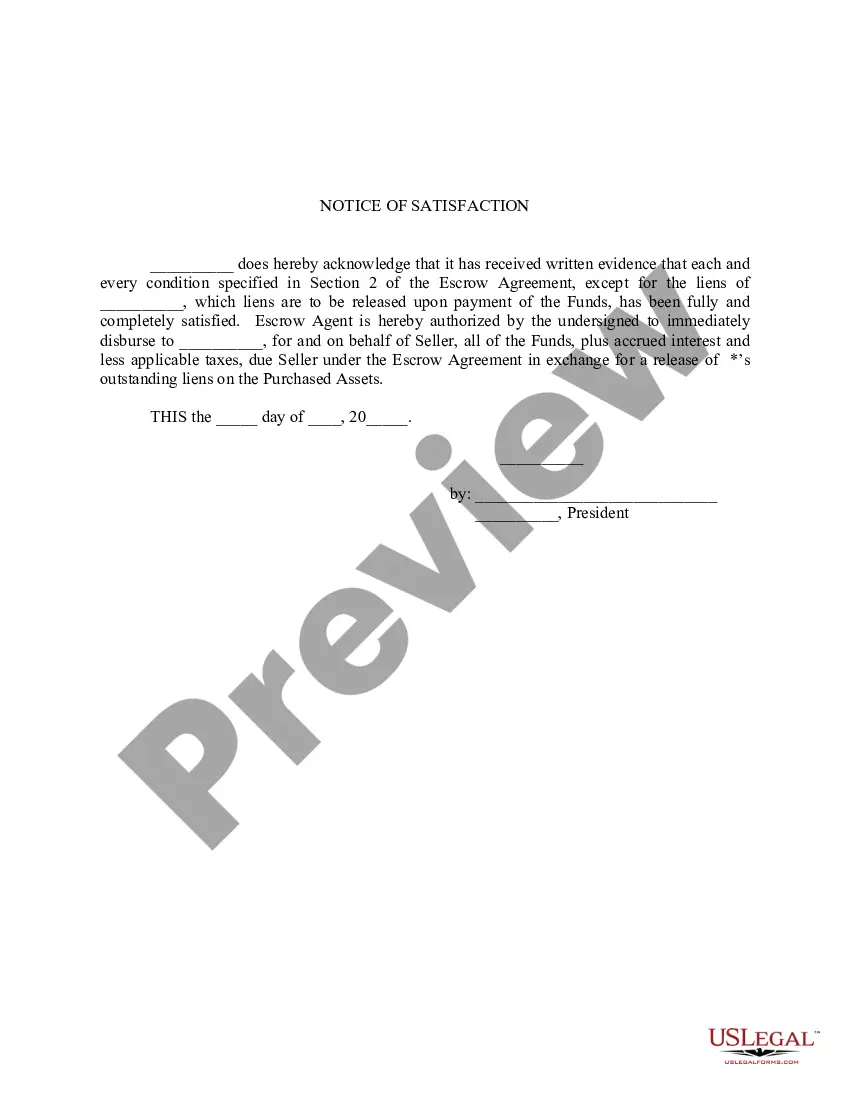
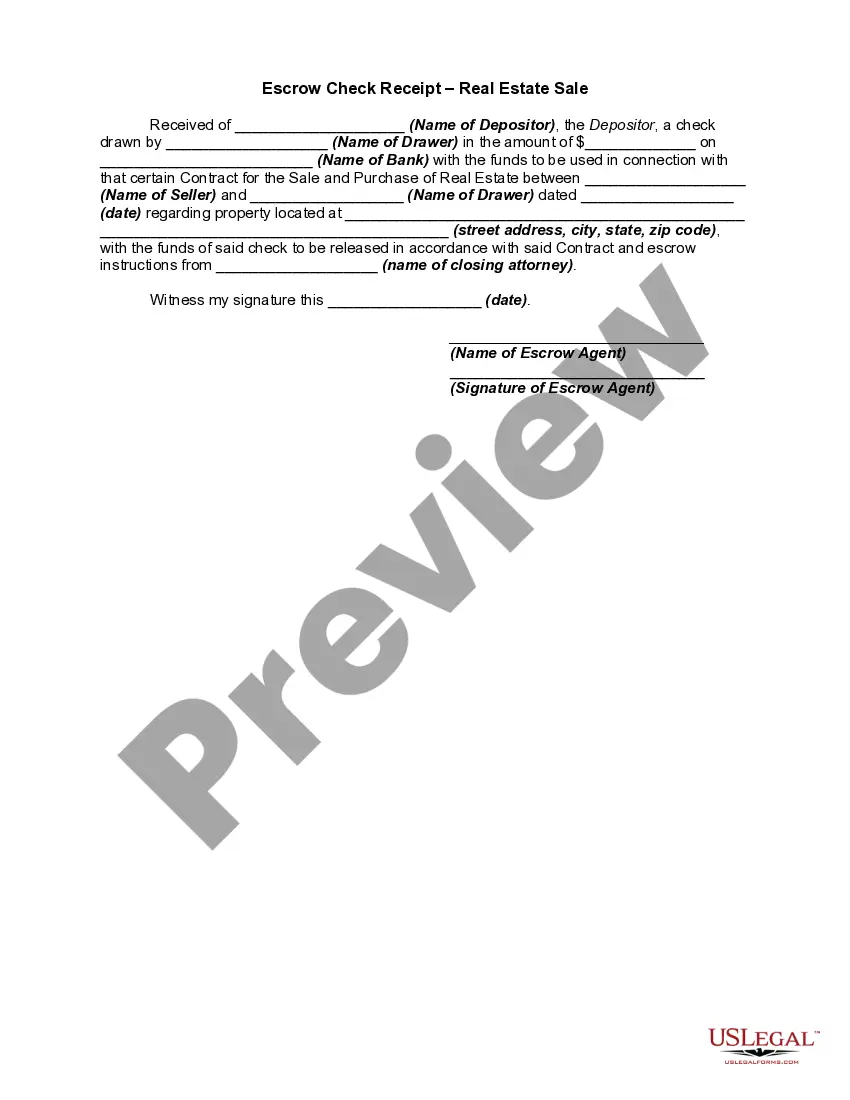
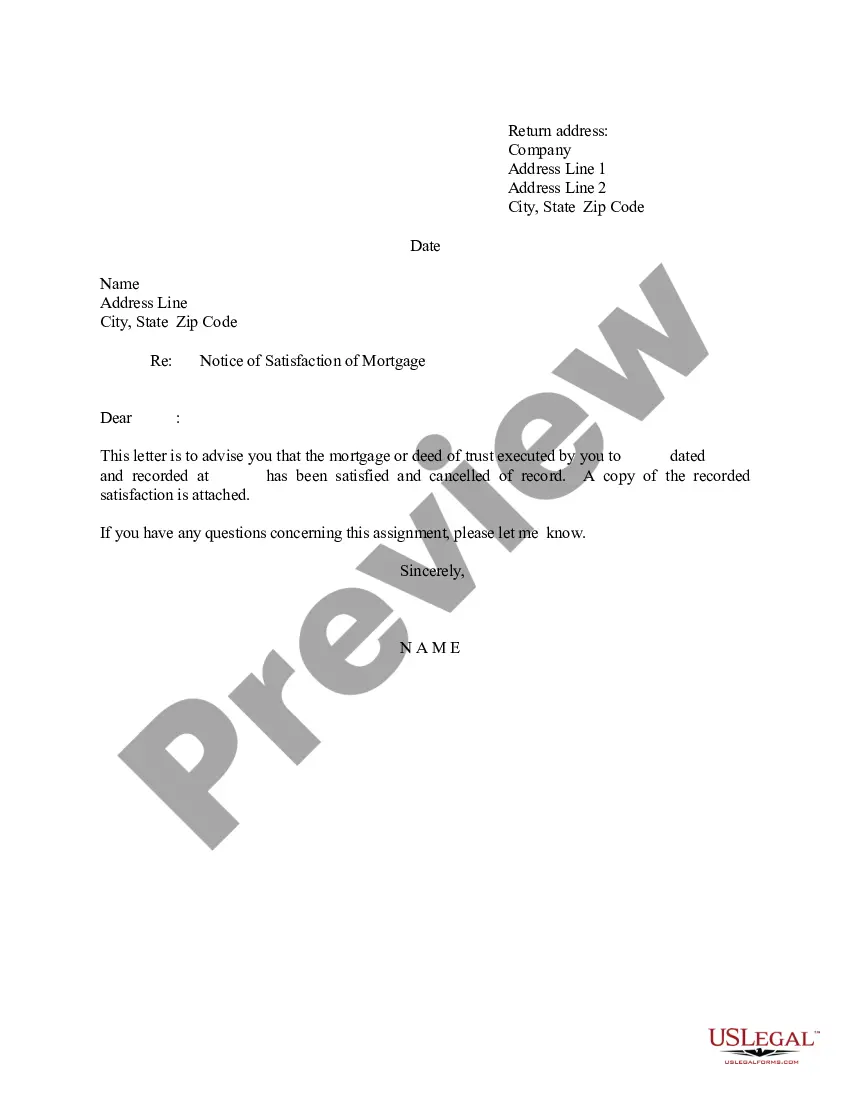
Get your form ready online
Our built-in tools help you complete, sign, share, and store your documents in one place.
Make edits, fill in missing information, and update formatting in US Legal Forms—just like you would in MS Word.
Download a copy, print it, send it by email, or mail it via USPS—whatever works best for your next step.
Sign and collect signatures with our SignNow integration. Send to multiple recipients, set reminders, and more. Go Premium to unlock E-Sign.
If this form requires notarization, complete it online through a secure video call—no need to meet a notary in person or wait for an appointment.
We protect your documents and personal data by following strict security and privacy standards.

Make edits, fill in missing information, and update formatting in US Legal Forms—just like you would in MS Word.

Download a copy, print it, send it by email, or mail it via USPS—whatever works best for your next step.

Sign and collect signatures with our SignNow integration. Send to multiple recipients, set reminders, and more. Go Premium to unlock E-Sign.

If this form requires notarization, complete it online through a secure video call—no need to meet a notary in person or wait for an appointment.

We protect your documents and personal data by following strict security and privacy standards.
Looking for another form?
Form popularity
FAQ
Fl. To ensure identity of the signer, notarization is prudent but not required. If a certified copy of the judgment is recorded, it may be prudent to include that recording information.
The one-satisfaction rule is a common law principle that a plaintiff should only recover once for a particular injury, thereby preventing overcompensation of the plaintiff for their injury. Thus, a plaintiff who fully recovers from one tortfeasor may not recover more damages from a joint tortfeasor.
(1) By entering satisfaction of the lien upon the margin of the record thereof in the clerk's office when not otherwise prohibited by law. This satisfaction must be signed by the lienor or the lienor's agent or attorney and attested by said clerk.
The party asserting and satisfaction must prove that “the amount of the claim was unliquidated or subject to a bona fide dispute.” See Florida's Uniform Commercial Code, § 673.3111(1).
The party asserting and satisfaction must prove that “the amount of the claim was unliquidated or subject to a bona fide dispute.” See Florida's Uniform Commercial Code, § 673.3111(1).
Under most state law, a valid and satisfaction requires four elements as a minimum, usually, (1) proper subject matter, (2) competent parties, (3) meeting of the minds of the parties and (4) adequate consideration.
If someone or something satisfies you, they give you enough of what you want or need to make you pleased or contented. To satisfy someone that something is true or has been done properly means to convince them by giving them more information or by showing them what has been done.
Well Ha, thank you very much for your question about the difference between "satisfying" and "satisfactory". "Satisfactory" means that something is adequate, or acceptable. Whereas "satisfying" means that something meets your needs or requirements and has positive associations.
