Escrow Seller Does For Repairs In Bronx
Description

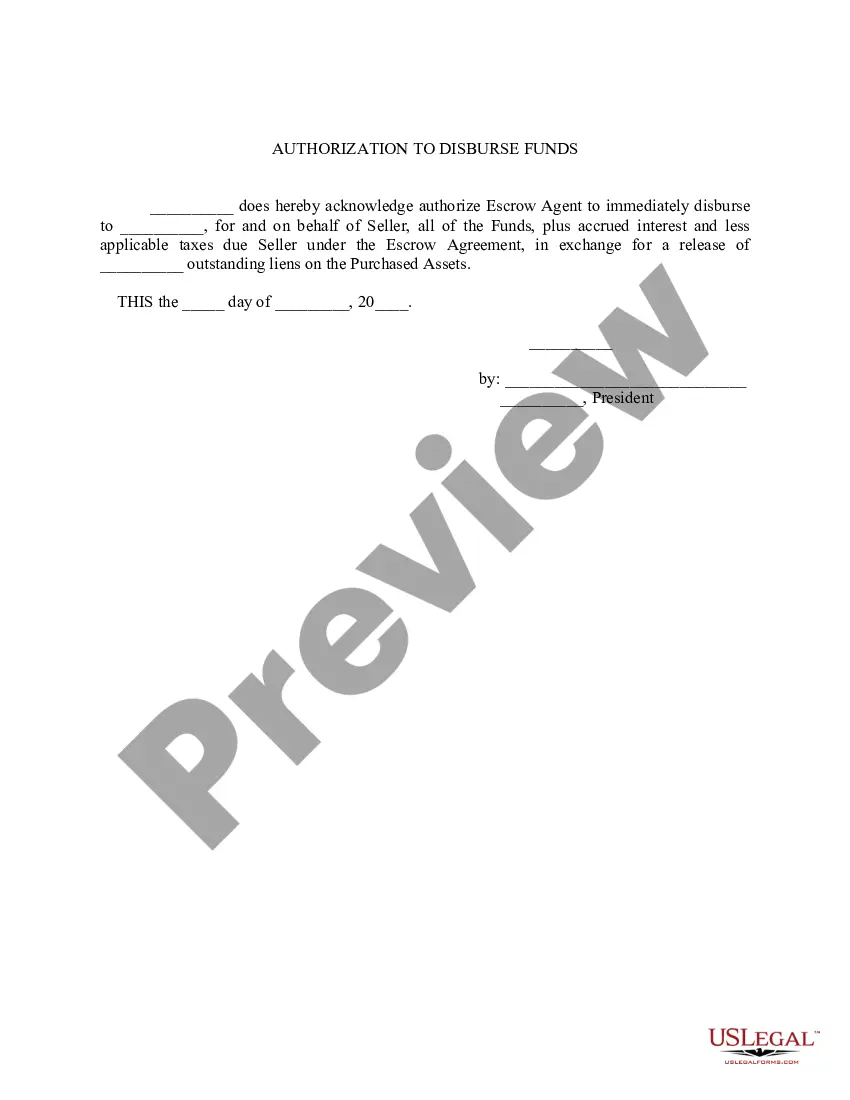
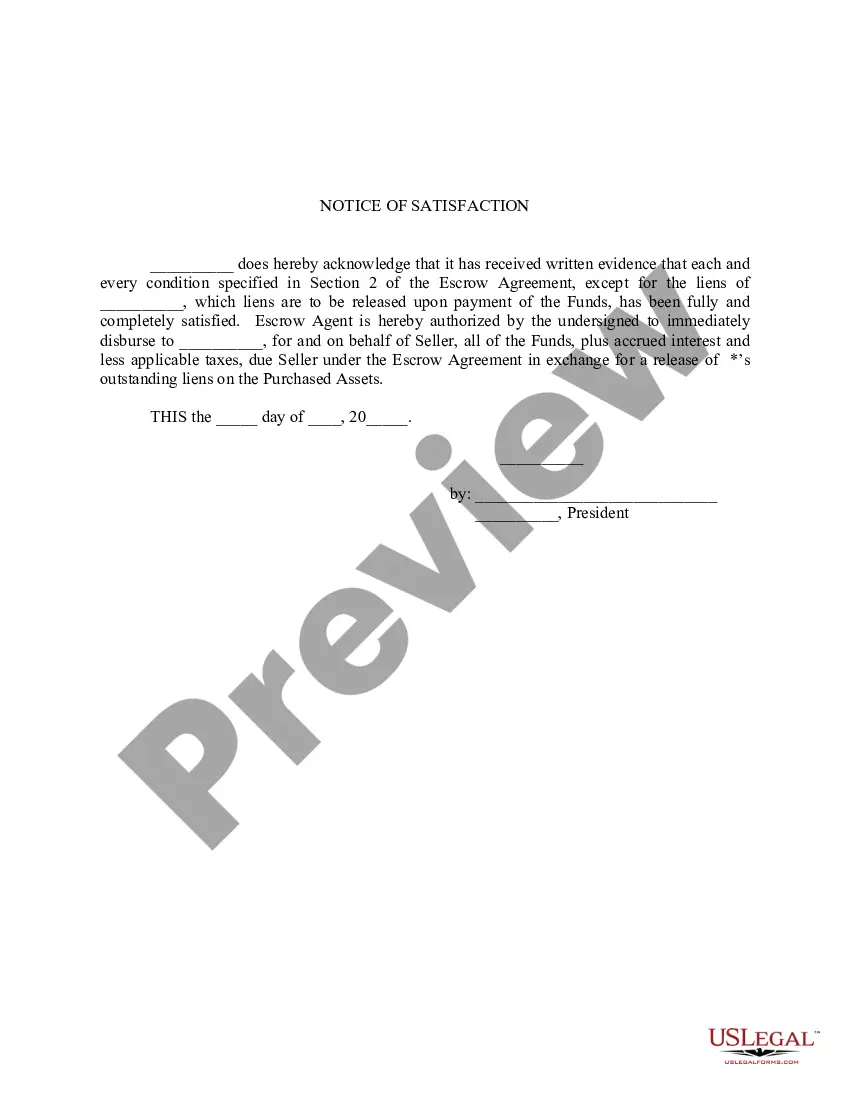
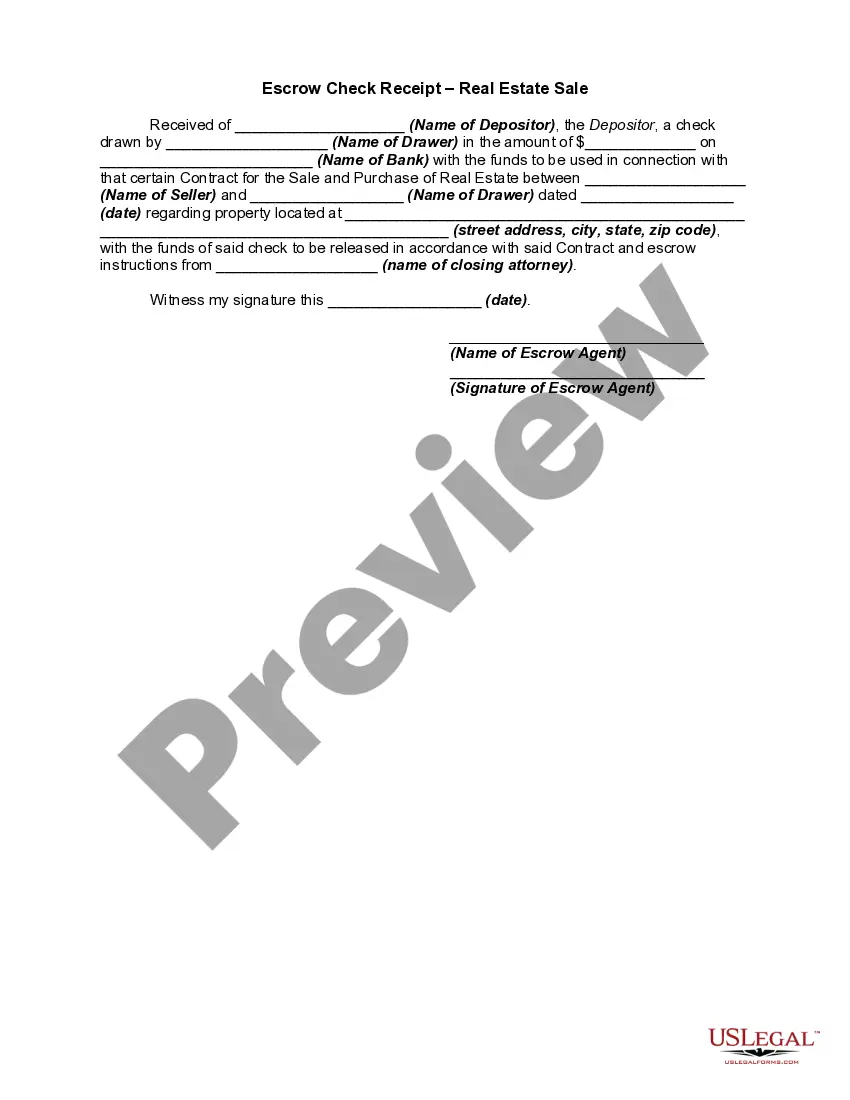
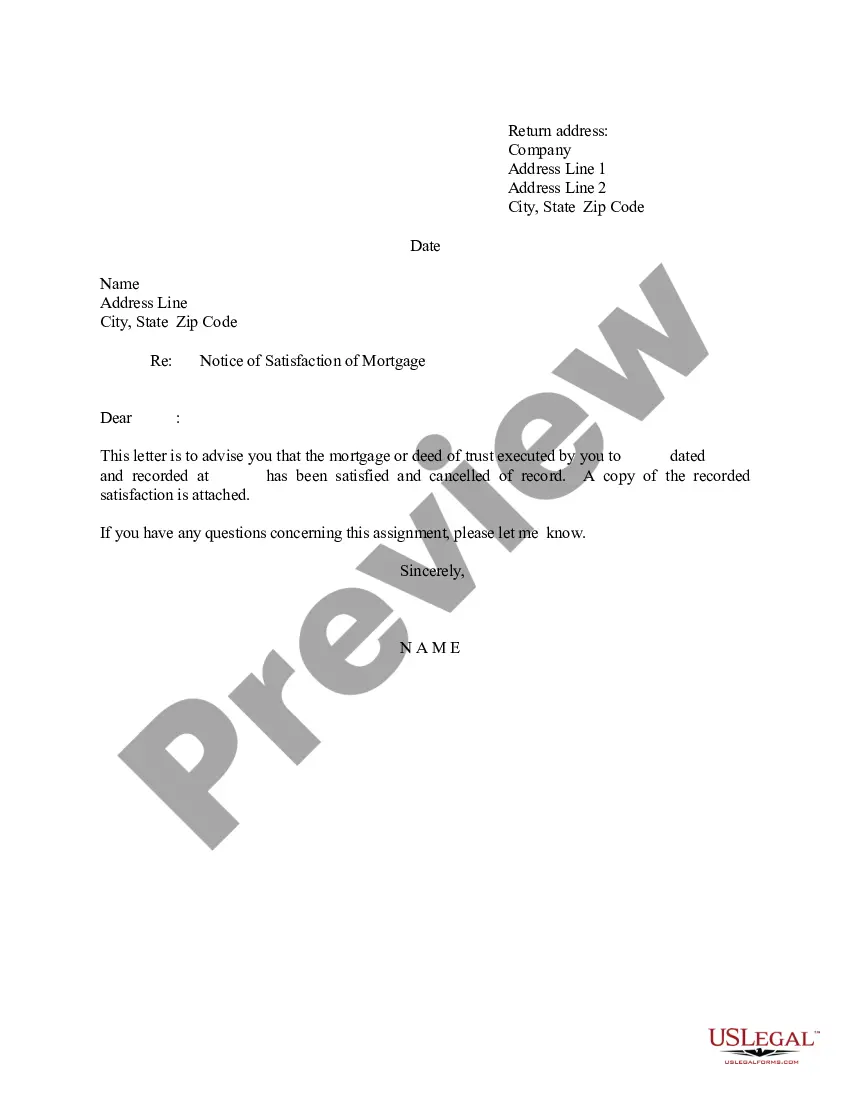
Get your form ready online
Our built-in tools help you complete, sign, share, and store your documents in one place.
Make edits, fill in missing information, and update formatting in US Legal Forms—just like you would in MS Word.
Download a copy, print it, send it by email, or mail it via USPS—whatever works best for your next step.
Sign and collect signatures with our SignNow integration. Send to multiple recipients, set reminders, and more. Go Premium to unlock E-Sign.
If this form requires notarization, complete it online through a secure video call—no need to meet a notary in person or wait for an appointment.
We protect your documents and personal data by following strict security and privacy standards.

Make edits, fill in missing information, and update formatting in US Legal Forms—just like you would in MS Word.

Download a copy, print it, send it by email, or mail it via USPS—whatever works best for your next step.

Sign and collect signatures with our SignNow integration. Send to multiple recipients, set reminders, and more. Go Premium to unlock E-Sign.

If this form requires notarization, complete it online through a secure video call—no need to meet a notary in person or wait for an appointment.

We protect your documents and personal data by following strict security and privacy standards.
Looking for another form?









Form popularity
FAQ
Unlike traditional closings where parties meet face-to-face, New York's escrow-style closing involves a neutral third party who holds all necessary documents and funds until all conditions are met. This approach not only minimizes risks but also streamlines the entire process, making it a preferred choice for many.
A real estate transaction closing in which the transaction parties, their counsel, a representative of the title insurance company, and any other necessary parties convene in person to execute and exchange the closing documents and transfer closing funds.
The bottom line is escrow accounts are meant to protect all parties during a real estate transaction. One more point here. Escrow can also be an account that is created at the time of a mortgage closing which includes future homeowners' insurance and property tax payments.
If it is proved that you disclosed to the buyer all known defects or crucial information and did not do anything to prevent the buyer from finding any defects in the property, you are unlikely to be held accountable for any property issues after the closing.
What is an Escrow? An Escrow is an arrangement for a third party to hold the assets of a transaction temporarily. The assets are kept in a third-party account and are only released when all terms of the agreement have been met. The use of an escrow account in a transaction adds a degree of safety for both parties.
Now that the home is under new ownership, the property owner bears the responsibility of anything related to the property. The only way you could be liable at this point, is if something happens and the buyer can prove that you should have known about it, and therefore were responsible to disclose it to them.
The legislators don't want you dragging the seller into court 20 years after the sale, when no one recalls what happened and evidence might be long lost. Most statutes of limitations are somewhere between two and ten years, but this will depend on where you are and what type of claim you have.
Sellers Will Be Exposed To Liability Even After Closing may subject the seller to claims by the buyer prior to or after the transfer of title. That means buyers can sue sellers after closing. And the statute of limitations on these claims may be as long as six years.
