Board Meeting In Camera In Pennsylvania
Description
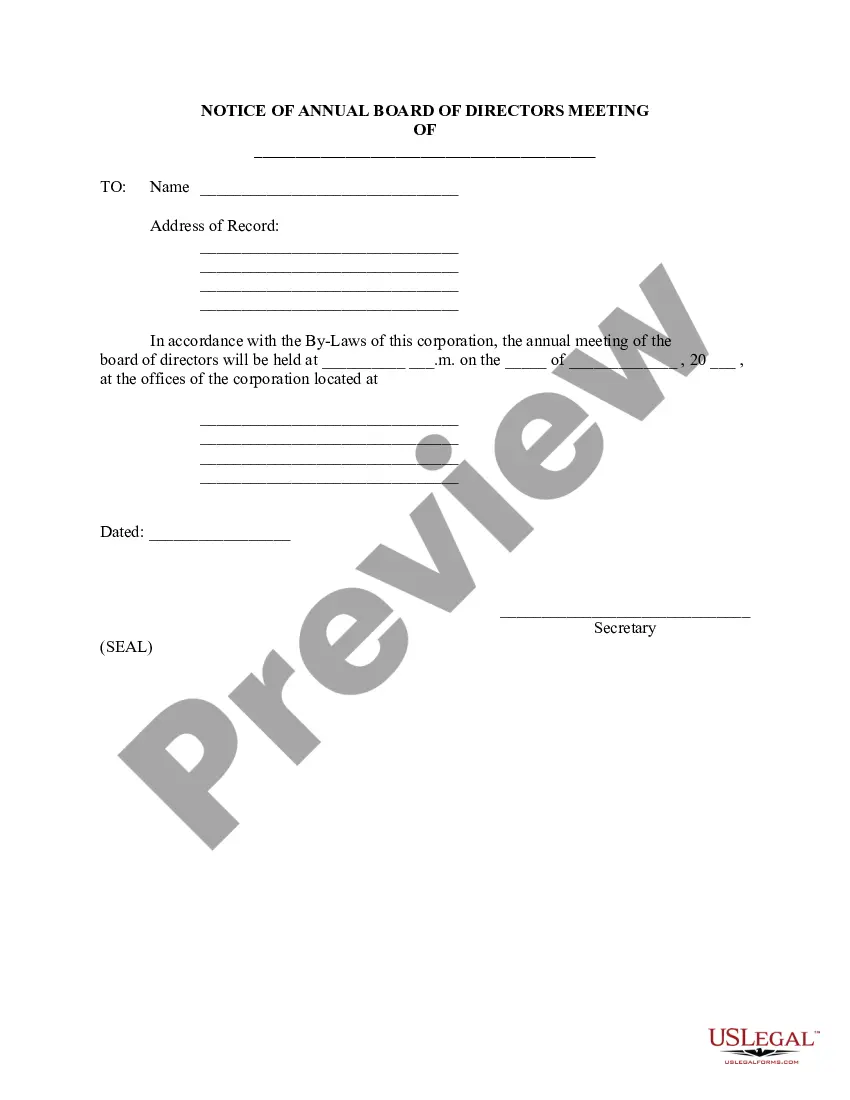


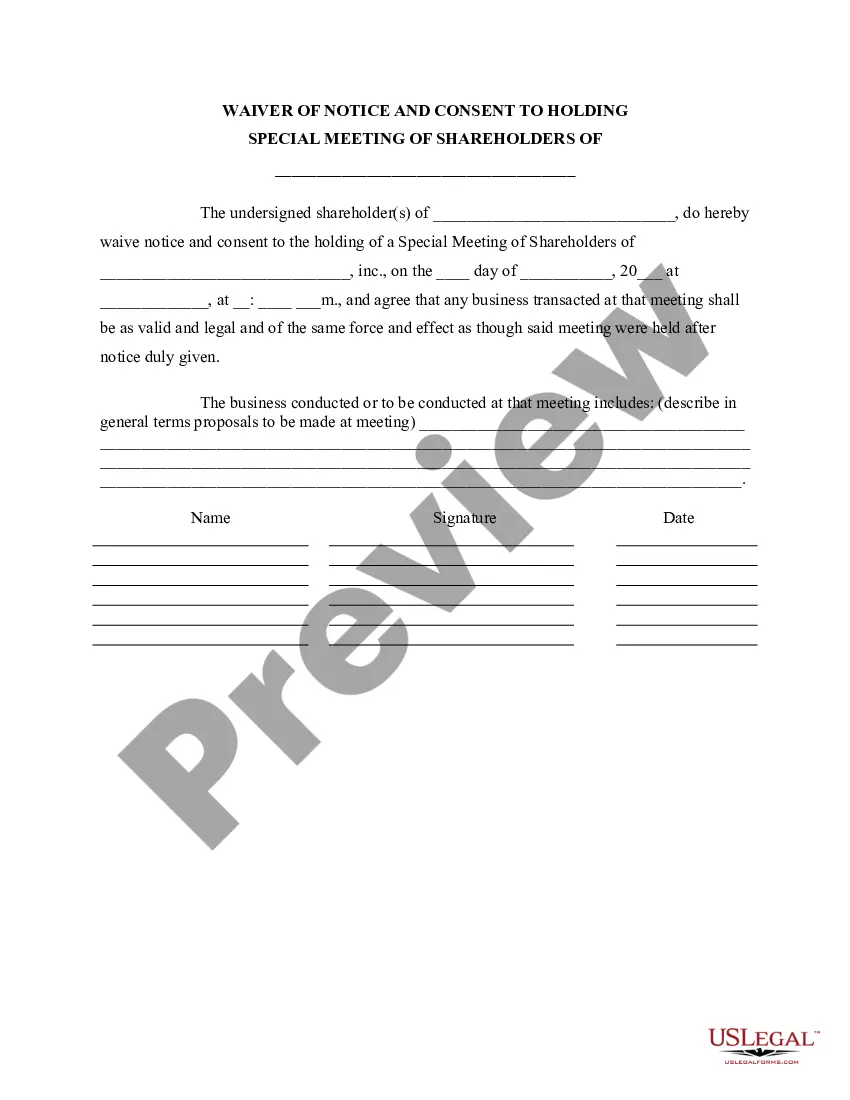
Get your form ready online
Our built-in tools help you complete, sign, share, and store your documents in one place.
Make edits, fill in missing information, and update formatting in US Legal Forms—just like you would in MS Word.
Download a copy, print it, send it by email, or mail it via USPS—whatever works best for your next step.
Sign and collect signatures with our SignNow integration. Send to multiple recipients, set reminders, and more. Go Premium to unlock E-Sign.
If this form requires notarization, complete it online through a secure video call—no need to meet a notary in person or wait for an appointment.
We protect your documents and personal data by following strict security and privacy standards.

Make edits, fill in missing information, and update formatting in US Legal Forms—just like you would in MS Word.

Download a copy, print it, send it by email, or mail it via USPS—whatever works best for your next step.

Sign and collect signatures with our SignNow integration. Send to multiple recipients, set reminders, and more. Go Premium to unlock E-Sign.

If this form requires notarization, complete it online through a secure video call—no need to meet a notary in person or wait for an appointment.

We protect your documents and personal data by following strict security and privacy standards.
Looking for another form?


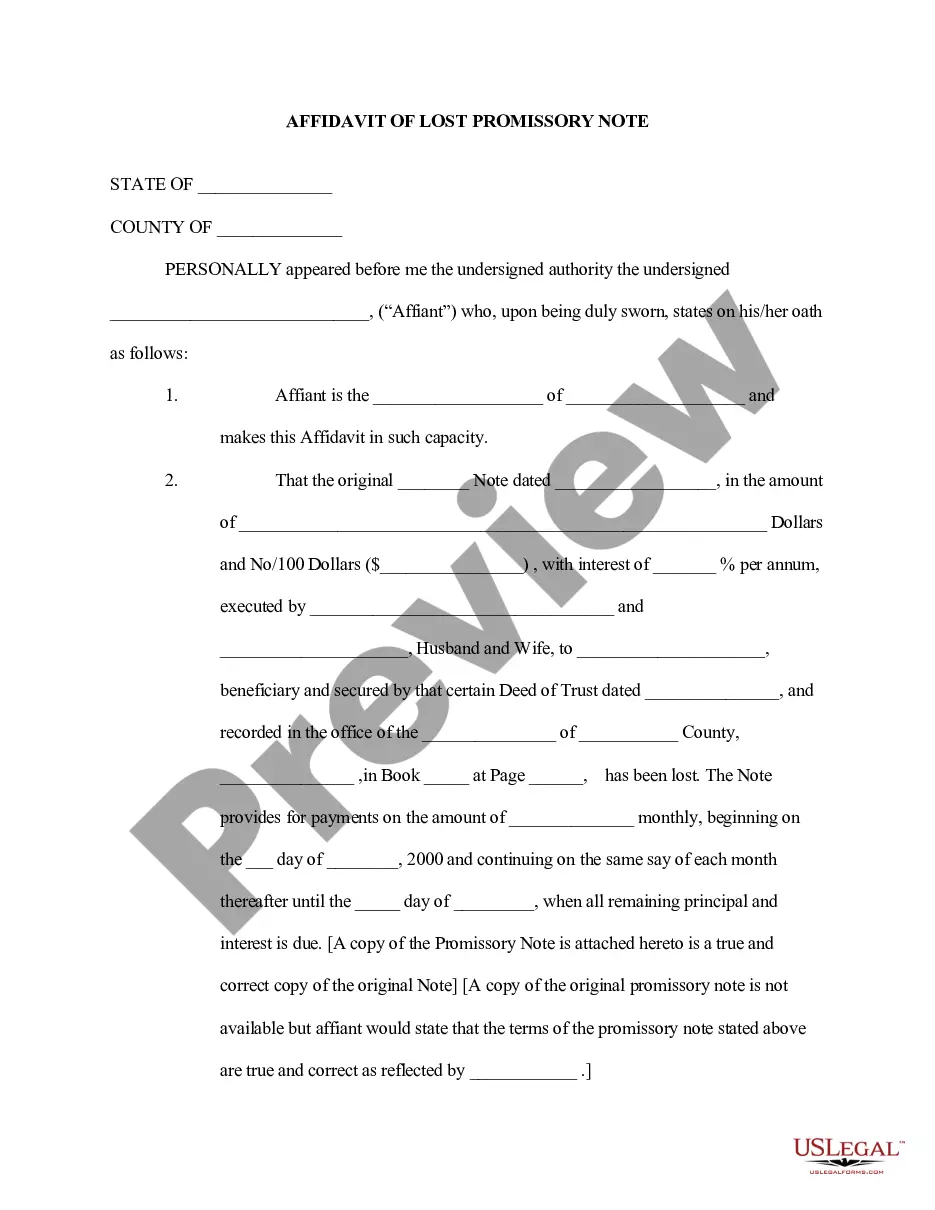




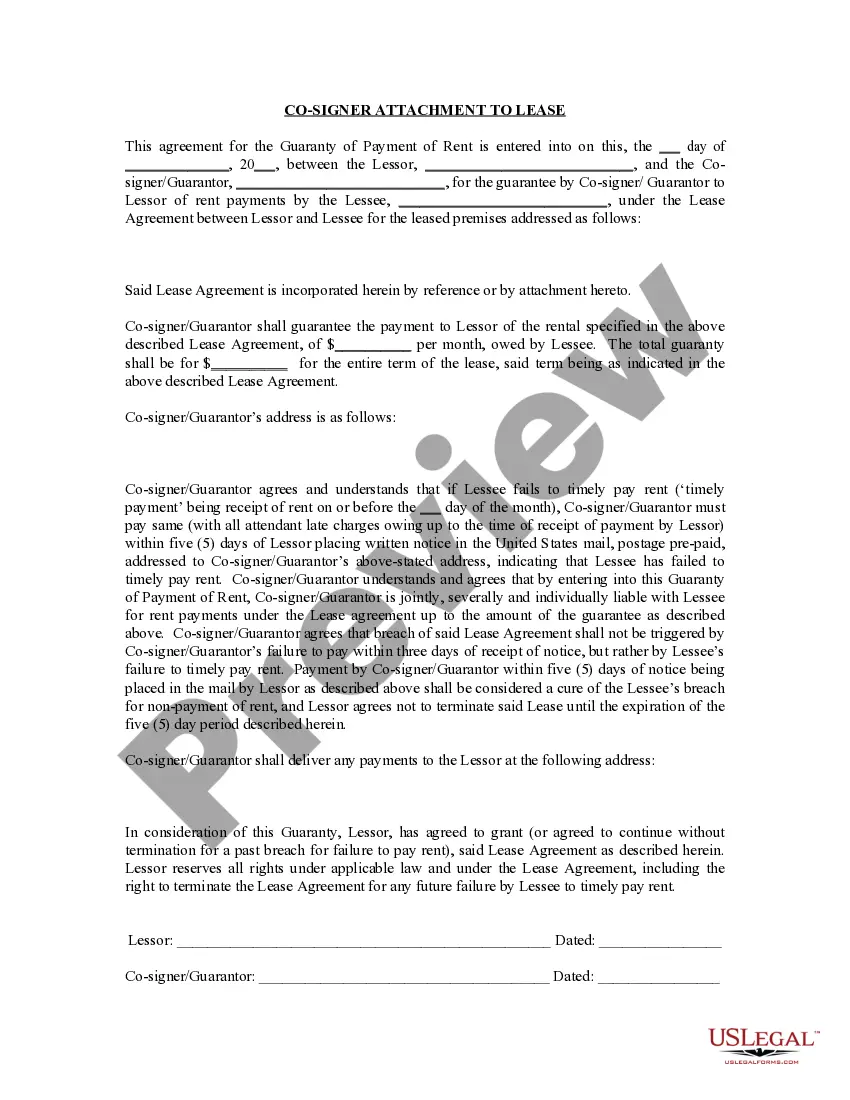


Form popularity
FAQ
Under Federal law, it is legal to record a conversation as long as one-party gives consent to the recording. This is known as a ``one-party'' consent rule. But there are twelve states in which it is illegal to record a conversation unless all parties to the conversation have consented to the recording.
Is recording HOA meetings legal or not? It depends on where your association is located. States like California, Florida, and Pennsylvania have two-party consent laws, which means that all parties involved must consent to the recording.
In-camera means a part of a Board meeting without administration or other parties present for which there is no agenda, at which no minutes are taken, and from which recommendations may be moved to a Board or Committee meeting for a decision to be entered into the minutes.
' 'In camera' is Latin for “in chambers,” and it means to go into a confidential or secret session. Whatever is discussed cannot leave the room. How do you make a meeting go in camera?
Pennsylvania's Wiretap Law makes it illegal to record private conversations - which can include conversations in public places - without the consent of all parties to the conversation.
In-camera means a part of a Board meeting without administration or other parties present for which there is no agenda, at which no minutes are taken, and from which recommendations may be moved to a Board or Committee meeting for a decision to be entered into the minutes.
A board camera, also known as a PCB (Printed Circuit Board) camera or module camera, is a compact imaging device that is typically mounted on a circuit board. It consists of an image sensor, lens, and other necessary components integrated into a single unit.
States like California, Florida, and Pennsylvania have two-party consent laws, which means that all parties involved must consent to the recording. If there is no consent, it is illegal. However, states like South Carolina, North Carolina, and Ohio have one-party consent laws.
It may be helpful to record board meetings, other leadership meetings, or even organizational membership meetings, such as in case of any disagreement over what happened or to help a secretary prepare minutes. Such recording should never become a substitute for written minutes, but rather only serve as an aid.
You either consent that the meeting is recorded, you decline the request or you offer to record it and share the recording and a transcript afterwards. There is no law regarding recording a meeting. Commonsense dictates that it should only happen if all parties agree to it.

