Meeting With Board In Ohio
Description
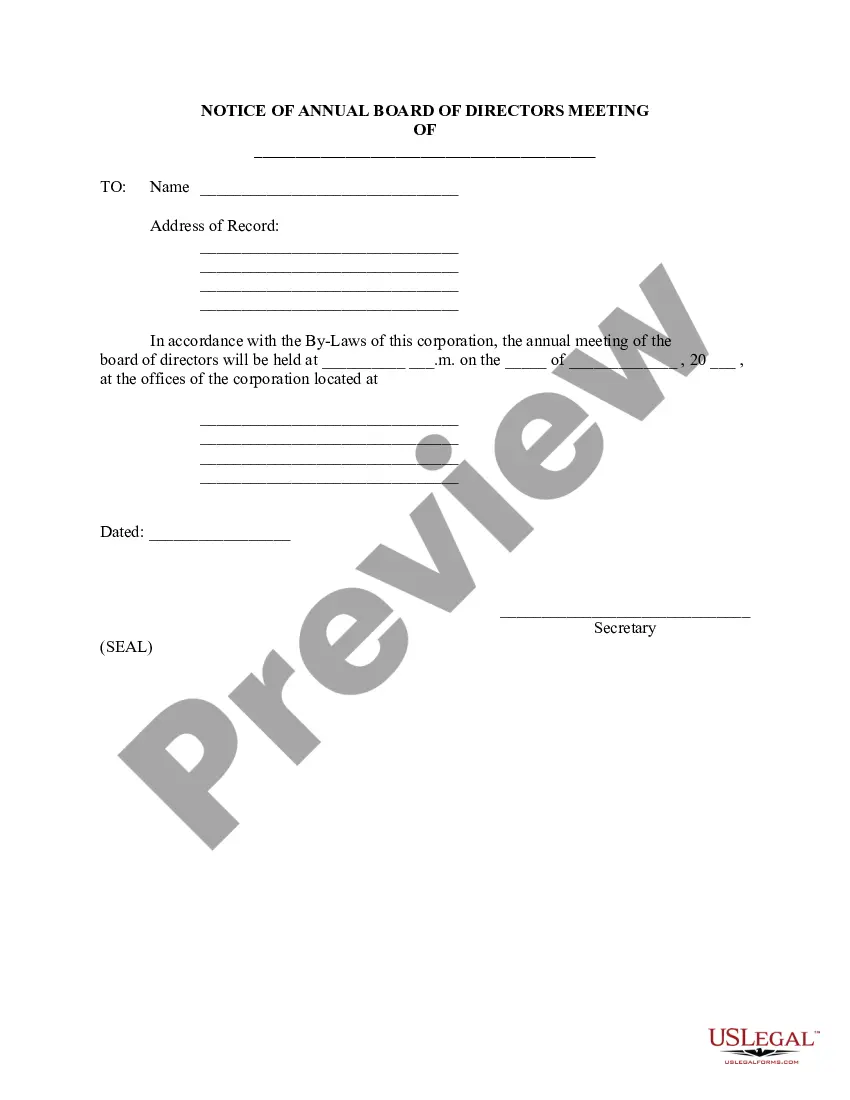



Get your form ready online
Our built-in tools help you complete, sign, share, and store your documents in one place.
Make edits, fill in missing information, and update formatting in US Legal Forms—just like you would in MS Word.
Download a copy, print it, send it by email, or mail it via USPS—whatever works best for your next step.
Sign and collect signatures with our SignNow integration. Send to multiple recipients, set reminders, and more. Go Premium to unlock E-Sign.
If this form requires notarization, complete it online through a secure video call—no need to meet a notary in person or wait for an appointment.
We protect your documents and personal data by following strict security and privacy standards.

Make edits, fill in missing information, and update formatting in US Legal Forms—just like you would in MS Word.

Download a copy, print it, send it by email, or mail it via USPS—whatever works best for your next step.

Sign and collect signatures with our SignNow integration. Send to multiple recipients, set reminders, and more. Go Premium to unlock E-Sign.

If this form requires notarization, complete it online through a secure video call—no need to meet a notary in person or wait for an appointment.

We protect your documents and personal data by following strict security and privacy standards.
Looking for another form?









Form popularity
FAQ
profit looking for a better way to schedule board meetings needs to keep in mind only 3 simple steps. Work within a date range that works for the organization's calendar. Work within days/times that works for board members' calendars. Make the final decision quickly and stick with it.
Formal: Hello everyone, and thanks for joining. My name is your name, and I'm the your role at company name. I appreciate everyone's punctuality at this meeting. Let's get started.
A public body shall not hold a special meeting unless it gives at least twenty-four hours' advance notice to the news media that have requested notification, except in the event of an emergency requiring immediate official action.
Board Meeting Etiquette Tips Take time to prepare and understand the meeting's purpose. Stick to the set board meeting agenda. Be open to feedback. Review post-meeting minutes. Respect the confidentiality of board meetings. Actively contribute and participate.
Introduce yourself and other speakers at the start of the meeting. If it is a small meeting, ask everyone to introduce themselves. Sometimes it works well to get people to say a bit more about themselves as part of the introductions. Tell people what the meeting is about.
The chair calls the meeting to order with a simple statement. They should say something along the lines of: “Good morning/evening, everyone! It's state the date and time, and I'd like to call the meeting of organization name to order.”
“Good morning/evening, everyone! It's state the date and time, and I'd like to call the meeting of organization name to order.” The officer then addresses any items of personal or perfunctory nature. This could include welcoming new members, thanking retiring members, and welcoming visitors.
Very simply, they should say: “This meeting of the board of COMPANY is called to order at TIME AND DATE and a quorum IS/ISN'T present.” This is also the time to add in any small items like apologies, welcoming visitors, special guests or new members. For example, wishing luck to retiring directors.
A quorum must be present for business to be conducted • All members have equal rights, privileges and obligations • No person should speak until recognized by the chair • Personal remarks or side discussions during debate are out of order • Only one question at a time may be considered, and only one person may have the ...

