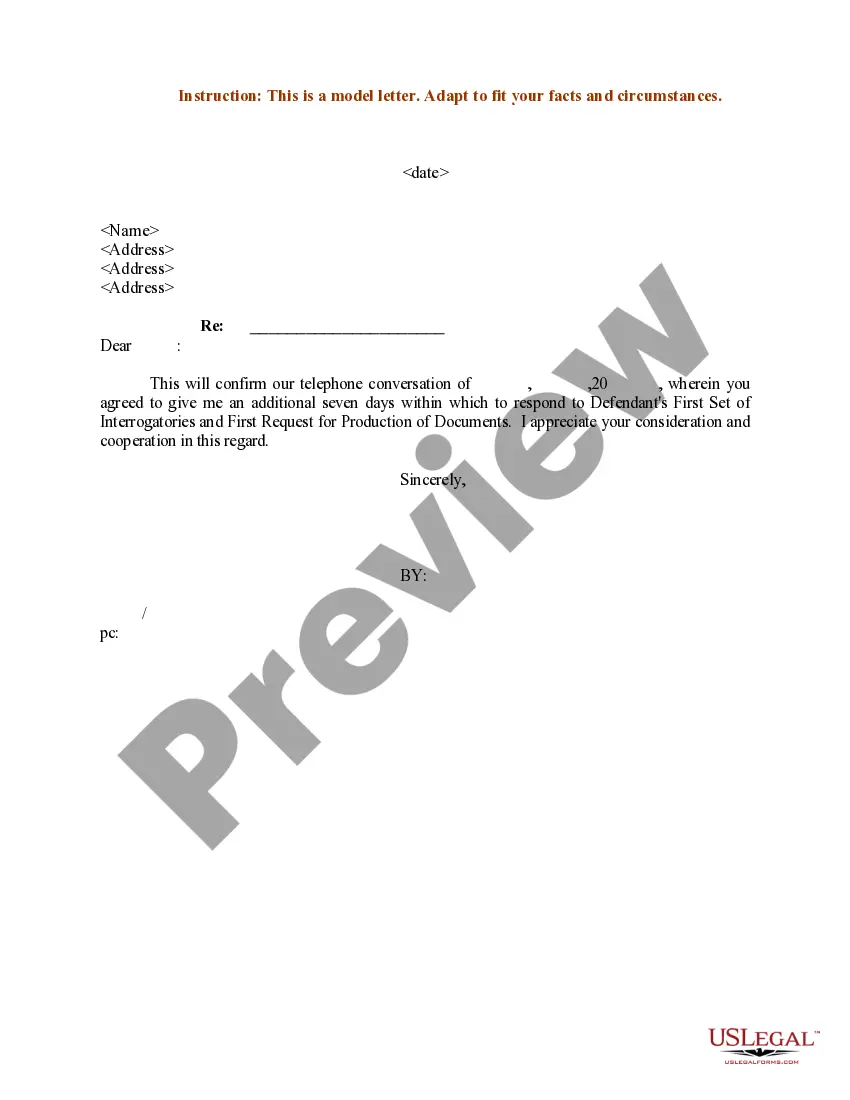
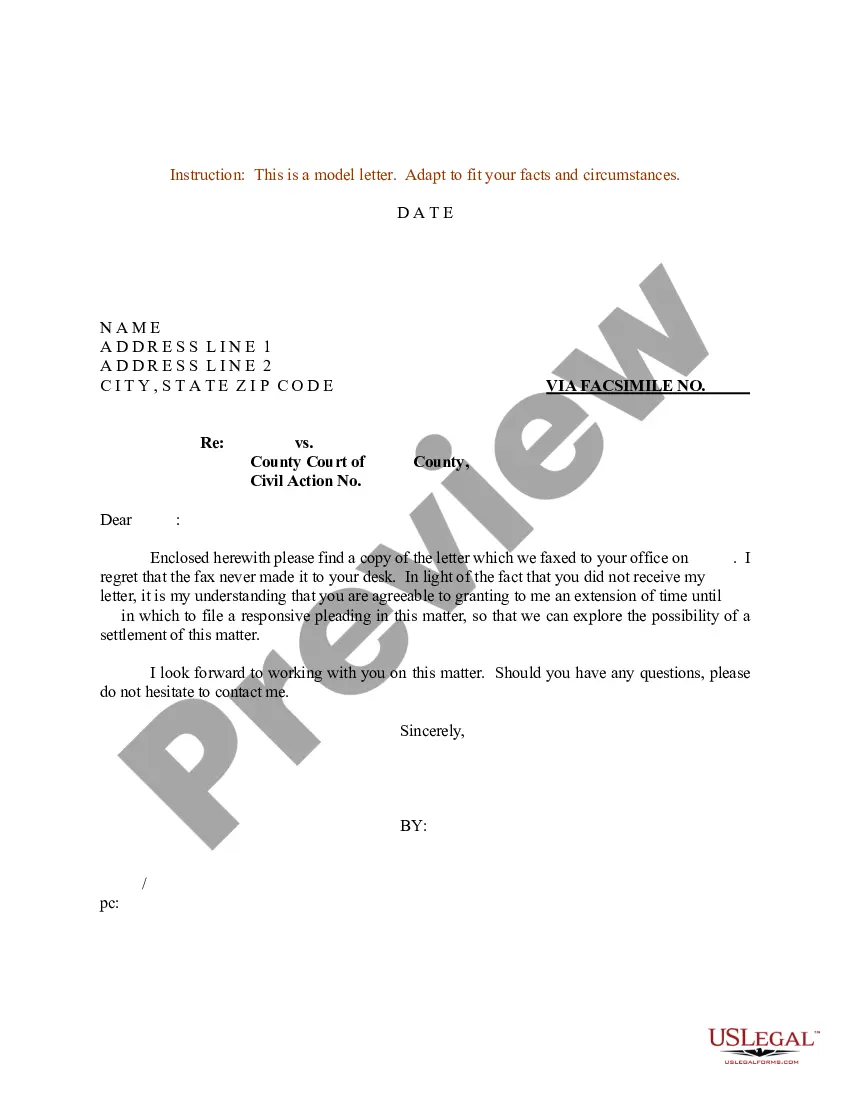
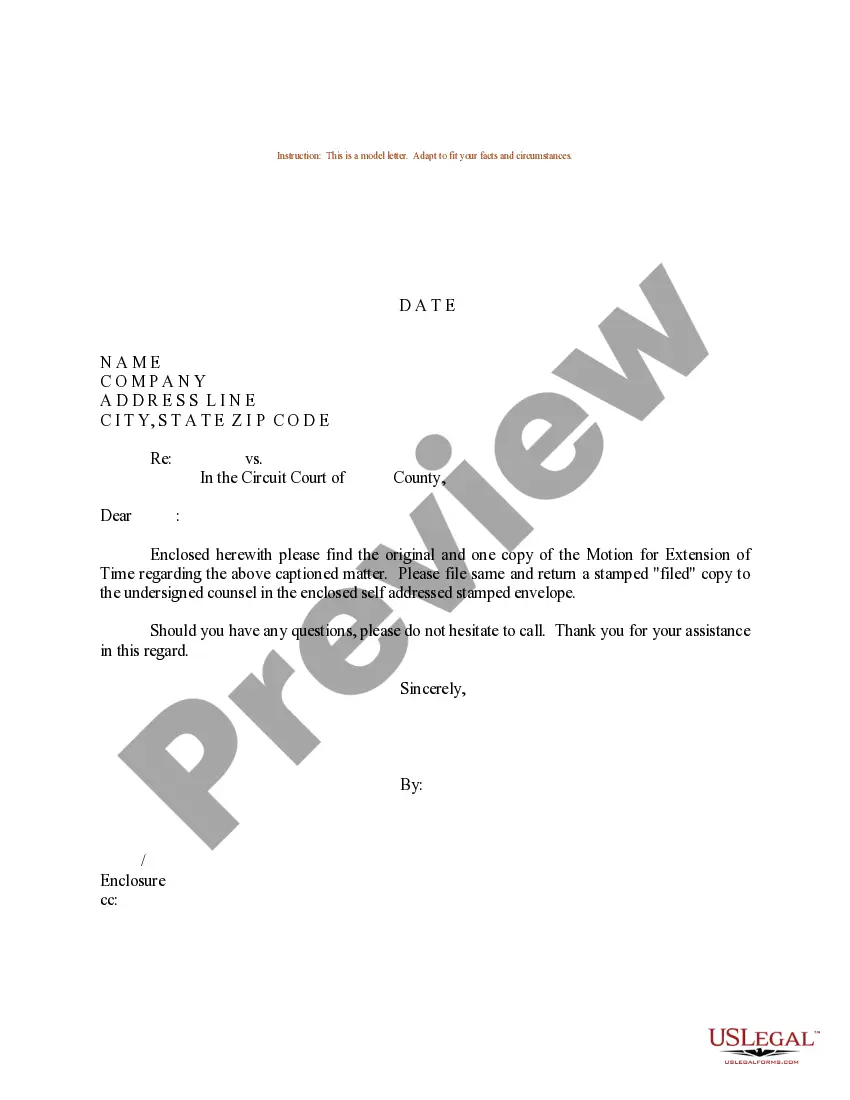
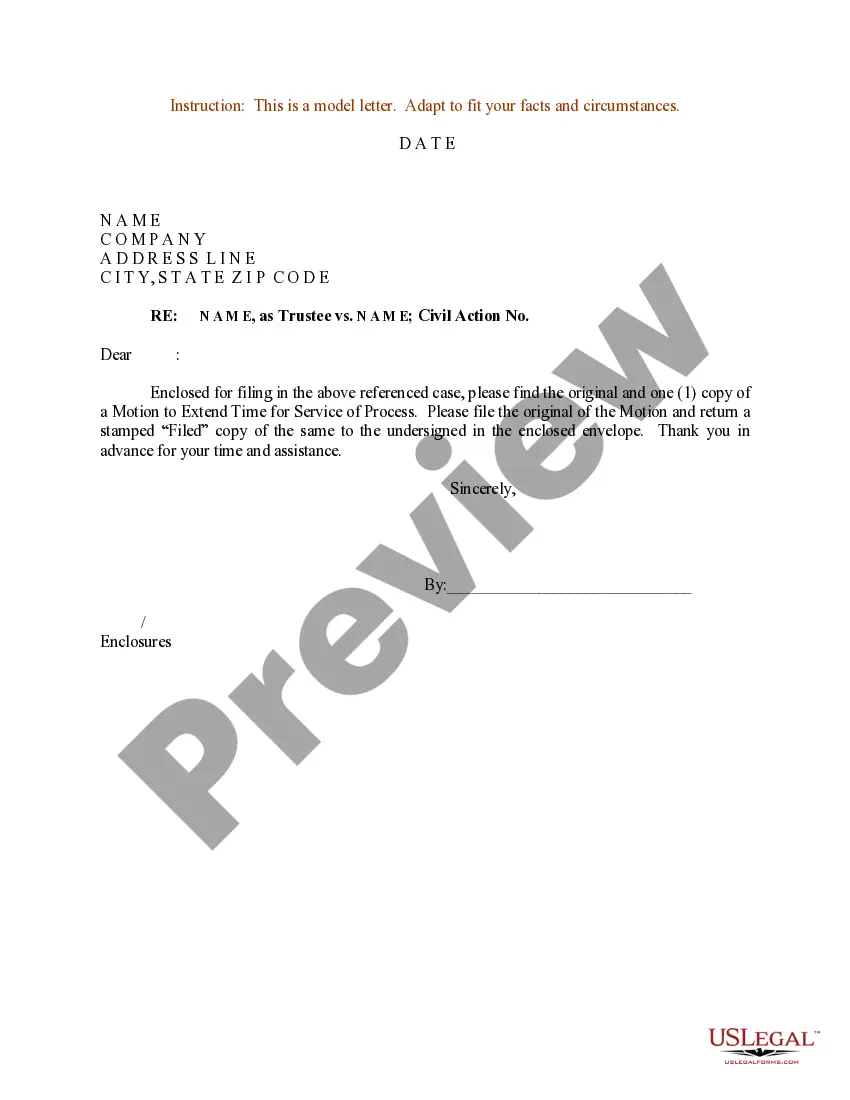
Time Extension For Construction Project In Utah
Description
Get your form ready online
Our built-in tools help you complete, sign, share, and store your documents in one place.
Make edits, fill in missing information, and update formatting in US Legal Forms—just like you would in MS Word.
Download a copy, print it, send it by email, or mail it via USPS—whatever works best for your next step.
Sign and collect signatures with our SignNow integration. Send to multiple recipients, set reminders, and more. Go Premium to unlock E-Sign.
If this form requires notarization, complete it online through a secure video call—no need to meet a notary in person or wait for an appointment.
We protect your documents and personal data by following strict security and privacy standards.

Make edits, fill in missing information, and update formatting in US Legal Forms—just like you would in MS Word.

Download a copy, print it, send it by email, or mail it via USPS—whatever works best for your next step.

Sign and collect signatures with our SignNow integration. Send to multiple recipients, set reminders, and more. Go Premium to unlock E-Sign.

If this form requires notarization, complete it online through a secure video call—no need to meet a notary in person or wait for an appointment.

We protect your documents and personal data by following strict security and privacy standards.
Looking for another form?


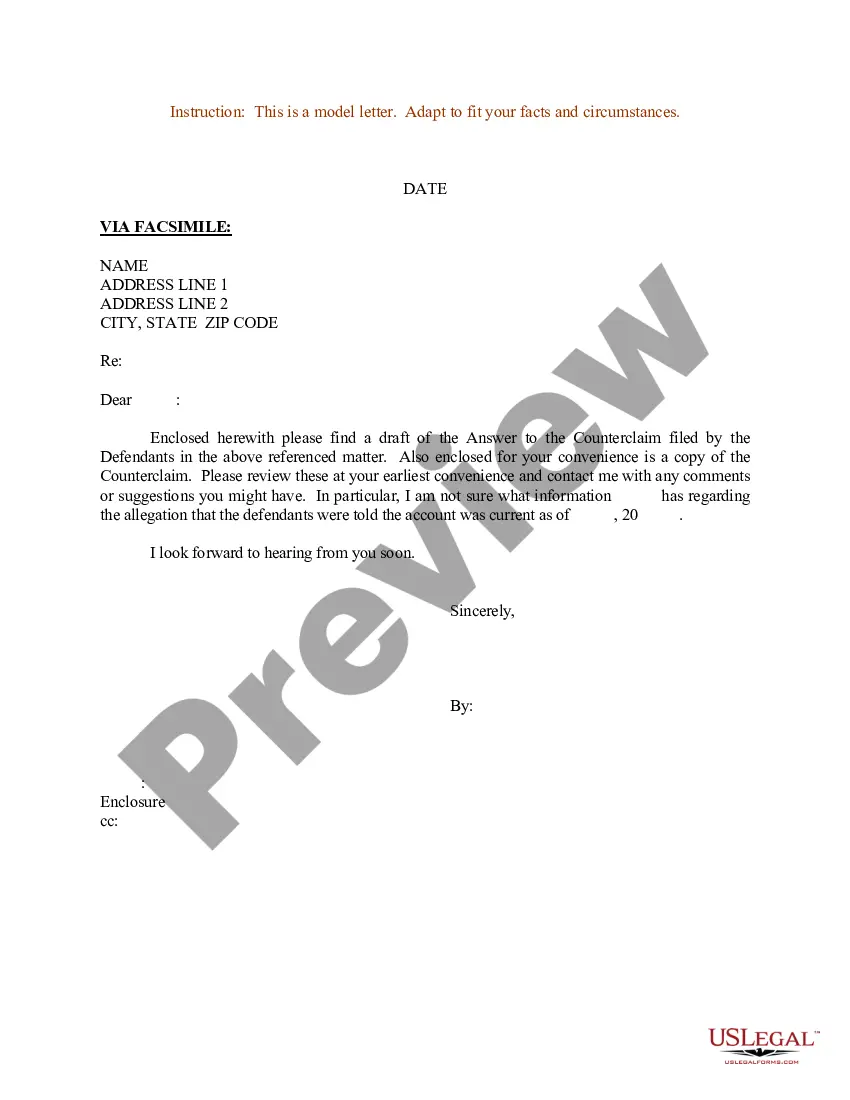
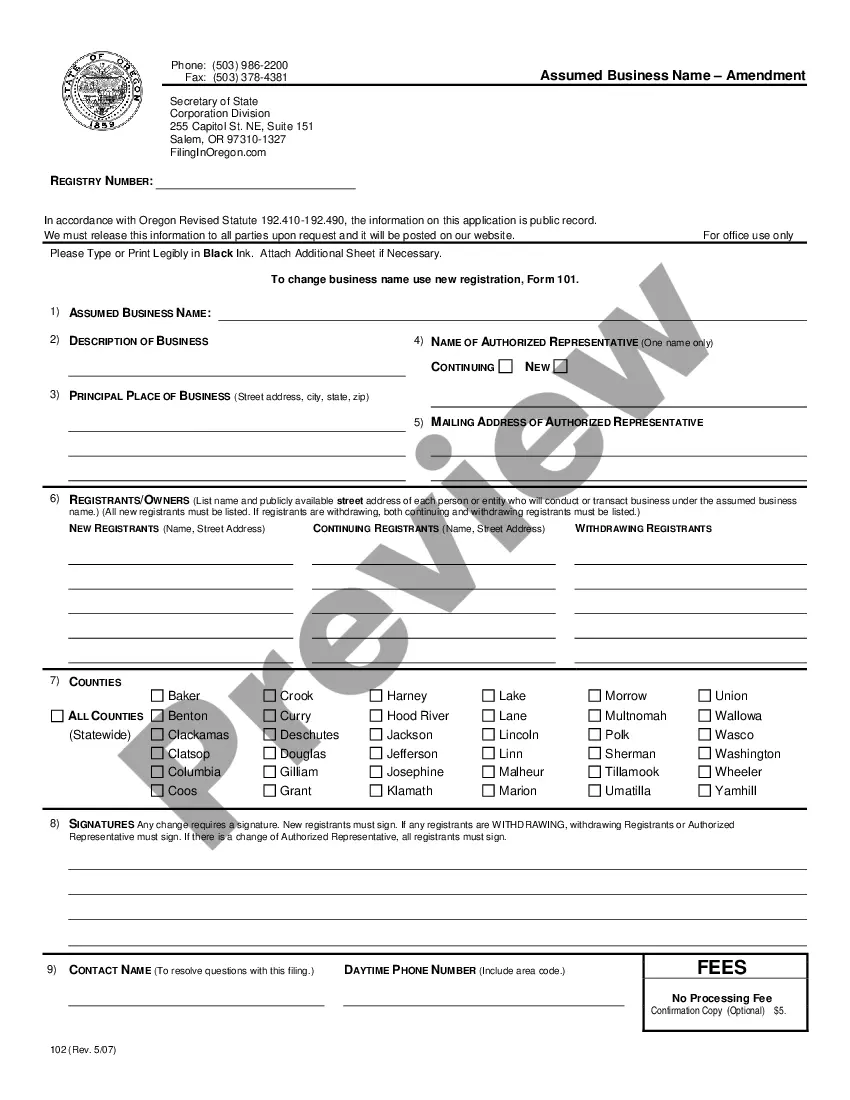


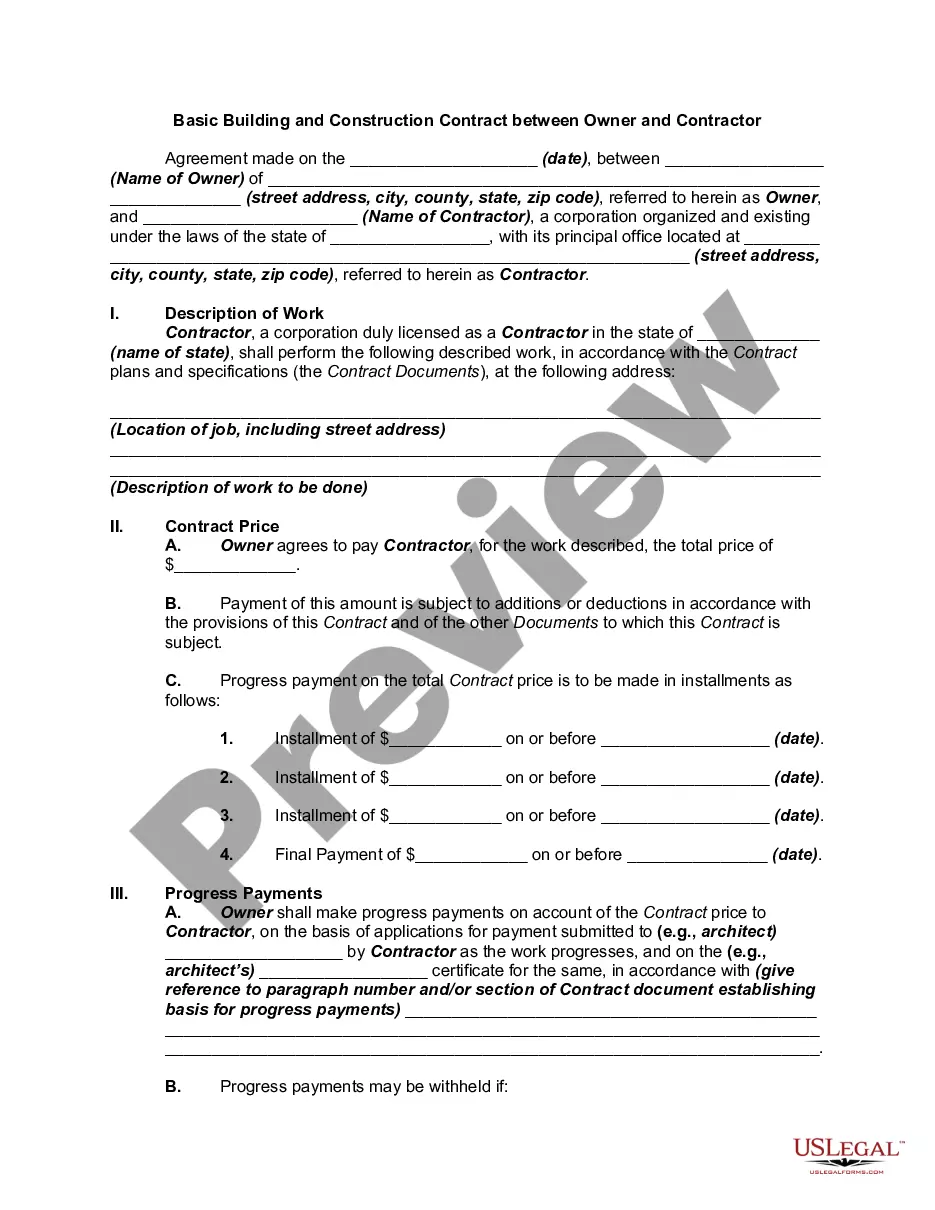


Form popularity
FAQ
In Utah, the statute of limitations is typically four years from the date of the accident. While this may seem like plenty of time to file your claim, acting quickly to preserve evidence and increase your chances of a favorable outcome is essential.
A. Under this statute, an action based in contract or warranty must be brought within six years of the date of completion of the improvement or abandonment of construction. However, the statute allows parties to change this period through an express provision in a contract or warranty.
Construction Law and the 'Right to Cure' Statute of Limitations California 4 years for contracts 2 years for personal injury 3 years for property damage Colorado 3 years for contracts 2 years for torts Connecticut 6 years for contracts 3 years for torts 2 years for negligence Delaware 3 years for contracts 2 years for torts47 more rows
Statutes of Limitations in Utah Cause of ActionStatute Personal injury: 4 years Utah Code § 78B-2-307(4) (2024) Product liability: 2 years Utah Code § 78B-6-706 (2024) Property damage: 3 years or 4 years (car accidents only) Utah Code § 78B-2-305(2) (2024) Utah Code § 78B-2-307(3) (2024)11 more rows •
A. Under this statute, an action based in contract or warranty must be brought within six years of the date of completion of the improvement or abandonment of construction. However, the statute allows parties to change this period through an express provision in a contract or warranty.
Extensions of time (EOT) refer to the additional time given to complete the construction project beyond the original agreed completion date. EOTs are granted when there are delays caused by unforeseen circumstances, which are beyond the control of the contractor.
A: A project extension refers to the addition of activities and/or partners that require additional funding. Such additional activities comprise, for example, pilots or demonstrations that complement the existing framework of the project with additional ideas and often extended project geography.
An extension of time is a contractual mechanism that permits the adjustment of an existing completion date of a construction contract where certain conditions are met. The failure to claim for an extension of time where delay has not been the fault of the contractor can have serious financial consequences.
An extension of time is a provision in construction contracts allowing the project completion date to be adjusted due to legitimate delays. Without it, contractors might face penalties for delays beyond their control. EOT is not just about buying time. It's also about fairness.
What does Extension of time mean? A mechanism by which a contractor requests a longer period than had been contractually agreed in order to complete the building works. A contractor will usually make a request for an extension of time and give reasons for it.

