Pleading For Mercy In Phoenix
Description
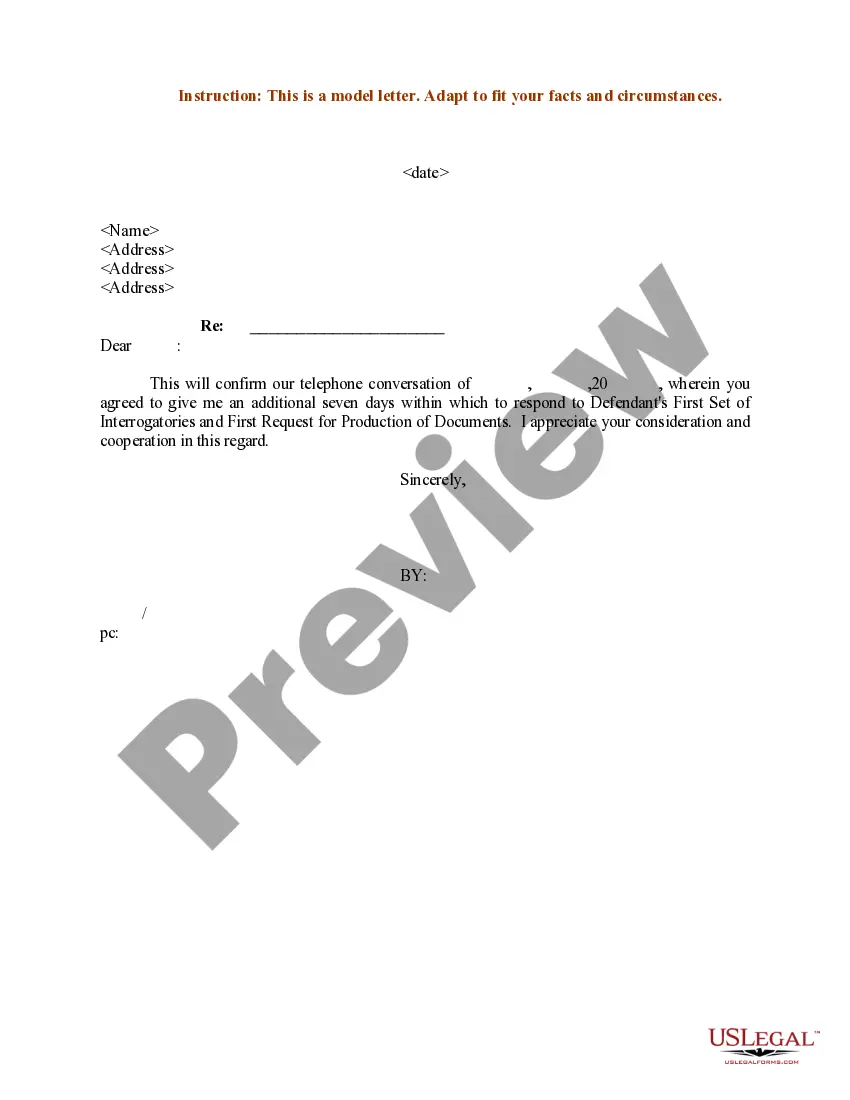
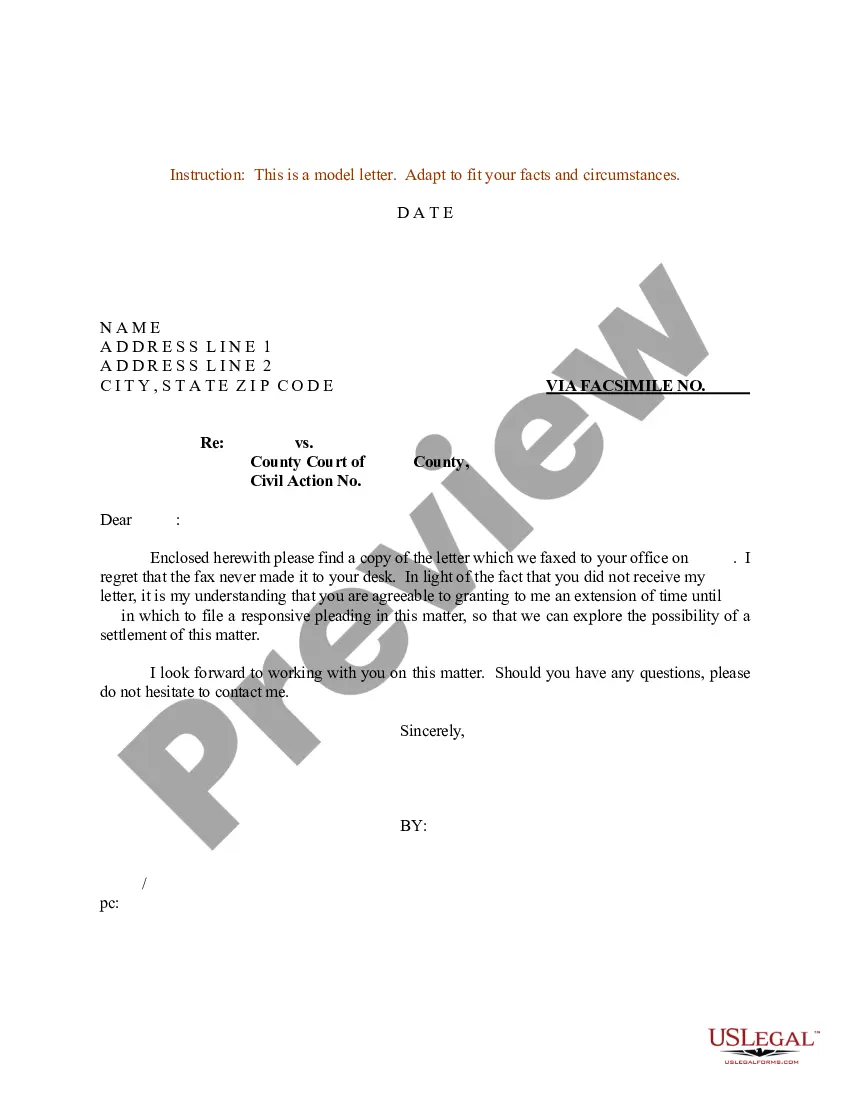


Get your form ready online
Our built-in tools help you complete, sign, share, and store your documents in one place.
Make edits, fill in missing information, and update formatting in US Legal Forms—just like you would in MS Word.
Download a copy, print it, send it by email, or mail it via USPS—whatever works best for your next step.
Sign and collect signatures with our SignNow integration. Send to multiple recipients, set reminders, and more. Go Premium to unlock E-Sign.
If this form requires notarization, complete it online through a secure video call—no need to meet a notary in person or wait for an appointment.
We protect your documents and personal data by following strict security and privacy standards.

Make edits, fill in missing information, and update formatting in US Legal Forms—just like you would in MS Word.

Download a copy, print it, send it by email, or mail it via USPS—whatever works best for your next step.

Sign and collect signatures with our SignNow integration. Send to multiple recipients, set reminders, and more. Go Premium to unlock E-Sign.

If this form requires notarization, complete it online through a secure video call—no need to meet a notary in person or wait for an appointment.

We protect your documents and personal data by following strict security and privacy standards.
Looking for another form?






Form popularity
FAQ
This is a quality that has to do with compassion, forgiveness, and leniency. If convicted of a crime, you might plead for the judge's mercy, meaning a lesser punishment. When people say "May God have mercy on me!" they're asking for forgiveness. Mercy may be given or received.
Pleading for Mercy and Forgiveness of Sin Cleanse my thoughts and desires. Restore to me again the joy of your salvation, and make me willing to obey you. Jesus, have mercy on me. Jesus, have mercy on me. Jesus, have mercy on me. Jesus, I trust in You. Jesus, I trust in You. Jesus, I trust in You. Amen.
Contact Chambers Law Firm at 714-760-4088 for support from a criminal defense attorney. Start with a Clear Introduction. Introduce Yourself and Establish Credibility. Provide Reasons for Leniency. Tell a Story or Give Specific Examples. Provide Your Contact Information. Not the Same as a Motion to Modify a Sentence.
Mercy means compassionate treatment or behavior towards criminal offenders or those in distress, especially in imprisonment. For example, in criminal cases, a plea of the defendant tacitly admits his guilt by throwing himself at the mercy of the court.
➢ Beneficiary deeds are filed in the Maricopa County Recorder's Office.
Probate records, such as wills, claims, administrations, case files, and calendars are in the custody of the clerk of the superior court in each county courthouse.
Steps to Making a Will in Arizona Choose an Executor. The first step in making a will is nominating an executor who will act as the personal representative of your estate. Name Beneficiaries and Guardians. Divide Your Assets. Sign the Will and Have it Witnessed. Update Your Will Regularly and in the Right Way.
Filing a Will or Probate Case The Probate Filing Counter is located at 201 W. Jefferson in Phoenix, or at our Southeast location, 222 E. Javelina in Mesa, or at our Northwest Regional Court Center location at 14264 W.
Opening Probate While some states allow up to six years to probate an estate, the state of Arizona will only accept probate cases that are opened within two years of the decedent's passing (ARS 14-3108).
Noun – In criminal law, partial remission of a punishment to which a convict is subject, as distinguished from pardon, or total remission.

