Pleading For Help In Maryland
Description
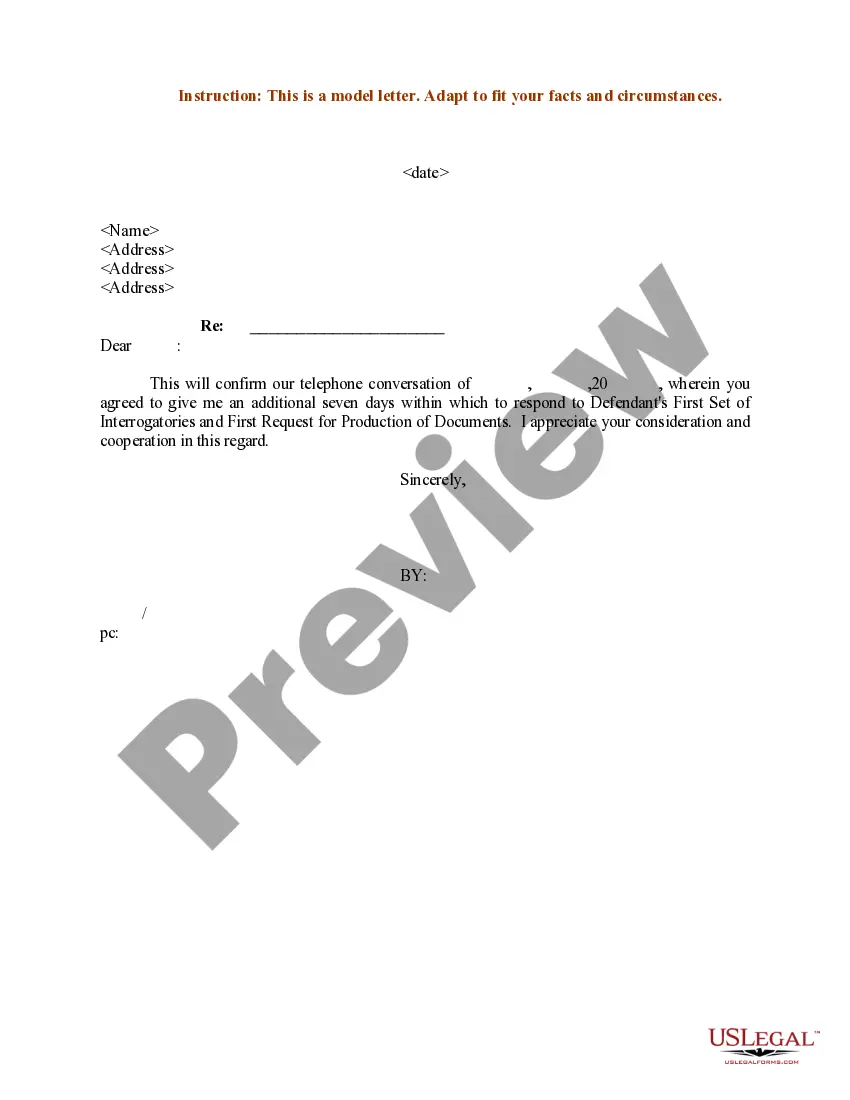
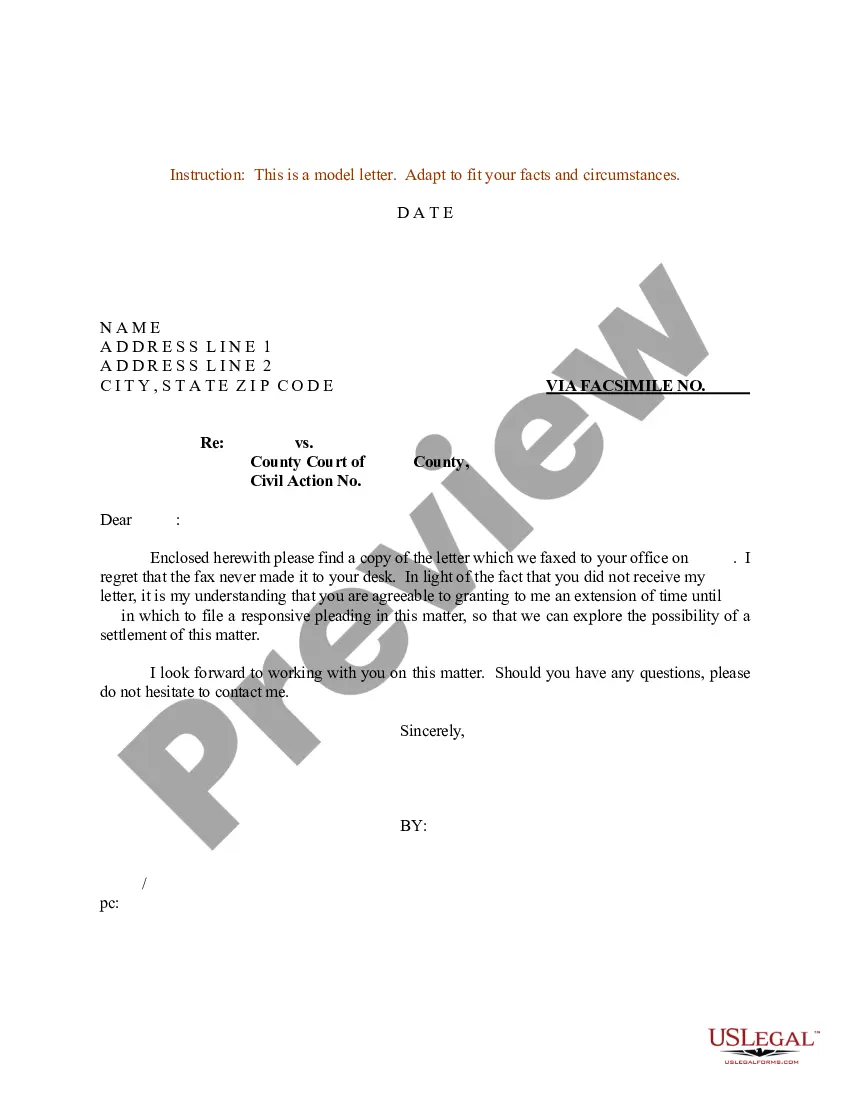
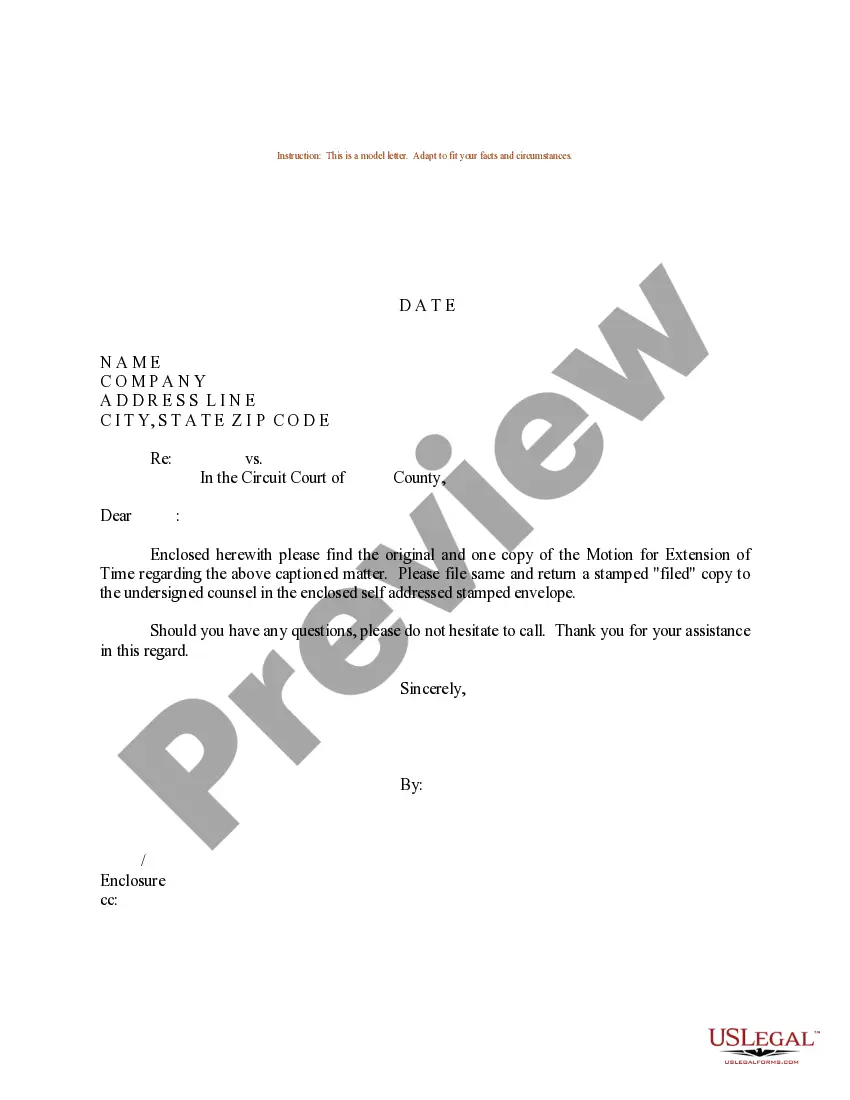
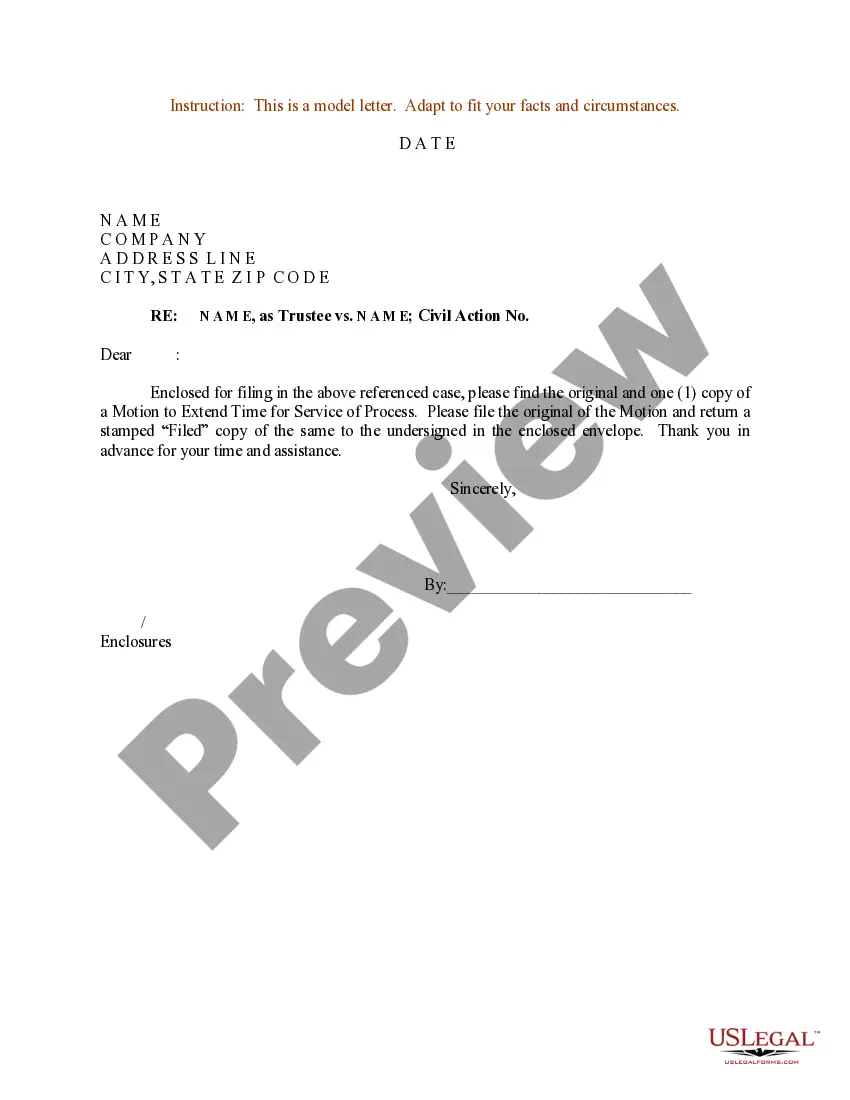
Get your form ready online
Our built-in tools help you complete, sign, share, and store your documents in one place.
Make edits, fill in missing information, and update formatting in US Legal Forms—just like you would in MS Word.
Download a copy, print it, send it by email, or mail it via USPS—whatever works best for your next step.
Sign and collect signatures with our SignNow integration. Send to multiple recipients, set reminders, and more. Go Premium to unlock E-Sign.
If this form requires notarization, complete it online through a secure video call—no need to meet a notary in person or wait for an appointment.
We protect your documents and personal data by following strict security and privacy standards.

Make edits, fill in missing information, and update formatting in US Legal Forms—just like you would in MS Word.

Download a copy, print it, send it by email, or mail it via USPS—whatever works best for your next step.

Sign and collect signatures with our SignNow integration. Send to multiple recipients, set reminders, and more. Go Premium to unlock E-Sign.

If this form requires notarization, complete it online through a secure video call—no need to meet a notary in person or wait for an appointment.

We protect your documents and personal data by following strict security and privacy standards.
Looking for another form?









Form popularity
FAQ
It's not illegal to avoid being served with a process, but it is rarely advantageous.
Advice and referrals to other resources are provided to applicants who we are unable to represent. Eligibility-income: Household income must be below 125% of the federal poverty income guidelines.
A pleading shall contain only such statements of fact as may be necessary to show the pleader's entitlement to relief or ground of defense. It shall not include argument, unnecessary recitals of law, evidence, or documents, or any immaterial, impertinent, or scandalous matter.
Service of process may be made within this State or, when authorized by the law of this State, outside of this State (1) by delivering to the person to be served a copy of the summons, complaint, and all other papers filed with it; (2) if the person to be served is an individual, by leaving a copy of the summons, ...
Pursuant to State Government Article, §20-304, Annotated Code of Maryland, it is unlawful for an owner or operator of a place of public accommodation or an agent/employee of the owner or operator to refuse, withhold from, or deny to anyone the accommodations, advantages, facilities and privileges of a place of public ...
If the defendant tries to evade service by staying away from their home, you can serve them at their workplace or another public place. If that does not work, you may need to locate another address to serve them at.
(a) General Rule. A party shall file an answer to an original complaint, counterclaim, cross-claim, or third-party claim within 30 days after being served, except as provided by sections (b) and (c) of this Rule.
Rule 19-214 - Order of Admission; Time Limitation (a)Order of Admission. When the Court has determined that an applicant or petitioner is qualified to practice law and is of good moral character, it shall enter an order directing that the applicant be admitted to the Bar on taking the oath required by law.
Every pleading must have a caption with the court's name, a title, a file number, and a Rule 7(a) designation. The title of the complaint must name all the parties; the title of other pleadings, after naming the first party on each side, may refer generally to other parties. (b) Paragraphs; Separate Statements.
There are several types of pleadings in civil litigation. These include complaints, which serve as the basis of the legal action, and answers, which are the responses to the complaints. There may also be counterclaims, crossclaims, and third-party claims, which are also types of pleadings.
