Pleading With You In Maricopa
Description
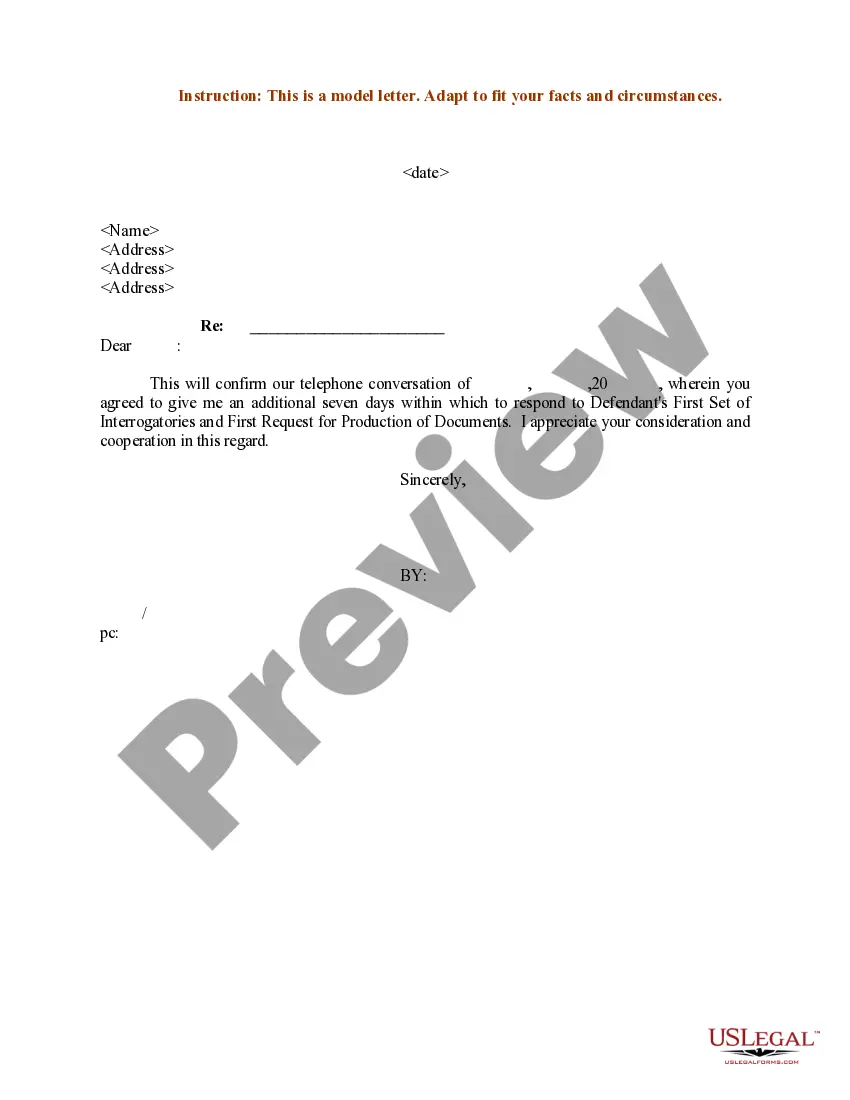
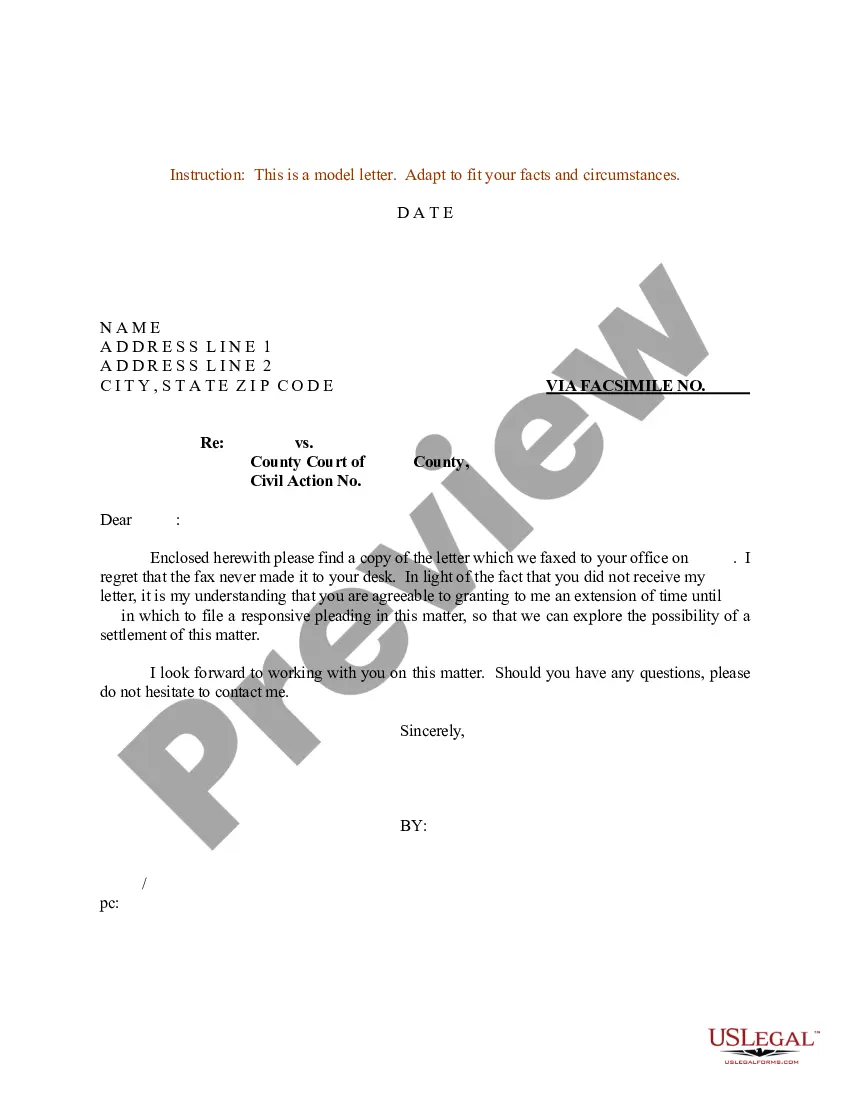
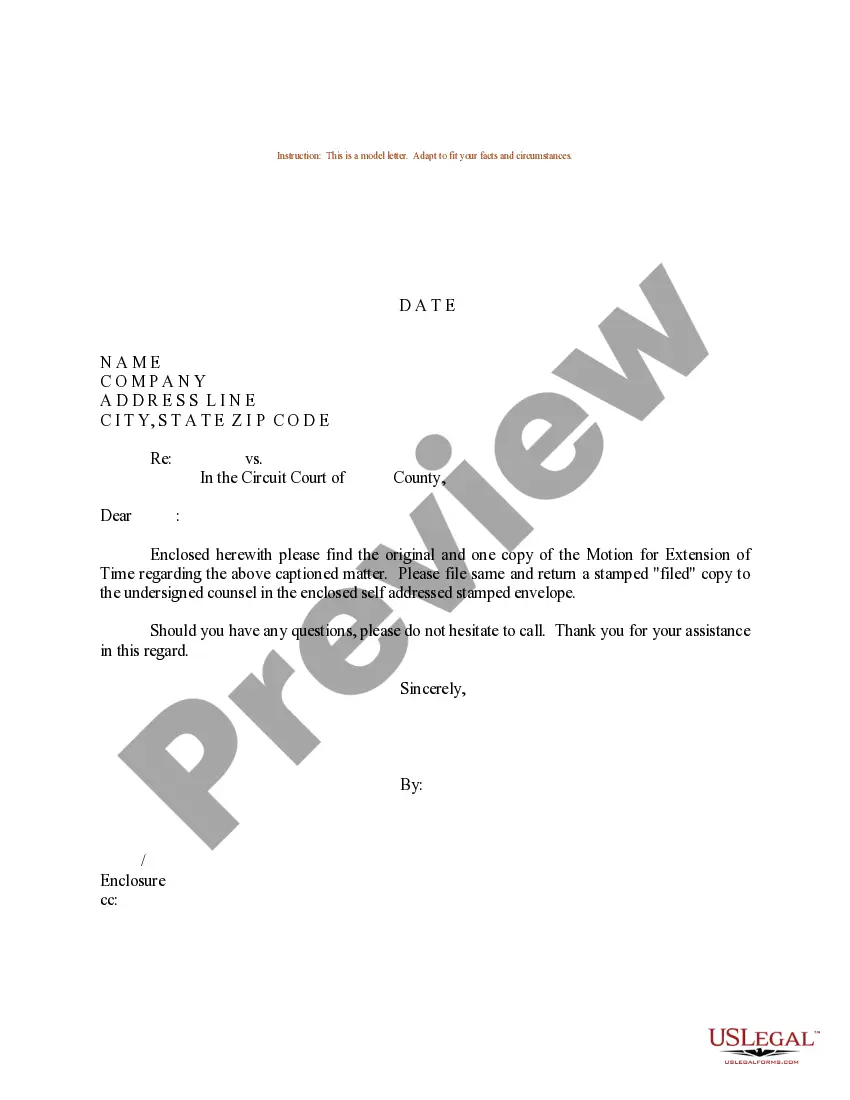
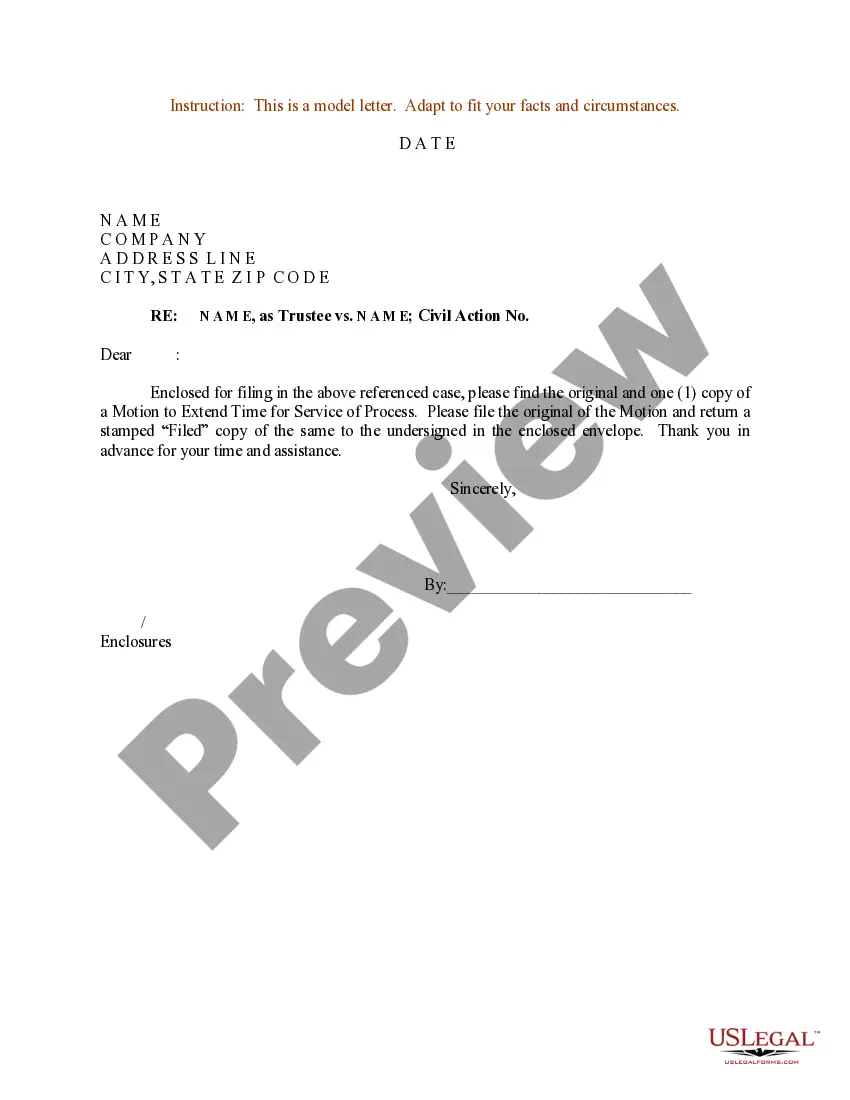
Get your form ready online
Our built-in tools help you complete, sign, share, and store your documents in one place.
Make edits, fill in missing information, and update formatting in US Legal Forms—just like you would in MS Word.
Download a copy, print it, send it by email, or mail it via USPS—whatever works best for your next step.
Sign and collect signatures with our SignNow integration. Send to multiple recipients, set reminders, and more. Go Premium to unlock E-Sign.
If this form requires notarization, complete it online through a secure video call—no need to meet a notary in person or wait for an appointment.
We protect your documents and personal data by following strict security and privacy standards.

Make edits, fill in missing information, and update formatting in US Legal Forms—just like you would in MS Word.

Download a copy, print it, send it by email, or mail it via USPS—whatever works best for your next step.

Sign and collect signatures with our SignNow integration. Send to multiple recipients, set reminders, and more. Go Premium to unlock E-Sign.

If this form requires notarization, complete it online through a secure video call—no need to meet a notary in person or wait for an appointment.

We protect your documents and personal data by following strict security and privacy standards.
Looking for another form?
Form popularity
FAQ
Generally, your Summons and Complaint must be served within 90 days after you file the Complaint. (ARCP 4(i)) If you fail to serve the Defendants within 90 days, your Complaint will be dismissed.
Overview You write your motion. You file your motion with the court clerk. The court clerk inserts the date and time your motion will be heard by the judge. You “serve” (mail) your motion to the other side. The other side files a written opposition to your motion with the court.
Steps Check if the court has blank motion forms. Some courts have "check the boxes" or "fill in the blank" motion forms. Create your caption. Title your motion. Draft the introductory paragraph to the body of the motion. Request relief. Lay out the applicable facts. Make your legal argument. Insert a signature block.
General format - each motion generally consists of a case caption, a title that briefly identifies the relief sought, a series of numbered paragraphs that explains -- in a logical way -- why you are entitled to that relief, a prayer for relief, a signature block, a certification that a copy of the motion was sent to ...
Steps Check if the court has blank motion forms. Some courts have "check the boxes" or "fill in the blank" motion forms. Create your caption. Title your motion. Draft the introductory paragraph to the body of the motion. Request relief. Lay out the applicable facts. Make your legal argument. Insert a signature block.
Steps Check if a motion is available. One common motion is a motion for summary judgment. Get a sample. You should try to find a sample motion to use when drafting your own. Open a word processing document. Insert the caption. Title your motion. Introduce yourself. Research the law. Explain supporting facts.
In the Rule 11 process, the Court orders two Mental Health Experts to meet with the defendant, conduct competency evaluations, review records, and render opinions on the legal competency status of the defendant in reports submitted to the Court.
In Arizona and many other states, there is the presumption that the parents will both have 50% parenting time and joint legal decision-making.
The Family Court hears cases involving divorce, paternity & maternity actions, legal decision-making, parenting time, and child support.
Arizona courts consider factors such as the child's needs, parental involvement, and each parent's ability to provide a nurturing environment when determining custody arrangements. This information is often outlined in a parenting plan to ensure the child's well-being and development.

