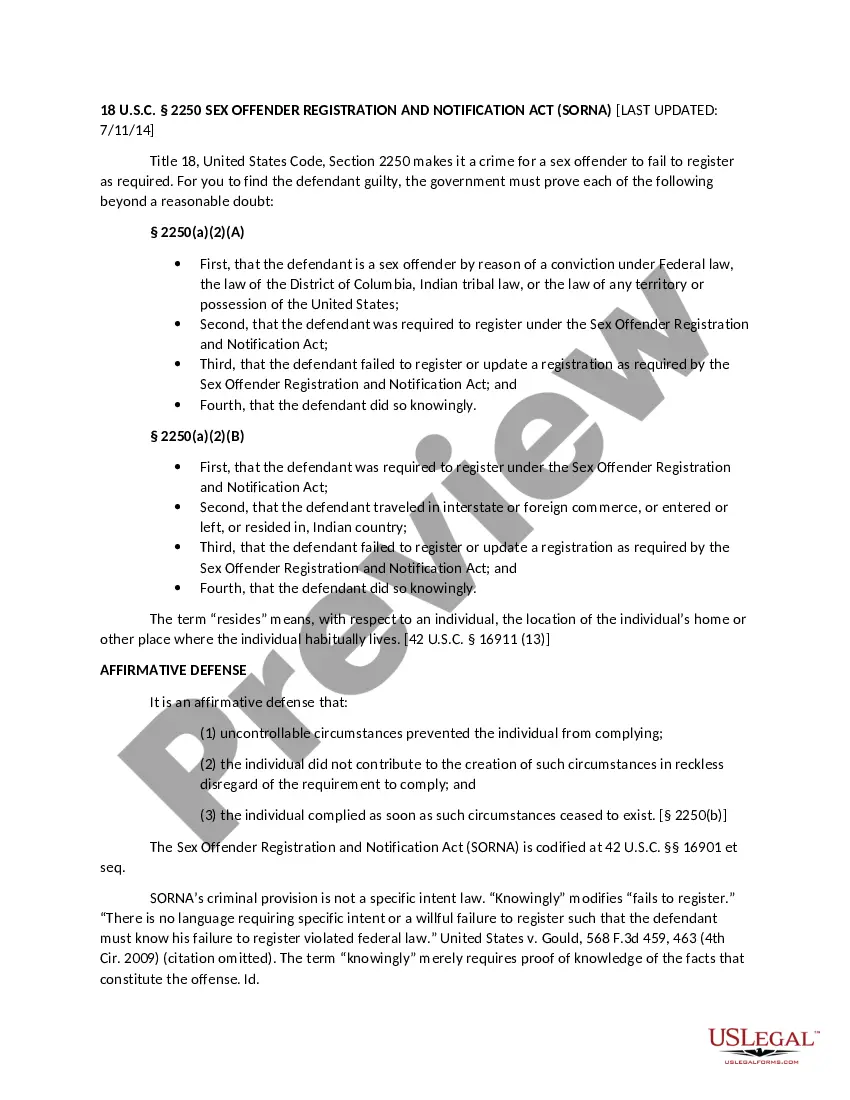
Optional Provisions with Commentary
Overview of this form
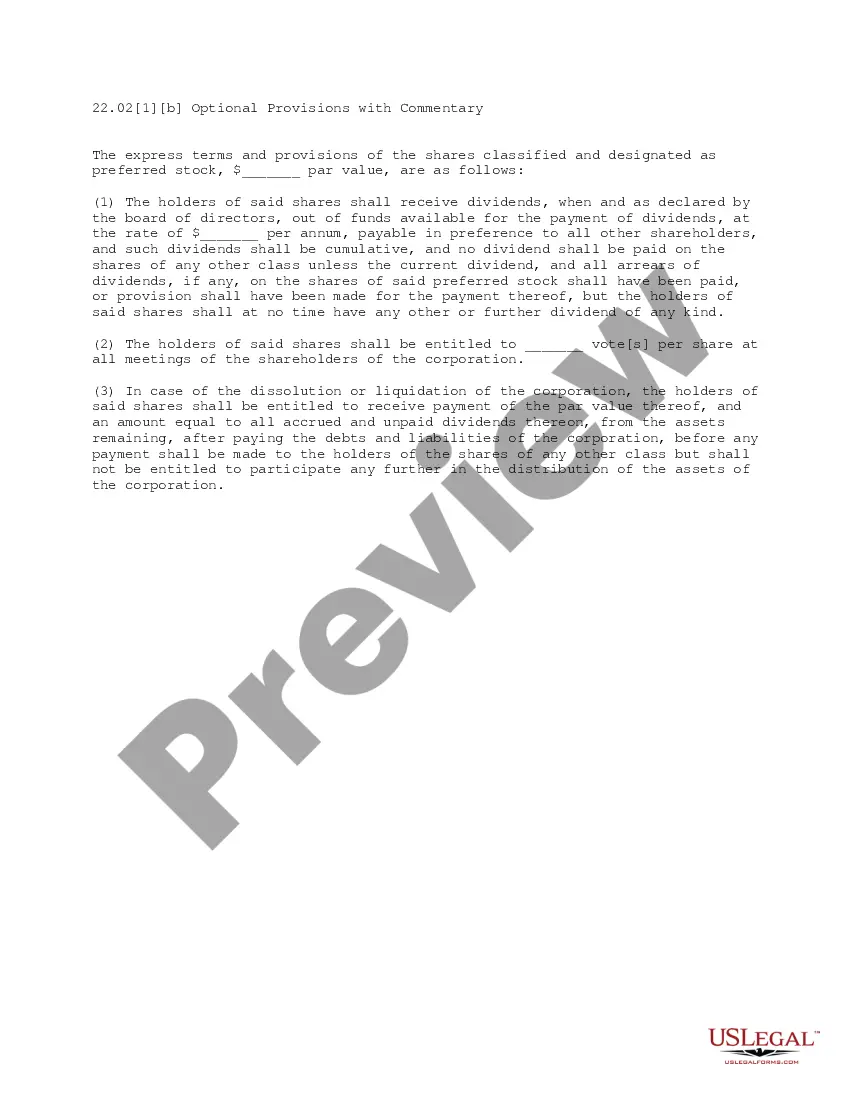
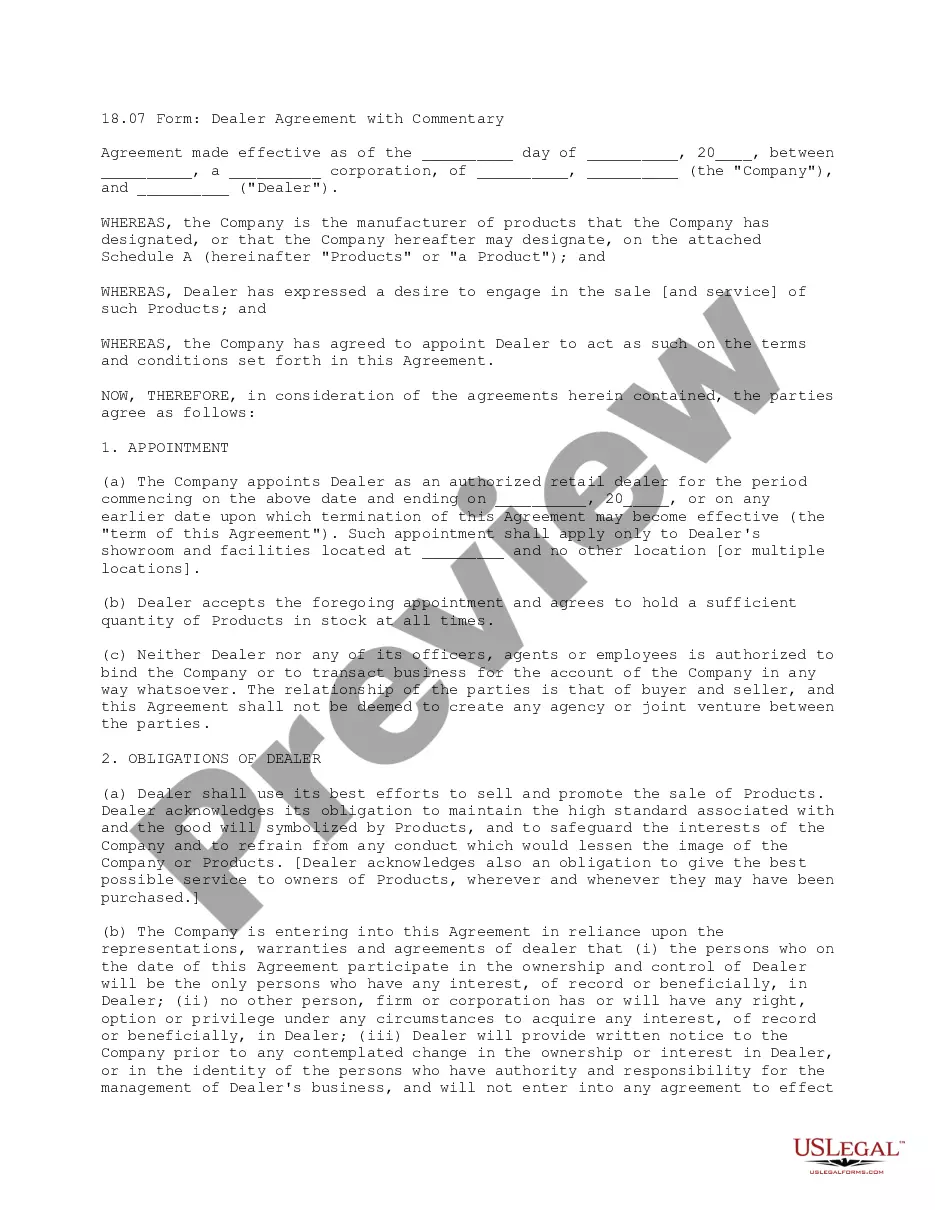
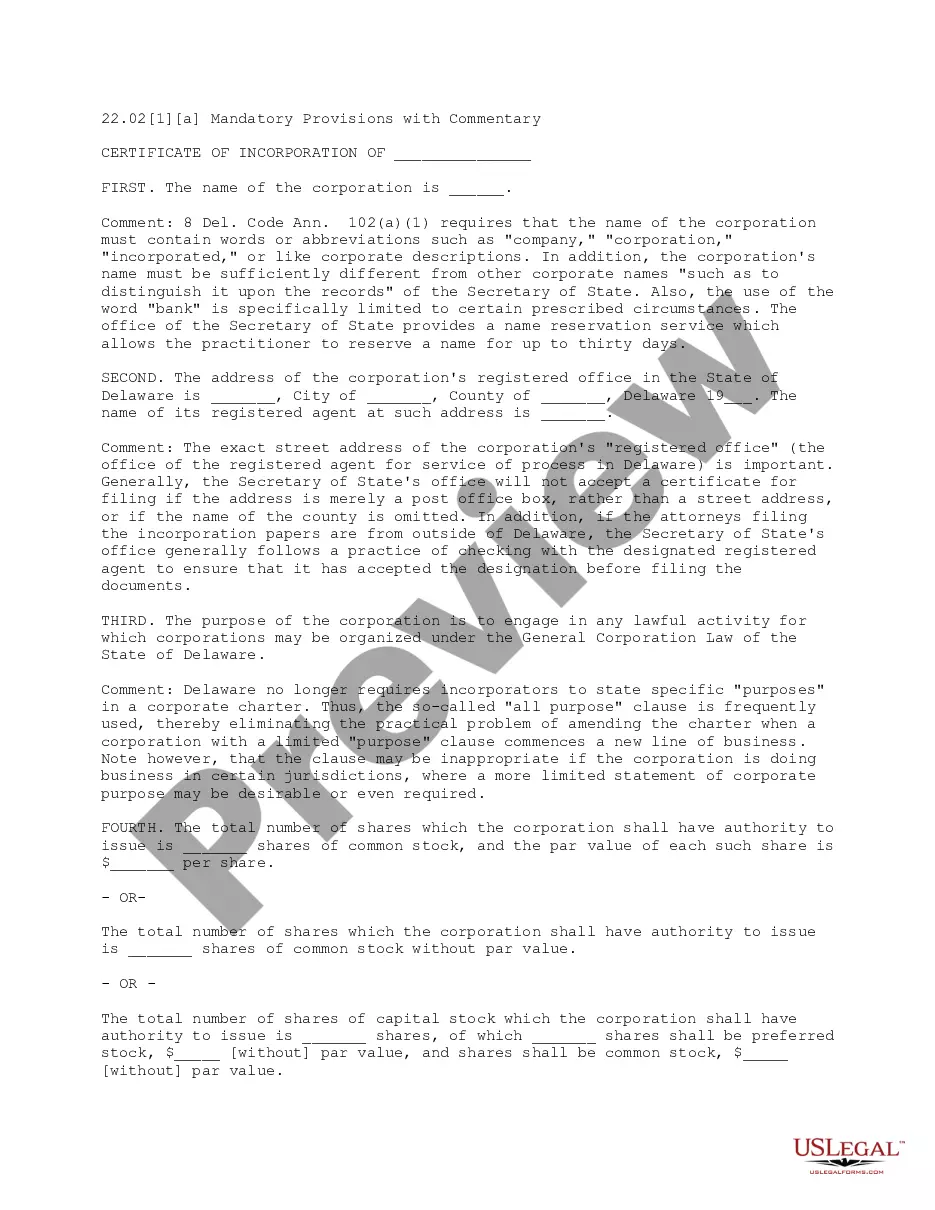
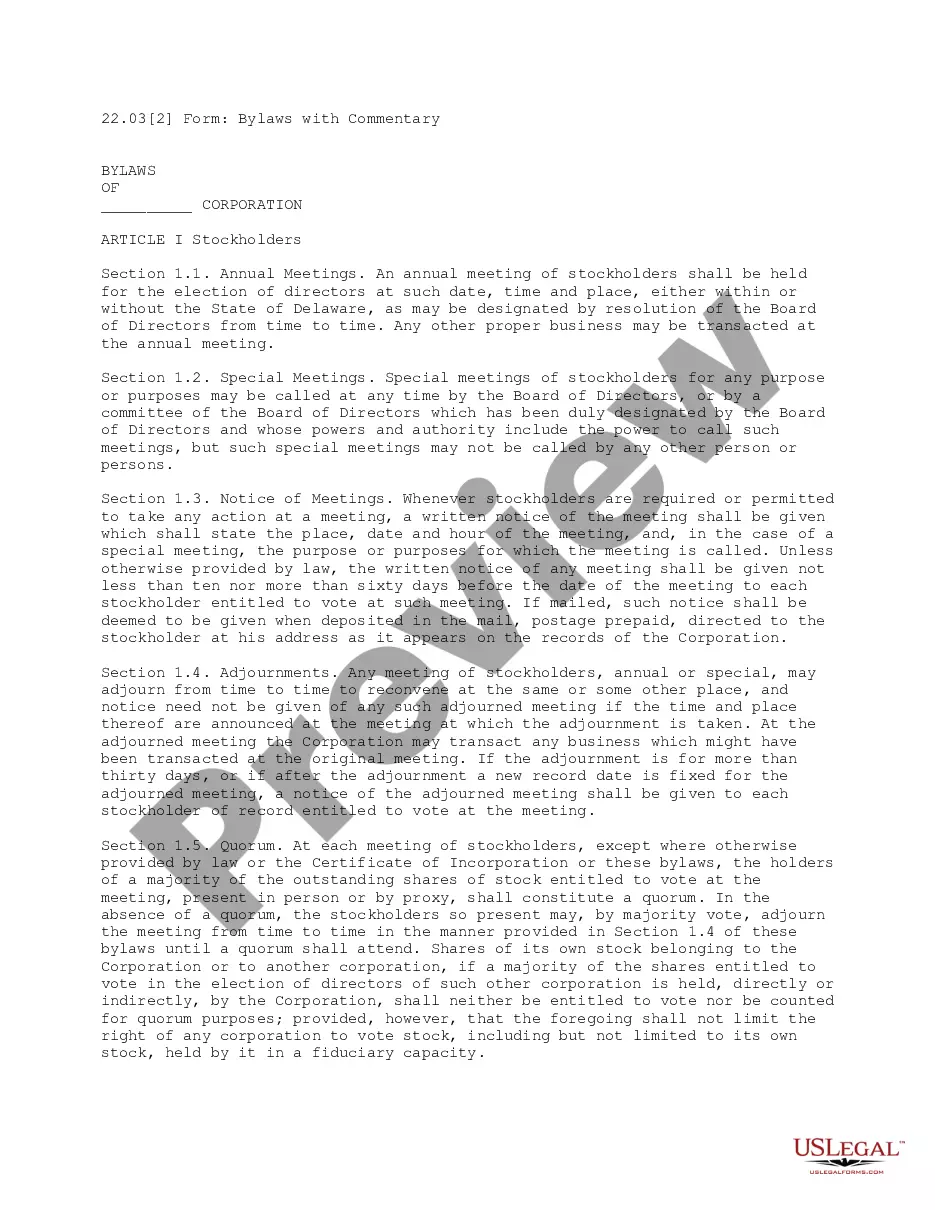
The Optional Provisions with Commentary form is a customizable legal document designed for corporate and business use. It allows companies to define key characteristics and rights associated with preferred stock, including dividend allocation, voting rights, and liquidation preferences. This form stands out by offering commentary explaining each provision, making it easier for users to understand its implications and adapt it to their needs.
Main sections of this form
- Dividend rights: Specifies the rate of dividends for holders of preferred shares.
- Voting rights: Details the number of votes each share of preferred stock carries at shareholder meetings.
- Liquidation rights: Outlines the entitlement of preferred shareholders to receive their investment back and unpaid dividends in the event of company dissolution or liquidation.
Common use cases
This form is useful when a corporation needs to establish or amend the terms associated with its preferred stock. Consider using this document when forming a new corporation, issuing preferred shares, or restructuring existing share classes. It ensures that all preferred stockholders fully understand their rights and obligations.
Intended users of this form
- Corporate founders looking to define share types and shareholder rights.
- Business owners issuing preferred stock to investors.
- Corporate attorneys needing to draft or review provisions related to stock offerings.
Steps to complete this form
- Enter the par value of the preferred stock to define its monetary worth.
- Specify the dividend rate to outline how much shareholders can expect to receive annually.
- Detail the voting power associated with each preferred share.
- Include provisions for payment in case of liquidation, detailing how assets should be distributed.
- Review and adjust each provision to ensure it meets the needs of your corporation.
Is notarization required?
This form does not typically require notarization unless specified by local law. Review any state-specific legal considerations to determine if notarization is needed for your preferred stock provisions to be legally valid.
Get your form ready online
Our built-in tools help you complete, sign, share, and store your documents in one place.
Make edits, fill in missing information, and update formatting in US Legal Forms—just like you would in MS Word.
Download a copy, print it, send it by email, or mail it via USPS—whatever works best for your next step.
Sign and collect signatures with our SignNow integration. Send to multiple recipients, set reminders, and more. Go Premium to unlock E-Sign.
If this form requires notarization, complete it online through a secure video call—no need to meet a notary in person or wait for an appointment.
We protect your documents and personal data by following strict security and privacy standards.

Make edits, fill in missing information, and update formatting in US Legal Forms—just like you would in MS Word.

Download a copy, print it, send it by email, or mail it via USPS—whatever works best for your next step.

Sign and collect signatures with our SignNow integration. Send to multiple recipients, set reminders, and more. Go Premium to unlock E-Sign.

If this form requires notarization, complete it online through a secure video call—no need to meet a notary in person or wait for an appointment.

We protect your documents and personal data by following strict security and privacy standards.
Avoid these common issues
- Failing to verify state-specific regulations related to preferred stock.
- Leaving key sections blank, such as dividend rates or voting rights.
- Not discussing the provisions with all shareholders before finalizing the document.
Advantages of online completion
- Convenience of downloading and customizing the form at your own pace.
- Accessibility on any device, allowing you to complete the document whenever you need.
- Flexibility to edit the document as your business needs evolve.
Legal use & context
- This form helps clarify shareholder rights regarding dividends and voting, promoting transparency within the corporation.
- Properly drafted provisions help mitigate potential disputes among shareholders in the future.
Summary of main points
- The Optional Provisions with Commentary form is essential for defining the rights of preferred shareholders.
- Understanding each component of the form can significantly benefit corporate governance.
- Always ensure compliance with state laws when drafting or modifying this document.
Looking for another form?



Form popularity
FAQ
Optional Uniform Policy Provisions These requirements include the obligation to inform the insurer of changes in income, especially if due to a disability, or changes to a more or less dangerous occupation.
The change of occupation optional provision allows an insurance company to increase the policy premium or the amount an insured would pay for the policy if the insured changes to a more risky occupation. The insurance company would decrease the premium if the insured changed to a less risky occupation.
Other Provisions . - means a balance sheet valuation account established through charges to provision expense in the income statement in order to reflect erosion in the value of any other assets being held by the institution.
Optional Provisions in Articles of Incorporation.(1) A provision limiting the duration of the corporation's existence to a specified date.
Mandatory provisions include statements indicating the purpose of the corporation, the intent to incorporate and the name and address of the corporation. Most statutes allow a corporation to possess any purpose within the law, and the articles of incorporation may broadly state the specific purpose.
Broadly, articles of incorporation should include the company's name, type of corporate structure, and number and type of authorized shares. Bylaws work in conjunction with the articles of incorporation to form the legal backbone of the business.
The change of occupation optional provision allows an insurance company to increase the policy premium or the amount an insured would pay for the policy if the insured changes to a more risky occupation. The insurance company would decrease the premium if the insured changed to a less risky occupation.
Optional provision means a provision of any of parts 1 to 14 or part 16 of the Act (together with any statutory modification thereof in force at the date on which these Articles become binding on the Company) that applies to designated activity companies limited by shares and that: Sample 1. Sample 2.
Which of these is considered a mandatory provision? "Payment of Claims". Payment of Claims is considered a mandatory provision and directs where the claim benefits will go. The others are considered optional provisions.