Pleading For Mercy In Los Angeles
Description
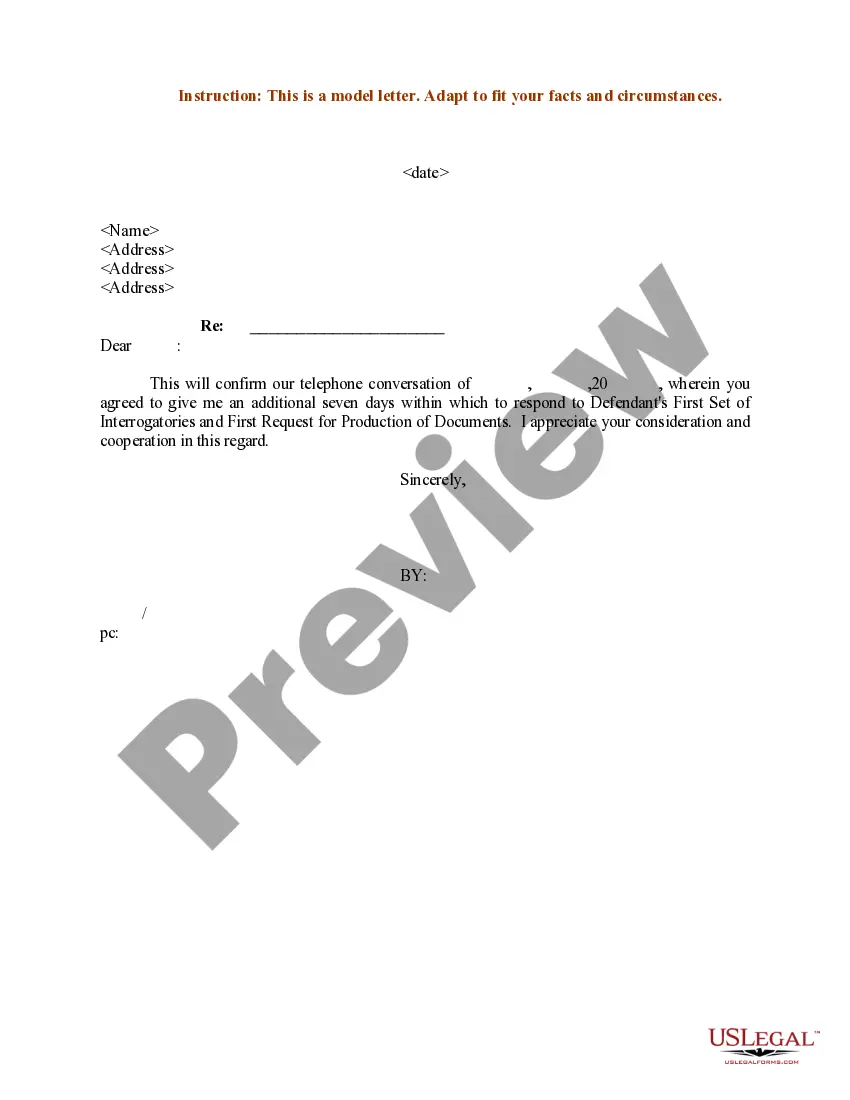
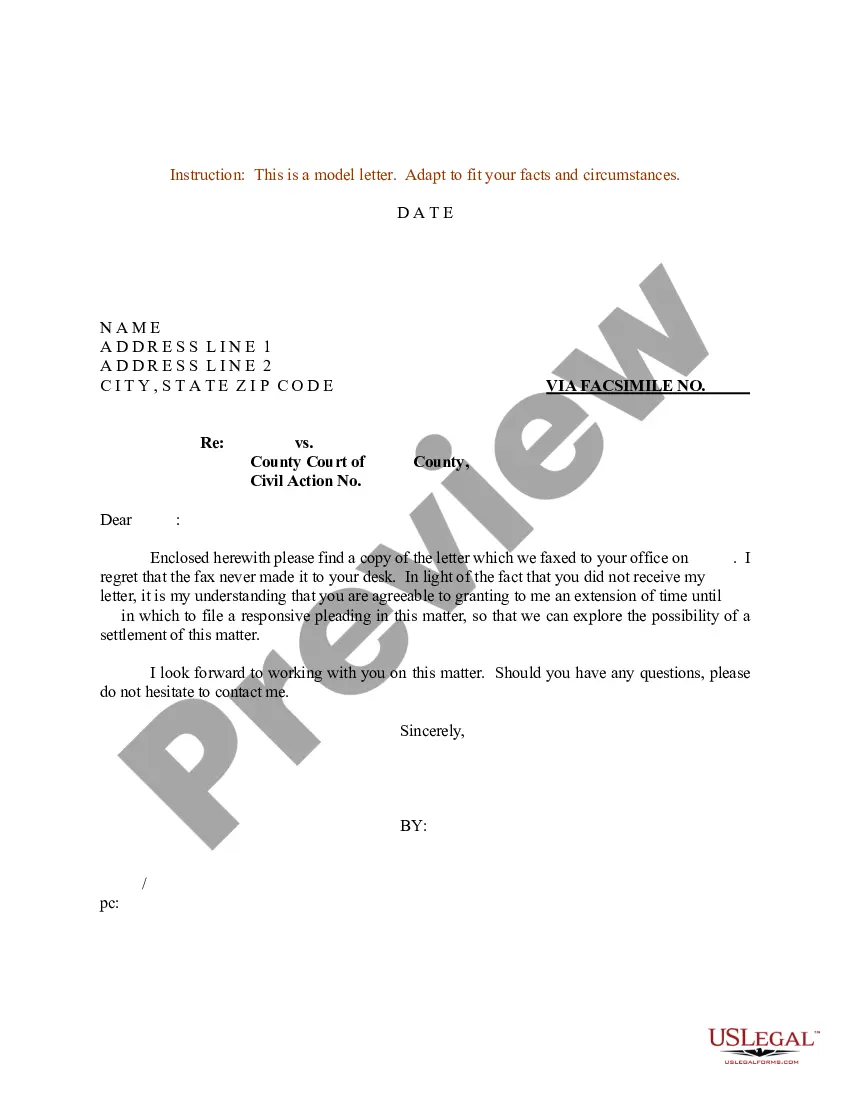


Get your form ready online
Our built-in tools help you complete, sign, share, and store your documents in one place.
Make edits, fill in missing information, and update formatting in US Legal Forms—just like you would in MS Word.
Download a copy, print it, send it by email, or mail it via USPS—whatever works best for your next step.
Sign and collect signatures with our SignNow integration. Send to multiple recipients, set reminders, and more. Go Premium to unlock E-Sign.
If this form requires notarization, complete it online through a secure video call—no need to meet a notary in person or wait for an appointment.
We protect your documents and personal data by following strict security and privacy standards.

Make edits, fill in missing information, and update formatting in US Legal Forms—just like you would in MS Word.

Download a copy, print it, send it by email, or mail it via USPS—whatever works best for your next step.

Sign and collect signatures with our SignNow integration. Send to multiple recipients, set reminders, and more. Go Premium to unlock E-Sign.

If this form requires notarization, complete it online through a secure video call—no need to meet a notary in person or wait for an appointment.

We protect your documents and personal data by following strict security and privacy standards.
Looking for another form?









Form popularity
FAQ
Tips For Filling Out Legal Forms Use the most current version of the form. Read the entire form AND any directions that came with it BEFORE filling out the form. Use clear, legible writing. Always use your legal name, current address, daytime telephone number, and a valid e-mail address.
Yourself it is important to always have an updated. Address on hand with the court. The court willMoreYourself it is important to always have an updated. Address on hand with the court. The court will sometimes send out notices on their own volition. And it's important that you receive those notices.
Draft your pleading on legal paper and include your identifying information and a caption that states the involved parties and case number. Draft the body with numbered paragraphs, double spacing, clear headings, and page numbers. Include a certificate of service in your submission.
You'll want to start with a standard page size (8.5 x 11 inches) with 1-inch margins. Keep the font simple, such as Times New Roman, and avoid the use of color. Remember to break up text with headers and paragraphs for readability.
“Pleading paper” is the format required for filing documents in court when there is no pre-printed form available. This pleading paper is blank and can be used anywhere 28-line paper is accepted. Check your court's local rules for other format requirements such as fonts, font size, and line spacing.
The use of the term and/or is pervasive in legal language. Lawyers use it in all types of legal contexts—including statutes, contracts, and pleadings. Beginning in the 1930s, however, many judges decided that the term and/or should never be used in legal drafting.
Tips For Filling Out Legal Forms Use the most current version of the form. Read the entire form AND any directions that came with it BEFORE filling out the form. Use clear, legible writing. Always use your legal name, current address, daytime telephone number, and a valid e-mail address.
Once the challenge is made, it is automatically accepted by the Court and the truth of the affidavit cannot be challenged - that is why it is peremptory.
A party may serve documents electronically directly, by an agent, or through a designated electronic filing service provider. (Subd (c) amended effective January 1, 2016; previously amended effective January 1, 2011.)
A party making a peremptory challenge by motion or affidavit of prejudice regarding an assigned judge must submit it in writing to the assigned judge within 20 days after service of the order assigning the judge to the coordination proceeding.

