Pleading For Mercy In Houston
Description
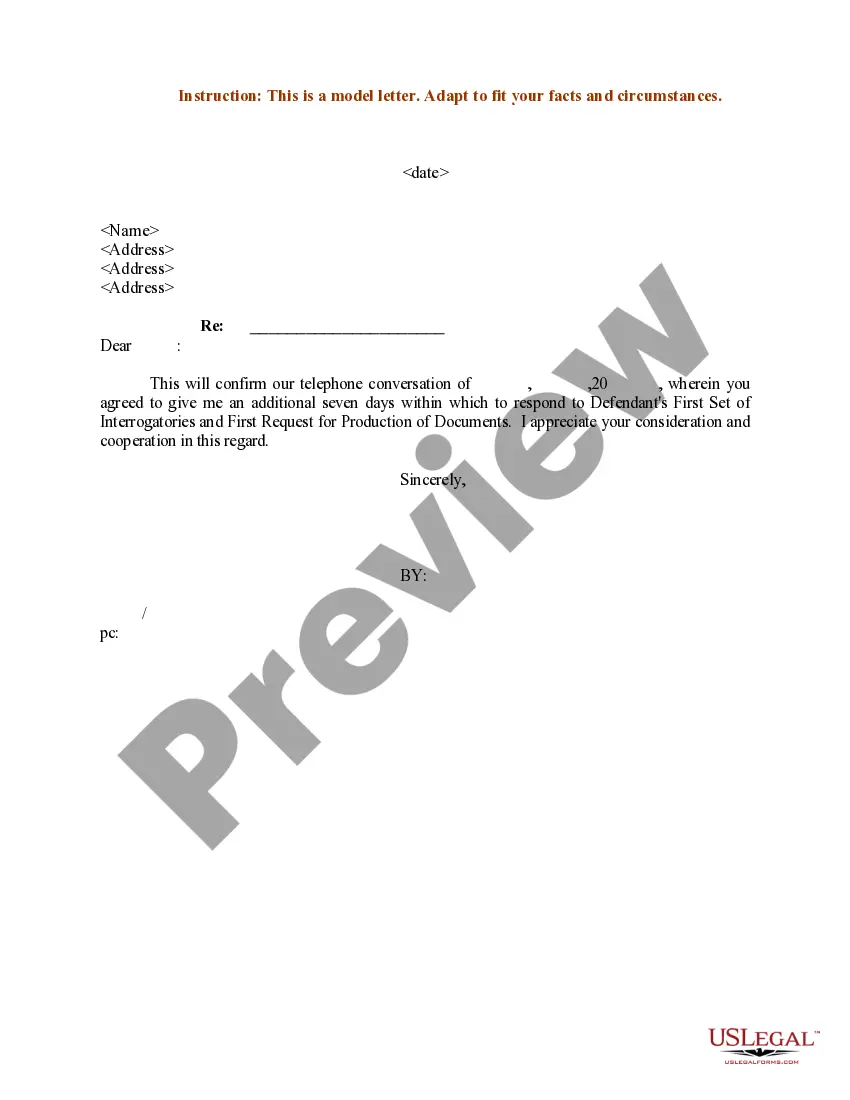
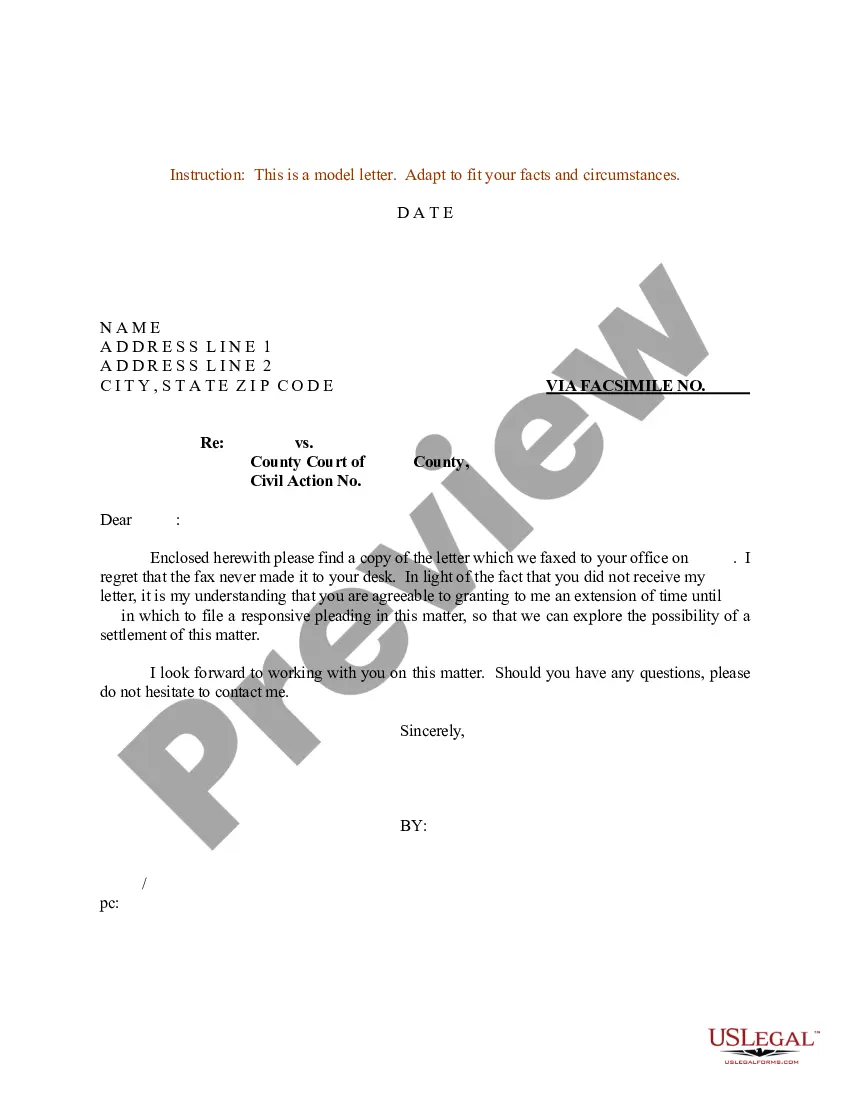


Get your form ready online
Our built-in tools help you complete, sign, share, and store your documents in one place.
Make edits, fill in missing information, and update formatting in US Legal Forms—just like you would in MS Word.
Download a copy, print it, send it by email, or mail it via USPS—whatever works best for your next step.
Sign and collect signatures with our SignNow integration. Send to multiple recipients, set reminders, and more. Go Premium to unlock E-Sign.
If this form requires notarization, complete it online through a secure video call—no need to meet a notary in person or wait for an appointment.
We protect your documents and personal data by following strict security and privacy standards.

Make edits, fill in missing information, and update formatting in US Legal Forms—just like you would in MS Word.

Download a copy, print it, send it by email, or mail it via USPS—whatever works best for your next step.

Sign and collect signatures with our SignNow integration. Send to multiple recipients, set reminders, and more. Go Premium to unlock E-Sign.

If this form requires notarization, complete it online through a secure video call—no need to meet a notary in person or wait for an appointment.

We protect your documents and personal data by following strict security and privacy standards.
Looking for another form?
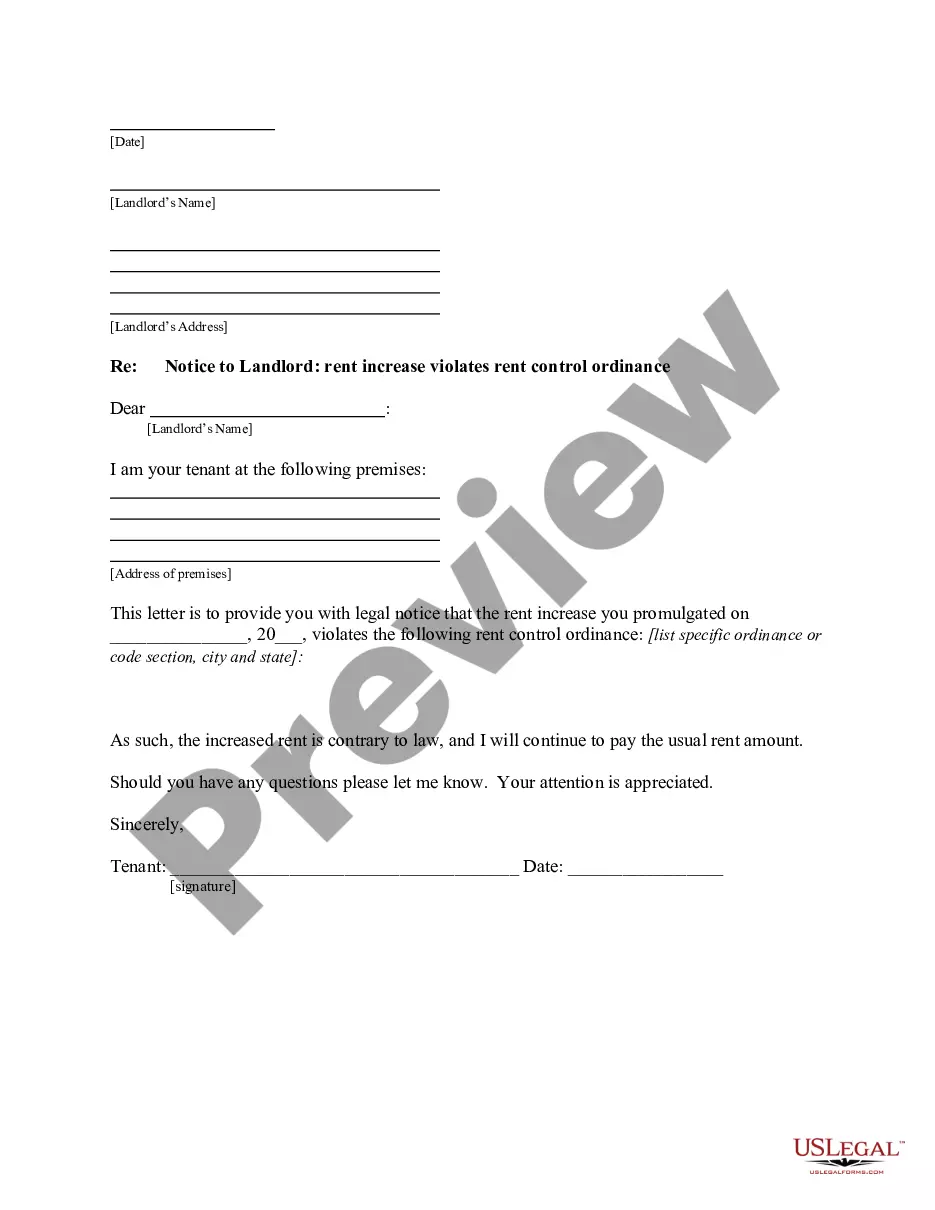









Form popularity
FAQ
You typically write a leniency letter after the defendant has been convicted of a crime, but before they are sentenced. This allows the judge to consider the letter in their deliberations, potentially leading to a more lenient sentence for the defendant.
Disrespectful Language: Avoid insults, sarcasm, or any derogatory remarks. Personal Attacks: Never make personal comments about the judge's character or past decisions, such as ``You always rule against people like me.'' Interrupting: Speaking over the judge or interrupting them can be seen as disrespectful.
Draft your pleading on legal paper and include your identifying information and a caption that states the involved parties and case number. Draft the body with numbered paragraphs, double spacing, clear headings, and page numbers. Include a certificate of service in your submission.
The key to drafting a successful pleading is to make sure that you have a clear idea of what the claims are that your client is making and relevant proof for each of those claims. Then you should state the events in a chronological and logical order.
Pleading for Mercy and Forgiveness of Sin Cleanse my thoughts and desires. Restore to me again the joy of your salvation, and make me willing to obey you. Jesus, have mercy on me. Jesus, have mercy on me. Jesus, have mercy on me. Jesus, I trust in You. Jesus, I trust in You. Jesus, I trust in You. Amen.
The 5 most common tips in writing an effective leniency letter to a judge include: write a clear introduction, introduce yourself and establish credibility, provide reasons for leniency, tell a story, and. provide contact information.
Provide Reasons for Leniency Highlight the defendant's positive traits and contributions, such as: Their role in caring for and providing for their family. Good character traits or values they possess. Hardships they have endured or overcome.
There are several types of pleadings in civil litigation. These include complaints, which serve as the basis of the legal action, and answers, which are the responses to the complaints. There may also be counterclaims, crossclaims, and third-party claims, which are also types of pleadings.
