Pleading With In Hillsborough
Description
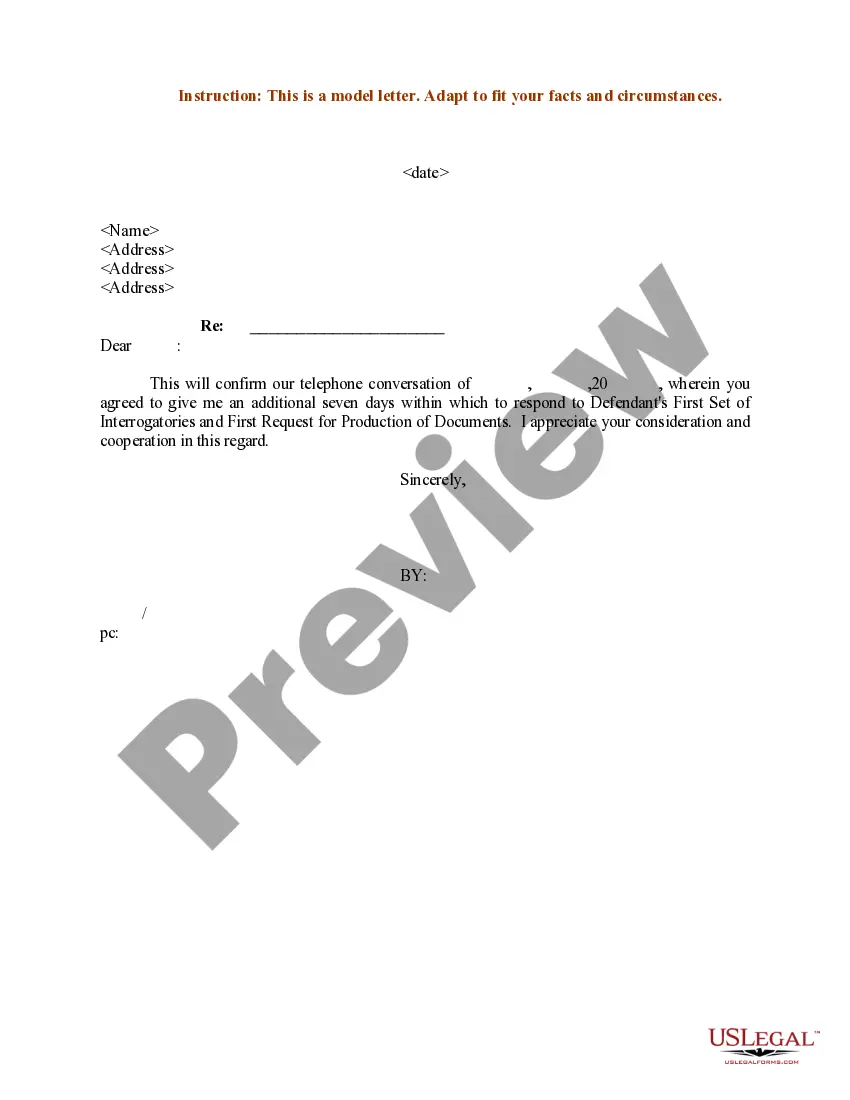
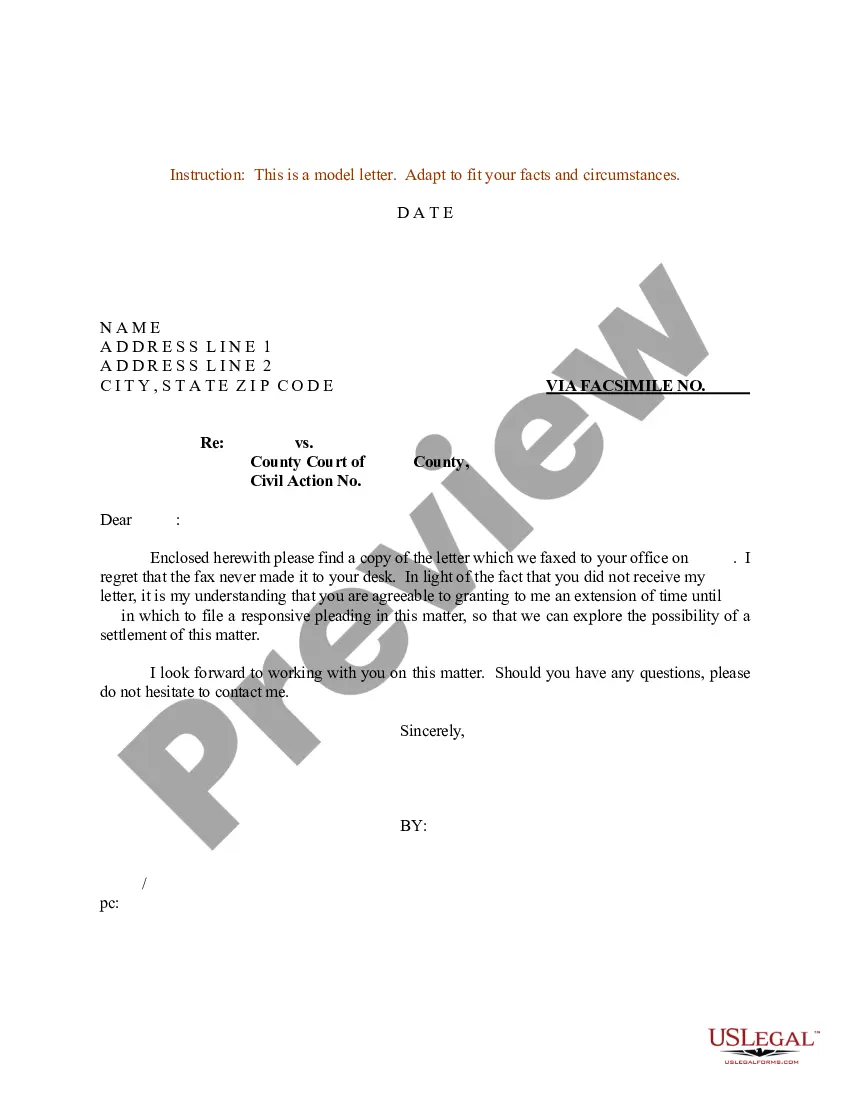


Get your form ready online
Our built-in tools help you complete, sign, share, and store your documents in one place.
Make edits, fill in missing information, and update formatting in US Legal Forms—just like you would in MS Word.
Download a copy, print it, send it by email, or mail it via USPS—whatever works best for your next step.
Sign and collect signatures with our SignNow integration. Send to multiple recipients, set reminders, and more. Go Premium to unlock E-Sign.
If this form requires notarization, complete it online through a secure video call—no need to meet a notary in person or wait for an appointment.
We protect your documents and personal data by following strict security and privacy standards.

Make edits, fill in missing information, and update formatting in US Legal Forms—just like you would in MS Word.

Download a copy, print it, send it by email, or mail it via USPS—whatever works best for your next step.

Sign and collect signatures with our SignNow integration. Send to multiple recipients, set reminders, and more. Go Premium to unlock E-Sign.

If this form requires notarization, complete it online through a secure video call—no need to meet a notary in person or wait for an appointment.

We protect your documents and personal data by following strict security and privacy standards.
Looking for another form?








Form popularity
FAQ
An initial appearance refers to a court hearing where a defendant is first brought before a judge , usually after being arrested or charged with a crime . During this hearing, the defendant is informed of the charges against them, and the judge may set bail , appoint an attorney, or schedule future court dates.
First appearance hearings are held at the Hillsborough County Courthouse Annex every morning, usually starting at 10 a.m. These hearings are conducted by video by the scheduled duty judge. Defendants are located at the jail and appear remotely before the judge who is located at the courthouse.
P.m. Monday through Friday for PP COURT/1st APPEARANCE At a.m. each morning, the Hillsborough County Sheriff's Office posts the “First Appearance Court List” for all inmates booked into custody the day before.
First Appearance in Florida ing to Rule 3.130 of the Florida Rules of Criminal Procedure, an individual arrested and charged with a crime must appear before a judge in person or by an electronic audiovisual device within 24 hour of their arrest.
Circuit courts hear all criminal and civil matters not within the jurisdiction of county courts, including criminal felonies, juvenile delinquency and dependency, divorce, probate, guardianship, and civil matters up to $50,000.
P.m. Monday through Friday for PP COURT/1st APPEARANCE a.m. on Saturday, Sunday, and holidays for PP COURT/1st APPEARANCE (or immediately after the juvenile detention docket hearings that begin at a.m.)
To change your name legally as an adult, you must petition the court for permission to do so. An adult is 18 years or older in age. The petition must be filed in the county where you live. Fingerprints are required for all name changes, except where a previous name is being restored.
You do not have to be an attorney to prepare a Florida quitclaim deed. Absent attorney fees, your costs would only be the recording fees that the county comptroller charges and transfer fees if the property is mortgaged.
A person can file a quitclaim deed by (1) entering the relevant information on a quitclaim deed form, (2) signing the deed with two witnesses and a notary, and (3) recording the deed at the county comptroller's office. In Florida, quitclaim deeds must have the name and address of both the grantor and the grantee.
After consulting with the property owner, the attorney will prepare the quitclaim deed to ensure that the owner's objectives are realized and that the legal description it accurate. Next, an attorney can determine whether the transfer is exempt from documentary stamp taxes.
