Extension Time Meaning In Hennepin
Description
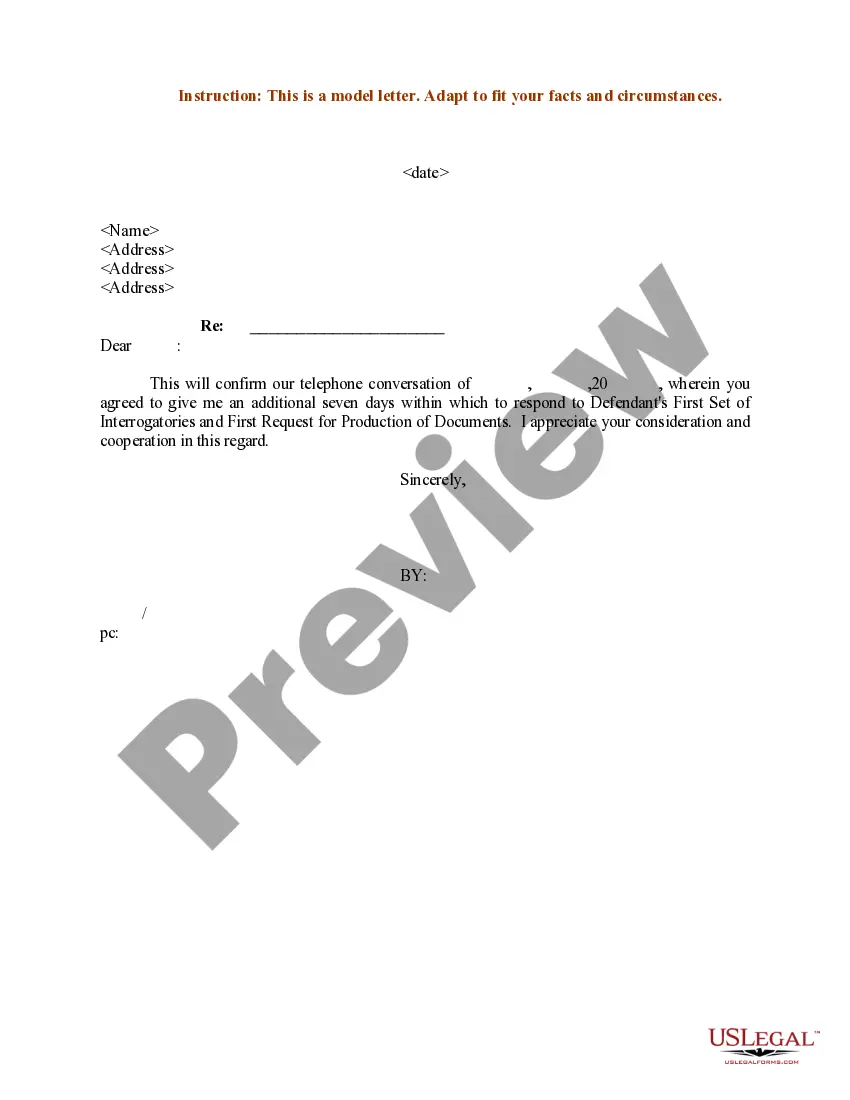
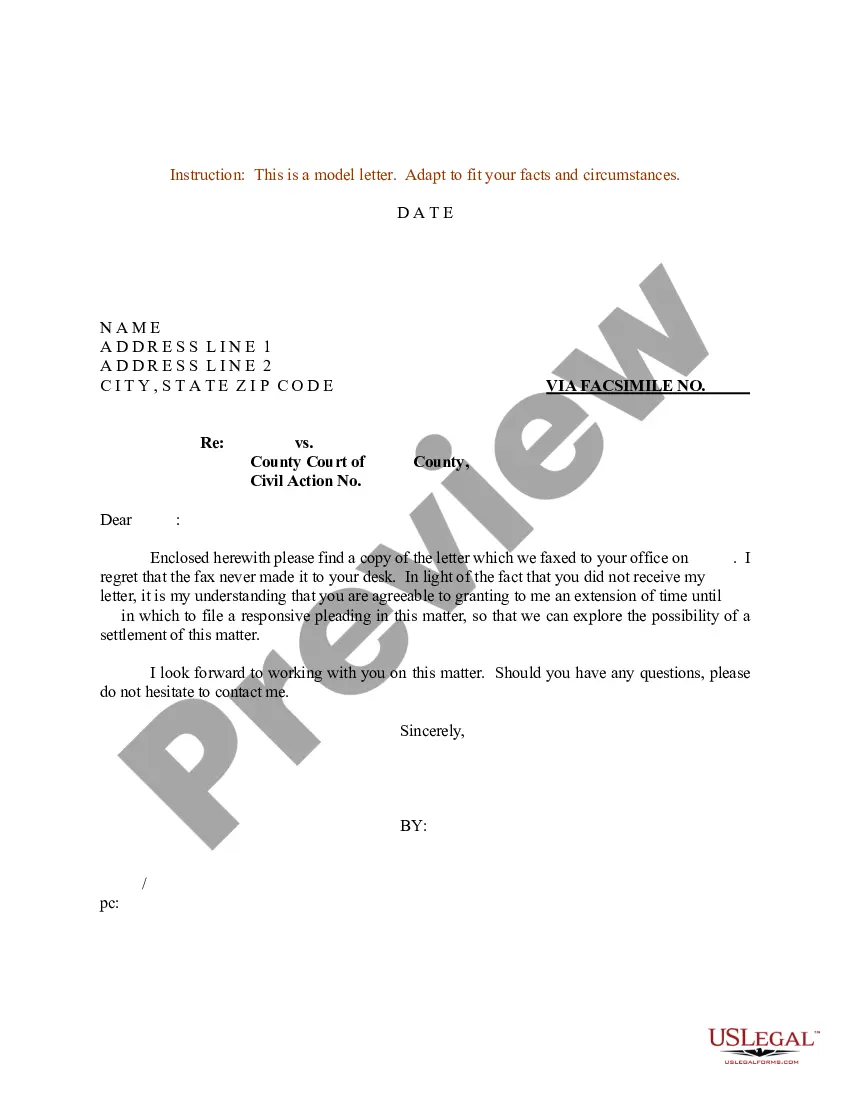
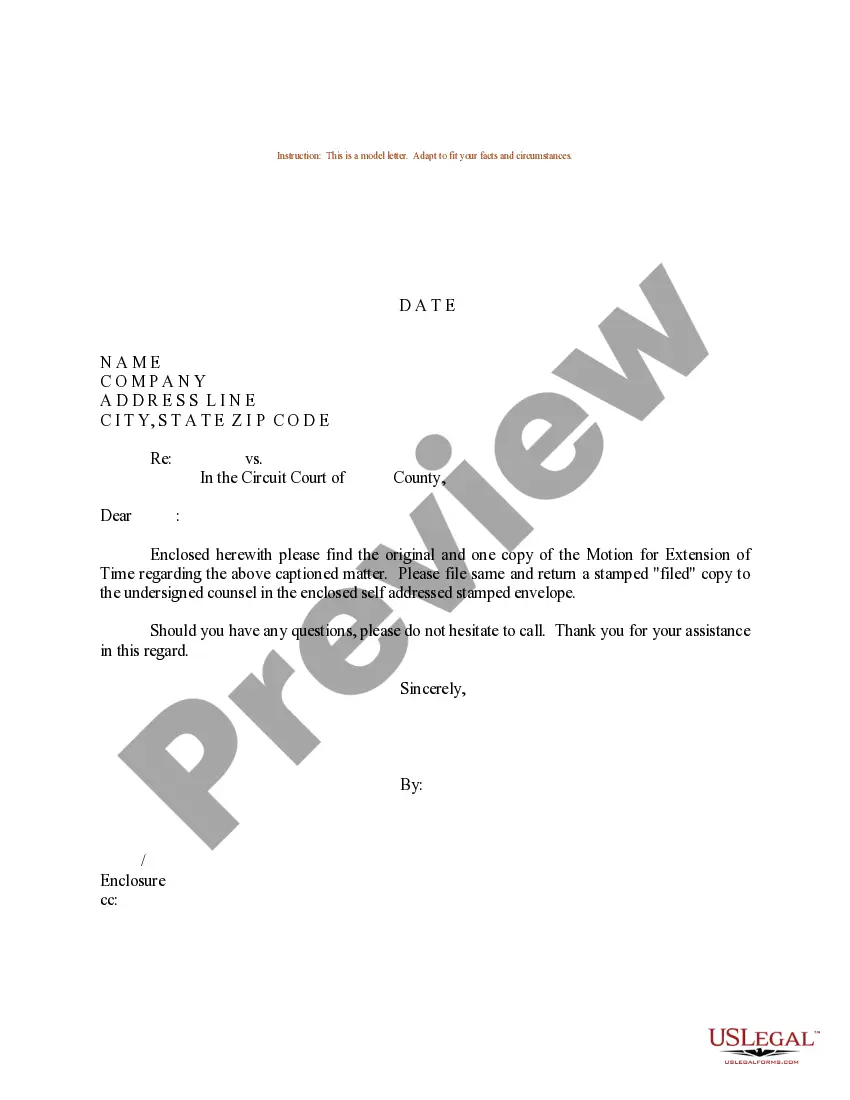
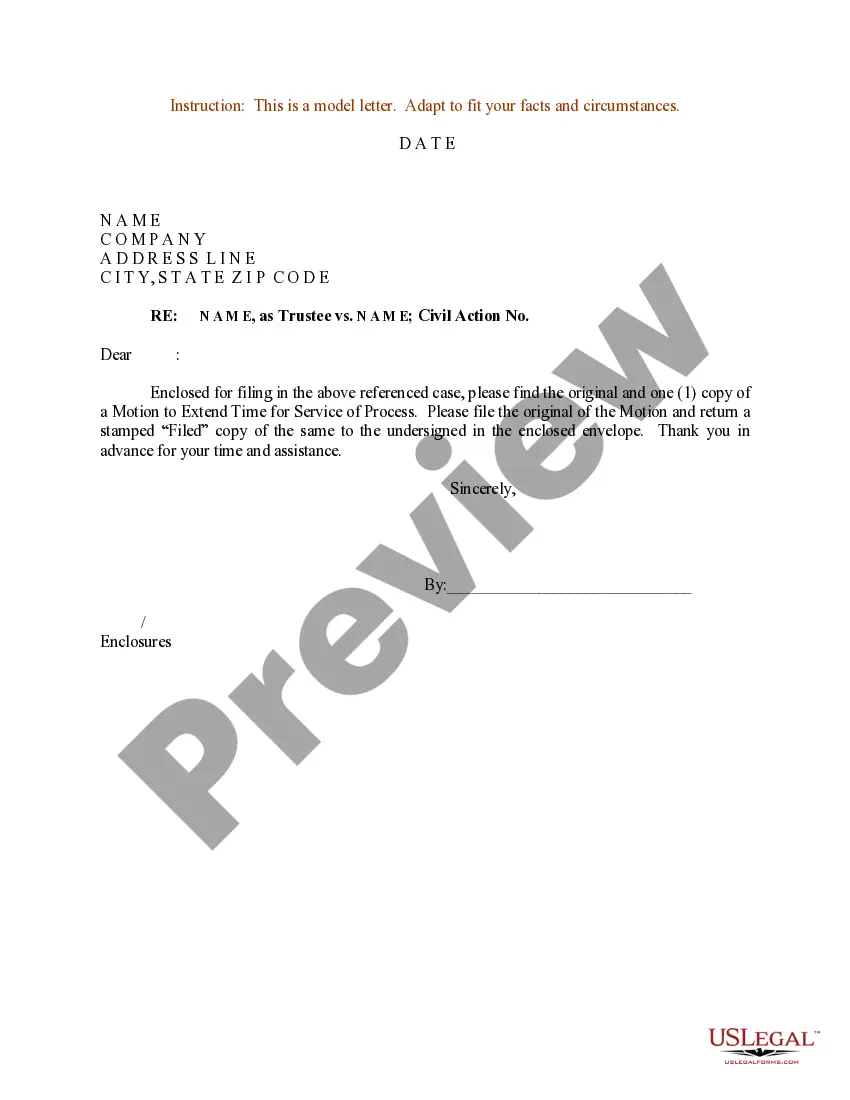
Get your form ready online
Our built-in tools help you complete, sign, share, and store your documents in one place.
Make edits, fill in missing information, and update formatting in US Legal Forms—just like you would in MS Word.
Download a copy, print it, send it by email, or mail it via USPS—whatever works best for your next step.
Sign and collect signatures with our SignNow integration. Send to multiple recipients, set reminders, and more. Go Premium to unlock E-Sign.
If this form requires notarization, complete it online through a secure video call—no need to meet a notary in person or wait for an appointment.
We protect your documents and personal data by following strict security and privacy standards.

Make edits, fill in missing information, and update formatting in US Legal Forms—just like you would in MS Word.

Download a copy, print it, send it by email, or mail it via USPS—whatever works best for your next step.

Sign and collect signatures with our SignNow integration. Send to multiple recipients, set reminders, and more. Go Premium to unlock E-Sign.

If this form requires notarization, complete it online through a secure video call—no need to meet a notary in person or wait for an appointment.

We protect your documents and personal data by following strict security and privacy standards.
Looking for another form?










Form popularity
FAQ
A tax extension is a request for an additional six months to file a tax return with the IRS. Extensions typically move the filing deadline from mid-April to mid-October.
An extension of time is usually only given if the contractor proves that the delay to the completion date is not down to his action or inaction. Common reasons for an extension of time would include adverse weather, variations to the works from the employer or difficulties encountered on site.
Taxpayers who request a six-month extension to file their taxes have until Oct. 15, 2024, to file their 2024 federal income tax return.
An extension of time (EOT) is a provision in most standard forms of contract, for an amendment of the scheduled Practical Completion date due to unforeseen circumstances and it is usually requested by the main Contractor. Such circumstances can include but are not limited to: Adverse weather conditions.
The Minnesota Department of Revenue waives certain penalties if taxpayer has met certain payments criteria by the original due date of the return. If such criteria are met, the extension is automatic. Therefore, the MDOR doesn't have an extension request form.
The IRS today announced that taxpayers in California affected by severe storms and flooding that began on January 21, 2024, now have until June 17, 2024, to file various federal individual and business tax returns and make tax payments.
This will push back the tax filing deadline and protect you from possible failure-to-file penalties. If you missed the filing deadline, didn't file for an extension, and owe income taxes, you may face a late filing penalty of 5% of the unpaid tax per month, plus interest.
Enlargement of time refers to a court-ordered extension of the time allowed to perform an action, especially a procedural one. This means that if someone needs more time to complete a task or meet a deadline, they can ask the court for an enlargement of time.
A continuance is a grant by the court of an extension of time.

