Pleading With You In Franklin
Description
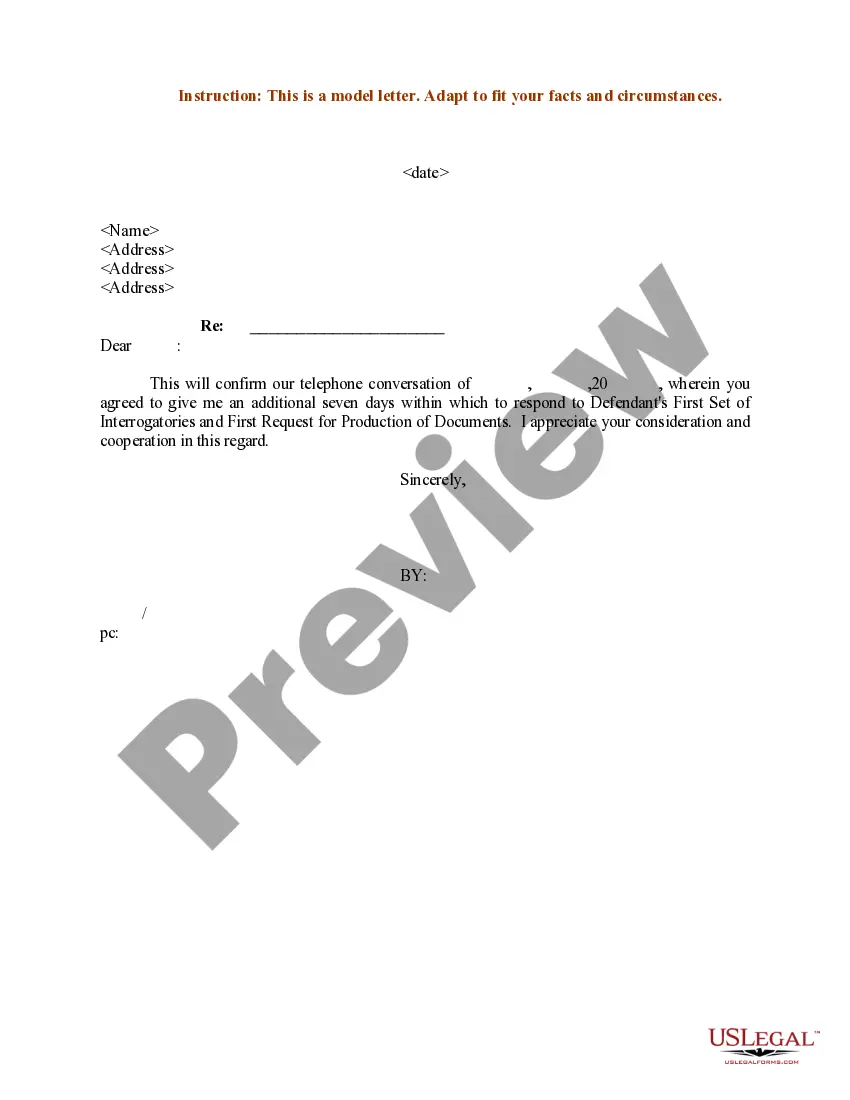
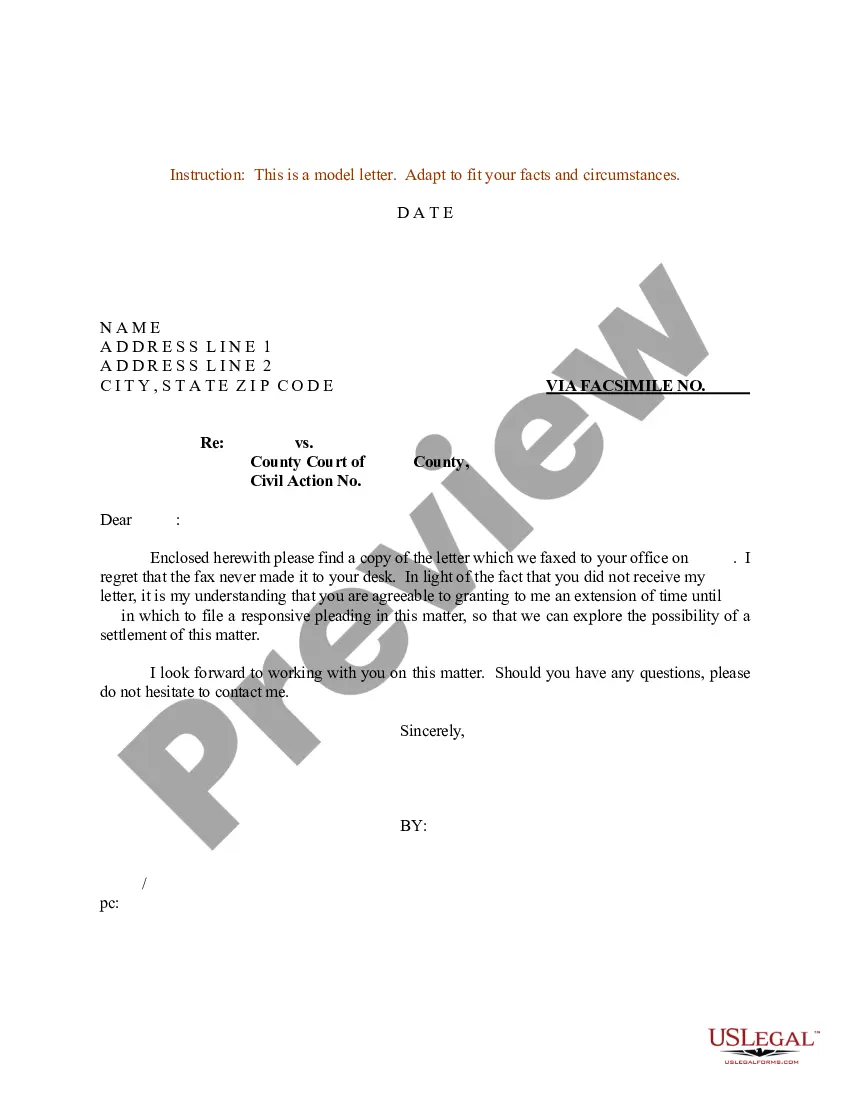
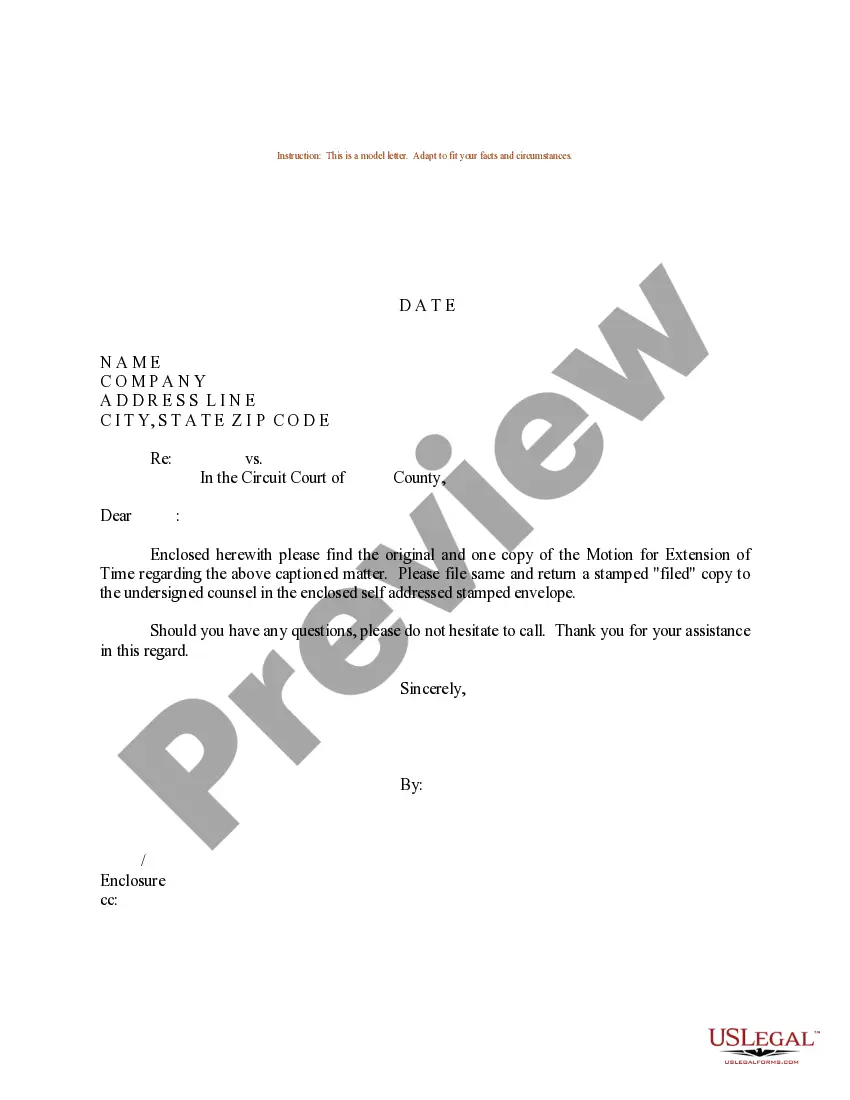
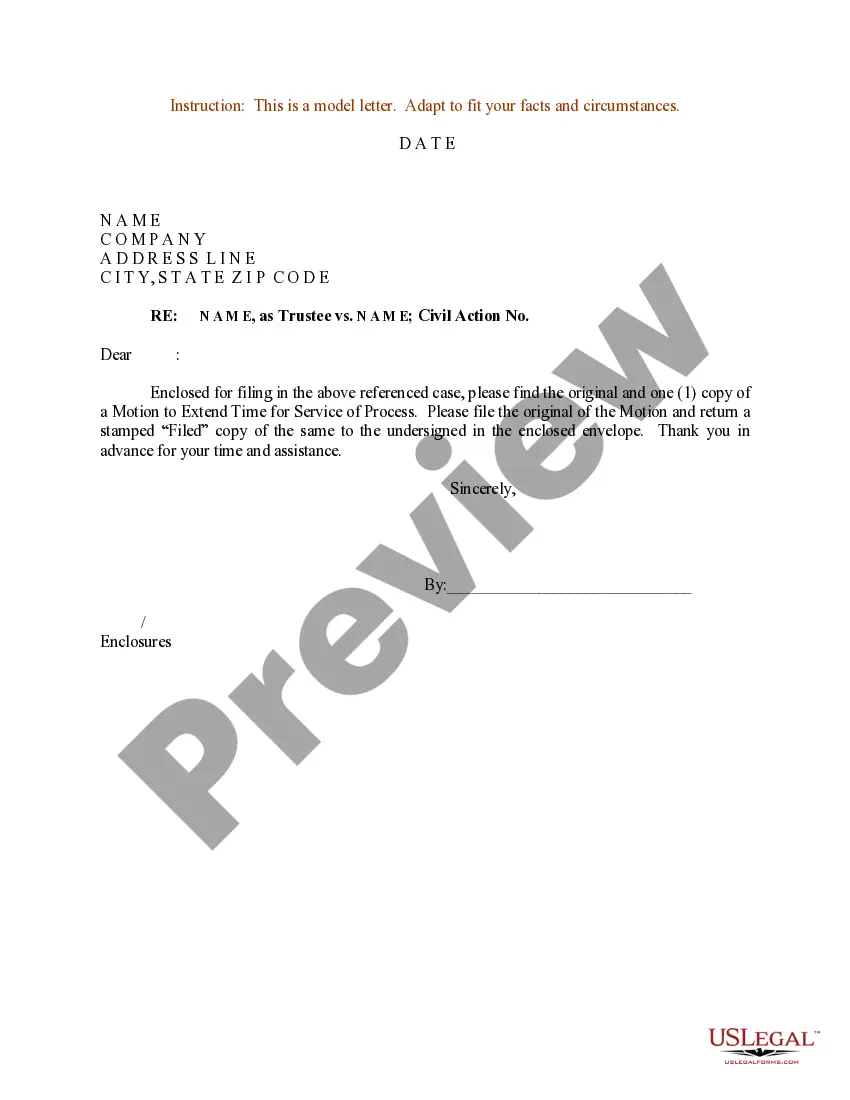
Get your form ready online
Our built-in tools help you complete, sign, share, and store your documents in one place.
Make edits, fill in missing information, and update formatting in US Legal Forms—just like you would in MS Word.
Download a copy, print it, send it by email, or mail it via USPS—whatever works best for your next step.
Sign and collect signatures with our SignNow integration. Send to multiple recipients, set reminders, and more. Go Premium to unlock E-Sign.
If this form requires notarization, complete it online through a secure video call—no need to meet a notary in person or wait for an appointment.
We protect your documents and personal data by following strict security and privacy standards.

Make edits, fill in missing information, and update formatting in US Legal Forms—just like you would in MS Word.

Download a copy, print it, send it by email, or mail it via USPS—whatever works best for your next step.

Sign and collect signatures with our SignNow integration. Send to multiple recipients, set reminders, and more. Go Premium to unlock E-Sign.

If this form requires notarization, complete it online through a secure video call—no need to meet a notary in person or wait for an appointment.

We protect your documents and personal data by following strict security and privacy standards.
Looking for another form?

Form popularity
FAQ
In federal courts, such plea may be accepted as long as there is evidence that the defendant is actually guilty." The Alford guilty plea is "a plea of guilty containing a protestation of innocence". The defendant pleads guilty, but does not have to specifically admit to the guilt itself.
By maintaining a not guilty plea, you retain the leverage needed to negotiate a more favorable plea agreement. This could result in lesser charges, reduced sentences, or alternative sentencing options that might not be available if you initially plead guilty.
Pleading no contest (“nolo contendere”) means accepting the conviction but avoiding a factual admission of guilt.
The following definitions will make it easier for you to understand common legal words and phrases used frequently during a trial. Action, Case, Suit. A legal dispute brought into court for a hearing or trial. Answer. Acquit. Cause of Action. Challenge for Cause. Closing Argument. Complaint. Counterclaim.
You are not saying you are guilty, but you are also not saying you are not guilty. Put simply, it is a "neutral" option that neither accepts nor denies the charges against you. However, in regard to consequences, "no contest" is similar to pleading guilty. You can still face punishment and most likely will.
Judgment: A court decision. Also called a decree or an order. Judgment File: A permanent court record of the court's final disposition of the case.
Common Courtroom Phrases As jurors you are not to be swayed by sympathy. Bail should be continued. Call your next witness. Can you tell the jury…? Could you briefly describe …? Could you describe the appearance of (a package, etc.)? Counsel, lay a foundation. Defendant will be remanded.
Follow the order of this format, leaving a space in between each section: Your Information (first thing that goes on the inside of the letter) Name. The Date. The Judge's Information. Honorable Judge First Name Last Name. What the Letter Is Going to Address. Salutation. Body. Signature.
Draft your pleading on legal paper and include your identifying information and a caption that states the involved parties and case number. Draft the body with numbered paragraphs, double spacing, clear headings, and page numbers. Include a certificate of service in your submission.
For individuals writing character letters, the goal should be to first establish your credibility as a reference for the defendant. Next, the letter should describe the defendant, in order to help the judge better understand him or her beyond the offense committed.

