Pleading With In Arizona
Description
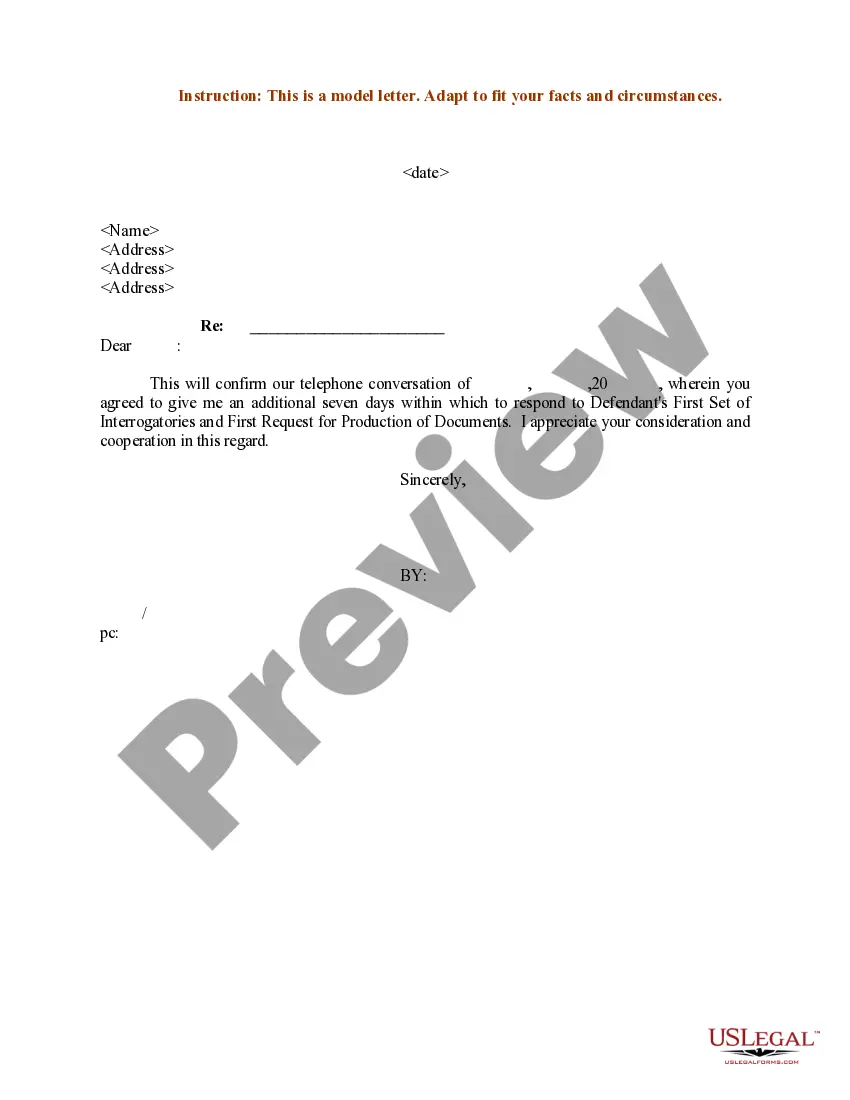
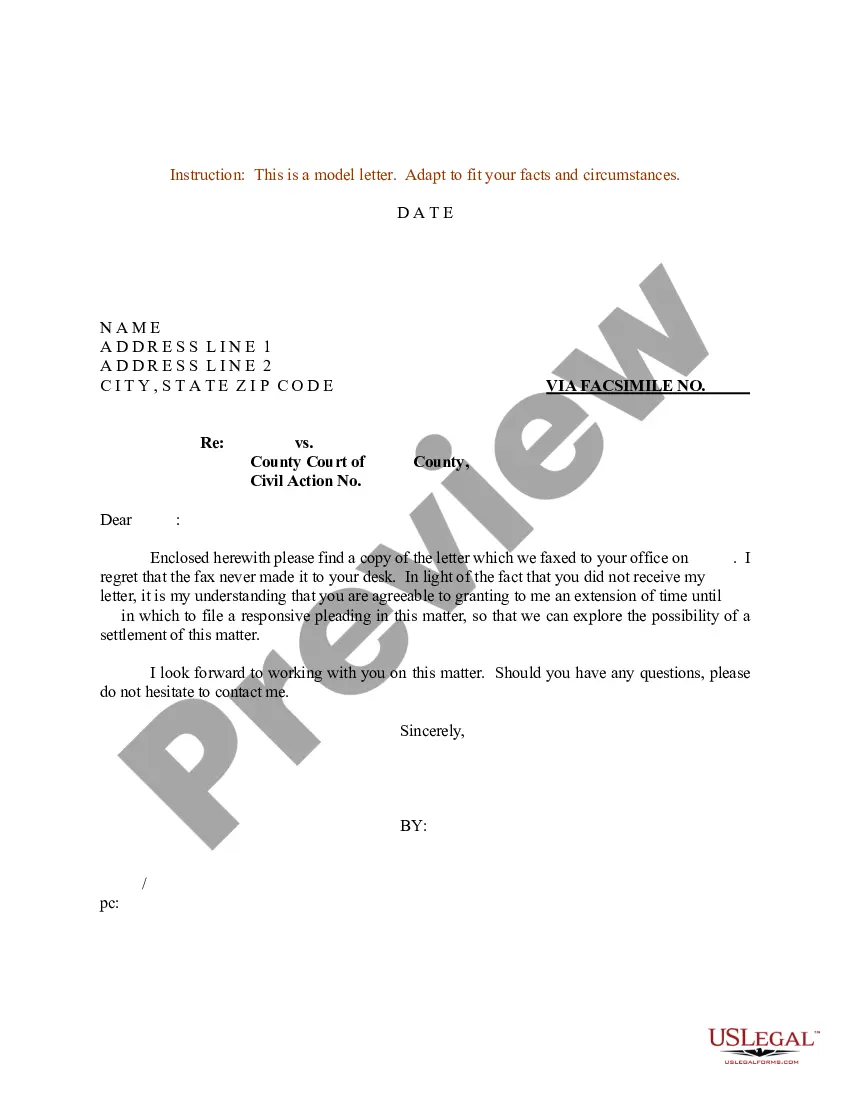

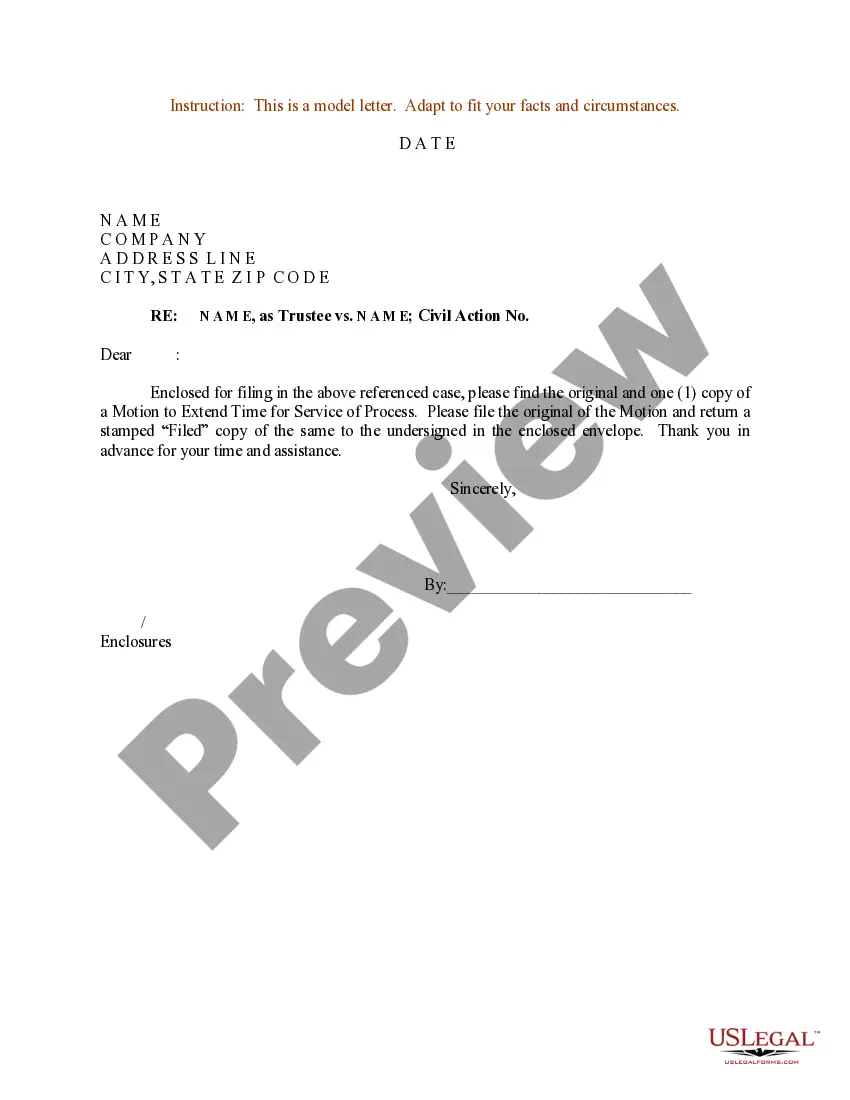
Get your form ready online
Our built-in tools help you complete, sign, share, and store your documents in one place.
Make edits, fill in missing information, and update formatting in US Legal Forms—just like you would in MS Word.
Download a copy, print it, send it by email, or mail it via USPS—whatever works best for your next step.
Sign and collect signatures with our SignNow integration. Send to multiple recipients, set reminders, and more. Go Premium to unlock E-Sign.
If this form requires notarization, complete it online through a secure video call—no need to meet a notary in person or wait for an appointment.
We protect your documents and personal data by following strict security and privacy standards.

Make edits, fill in missing information, and update formatting in US Legal Forms—just like you would in MS Word.

Download a copy, print it, send it by email, or mail it via USPS—whatever works best for your next step.

Sign and collect signatures with our SignNow integration. Send to multiple recipients, set reminders, and more. Go Premium to unlock E-Sign.

If this form requires notarization, complete it online through a secure video call—no need to meet a notary in person or wait for an appointment.

We protect your documents and personal data by following strict security and privacy standards.
Looking for another form?

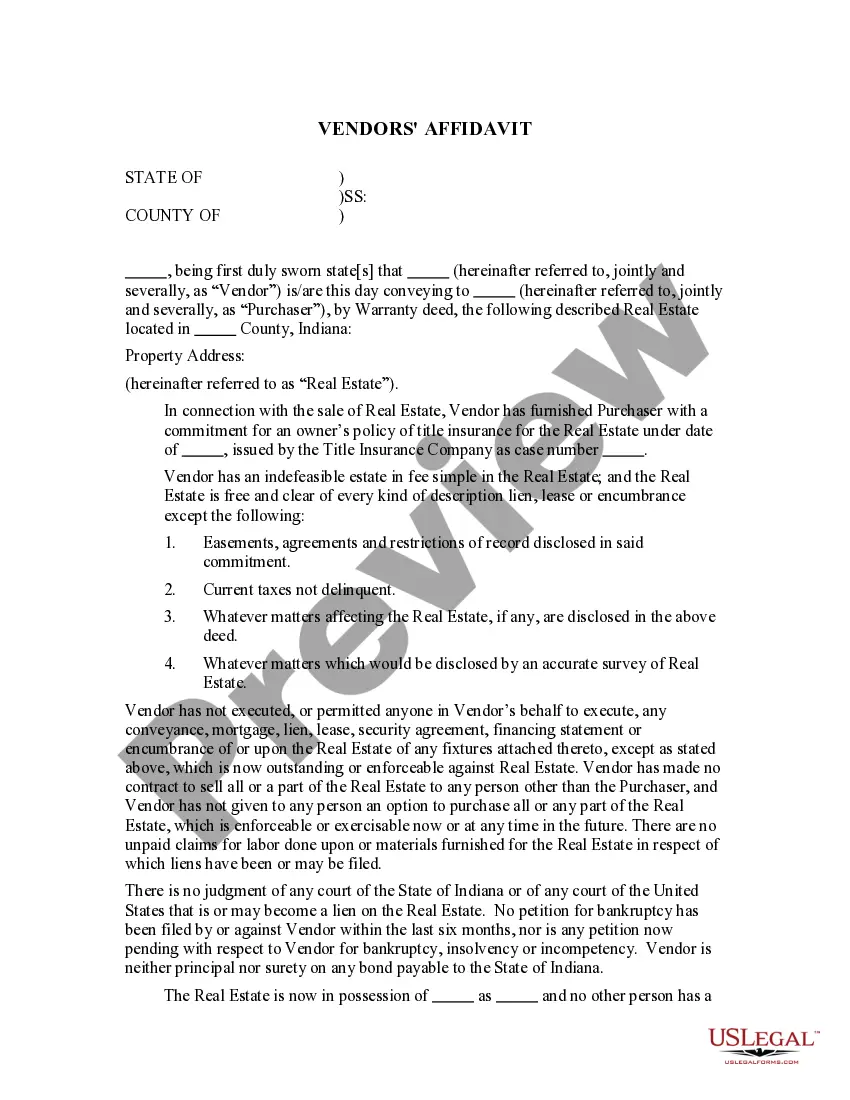




Form popularity
FAQ
Under the new version of Rule 68(g), the sanctions against a party who fails to obtain a more favorable judgment than the offer is “twenty percent of the difference between the amount of the offer and the amount of the final judgment.” This change applies to offers of judgment served on or after January 1, 2022.
Arizona has some of the most restrictive sentencing laws in the country, with every person who is incarcerated required to serve a minimum 85 percent of his or her sentence— regardless of good behavior. This has resulted in a bloated prison population and massive state prison spending.
A Rule 69 Agreement allows the parties to settle some or all of their disputes privately, leaving only the unresolved issues to be resolved by the family law court. Common disputes settled ahead of divorce trial proceedings are visitation, parenting time, child support, and how to divide assets.
You can also ask your court's Self-Help Center or public law library for a sample or blank pleading paper.
Rule 11 refers to a provision in the Federal Rules of Civil Procedure that requires attorneys and parties to certify that their pleadings, motions, and other papers are not being presented for any improper purpose, are warranted by existing law, and have evidentiary support.
Pleadings must be written formally ing to the rules of civil procedure and are generally classified as complaints and answers. Pleadings can be filed at any time during a court proceeding, but they are usually filed early in the trial process (usually pre-trial, or before the case is heard by the judge in court).
A defendant cannot be tried by a court, convicted of a crime, sentenced or punished for a public offense as a result of a mental defect, illness, or disability, when the defendant is unable to understand the proceedings against him or her or to provide assistance in his or her own defense.
Unless Rule 4.1(c), (e), (f), or (g) applies, an individual may be served by: (1) delivering a copy of the summons and the pleading being served to that individual personally; (2) leaving a copy of each at that individual's dwelling or usual place of abode with someone of suitable age and discretion who resides there; ...
(1) An application to the court for an order shall be by motion which, unless made during a hearing or trial, shall be made in writing, shall state with particularity the grounds therefor, and shall set forth the relief or order sought.
Every pleading must have a caption with the court's name, a title, a file number, and a Rule 7(a) designation. The title of the complaint must name all the parties; the title of other pleadings, after naming the first party on each side, may refer generally to other parties. (b) Paragraphs; Separate Statements.

