Cash Gift Letter Format India In Wayne
Description



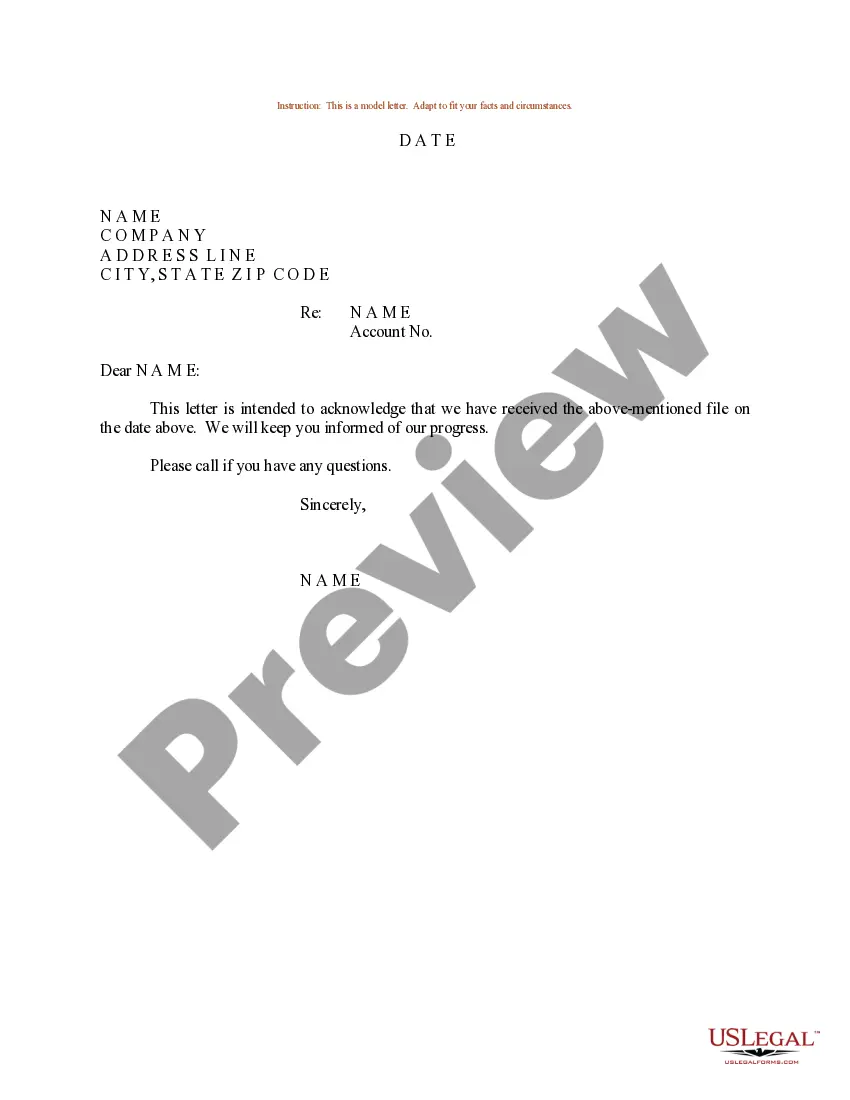
Get your form ready online
Our built-in tools help you complete, sign, share, and store your documents in one place.
Make edits, fill in missing information, and update formatting in US Legal Forms—just like you would in MS Word.
Download a copy, print it, send it by email, or mail it via USPS—whatever works best for your next step.
Sign and collect signatures with our SignNow integration. Send to multiple recipients, set reminders, and more. Go Premium to unlock E-Sign.
If this form requires notarization, complete it online through a secure video call—no need to meet a notary in person or wait for an appointment.
We protect your documents and personal data by following strict security and privacy standards.

Make edits, fill in missing information, and update formatting in US Legal Forms—just like you would in MS Word.

Download a copy, print it, send it by email, or mail it via USPS—whatever works best for your next step.

Sign and collect signatures with our SignNow integration. Send to multiple recipients, set reminders, and more. Go Premium to unlock E-Sign.

If this form requires notarization, complete it online through a secure video call—no need to meet a notary in person or wait for an appointment.

We protect your documents and personal data by following strict security and privacy standards.
Looking for another form?



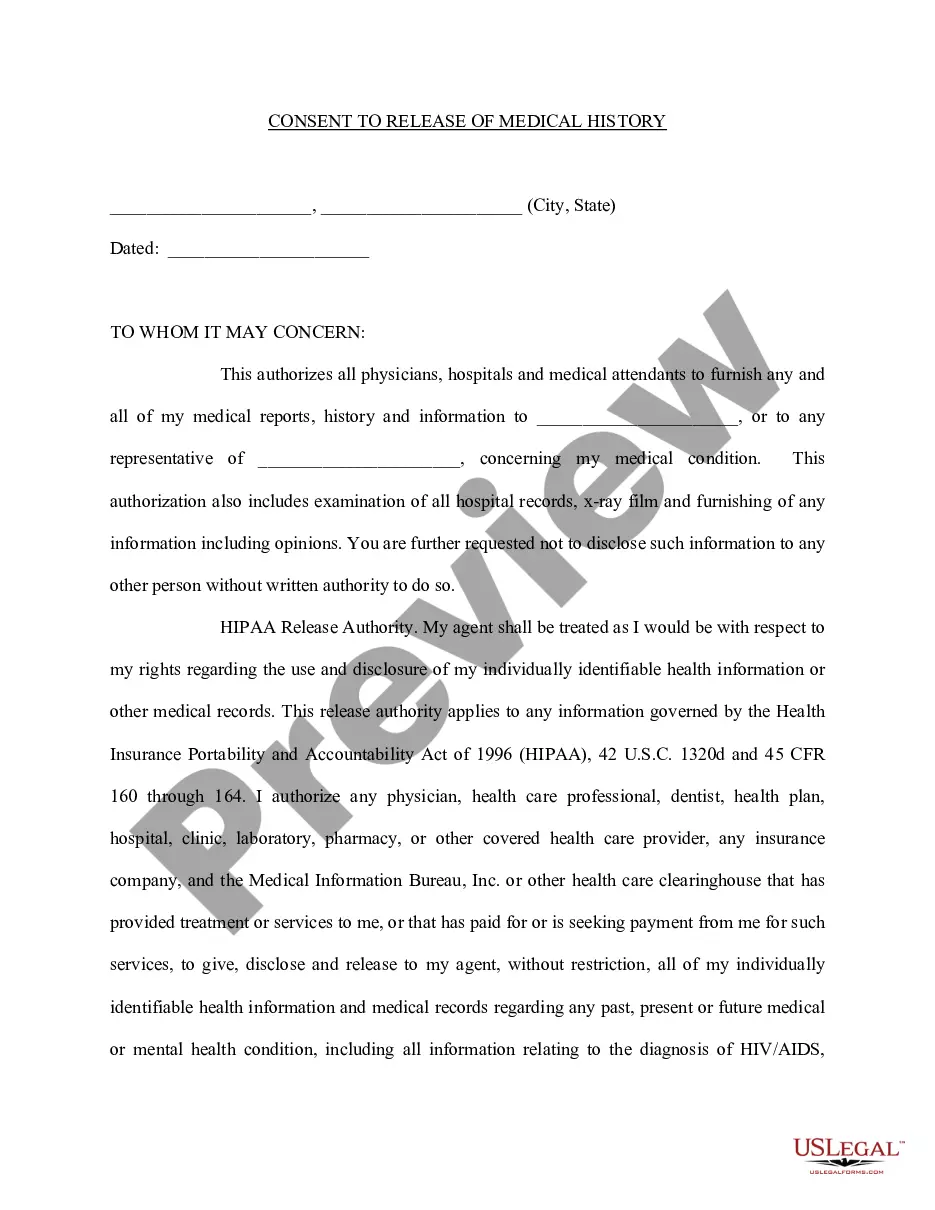






Form popularity
FAQ
Yes. Since a gift deed is executed during the individual's lifetime, it takes precedence over any instructions in a will. If an asset mentioned in the will has already been transferred through a gift deed, the recipient of the gift deed retains ownership, even if the will designates that asset to someone else.
The donor and donee should sign on all pages of the gift deed and must be attested by at least two witnesses. The donee must accept the gift in the lifetime of the donor and when the donor is of sound mind for it to be valid. The value of the stamp paper on which the gift deed is executed varies from state to state.
Stamp Duty: 0.5% for blood relations; 6% for non-family.
Both the donor and the donee should be adults. The property being gifted should be an existing and tangible property. The donor should have a clear title of ownership for the property. The property should be registered, and the donor must provide relevant documents for the gift deed.
As per Indian laws, transfer of property by way of gifts are irrevocable or unchangeable and after the execution is complete, the same cannot be cancelled. The Donor cannot rescind such transfer of property once it has been accepted by the Donee.
The gift must be voluntary and without any monetary transaction. Both parties should be of legal age and present during registration. Only existing properties can be gifted; future interests are not allowed. Registration ensures legal enforceability and protects against disputes.
Validity of Gift Deed The Gift deed is valid forever, as long as there is no forgery or forceful commencing/fraud presented in the court with proper evidence. If the evidence that is provided proves to be true, the deed will be nullified and the donee will no longer be the owner as per the provisions of law.
