Law Book For Students In California
Description
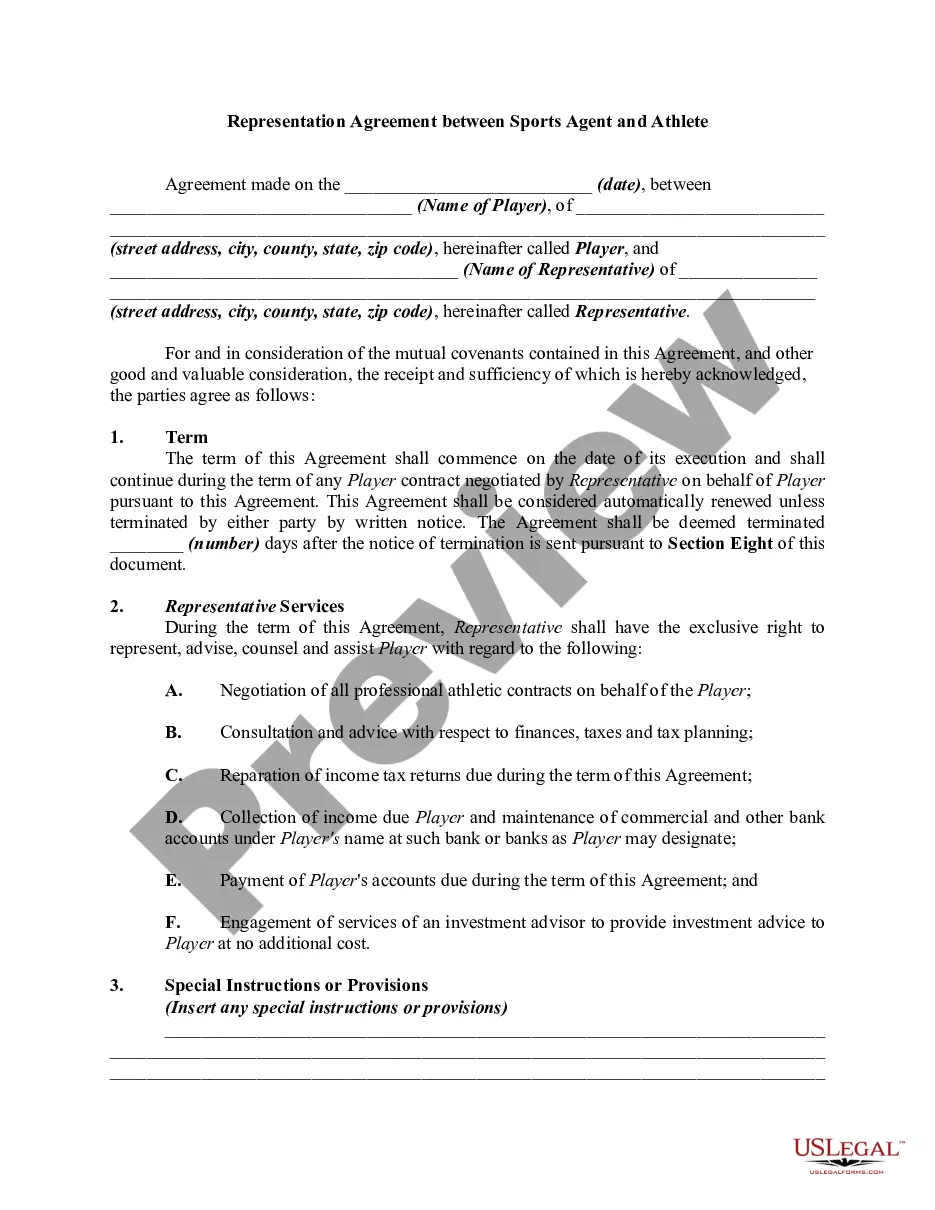
Get your form ready online
Our built-in tools help you complete, sign, share, and store your documents in one place.
Make edits, fill in missing information, and update formatting in US Legal Forms—just like you would in MS Word.
Download a copy, print it, send it by email, or mail it via USPS—whatever works best for your next step.
Sign and collect signatures with our SignNow integration. Send to multiple recipients, set reminders, and more. Go Premium to unlock E-Sign.
If this form requires notarization, complete it online through a secure video call—no need to meet a notary in person or wait for an appointment.
We protect your documents and personal data by following strict security and privacy standards.

Make edits, fill in missing information, and update formatting in US Legal Forms—just like you would in MS Word.

Download a copy, print it, send it by email, or mail it via USPS—whatever works best for your next step.

Sign and collect signatures with our SignNow integration. Send to multiple recipients, set reminders, and more. Go Premium to unlock E-Sign.

If this form requires notarization, complete it online through a secure video call—no need to meet a notary in person or wait for an appointment.

We protect your documents and personal data by following strict security and privacy standards.
Looking for another form?
Form popularity
FAQ
Yes, you can join a law firm right after graduating from law school, but there are a few important steps and considerations: Bar Exam: Most law firms require their associates to pass the bar exam in the state where they will be practicing.
PURSUANT TO CIRCUIT RULE 46-4 1. An eligible law student acting under the supervision of a member of the bar of this Court may appear on behalf of any client including federal, state or local government bodies, if the client has filed a written consent with the Court.
The Law Office Study (LOS) Program is a unique legal education pathway offered and administered by the State Bar of California, which allows aspiring legal professionals to gain legal education credits while working under the supervision of an experienced attorney or judge and bypass traditional law school.
Modern practice In California, Vermont and Washington, an applicant who has not attended law school may take the bar exam after reading law under a judge or practicing attorney for a period of four years. In the fourth state, Virginia, the period of reading law is only three years.
A law student can become certified to represent a client in the Northern District of California under the supervision of a member of the bar of this court with the approval of the assigned judge.
In California, only attorneys can practice law. When someone who is not licensed to practice law provides services that can only be performed by attorneys, that is called the unauthorized practice of law (UPL). UPL is a crime.
In California, qualified applicants can take the bar exam without going to law school. Most law schools require a college degree, but some may only ask for equivalent course work, and some law schools focus on your legal interest and life experiences and not on your grades or LSAT scores.
In four states, you can still take this non-law-school route to becoming a lawyer. Vermont, Washington, California, and Virginia all allow people to become lawyers by “reading the law,” which, simply put, means studying and apprenticing in the office of a practicing attorney or judge.
There are 4 states that allow you to take the bar without going to law school. Washington, Vermont, California and Virginia.
