Charitable Donation Form For Taxes In Texas
Description



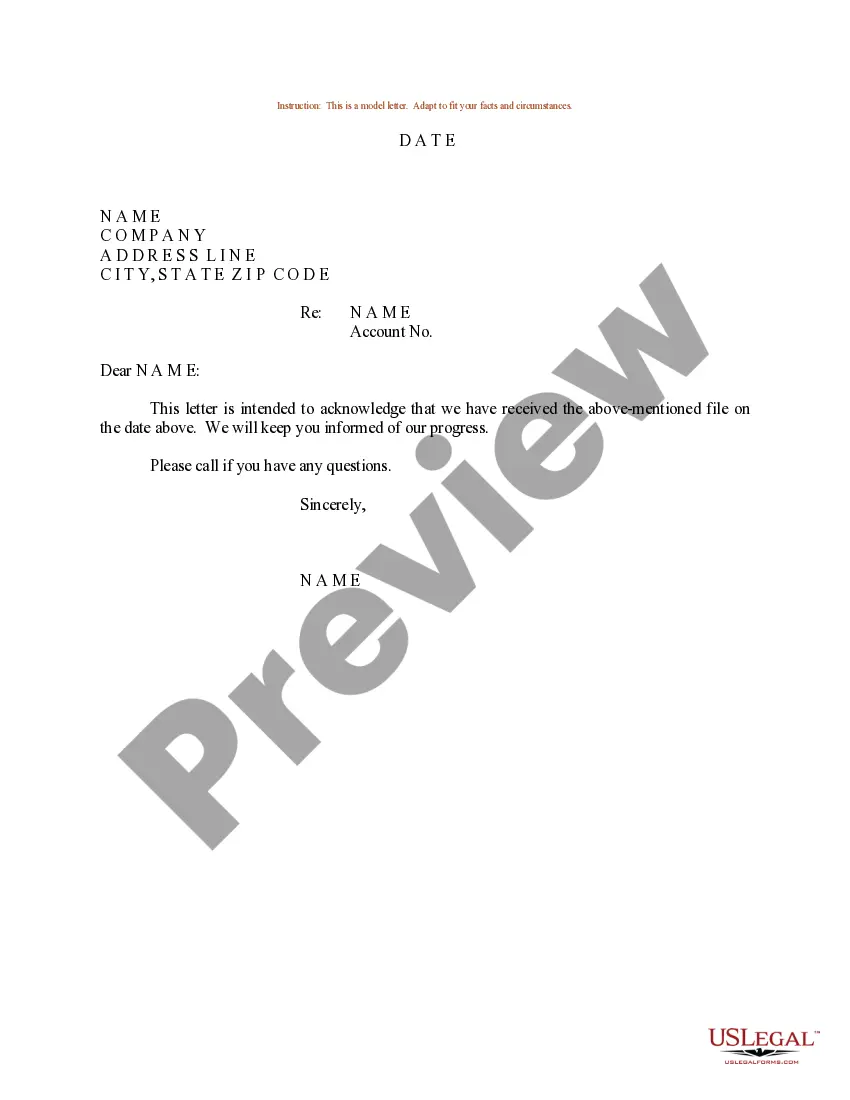
Get your form ready online
Our built-in tools help you complete, sign, share, and store your documents in one place.
Make edits, fill in missing information, and update formatting in US Legal Forms—just like you would in MS Word.
Download a copy, print it, send it by email, or mail it via USPS—whatever works best for your next step.
Sign and collect signatures with our SignNow integration. Send to multiple recipients, set reminders, and more. Go Premium to unlock E-Sign.
If this form requires notarization, complete it online through a secure video call—no need to meet a notary in person or wait for an appointment.
We protect your documents and personal data by following strict security and privacy standards.

Make edits, fill in missing information, and update formatting in US Legal Forms—just like you would in MS Word.

Download a copy, print it, send it by email, or mail it via USPS—whatever works best for your next step.

Sign and collect signatures with our SignNow integration. Send to multiple recipients, set reminders, and more. Go Premium to unlock E-Sign.

If this form requires notarization, complete it online through a secure video call—no need to meet a notary in person or wait for an appointment.

We protect your documents and personal data by following strict security and privacy standards.
Looking for another form?


Form popularity
FAQ
Under Texas law, most charities or nonprofit organizations are not required to register with the State.
Registration is only required for certain public safety organizations, independent promoters, public safety publications, veterans organizations, and telephone solicitors. Some Texas counties and municipalities may require charities that solicit in-person to register prior to fundraising.
However, you should be able to provide a bank record (bank statement, credit card statement, canceled check or a payroll deduction record) to claim the tax deduction. Written records, like check registers or personal notations, from the donor aren't enough proof. The records should show the: Organization's name.
Under Texas law, most charities or nonprofit organizations are not required to register with the State.
The following states require some form of charitable fundraising registration: Alabama. Alaska. Arkansas. California. Colorado. Connecticut. District of Columbia. Florida.
Generally, any nonprofit organization that promotes religious, literary, educational, scientific, humanitarian or other charitable causes will qualify. However, if the combined value of all property you donate is more than $500, you must prepare Form 8283 and attach it to your tax return.
To receive a 501(c)(3) tax exemption, federal requirements stipulate that all members of your board of directors be unrelated. Texas requires only two officers appointed for every nonprofit: a president and a secretary. You may add other officers as preferred or needed while establishing your nonprofit.
For contributions valued in excess of $5,000, IRS Form 8283 includes the declaration of the qualified appraiser, as well as a certification by the recipient organization that it will file IRS Form 8282 if it disposes of the item within three years of receipt.
Individuals, partnerships, and corporations file Form 8283 to report information about noncash charitable contributions when the amount of their deduction for all noncash gifts is more than $500.
Charitable contributions are entered on Schedule A (Form 1040) Itemized Deductions, Lines 11-12.
