Cash Gift Letter Format India In Pima
Description



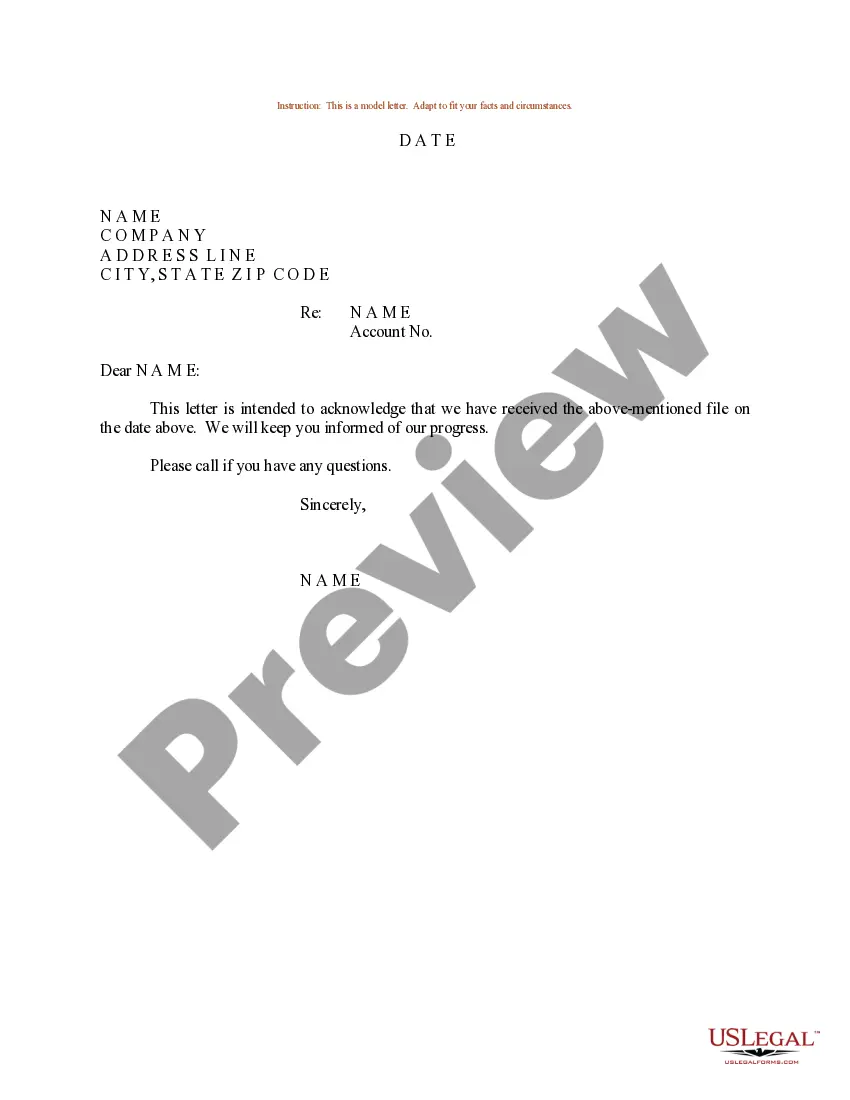
Get your form ready online
Our built-in tools help you complete, sign, share, and store your documents in one place.
Make edits, fill in missing information, and update formatting in US Legal Forms—just like you would in MS Word.
Download a copy, print it, send it by email, or mail it via USPS—whatever works best for your next step.
Sign and collect signatures with our SignNow integration. Send to multiple recipients, set reminders, and more. Go Premium to unlock E-Sign.
If this form requires notarization, complete it online through a secure video call—no need to meet a notary in person or wait for an appointment.
We protect your documents and personal data by following strict security and privacy standards.

Make edits, fill in missing information, and update formatting in US Legal Forms—just like you would in MS Word.

Download a copy, print it, send it by email, or mail it via USPS—whatever works best for your next step.

Sign and collect signatures with our SignNow integration. Send to multiple recipients, set reminders, and more. Go Premium to unlock E-Sign.

If this form requires notarization, complete it online through a secure video call—no need to meet a notary in person or wait for an appointment.

We protect your documents and personal data by following strict security and privacy standards.
Looking for another form?









Form popularity
FAQ
Yes. Since a gift deed is executed during the individual's lifetime, it takes precedence over any instructions in a will. If an asset mentioned in the will has already been transferred through a gift deed, the recipient of the gift deed retains ownership, even if the will designates that asset to someone else.
The donor and donee should sign on all pages of the gift deed and must be attested by at least two witnesses. The donee must accept the gift in the lifetime of the donor and when the donor is of sound mind for it to be valid. The value of the stamp paper on which the gift deed is executed varies from state to state.
How Do I Write a Gift Letter? The donor's name, address and phone number. The donor's relationship to the client. The dollar amount of the gift. The date when the funds were (or will be) transferred. A statement from the donor that no repayment is expected. The donor's signature.
Although affidavits are considered legal documents, anyone can draft one. As long as it is signed, witnessed, and notarized correctly, the affidavit will be valid. This means that you do not need to ask a lawyer to create an affidavit.
To prove a gift, you can use documents or communications to prove the person gave the item to you (such as emails or text messages). Additionally, you can use your verbal testimony as well as the testimony of witnesses to prove that the item was given to you gratuitously.
Gifts out of income will not qualify for exemption if the transferor had to resort to capital to meet normal living expenses. HMRC will ignore gifts that are not part of the transferor's normal expenditure and test the condition as if such abnormal gifts have never been made.
