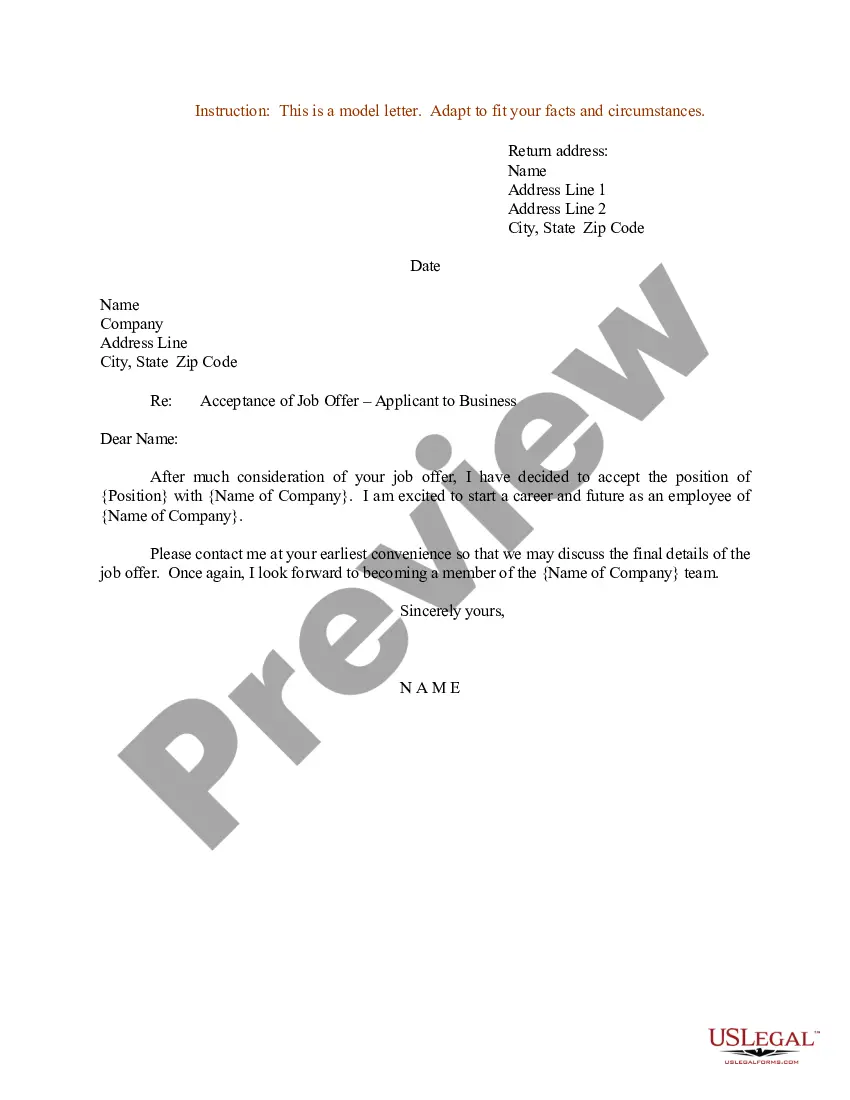
Letter Donation Form With Check Enclosed In Orange
Description



Get your form ready online
Our built-in tools help you complete, sign, share, and store your documents in one place.
Make edits, fill in missing information, and update formatting in US Legal Forms—just like you would in MS Word.
Download a copy, print it, send it by email, or mail it via USPS—whatever works best for your next step.
Sign and collect signatures with our SignNow integration. Send to multiple recipients, set reminders, and more. Go Premium to unlock E-Sign.
If this form requires notarization, complete it online through a secure video call—no need to meet a notary in person or wait for an appointment.
We protect your documents and personal data by following strict security and privacy standards.

Make edits, fill in missing information, and update formatting in US Legal Forms—just like you would in MS Word.

Download a copy, print it, send it by email, or mail it via USPS—whatever works best for your next step.

Sign and collect signatures with our SignNow integration. Send to multiple recipients, set reminders, and more. Go Premium to unlock E-Sign.

If this form requires notarization, complete it online through a secure video call—no need to meet a notary in person or wait for an appointment.

We protect your documents and personal data by following strict security and privacy standards.
Looking for another form?







Form popularity
FAQ
How to Write a Letter of Intent to Donate Step 1 – Provide Your Contact Information. Step 2 – State the Effective Date. Step 3 – Identify the Donor and Recipient. Step 4 – Describe the Donation. Step 5 – Outline Donation Conditions. Step 6 – Set an Acceptance Deadline. Step 7 – Discuss Recognition.
Here's a template of the essential elements that any effective donation letter will include: Salutation. Explanation of your mission. Your project, event, or needs. Compelling details. A specific request. A call-to-action.
Explain what the funds will be used for and the impact the donation will have. Establish a personal connection. Share why this cause is meaningful to you and how it has impacted your life or the lives of others you know. This helps build an emotional connection with the reader. Use a conversational tone.
1. Greet the recipient formally and personally to start. 2. Introduce yourself and give a succinct explanation of the reason for your email. 3. Clearly clarify your desire for a donation and describe the initiative or cause you are supporting.
I'm writing to ask you to support me and my cause/project/etc.. Just a small donation of amount can help me accomplish task/reach a goal/etc.. Your donation will go toward describe exactly what the contribution will be used for. When possible, add a personal connection to tie the donor to the cause.
Example 2: Individual Acknowledgment Letter Hi donor name, We're super grateful for your contribution of $250 to nonprofit's name on date received. As a thank you, we sent you a T-shirt with an estimated fair market value of $25 in exchange for your contribution.
How do you write a fundraising letter? Key steps Start with a personalized greeting. Explain your mission. Describe your current initiative. Outline your project's needs and what you hope to accomplish. Add meaningful photographs or infographics. Show the tangible impact associated with specific donation amounts.
Some examples of contribution statements are: “wrote entire original draft”; “contributed to methodology design”; “provided animals for experiments”.