Sample Acknowledgement Receipt For Donation In Miami-Dade
Description



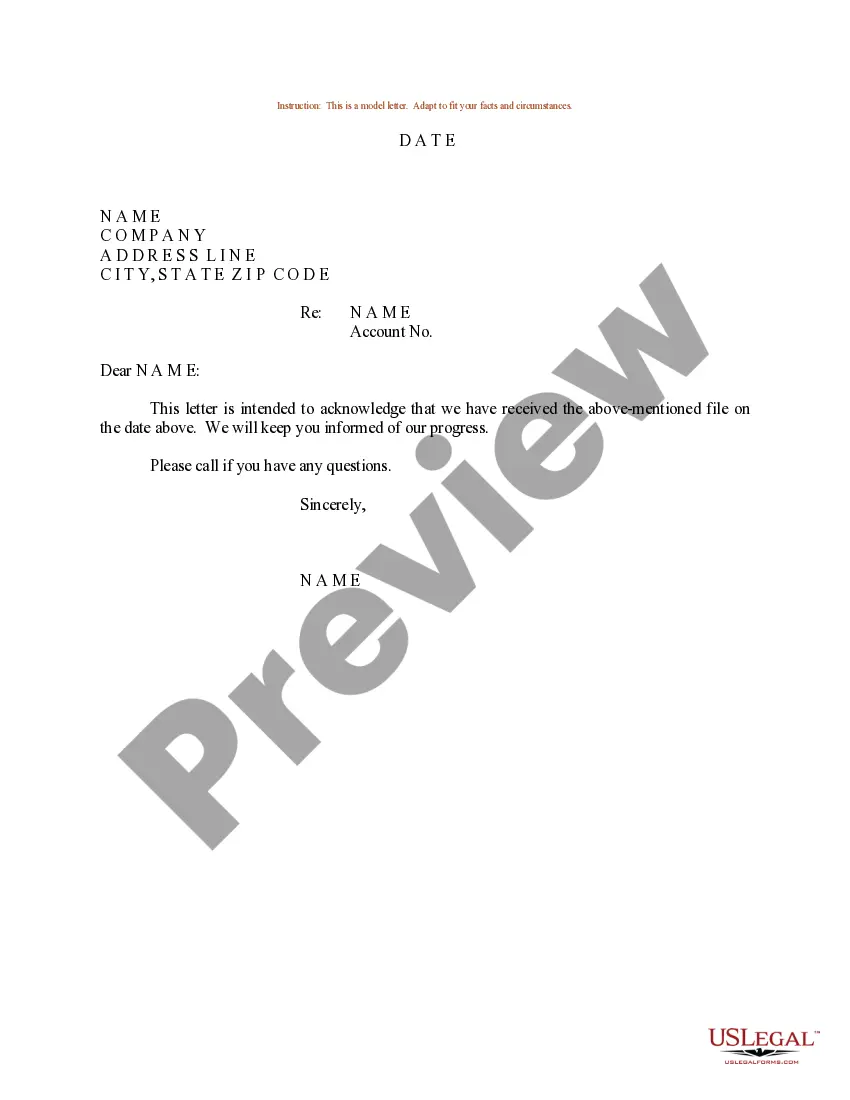
Get your form ready online
Our built-in tools help you complete, sign, share, and store your documents in one place.
Make edits, fill in missing information, and update formatting in US Legal Forms—just like you would in MS Word.
Download a copy, print it, send it by email, or mail it via USPS—whatever works best for your next step.
Sign and collect signatures with our SignNow integration. Send to multiple recipients, set reminders, and more. Go Premium to unlock E-Sign.
If this form requires notarization, complete it online through a secure video call—no need to meet a notary in person or wait for an appointment.
We protect your documents and personal data by following strict security and privacy standards.

Make edits, fill in missing information, and update formatting in US Legal Forms—just like you would in MS Word.

Download a copy, print it, send it by email, or mail it via USPS—whatever works best for your next step.

Sign and collect signatures with our SignNow integration. Send to multiple recipients, set reminders, and more. Go Premium to unlock E-Sign.

If this form requires notarization, complete it online through a secure video call—no need to meet a notary in person or wait for an appointment.

We protect your documents and personal data by following strict security and privacy standards.
Looking for another form?





Form popularity
FAQ
However, no matter the form, every receipt must include six items to meet the standards set forth by the IRS. Name of the Charity and Name of the Donor. Date of the Contribution. Detailed Description of the Property Donated. Amount of the Contribution.
Each donor receipt should include the name of the donor as well. Many donor receipts also include the charity's address and EIN, although not required. The donor, however, should have records of the charity's address. Donor receipts should include the date of the contribution.
The following is an example of a written acknowledgment where a charity accepts contributions in the name of one of its activities: "Thank you for your contribution of $250 to (Organization) made in the name of its Kids & Families program. No goods or services were provided in exchange for your donation."
What To Include in Donor Acknowledgement Letters Donor's name. Address the donor by name. Organization's name. Clearly state your nonprofit's name to make the letter official and avoid confusion. Donation amount and date. Type of donation. Tax information. Mission impact. Closing with gratitude. Clear Subject Line.
How should I recognize in-kind donations? Send the donor an acknowledgment that includes your tax ID number, a description of the goods and/or services they donated and the date you received them. This letter should also confirm that donors received no substantial goods or services in exchange for their contribution.
Get a receipt QCDs are not deductible as charitable contributions on Schedule A. But, as with deductible contributions, the donor must get a written acknowledgement of their contribution from the charitable organization before filing their return.
What do you need to include in your donation acknowledgment letter? The donor's name. The full legal name of your organization. A declaration of your organization's tax-exempt status. Your organization's employer identification number. The date the gift was received. A description of the gift and the amount received.
What To Include in Donor Acknowledgement Letters Donor's name. Address the donor by name. Organization's name. Clearly state your nonprofit's name to make the letter official and avoid confusion. Donation amount and date. Type of donation. Tax information. Mission impact. Closing with gratitude. Clear Subject Line.
Include relevant details Start with your name and contact details. Include the date and the recipient's name and contact information. Explain the purpose of the letter. Provide the specific details of what you are acknowledging. Make a statement of appreciation. Close the letter with a polite salutation and your name.

