Donation Letter For Back To School Supplies In Dallas
Description



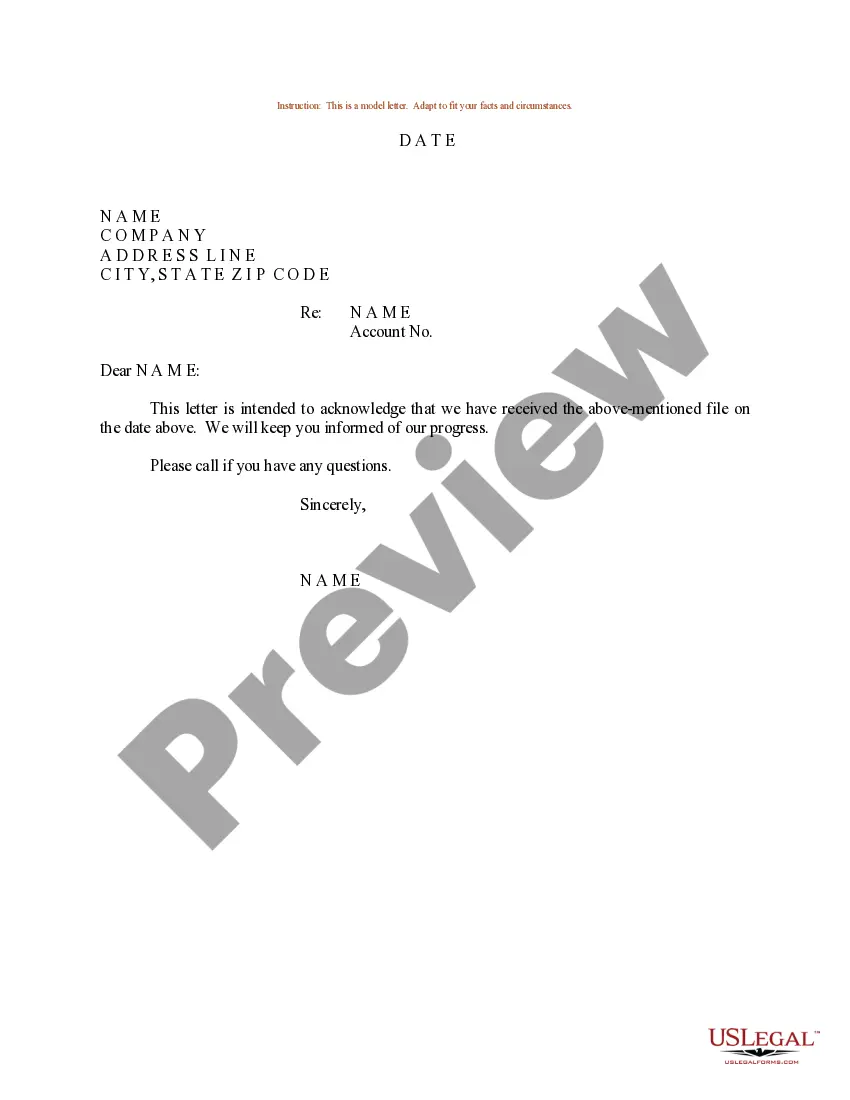
Get your form ready online
Our built-in tools help you complete, sign, share, and store your documents in one place.
Make edits, fill in missing information, and update formatting in US Legal Forms—just like you would in MS Word.
Download a copy, print it, send it by email, or mail it via USPS—whatever works best for your next step.
Sign and collect signatures with our SignNow integration. Send to multiple recipients, set reminders, and more. Go Premium to unlock E-Sign.
If this form requires notarization, complete it online through a secure video call—no need to meet a notary in person or wait for an appointment.
We protect your documents and personal data by following strict security and privacy standards.

Make edits, fill in missing information, and update formatting in US Legal Forms—just like you would in MS Word.

Download a copy, print it, send it by email, or mail it via USPS—whatever works best for your next step.

Sign and collect signatures with our SignNow integration. Send to multiple recipients, set reminders, and more. Go Premium to unlock E-Sign.

If this form requires notarization, complete it online through a secure video call—no need to meet a notary in person or wait for an appointment.

We protect your documents and personal data by following strict security and privacy standards.
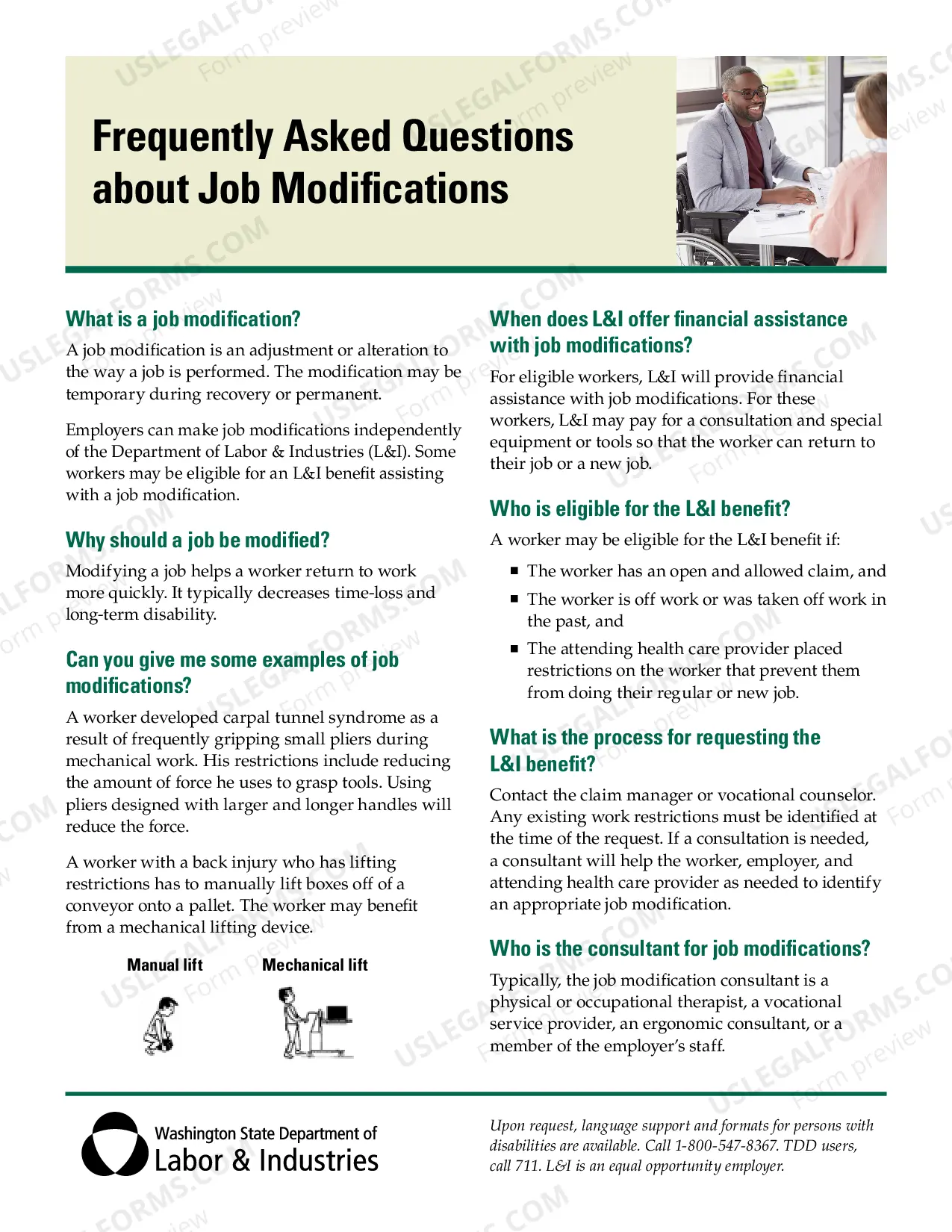
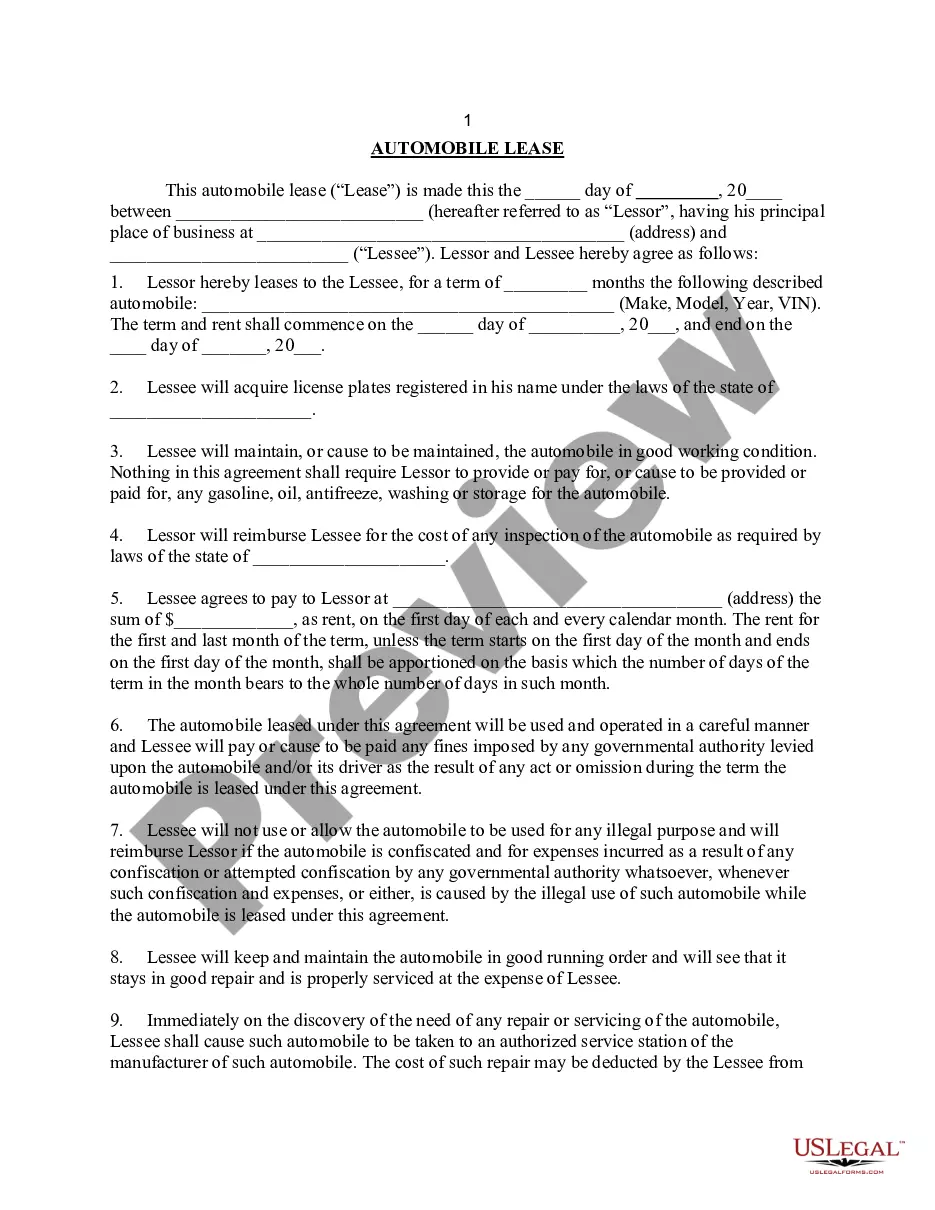
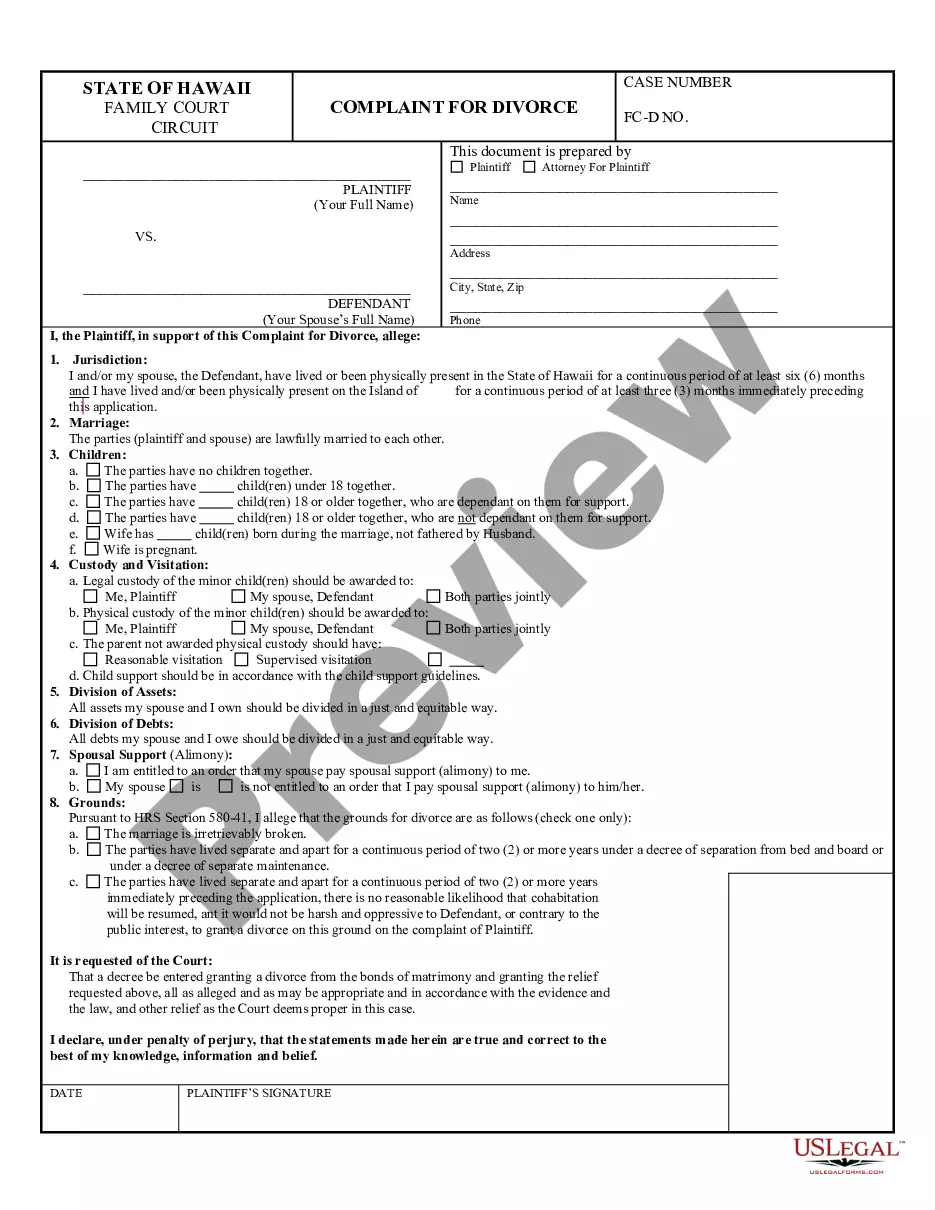
Looking for another form?



Form popularity
FAQ
Explain who you are, the organization you represent, and the cause or project you are seeking donations for. Body: In the main body of the letter, provide more details about the organization, the specific need or initiative you are fundraising for, and how the donations will be used.
Use a short story from your classroom when you ask for donations to explain why it's so important your students get what they need. The most compelling stories connect us to another person on an individual level. To make it personal, tell a story of “one” rather than many.
Make it urgent. Giving now is better than giving later, so make sure your language reflects that. Be clear and direct. Craft a great subject line. Keep it optimistic. Say thank you in advance. Use "you" in your asking for a donation wording. Use action verbs. Follow the numbers.
How do you write a fundraising letter? Key steps Start with a personalized greeting. Explain your mission. Describe your current initiative. Outline your project's needs and what you hope to accomplish. Add meaningful photographs or infographics. Show the tangible impact associated with specific donation amounts.
How do you write a fundraising letter? Key steps Start with a personalized greeting. Explain your mission. Describe your current initiative. Outline your project's needs and what you hope to accomplish. Add meaningful photographs or infographics. Show the tangible impact associated with specific donation amounts.
Craft a concise, direct donation message by clearly stating your cause, the impact of donations, and specific calls-to-action with emotional language. For example: "Your $25 gift provides a week of meals for a family in need. Text FEED to 55555 to More Meals today!"
I'm writing to ask you to support me and my cause/project/etc.. Just a small donation of amount can help me accomplish task/reach a goal/etc.. Your donation will go toward describe exactly what the contribution will be used for. When possible, add a personal connection to tie the donor to the cause.
Offer your donation, preferably in writing, to the school board governing the public school district of your choice. School boards have the discretion to accept or reject your gift on behalf of the school district.
Write about what matters to them and in a way they would want you to - make it personal to the donor. Donors give, because they want to make a difference. Talk about what they have done and made possible - 'your donation....', 'because of you..'.
Make it urgent. Giving now is better than giving later, so make sure your language reflects that. Be clear and direct. Craft a great subject line. Keep it optimistic. Say thank you in advance. Use "you" in your asking for a donation wording. Use action verbs. Follow the numbers.

