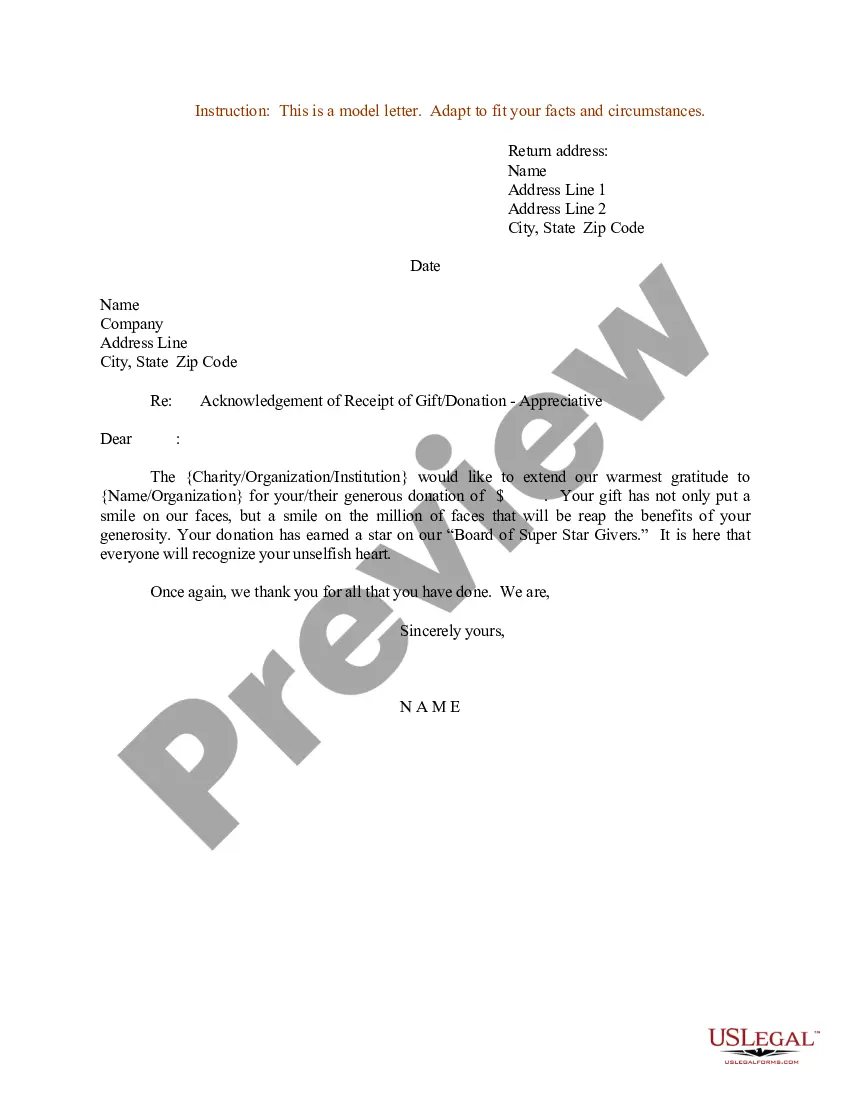
Donation Letter For Nonprofit In Contra Costa
Description
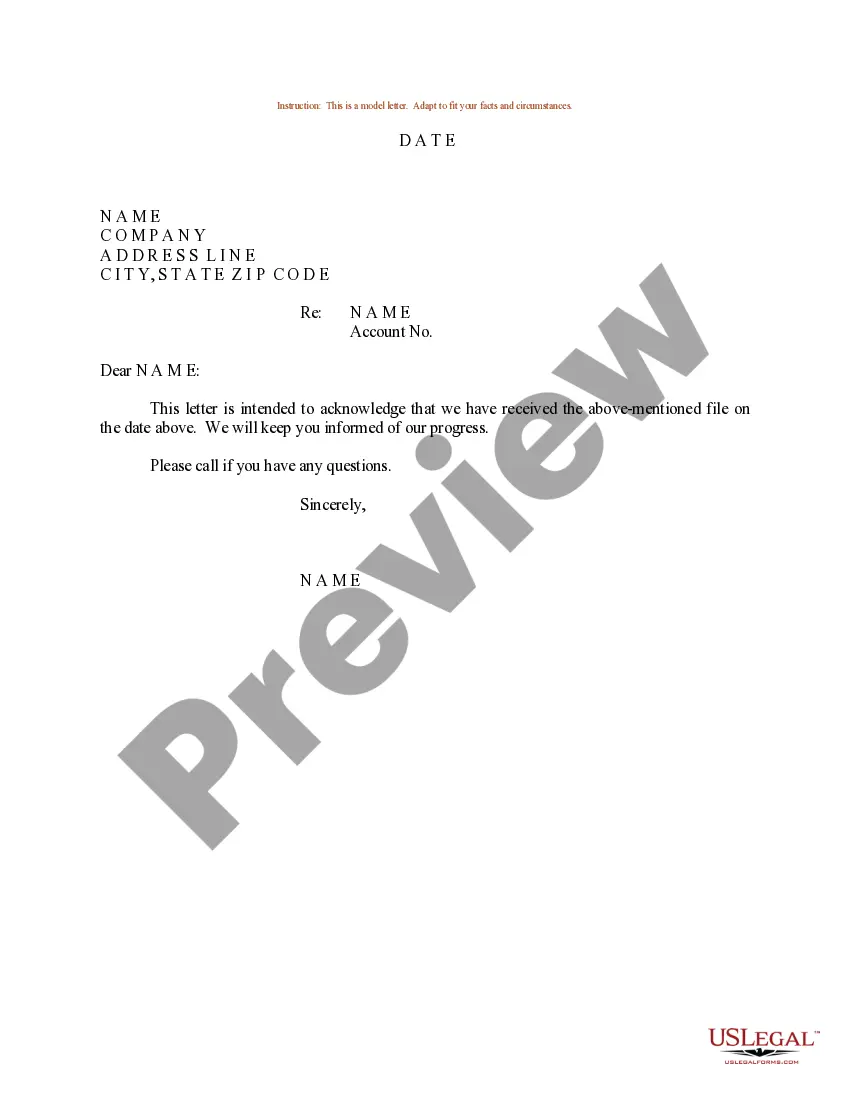
Get your form ready online
Our built-in tools help you complete, sign, share, and store your documents in one place.
Make edits, fill in missing information, and update formatting in US Legal Forms—just like you would in MS Word.
Download a copy, print it, send it by email, or mail it via USPS—whatever works best for your next step.
Sign and collect signatures with our SignNow integration. Send to multiple recipients, set reminders, and more. Go Premium to unlock E-Sign.
If this form requires notarization, complete it online through a secure video call—no need to meet a notary in person or wait for an appointment.
We protect your documents and personal data by following strict security and privacy standards.

Make edits, fill in missing information, and update formatting in US Legal Forms—just like you would in MS Word.

Download a copy, print it, send it by email, or mail it via USPS—whatever works best for your next step.

Sign and collect signatures with our SignNow integration. Send to multiple recipients, set reminders, and more. Go Premium to unlock E-Sign.

If this form requires notarization, complete it online through a secure video call—no need to meet a notary in person or wait for an appointment.

We protect your documents and personal data by following strict security and privacy standards.
Looking for another form?
Form popularity
FAQ
10 Steps to Get Donations from Companies Create a shortlist of companies. Identify your channel. Recover lapsed donors. Personalize your donation request. Explain the impact of the donation. Provide different donation options. Explain what you can offer in return. Always follow up.
Write a letter. This method lends a bit of formality to the ask. Limit your letter to one page, and make sure that someone in your organization signs it (preferably a board member or other leader). Ask in person. This method is sometimes preferred by nonprofits who are asking local businesses for donations.
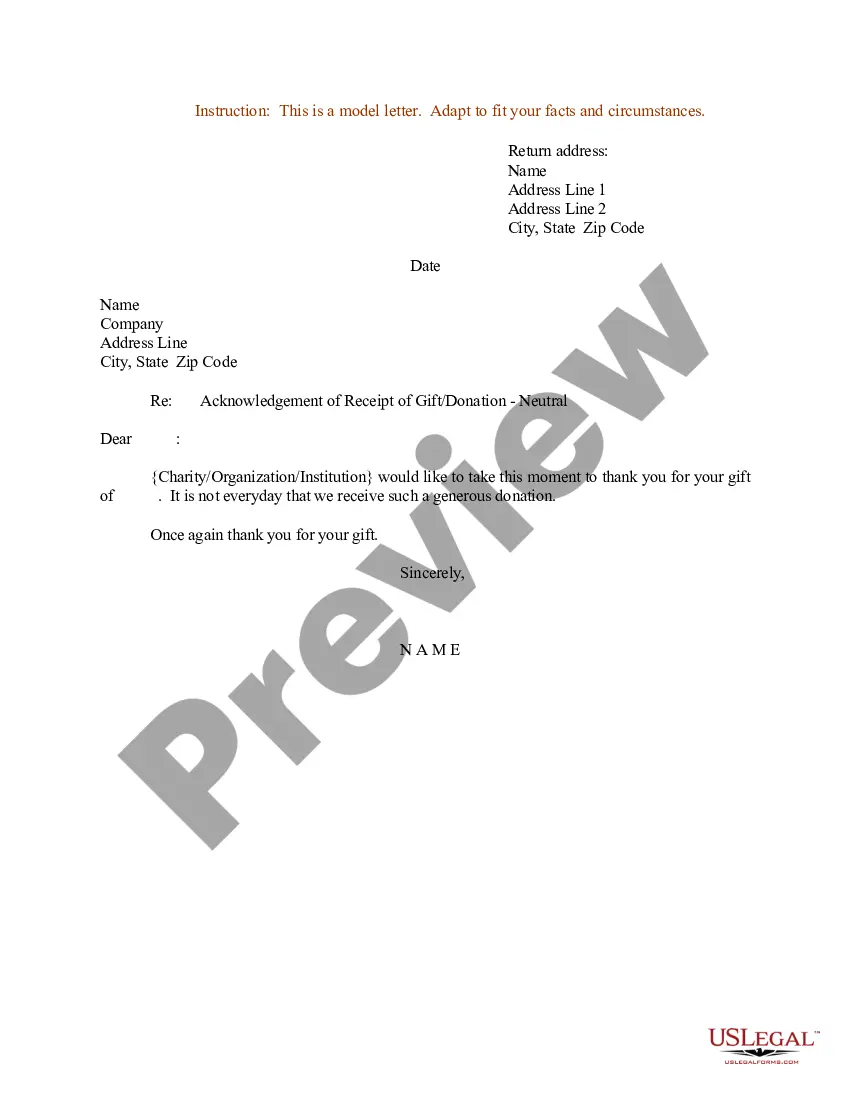
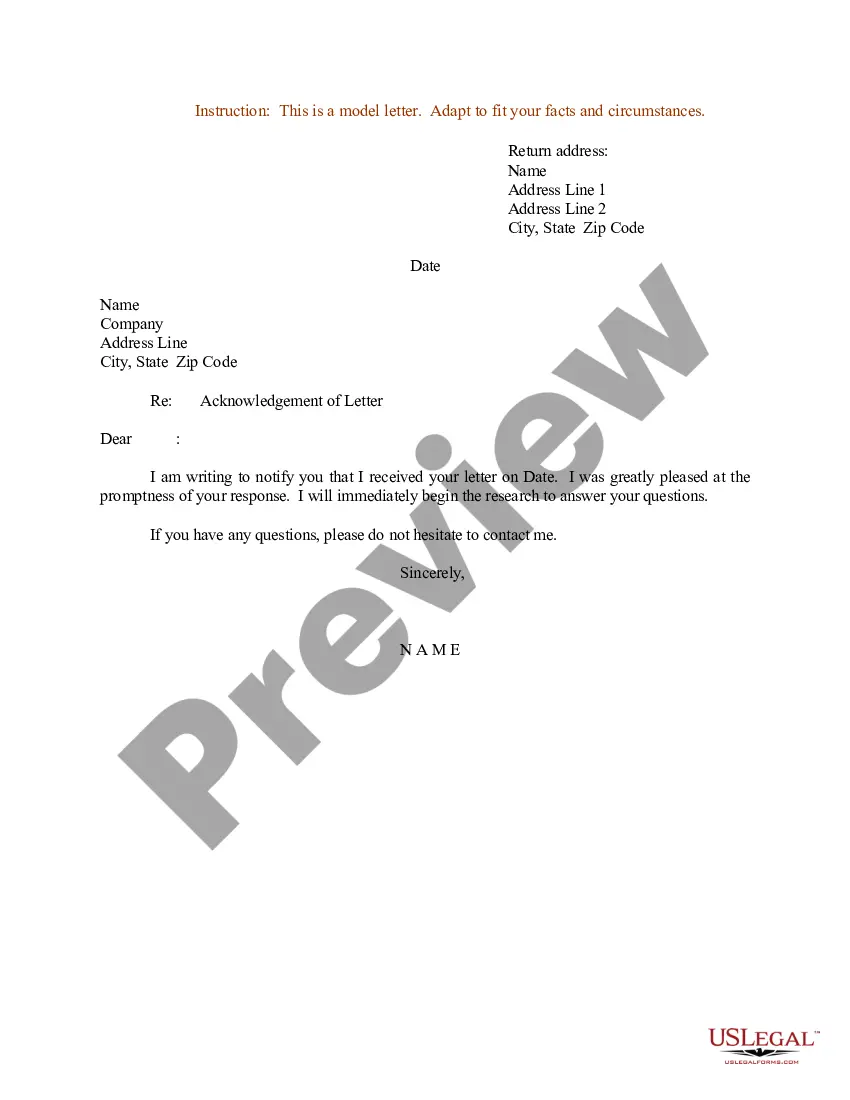
Each letter should include the following information: The donor's name. The full legal name of your organization. A declaration of your organization's tax-exempt status. Your organization's employer identification number. The date the gift was received. A description of the gift and the amount received.
A donation acknowledgment letter is a type of donor letter that you send to donors to document their charitable gifts and donations. Sometimes your donation receipt functions as a donor acknowledgement. However, that's not always the case.
A donation acknowledgment letter (sometimes called a donation receipt or thank-you letter) is an email or paper that recognizes a charitable contribution. At a bare minimum, it's a confirmation receipt to your donors acknowledging you've received their donation.
How to Write a Fundraising Letter Address the donor by their preferred name. Including the recipient's name demonstrates that you value their support as an individual, rather than a nameless source of revenue. Incorporate storytelling. Add compelling visuals. Emphasize the impact of donations. Include a call to action.
While we recommend sending donation acknowledgment letters to all of your donors, you are legally obligated to send documentation to donors who have given a gift of $250 or more. The IRS requires nonprofit organizations to provide a formal acknowledgment letter to these donors for tax purposes.
The following guidelines can help steer your donation request letters in the right direction. Segment your donors. Personalize your donation request. Employ storytelling. Include a compelling call to action. Express thanks in advance. Consider your timing. Individual donation request letter template (New donors)
Here are some ideas for wording that can be used while asking for donations: Make a donation. Join the fight! Give to <nonprofit/cause> Impact the lives of <beneficiaries> today. Take action! Help educate a child! / Help <blank> today! Stop Injustice. Fight now!
Start with a clear statement of purpose. Explain the specific need or cause you are fundraising for, and why it is important. Share personal stories or anecdotes that illustrate the impact the donations will have. Quantify the need and how the donations will be used. Convey gratitude and appreciation for any