Money Gift Letter For Mortgage Template In Bexar
Description



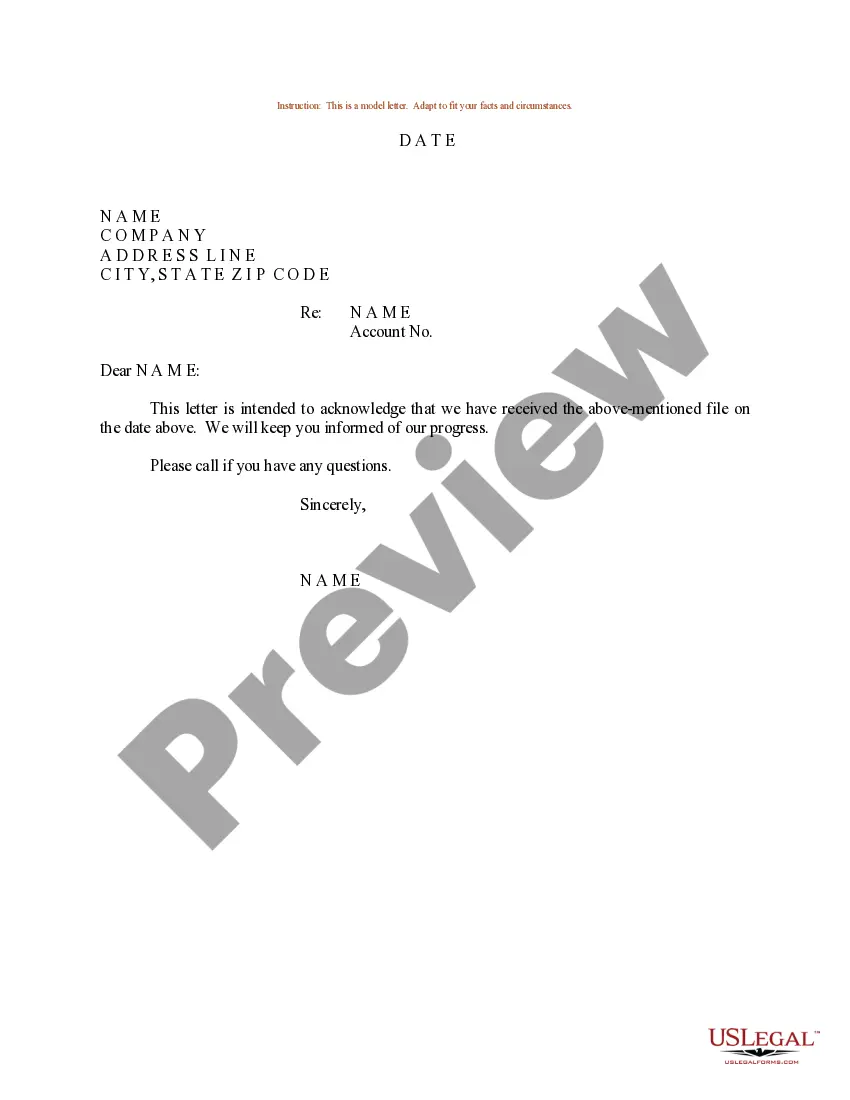
Get your form ready online
Our built-in tools help you complete, sign, share, and store your documents in one place.
Make edits, fill in missing information, and update formatting in US Legal Forms—just like you would in MS Word.
Download a copy, print it, send it by email, or mail it via USPS—whatever works best for your next step.
Sign and collect signatures with our SignNow integration. Send to multiple recipients, set reminders, and more. Go Premium to unlock E-Sign.
If this form requires notarization, complete it online through a secure video call—no need to meet a notary in person or wait for an appointment.
We protect your documents and personal data by following strict security and privacy standards.

Make edits, fill in missing information, and update formatting in US Legal Forms—just like you would in MS Word.

Download a copy, print it, send it by email, or mail it via USPS—whatever works best for your next step.

Sign and collect signatures with our SignNow integration. Send to multiple recipients, set reminders, and more. Go Premium to unlock E-Sign.

If this form requires notarization, complete it online through a secure video call—no need to meet a notary in person or wait for an appointment.

We protect your documents and personal data by following strict security and privacy standards.
Looking for another form?
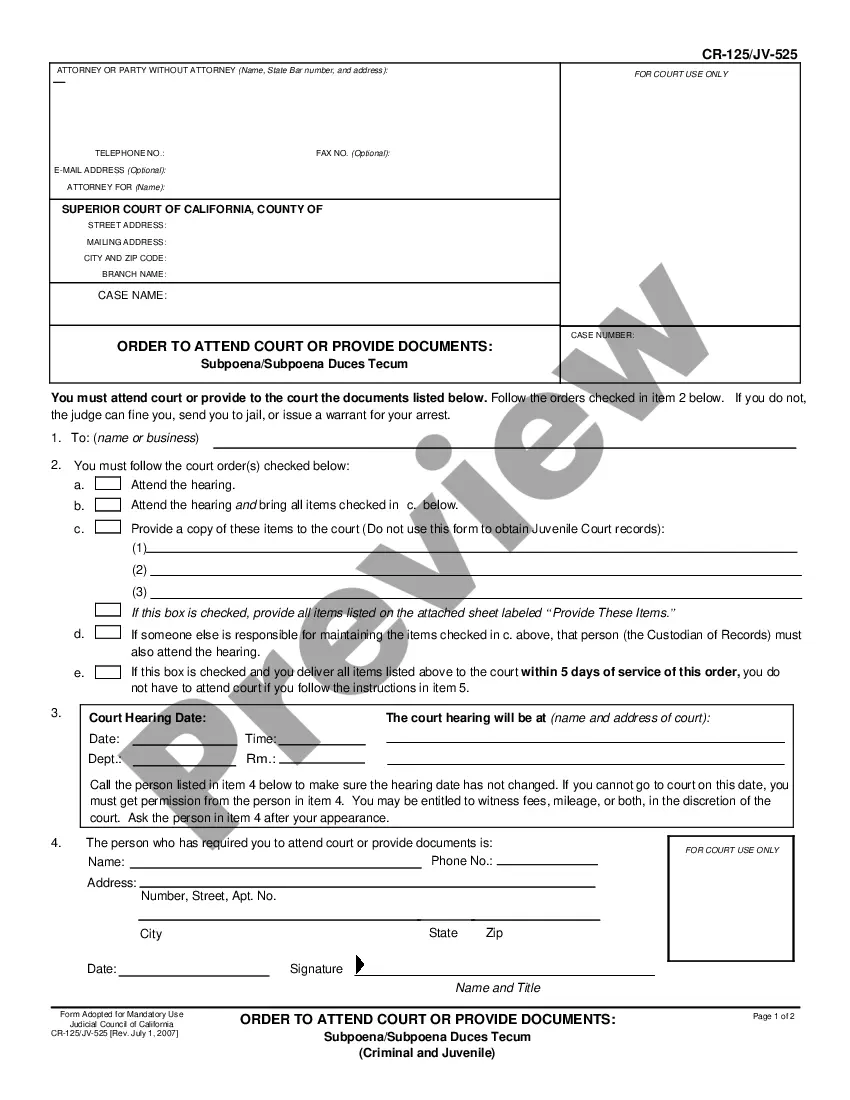




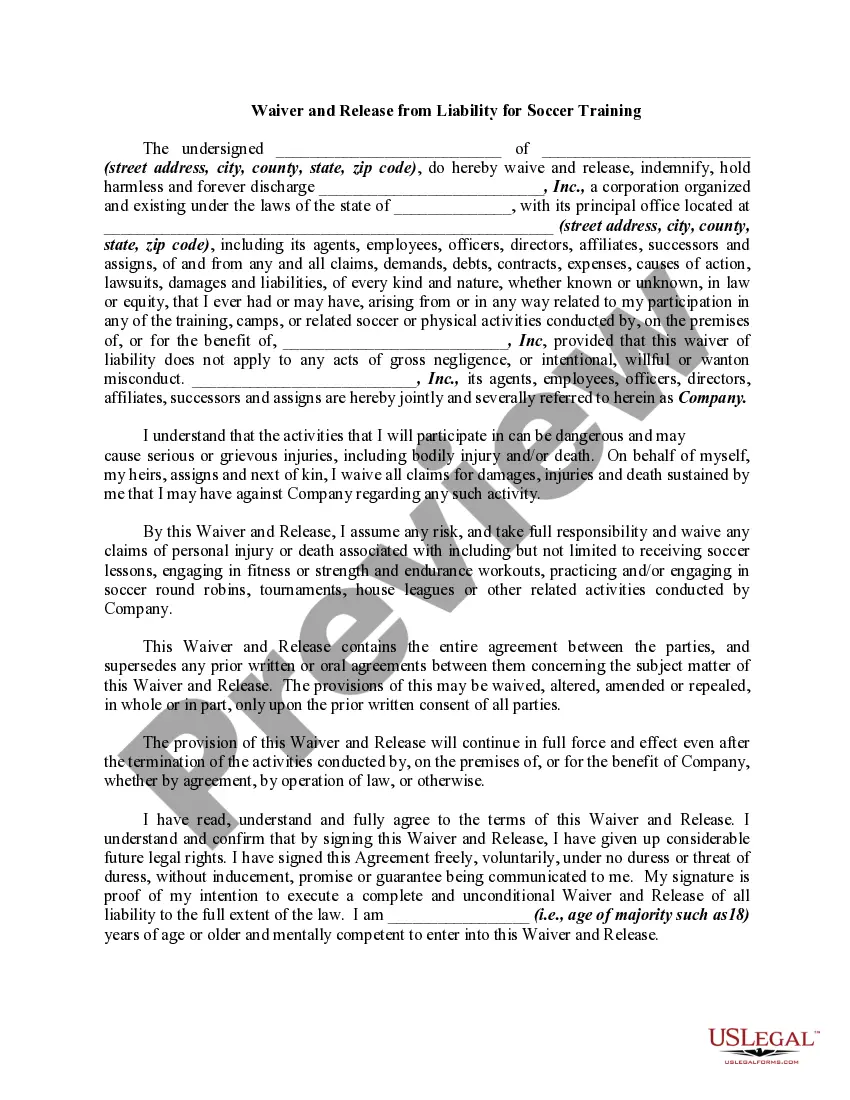

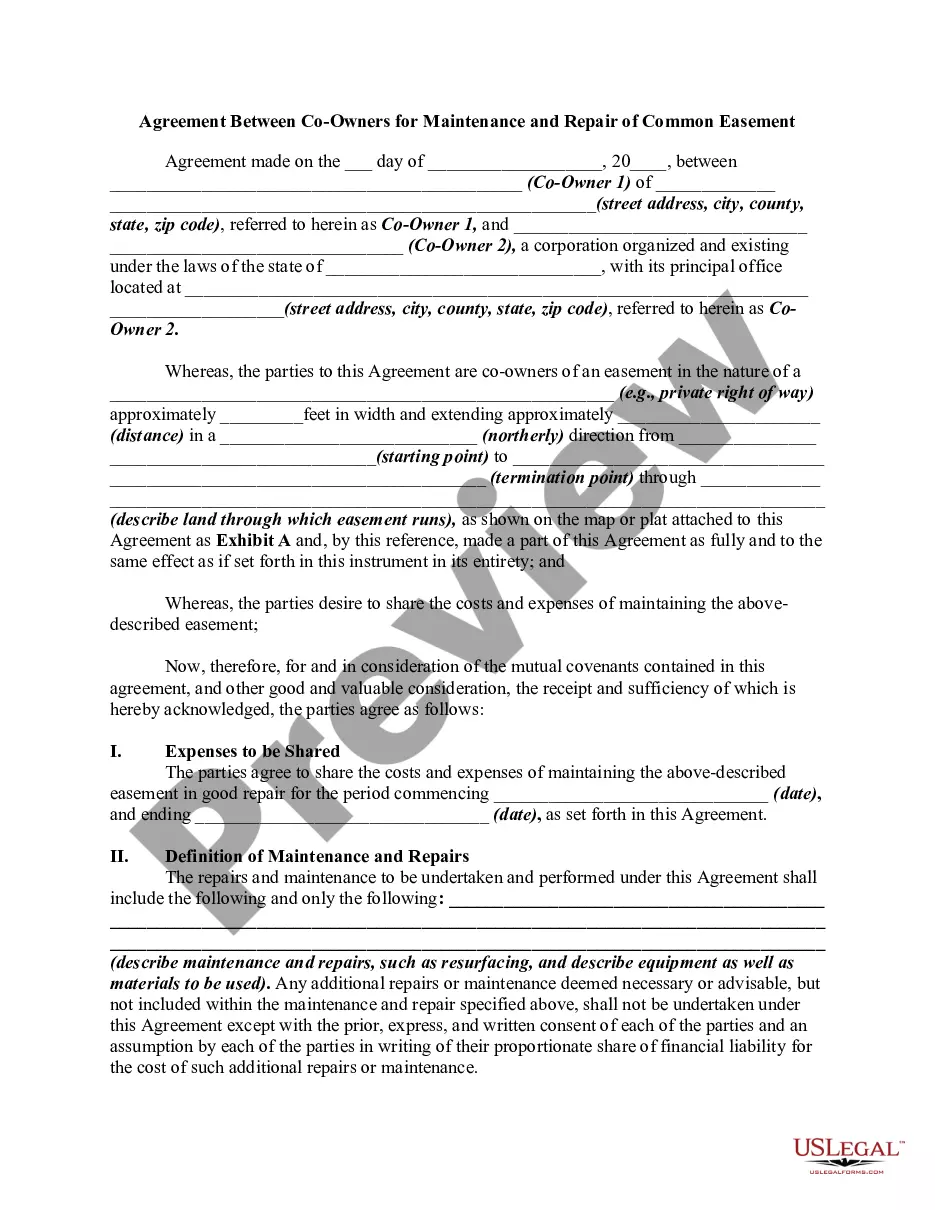
Form popularity
FAQ
Documentation Requirements The gift letter must: specify the actual or the maximum dollar amount of the gift; include the donor's statement that no repayment is expected; and. indicate the donor's name, address, telephone number, and relationship to the borrower.
The best way to prove that a transfer of property qualifies as a gift is with evidence of the intent of the donor. The donor must intend to make a permanent transfer without any expectation of receiving something in return.
Documentation Requirements The gift letter must: specify the actual or the maximum dollar amount of the gift; include the donor's statement that no repayment is expected; and. indicate the donor's name, address, telephone number, and relationship to the borrower.
Documentation Requirements Gifts must be evidenced by a letter signed by the donor, called a gift letter. When the gift is sourced by a trust established by an acceptable donor or an estate of an acceptable donor, the gift letter must be signed by the donor and list the name of the trust or the estate account.
(Date) Dear (Donor): I have received your "Offer of Gift," dated ___________________, by which you, on behalf of the (Name of Company), offered to convey (Description of Property) to the United States of America as a gift. I accept with pleasure your gift and conveyance of the (Property), pursuant to 10 U.S.C. 2601.
Gift funds must be from an acceptable source such as savings accounts, stocks or savings bonds. Gift funds must be verified entering into a borrower's bank account and leaving the donor's bank account.
Click below to view the eight pieces of information in a gift letter and why lenders request each one: The exact dollar amount of the gift. The donor's signed statement that no repayment is expected. The property address associated with the down payment. Donor information. The date the funds were or will be transferred.
A gift letter must contain the donor's name, the gift's value, confirmation that the gift is not to be repaid, and the donor's signature. For tax year 2024, the annual exclusion on a gift per person per year is $18,000, an increase of $1,000 over 2023, ing to the Internal Revenue Service (IRS).

