Requesting Discovery Form For Canada In Massachusetts
Description
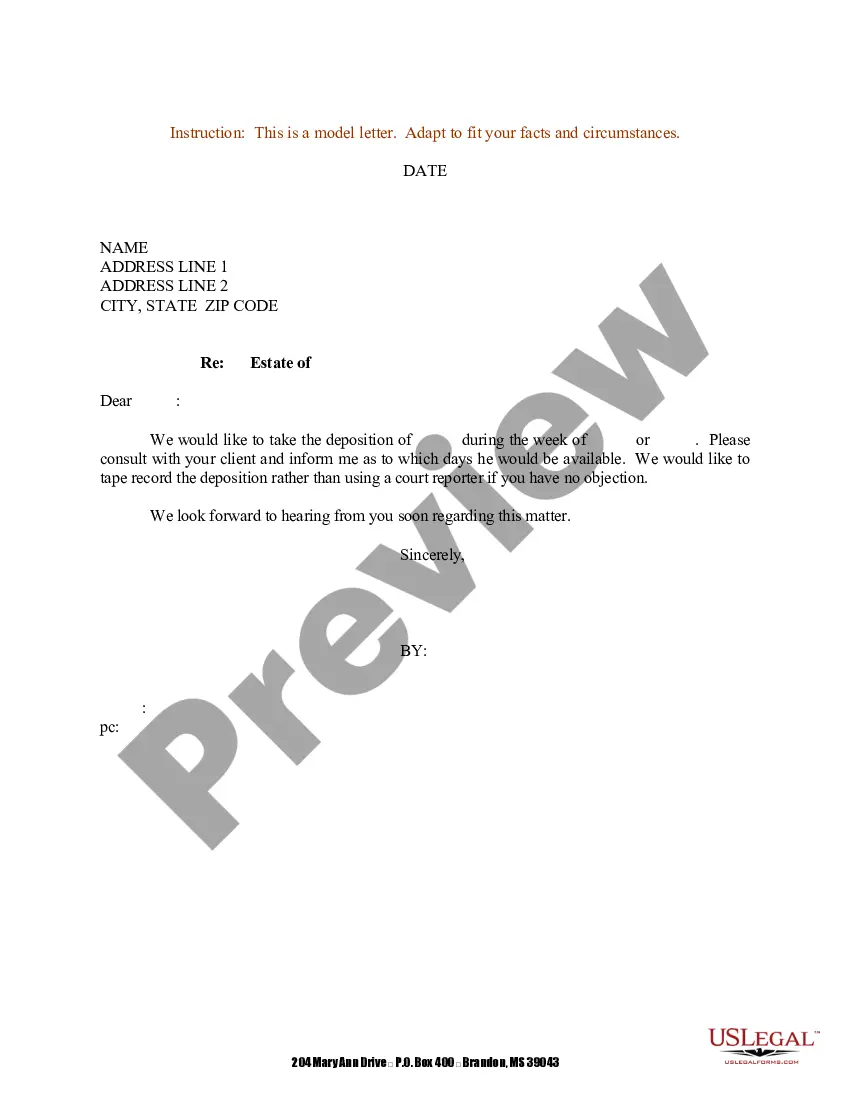
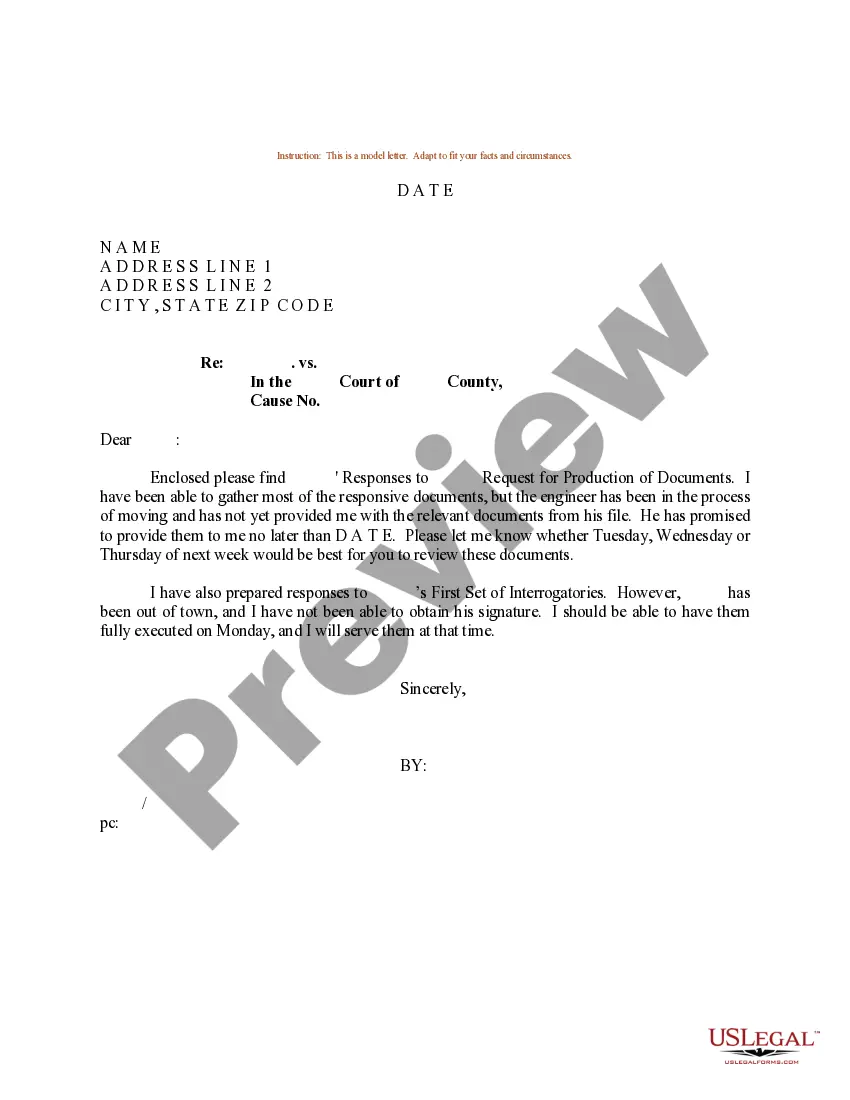
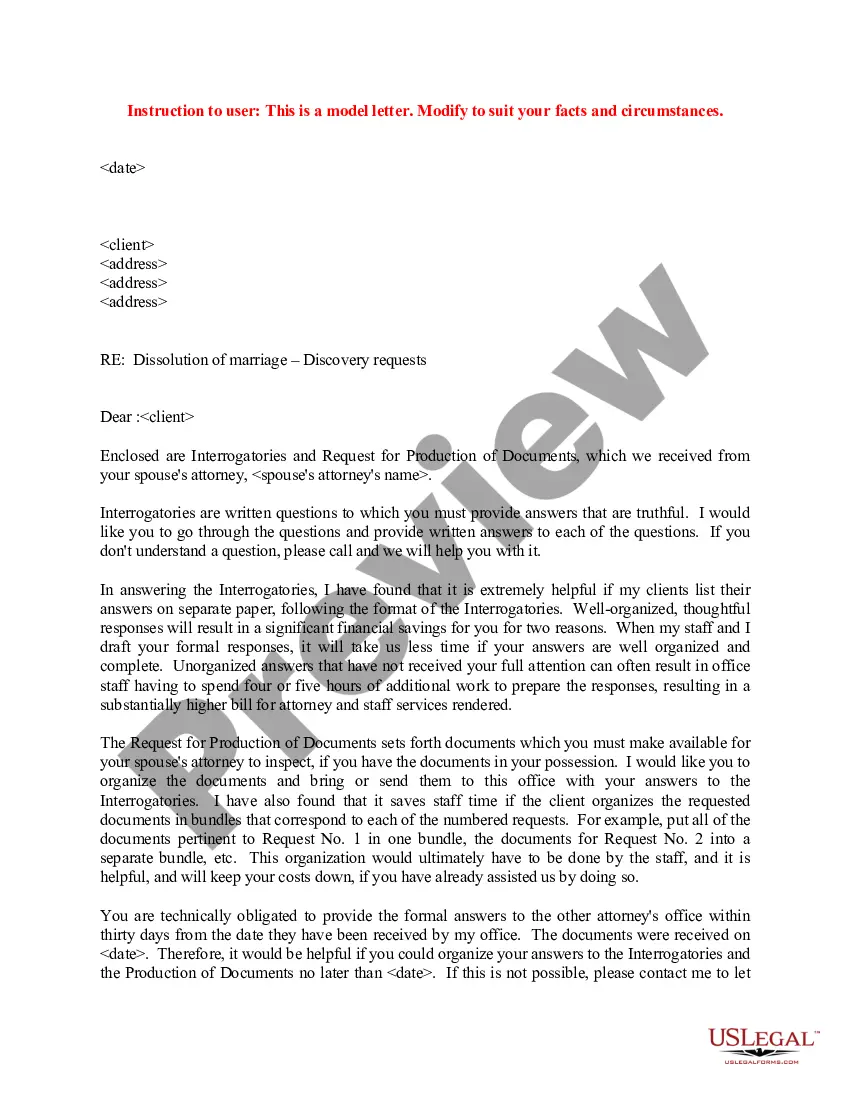
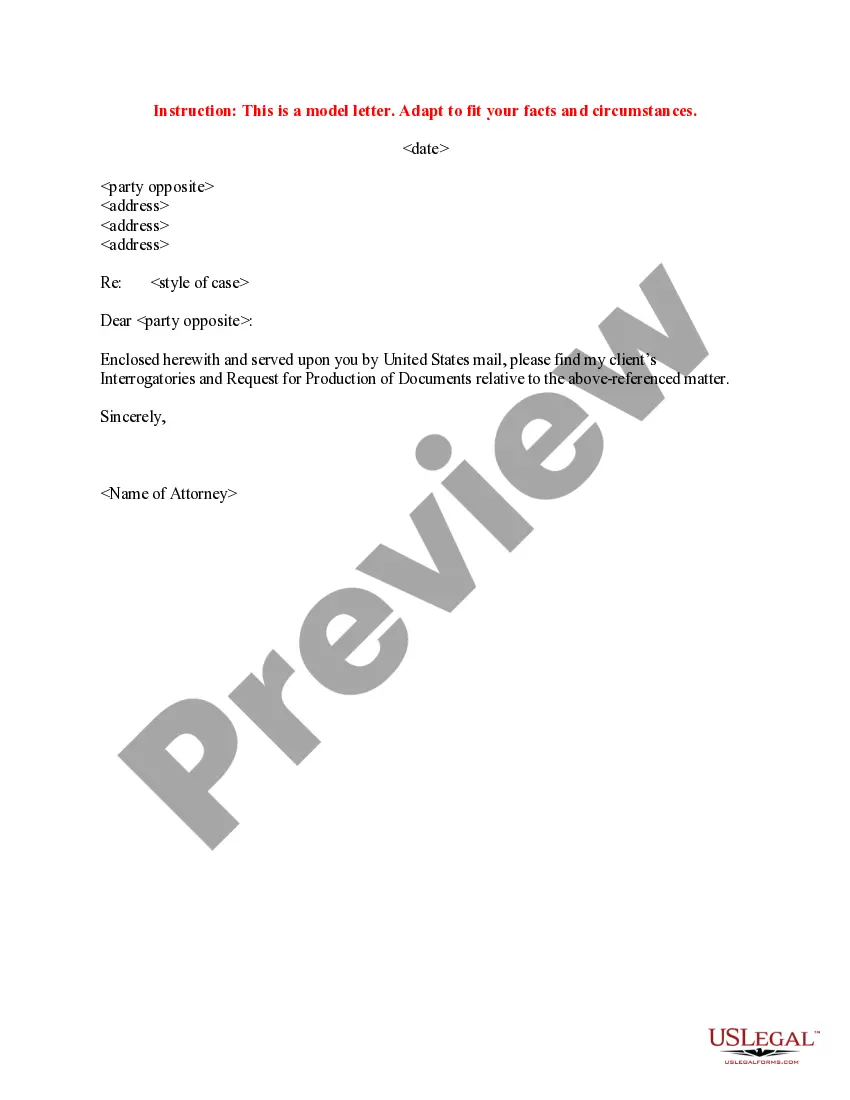
Get your form ready online
Our built-in tools help you complete, sign, share, and store your documents in one place.
Make edits, fill in missing information, and update formatting in US Legal Forms—just like you would in MS Word.
Download a copy, print it, send it by email, or mail it via USPS—whatever works best for your next step.
Sign and collect signatures with our SignNow integration. Send to multiple recipients, set reminders, and more. Go Premium to unlock E-Sign.
If this form requires notarization, complete it online through a secure video call—no need to meet a notary in person or wait for an appointment.
We protect your documents and personal data by following strict security and privacy standards.

Make edits, fill in missing information, and update formatting in US Legal Forms—just like you would in MS Word.

Download a copy, print it, send it by email, or mail it via USPS—whatever works best for your next step.

Sign and collect signatures with our SignNow integration. Send to multiple recipients, set reminders, and more. Go Premium to unlock E-Sign.

If this form requires notarization, complete it online through a secure video call—no need to meet a notary in person or wait for an appointment.

We protect your documents and personal data by following strict security and privacy standards.
Looking for another form?




Form popularity
FAQ
The purpose of discovery is to enable the opposing party in a lawsuit to know the case it has to meet; to obtain admissions that may harm the other side's case; to narrow or eliminate the issues in an action; and to facilitate settlement.
A discovery involves questioning of the parties to the lawsuit, namely the plaintiff, who is suing, and the defendant, who is being sued, by the opposing lawyers. Usually discoveries are conducted orally. In rare circumstances however, they may consist of a written exchange of questions and answers.
You use discovery to get information or evidence from the other side in a lawsuit that will help you make your case. In order to get the information you need, you must make a request using a specific procedure and written format, within a specific timeframe.
Examinations for Discovery are a pre-trial proceeding which permits any party 1 to a civil lawsuit to obtain information about the case of any party who is adverse in interest to him.
During an Examination for Discovery, you will be required to swear an oath or affirmation that you are being truthful. Then, the lawyers for the other side will ask you both general questions and detailed questions as they relate to the legal matter. It is important to prepare for an Examination for Discovery.
Massachusetts recognizes the “discovery rule,” which allows the statute of limitations to start when an injury is identified or reasonably should have been recognized, not necessarily from the date of the incident.
Discovery is a process by which the parties gather and exchange information that is important to the case. What is the Purpose of Discovery? The purpose of discovery is to provide parties the opportunity to gather evidence relevant to proving or defending the case.
If you're located outside of the U.S., discovery+ is currently available in the following locations: Austria, Brazil, Canada, Germany, India, Ireland, Italy, and the United Kingdom.
You use discovery to get information or evidence from the other side in a lawsuit that will help you make your case. In order to get the information you need, you must make a request using a specific procedure and written format, within a specific timeframe.
You typically have 30 days to respond to the request During the time you have to respond to discovery requests, you can still use mediation or work to negotiate a settlement with the other side. How you respond will depend upon what type of request you've received.

