Requesting Discovery Form For Canada In Oakland
Description
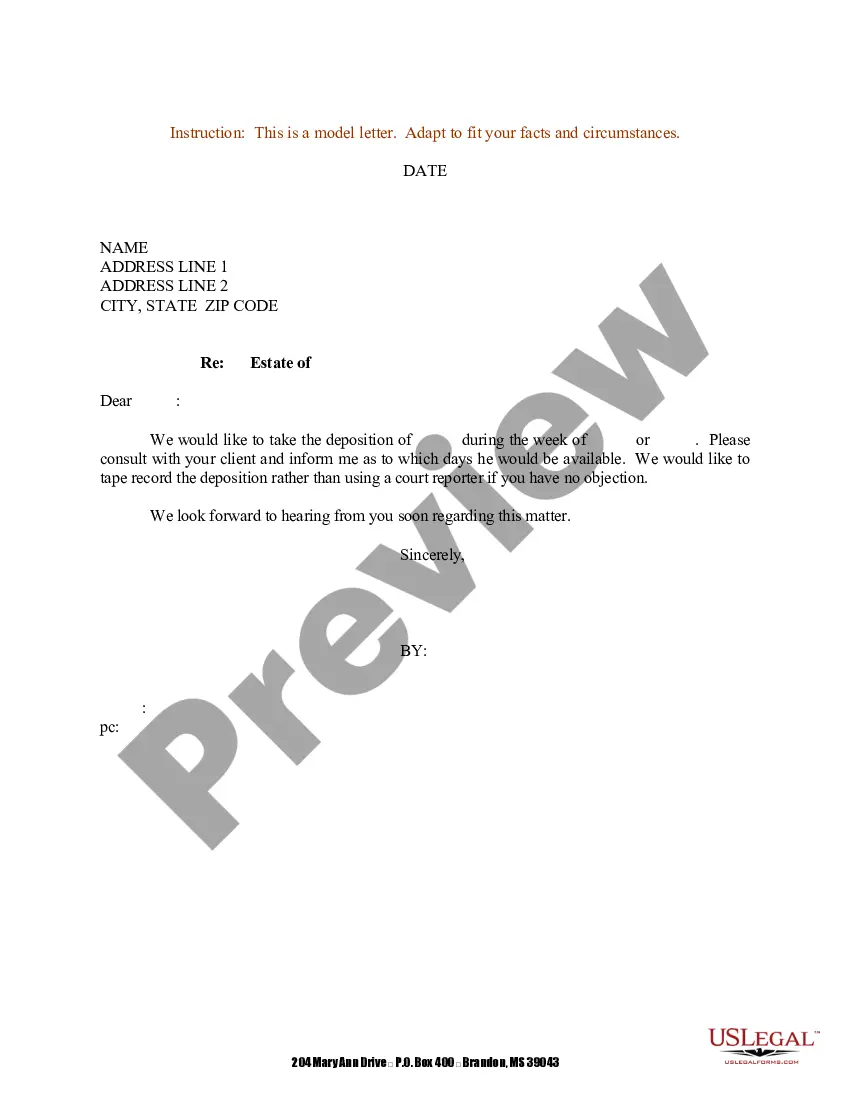
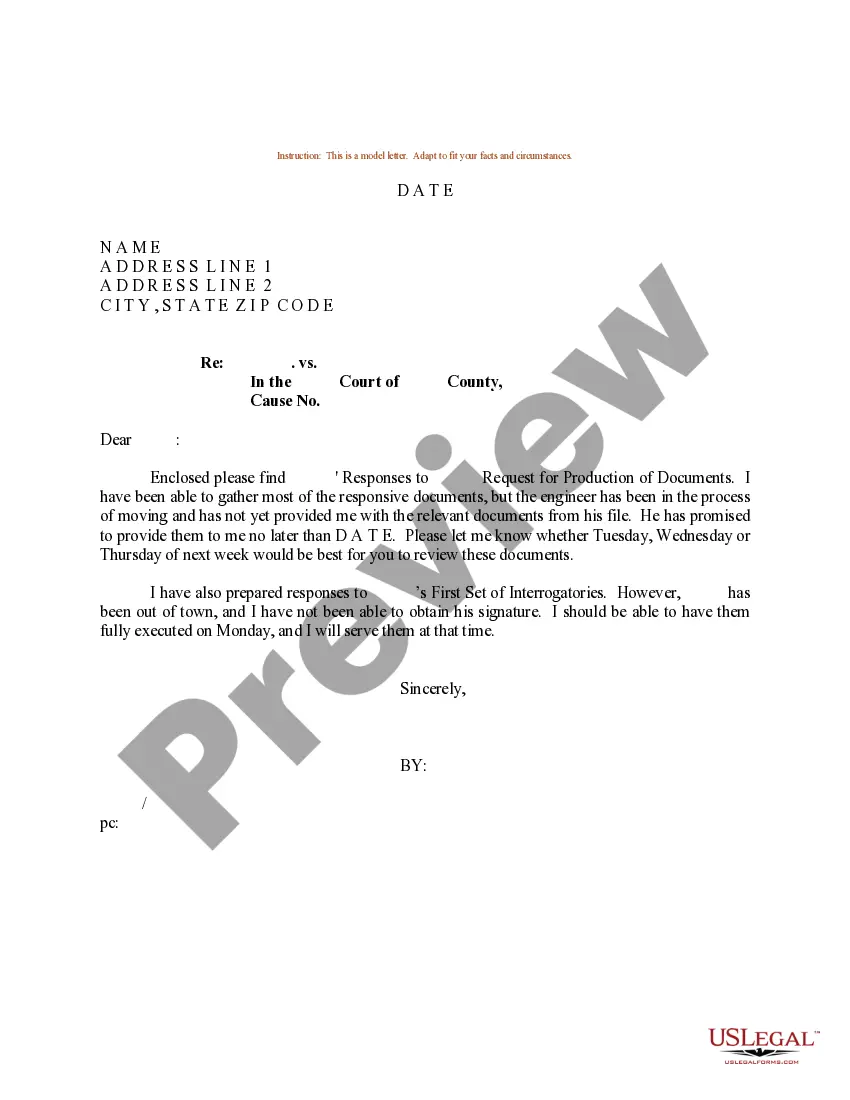
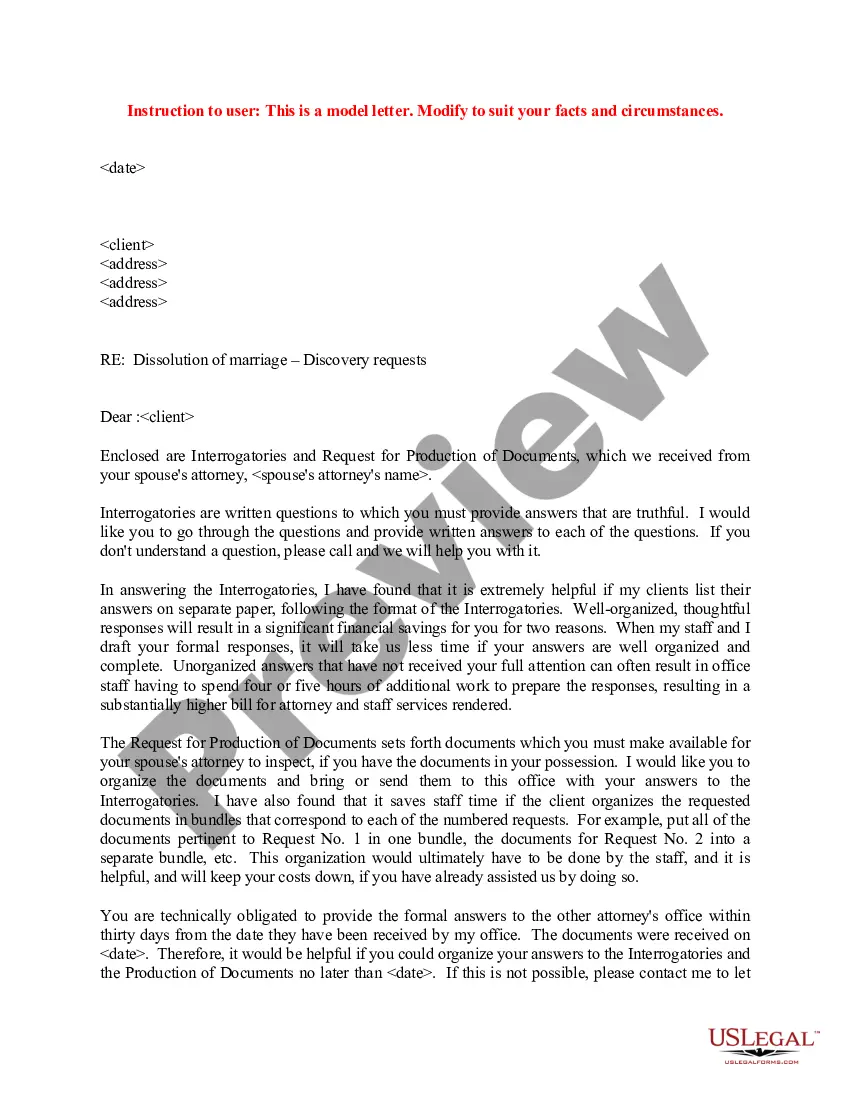
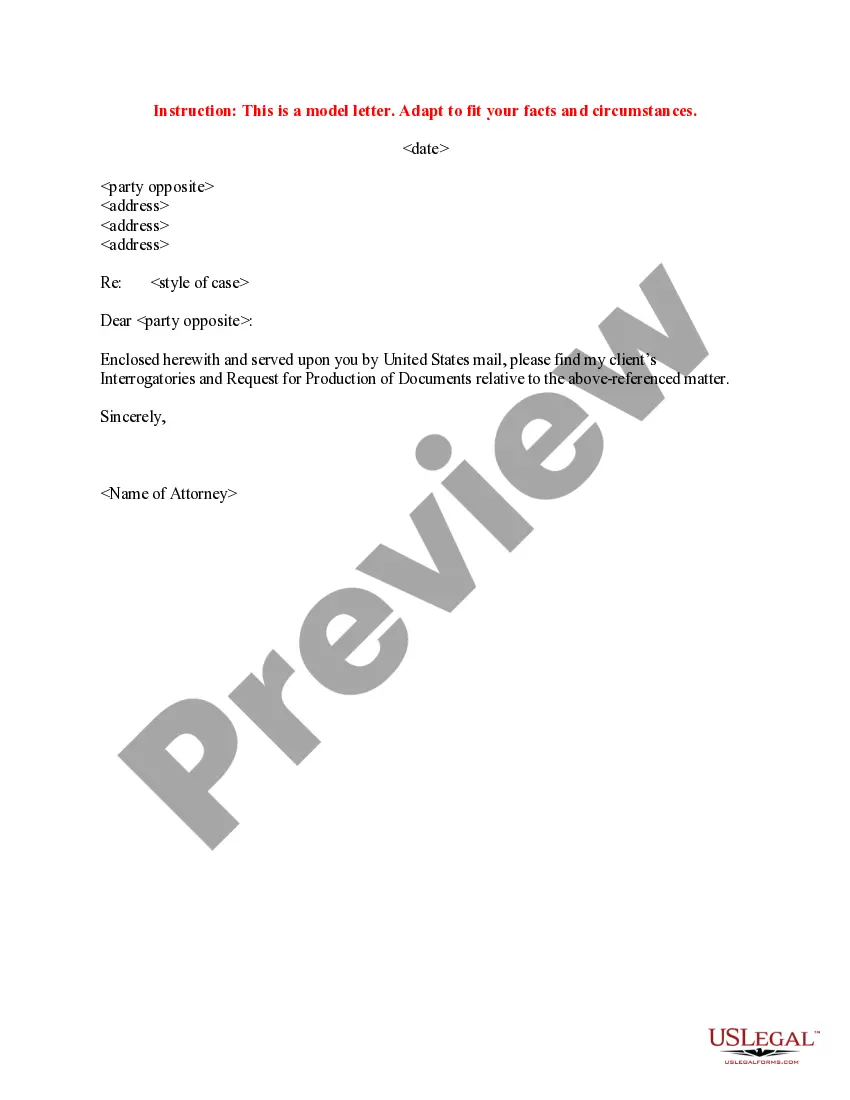
Get your form ready online
Our built-in tools help you complete, sign, share, and store your documents in one place.
Make edits, fill in missing information, and update formatting in US Legal Forms—just like you would in MS Word.
Download a copy, print it, send it by email, or mail it via USPS—whatever works best for your next step.
Sign and collect signatures with our SignNow integration. Send to multiple recipients, set reminders, and more. Go Premium to unlock E-Sign.
If this form requires notarization, complete it online through a secure video call—no need to meet a notary in person or wait for an appointment.
We protect your documents and personal data by following strict security and privacy standards.

Make edits, fill in missing information, and update formatting in US Legal Forms—just like you would in MS Word.

Download a copy, print it, send it by email, or mail it via USPS—whatever works best for your next step.

Sign and collect signatures with our SignNow integration. Send to multiple recipients, set reminders, and more. Go Premium to unlock E-Sign.

If this form requires notarization, complete it online through a secure video call—no need to meet a notary in person or wait for an appointment.

We protect your documents and personal data by following strict security and privacy standards.
Looking for another form?





Form popularity
FAQ
Federal Rule of Civil Procedure 5(b)(2)(D) states, in relevant part, that a party may serve pleadings or discovery on an adverse party by, "delivering a copy by any other means, including electronic means, consented to in writing by the person served.
There are four main types of discovery requests: (1) depositions; (2) interrogatories; (3) requests for admissions; and (4) requests for the production of documents. Depositions are formal witness interviews.
In the United States, there are five basic forms of discovery: depositions, interrogatories, requests for production of documents (or permission to inspect), physical and mental examinations, and requests for admission.
You can use Proof of Service by First Class Mail (form POS-030). It helps if you fill in the top part of the form with the case and court information. Your server can then fill in the information about how, when, and where they served the papers. Your server must then sign the form.
Three types of discovery are serendipity, through error, and exaptation.
Probe-based discovery and pattern-based discovery use different mechanisms of saving data in the CMDB. Using both discovery methods together may result in duplicate data in the CMDB. In addition, pattern-based discovery relies on relationships, while the legacy probe-based discovery uses references.
Beginning on January 1, 2024, parties will be required to make initial witness and document disclosures within 60 days of another party's request. Failure to comply or act in good faith with the new law will result in a court-imposed sanction of $1,000.
The Main Types of Discovery Depositions. A deposition is sworn and recorded testimony that happens before a trial. Interrogatories. These are written questions each side submits to gather basic information about the case to determine the agreed-upon facts. Requests for Production. Requests for Admission.
Discovery is the formal process by which the parties to a case in court exchange information about the case. This includes information about the witnesses and evidence to be presented at trial. Its purpose is to make the parties aware of the evidence which may be presented at trial.
Discoveries are a key step after pleadings have been delivered and before the trial can take place. There are two stages of the discovery process. First, all documentary evidence is exchanged between the parties. After this, all parties and potential witnesses are examined orally.

