Requesting Discovery Form For Canada In Middlesex
Description
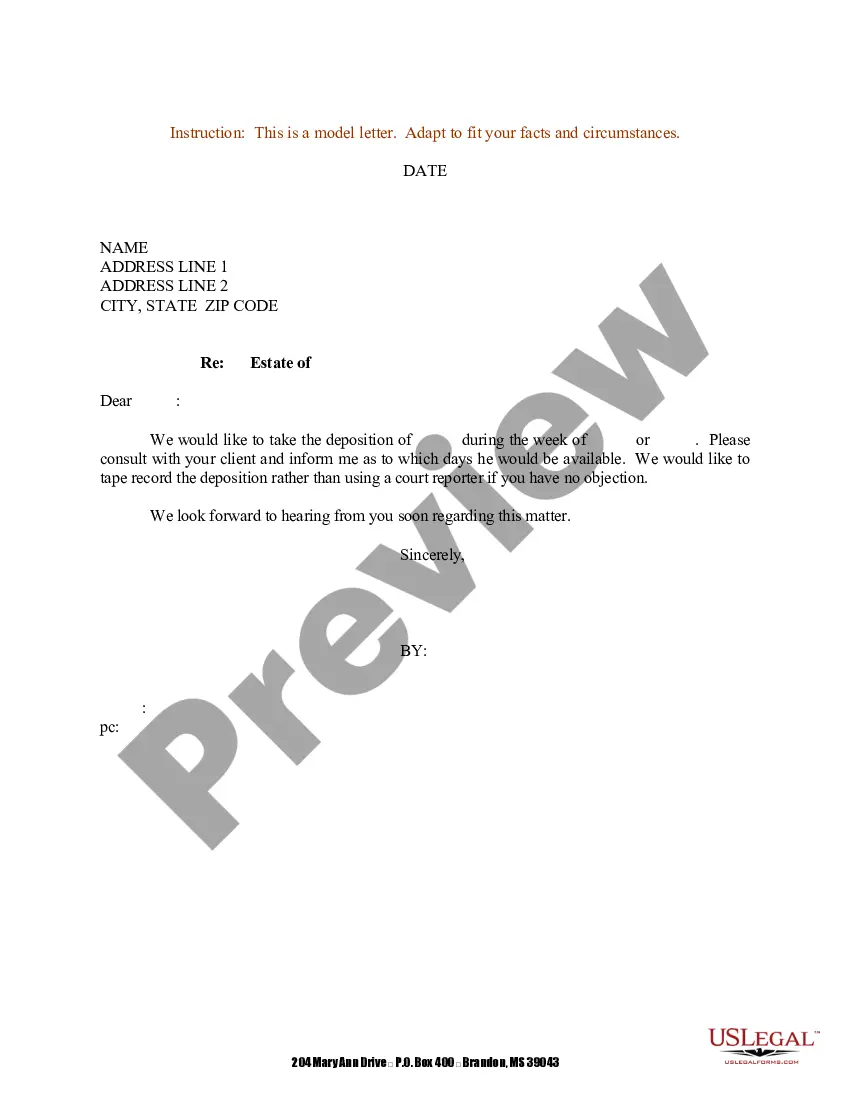
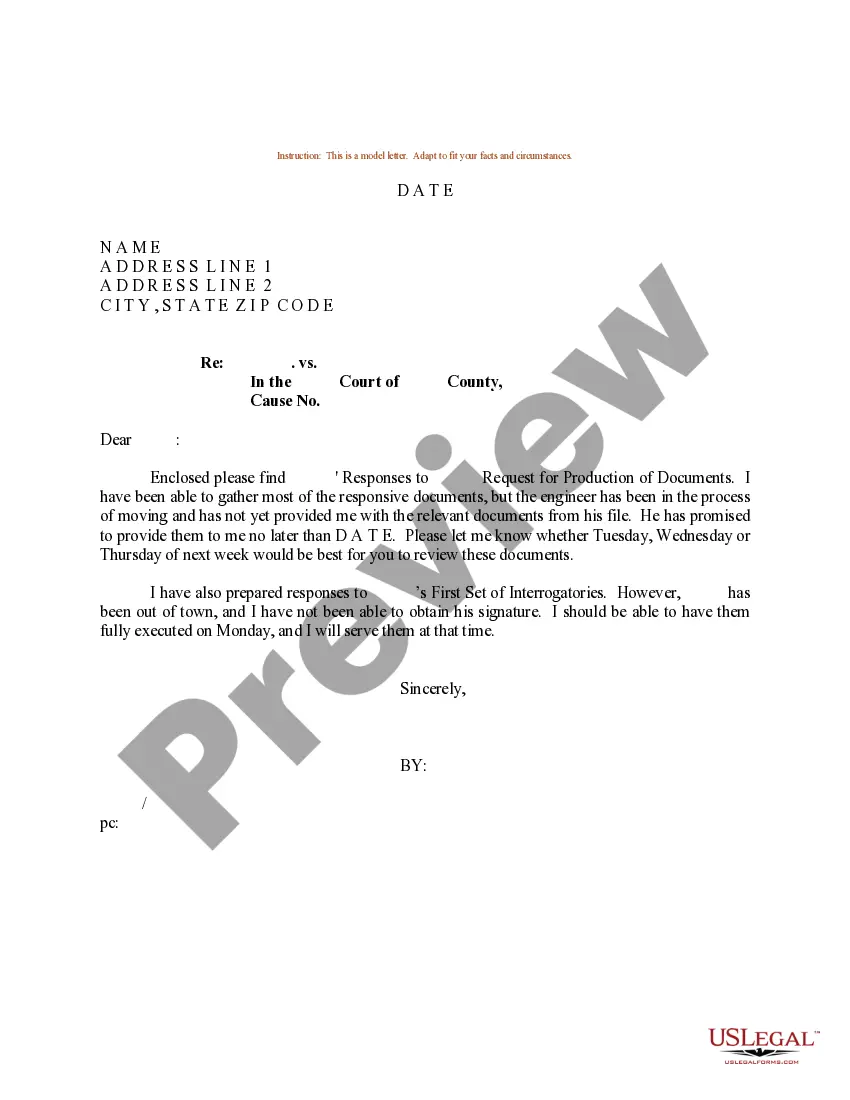
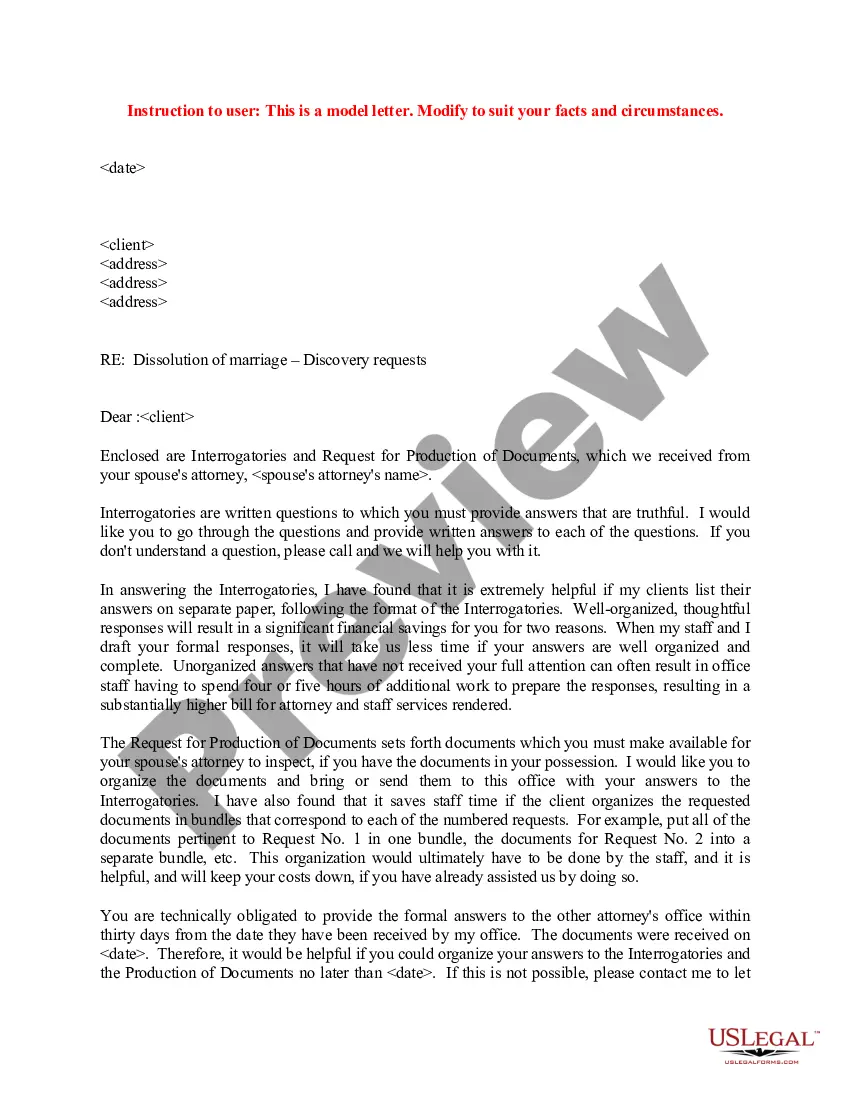
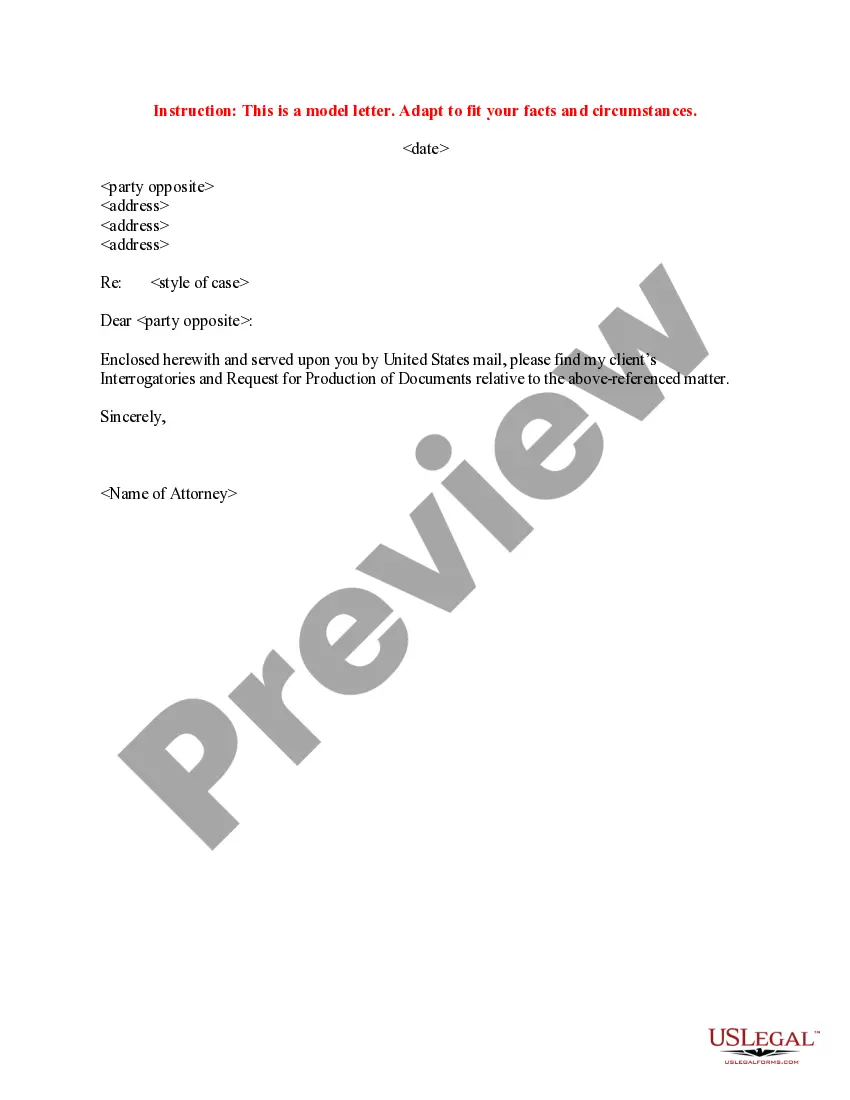
Get your form ready online
Our built-in tools help you complete, sign, share, and store your documents in one place.
Make edits, fill in missing information, and update formatting in US Legal Forms—just like you would in MS Word.
Download a copy, print it, send it by email, or mail it via USPS—whatever works best for your next step.
Sign and collect signatures with our SignNow integration. Send to multiple recipients, set reminders, and more. Go Premium to unlock E-Sign.
If this form requires notarization, complete it online through a secure video call—no need to meet a notary in person or wait for an appointment.
We protect your documents and personal data by following strict security and privacy standards.

Make edits, fill in missing information, and update formatting in US Legal Forms—just like you would in MS Word.

Download a copy, print it, send it by email, or mail it via USPS—whatever works best for your next step.

Sign and collect signatures with our SignNow integration. Send to multiple recipients, set reminders, and more. Go Premium to unlock E-Sign.

If this form requires notarization, complete it online through a secure video call—no need to meet a notary in person or wait for an appointment.

We protect your documents and personal data by following strict security and privacy standards.
Looking for another form?






Form popularity
FAQ
Discoveries are a key step after pleadings have been delivered and before the trial can take place. There are two stages of the discovery process. First, all documentary evidence is exchanged between the parties. After this, all parties and potential witnesses are examined orally.
During an Examination for Discovery, you will be required to swear an oath or affirmation that you are being truthful. Then, the lawyers for the other side will ask you both general questions and detailed questions as they relate to the legal matter. It is important to prepare for an Examination for Discovery.
Discovery is the formal process by which the parties to a case in court exchange information about the case. This includes information about the witnesses and evidence to be presented at trial. Its purpose is to make the parties aware of the evidence which may be presented at trial.
Examinations for Discovery are a pre-trial proceeding which permits any party 1 to a civil lawsuit to obtain information about the case of any party who is adverse in interest to him.
After discovery, lawyers begin preparing for trial. They'll sort through evidence, argue legal issues to posture the case for trial, design their trial strategy and themes, and more. In addition, your lawyer may file motions asking the court for rulings in the case.
Discovery is the process through which a party learns or discovers the evidence and arguments the adversary intends to rely on in the law suit. The documentary discovery rule directs what must be disclosed and produced, the form and process for that disclosure, and the possible reasons for non-disclosure.
Discovery is how you gather the evidence you will need to prove your case as plaintiff, or defeat the plaintiff's case as a defendant. You use discovery to find out things like: What the other side plans to say about an issue in your case. What facts or witnesses support their side.

