Warranty Deed Vs Grant Deed In Wake
Description

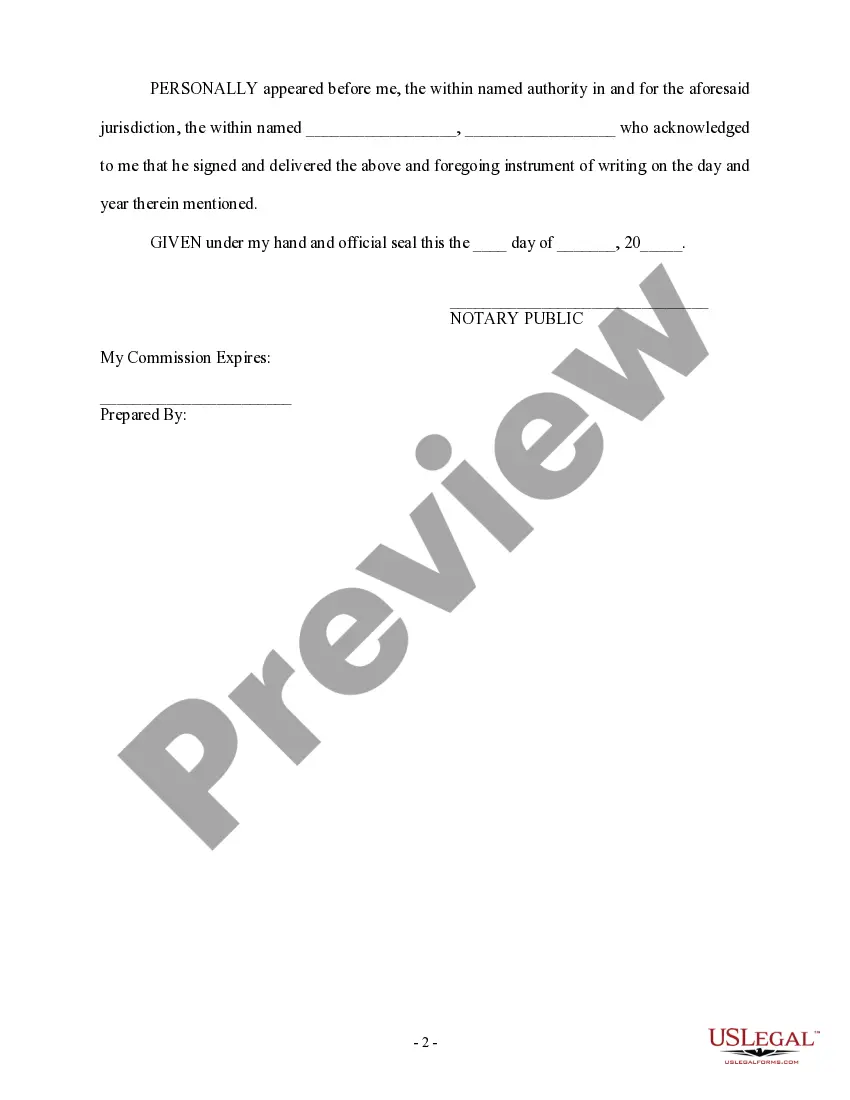
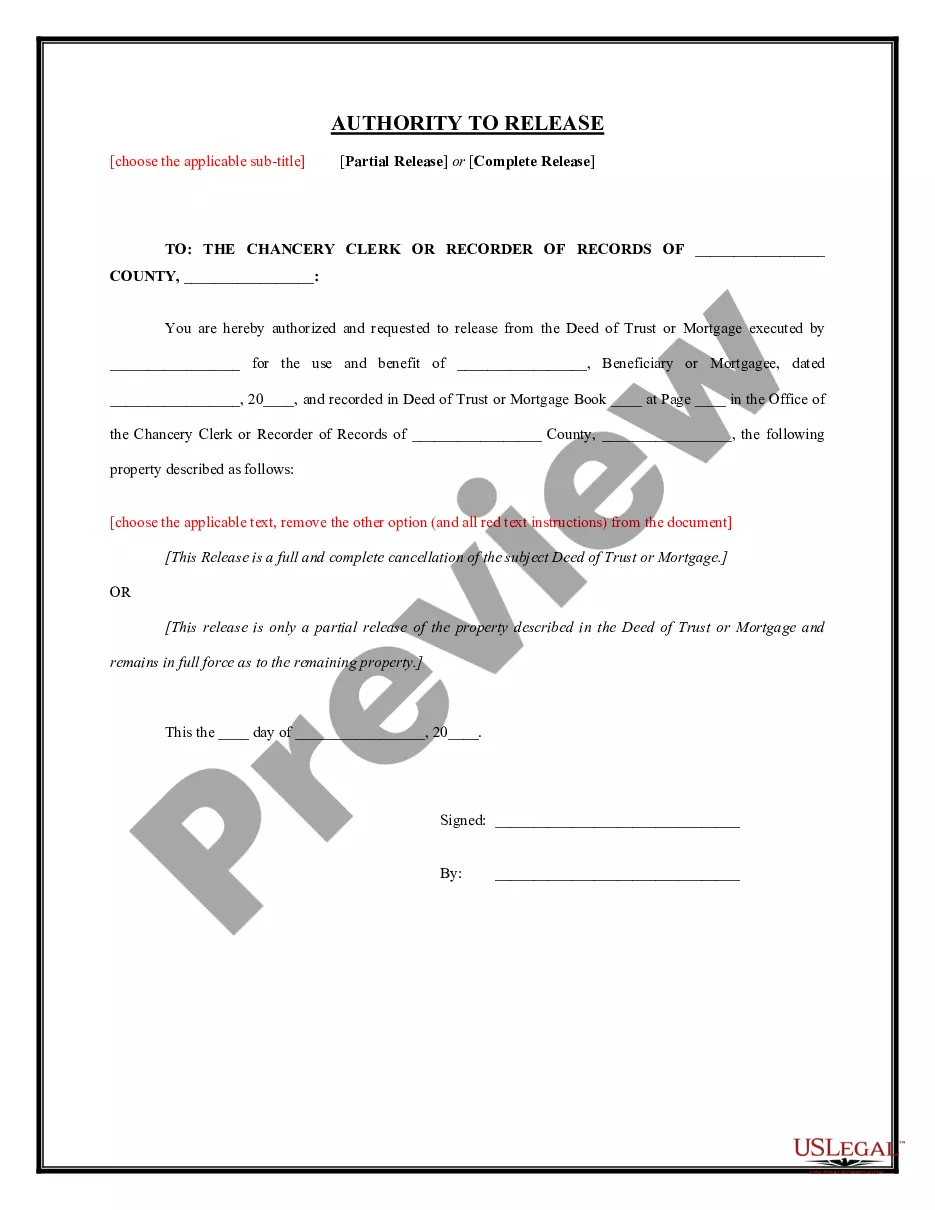
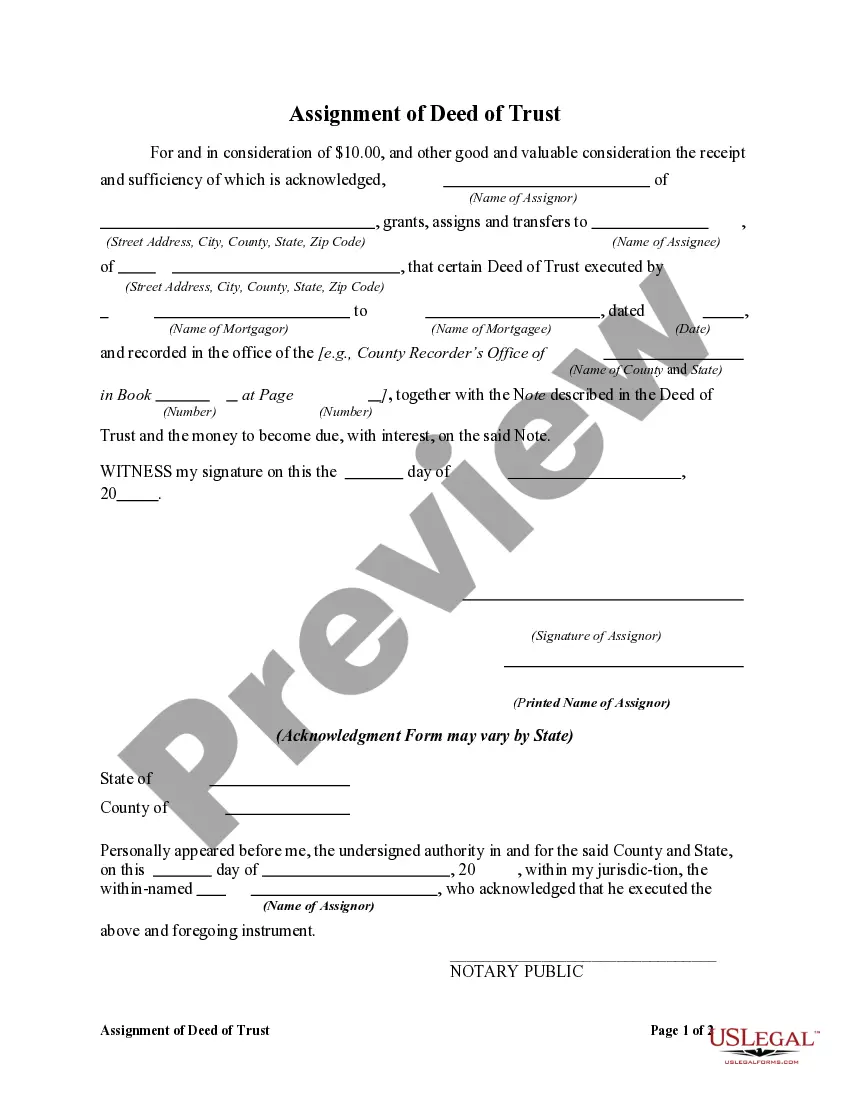
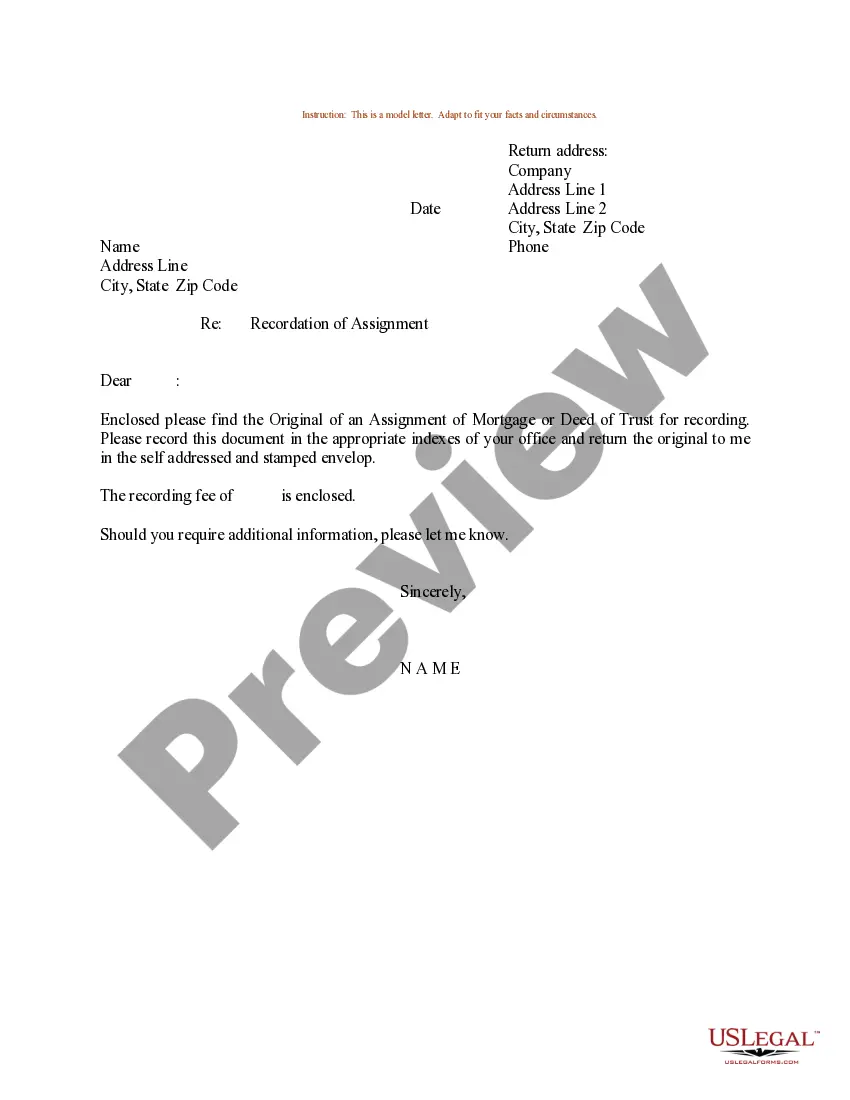
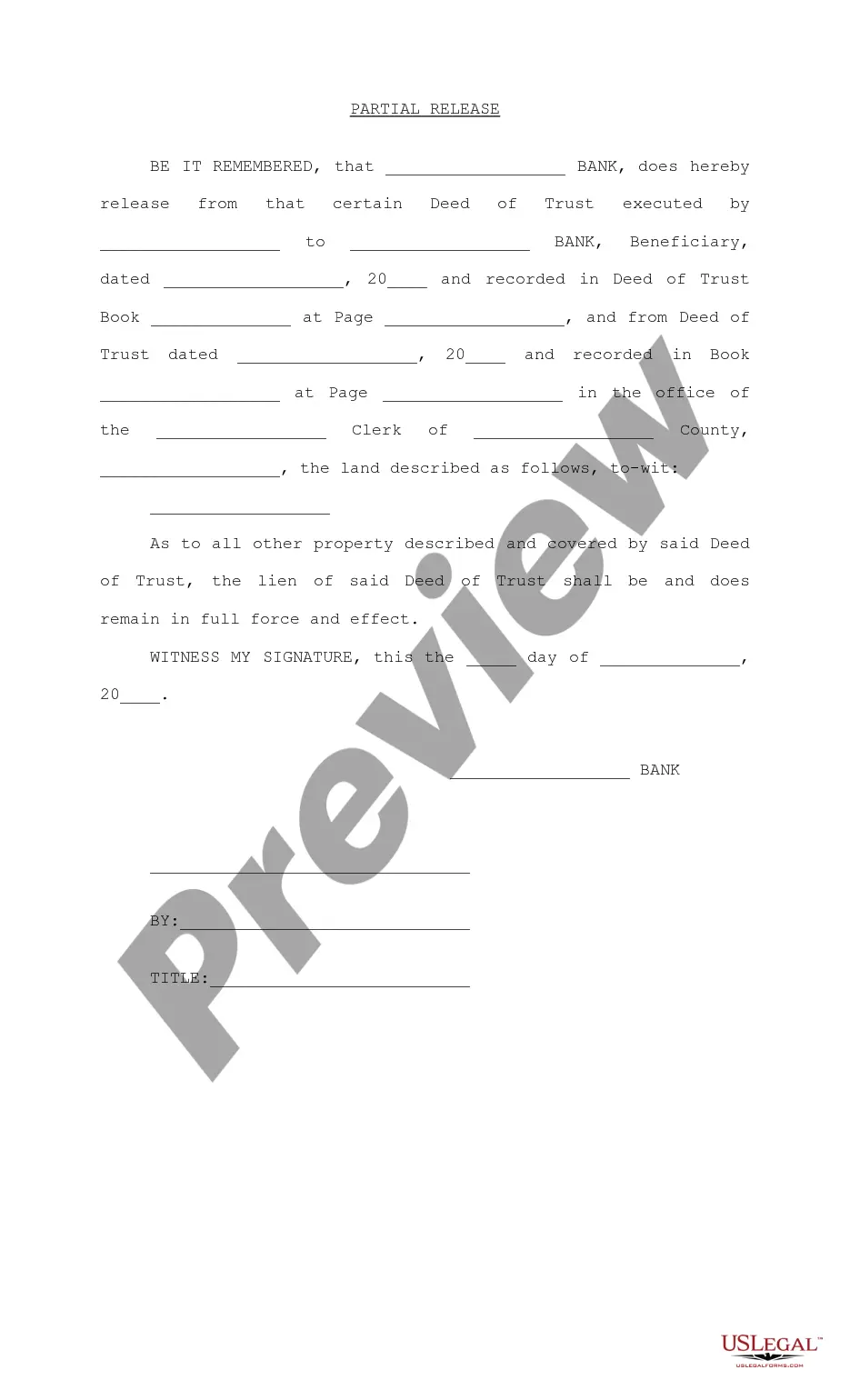
Get your form ready online
Our built-in tools help you complete, sign, share, and store your documents in one place.
Make edits, fill in missing information, and update formatting in US Legal Forms—just like you would in MS Word.
Download a copy, print it, send it by email, or mail it via USPS—whatever works best for your next step.
Sign and collect signatures with our SignNow integration. Send to multiple recipients, set reminders, and more. Go Premium to unlock E-Sign.
If this form requires notarization, complete it online through a secure video call—no need to meet a notary in person or wait for an appointment.
We protect your documents and personal data by following strict security and privacy standards.

Make edits, fill in missing information, and update formatting in US Legal Forms—just like you would in MS Word.

Download a copy, print it, send it by email, or mail it via USPS—whatever works best for your next step.

Sign and collect signatures with our SignNow integration. Send to multiple recipients, set reminders, and more. Go Premium to unlock E-Sign.

If this form requires notarization, complete it online through a secure video call—no need to meet a notary in person or wait for an appointment.

We protect your documents and personal data by following strict security and privacy standards.
Looking for another form?










Form popularity
FAQ
The main difference between a grant deed vs. warranty deed is the level of protection offered. A warranty deed offers a higher level of protection than a grant deed. With a grant deed, the grantor is guaranteeing that they haven't sold the property to anyone else, and that it is clear of any liens or restrictions.
Once recorded, the deed is returned to the new owner who usually deposits it in a safe place with his or her important papers. However, if misplaced or lost, a copy may be obtained from the Recorder's Office and certified with the Recorder's signature and official stamp or seal. This will suffice for the original deed.
General warranty deeds: A general warranty deed provides the most protection to the buyer but gives the grantor the highest degree of liability. The grantor of a general warranty deed fully warrants good, clear title to the property.
You can find a copy of the current deed by visiting the county clerk's office where the real property is located.
Common information includes the owner's name property address or parcel. Number this data helpsMoreCommon information includes the owner's name property address or parcel. Number this data helps narrow down the search results effectively. Once you find the search function enter the required.
The deed, when recorded, became a permanent part of the County property records. If you should lose your original deed, you may obtain a certified copy of your deed from the County Recorder in which the land is located. A county certified copy can be used in the place of the original.
You may not need to involve an attorney to create a particular deed if you already have all the information. This is especially true if you are transferring property between family members or into or out of a trust. We provide several real estate forms that can help you transfer property validly in your state.
"A deed seeking to convey an interest in land "is void unless it contains a description of the land sufficient to identify it or refers to something extrinsic by which land may be identified with certainty." Overton v. Boyce, 289 N.C. 291, 293, 221 S.E.2d 347, 348 (1976).
Can I prepare my own deed and have it recorded? North Carolina law allows you to prepare a Deed of Conveyance for any real property to which you have legal title.
General warranty deeds give the grantee the most legal protection, while special warranty deeds give the grantee more limited protection. A quitclaim deed gives the grantee the least protection under the law.
