Warranty Deed Vs Deed In Texas
Description

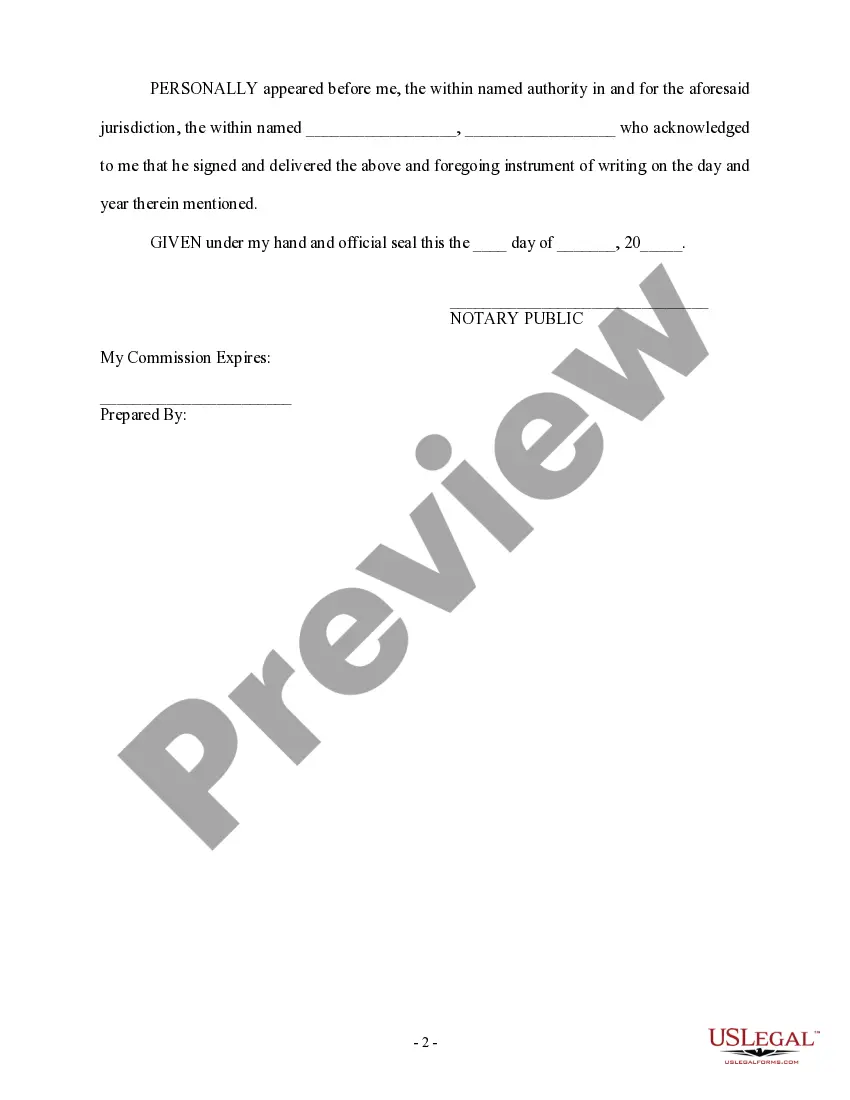
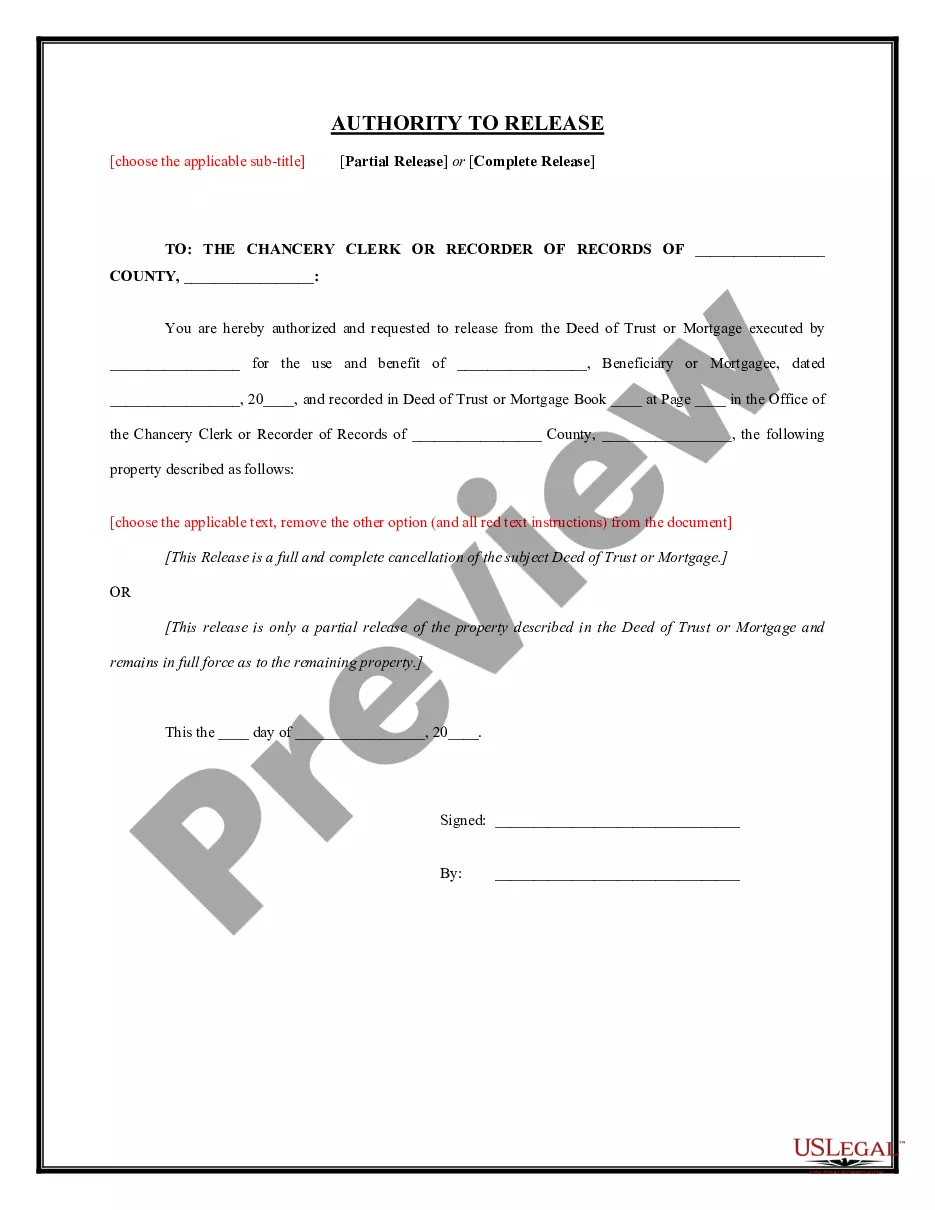
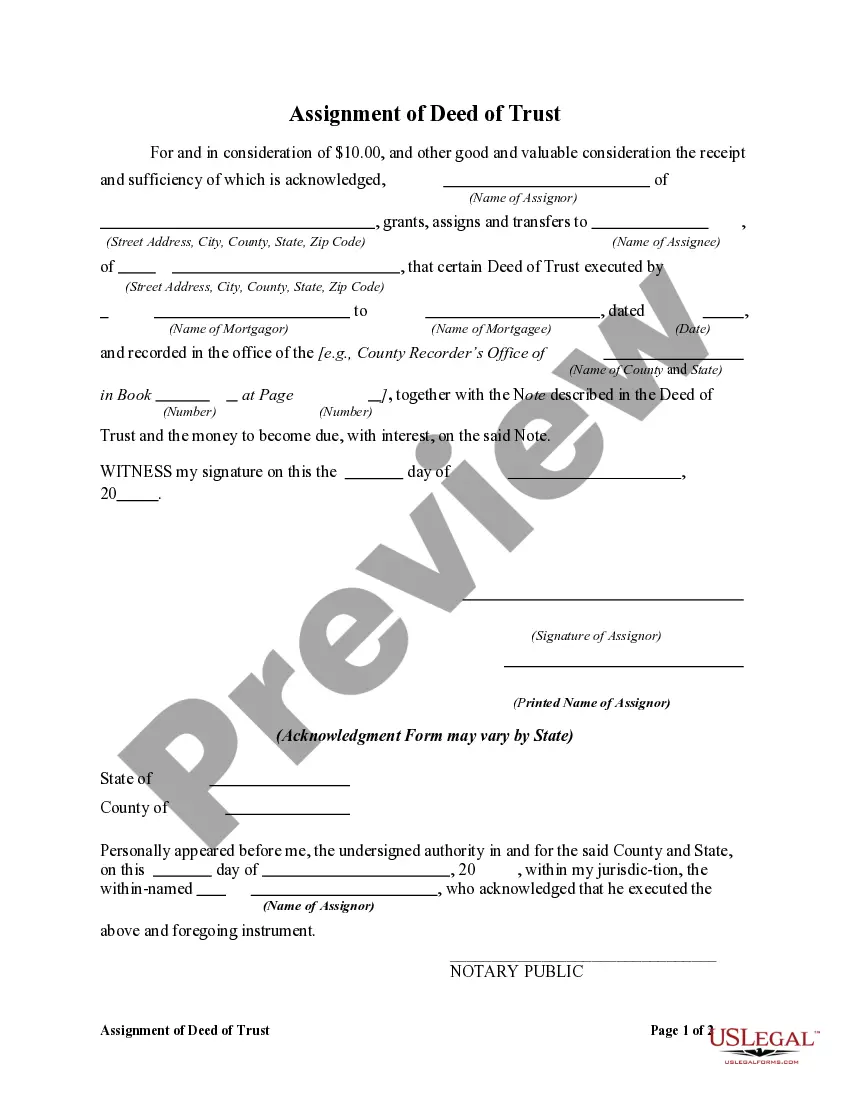
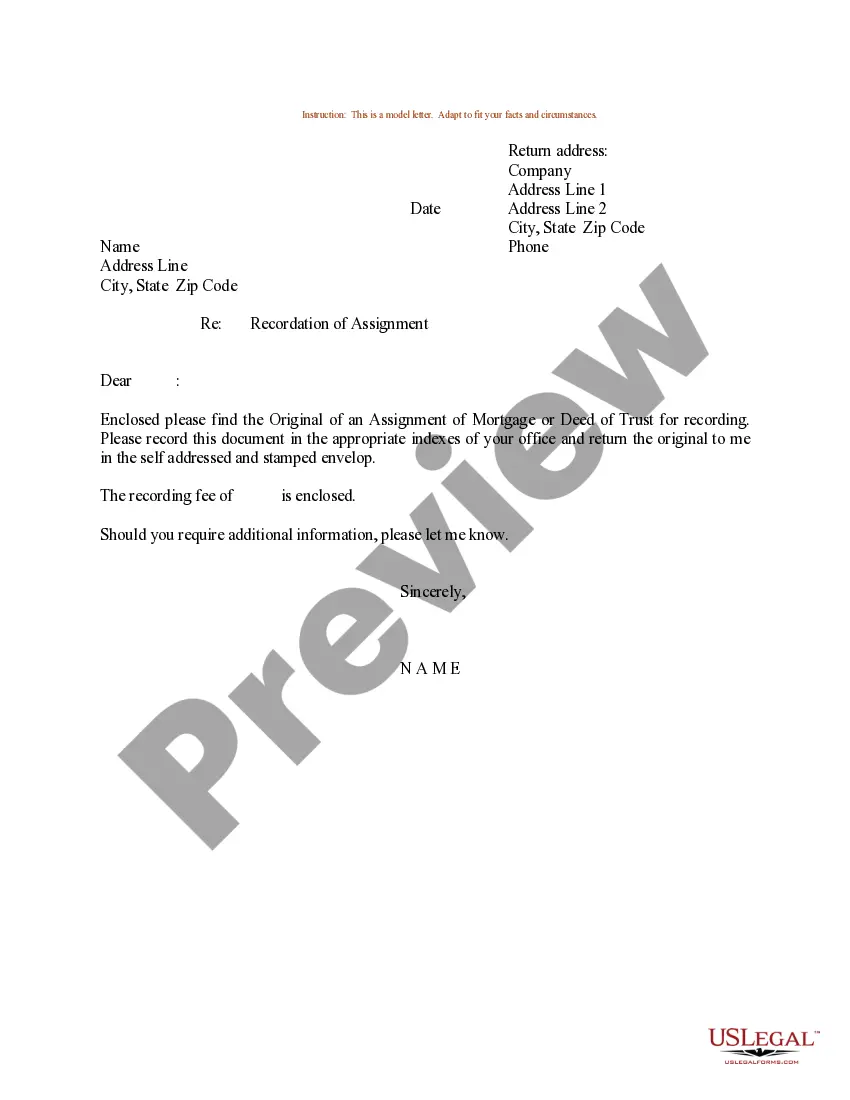

Get your form ready online
Our built-in tools help you complete, sign, share, and store your documents in one place.
Make edits, fill in missing information, and update formatting in US Legal Forms—just like you would in MS Word.
Download a copy, print it, send it by email, or mail it via USPS—whatever works best for your next step.
Sign and collect signatures with our SignNow integration. Send to multiple recipients, set reminders, and more. Go Premium to unlock E-Sign.
If this form requires notarization, complete it online through a secure video call—no need to meet a notary in person or wait for an appointment.
We protect your documents and personal data by following strict security and privacy standards.

Make edits, fill in missing information, and update formatting in US Legal Forms—just like you would in MS Word.

Download a copy, print it, send it by email, or mail it via USPS—whatever works best for your next step.

Sign and collect signatures with our SignNow integration. Send to multiple recipients, set reminders, and more. Go Premium to unlock E-Sign.

If this form requires notarization, complete it online through a secure video call—no need to meet a notary in person or wait for an appointment.

We protect your documents and personal data by following strict security and privacy standards.
Looking for another form?






Form popularity
FAQ
How to fill out warranty deed texas: Begin by obtaining the correct form for a warranty deed in Texas. Fill in the necessary information on the form, including the names and addresses of both the grantor (current owner) and the grantee (new owner). Provide a detailed legal description of the property being transferred.
To start, a “Deed” is the name of the most common document used to transfer title of real estate. And the most common deeds are the General Warranty Deed and the Special Warranty Deed. The primary difference between these two deeds is the extent of the “warranties” the seller is giving to the buyer.
It is also important to understand that in Texas, a valid deed must be drafted by an attorney. Simply writing up a deed on your own and having it notarized does not make the document legally binding.
A special warranty deed guarantees that the grantor owns and can sell the property. To the best of their knowledge, they are the owner of the property.
To start, a “Deed” is the name of the most common document used to transfer title of real estate. And the most common deeds are the General Warranty Deed and the Special Warranty Deed. The primary difference between these two deeds is the extent of the “warranties” the seller is giving to the buyer.
A warranty deed does not actually prove ownership of a property. The best way to establish ownership is through a title search, which examines public records to determine if any liens, third-party claims, or other issues could affect ownership.
Most current deeds fall into one of four categories: 1) General Warranty, 2) Special Warranty, 3) Quit Claim deed, and 4) Bargain and Sale deed. General Warranty Deed — The General Warranty deed is often referred to simply as a warranty deed.
You can obtain a warranty deed through your real estate agent's office or download an online template. All warranty deeds must include the date of the transaction, the name of the parties involved, a legal description of the property being transferred, a list of title defects and the signatures of the buyers.
As a property owner and grantor, you can obtain a warranty deed for the transfer of real estate through a local realtor's office, or with an online search for a template. To make the form legally binding, you must sign it in front of a notary public.
A traditional deed simply transfers the ownership of a property from one party to another (in other words, the seller to the buyer.) Whoever legally holds the deed is the rightful owner of the property. A warranty deed, on the other hand, contains special assurances that the seller makes to the buyer.
