Warranty Deed Vs Grant Deed In New York
Description

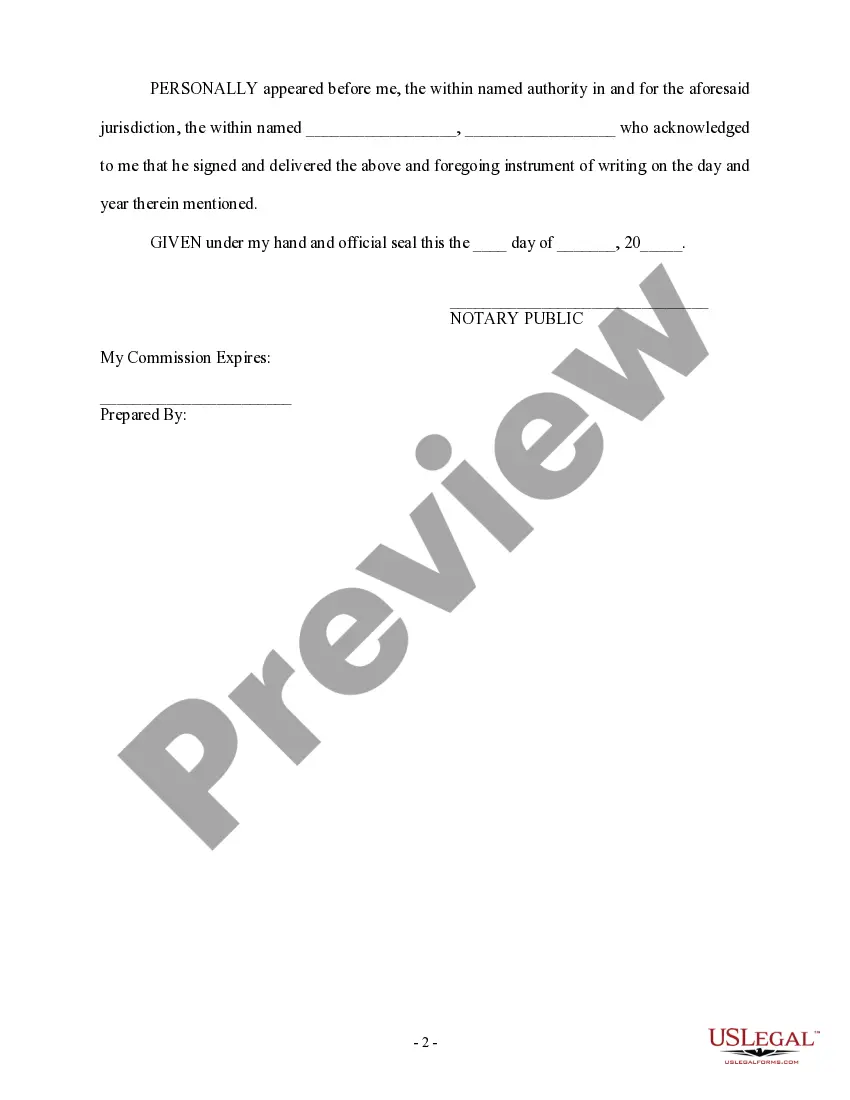
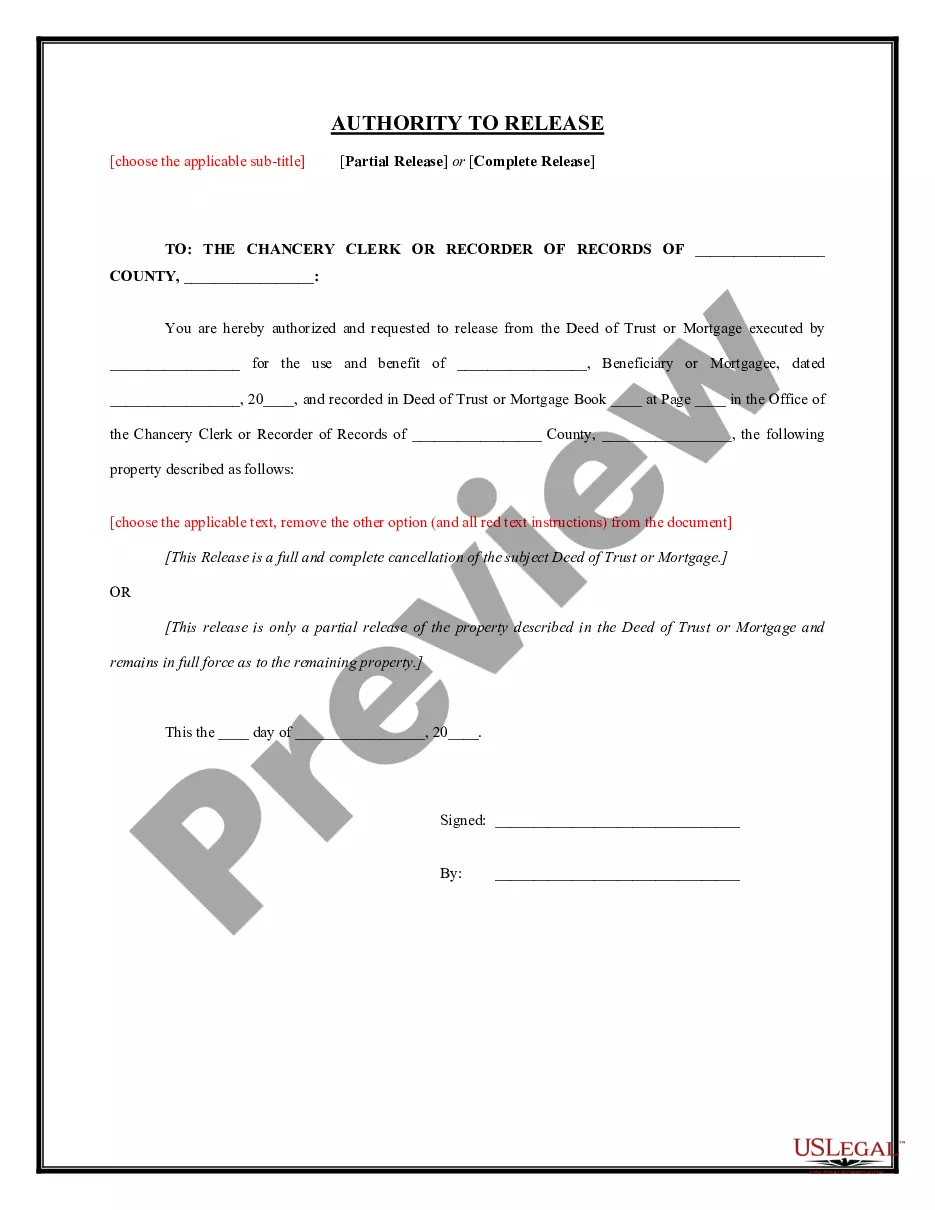
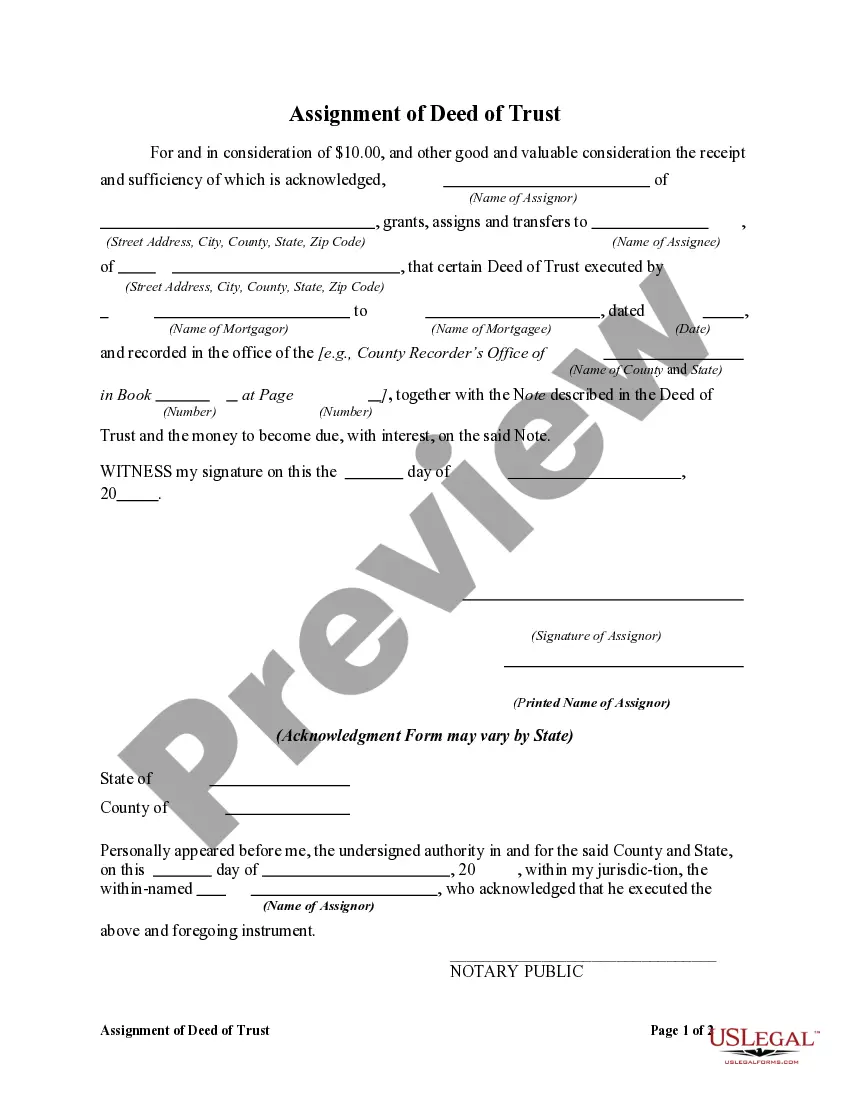

Get your form ready online
Our built-in tools help you complete, sign, share, and store your documents in one place.
Make edits, fill in missing information, and update formatting in US Legal Forms—just like you would in MS Word.
Download a copy, print it, send it by email, or mail it via USPS—whatever works best for your next step.
Sign and collect signatures with our SignNow integration. Send to multiple recipients, set reminders, and more. Go Premium to unlock E-Sign.
If this form requires notarization, complete it online through a secure video call—no need to meet a notary in person or wait for an appointment.
We protect your documents and personal data by following strict security and privacy standards.

Make edits, fill in missing information, and update formatting in US Legal Forms—just like you would in MS Word.

Download a copy, print it, send it by email, or mail it via USPS—whatever works best for your next step.

Sign and collect signatures with our SignNow integration. Send to multiple recipients, set reminders, and more. Go Premium to unlock E-Sign.

If this form requires notarization, complete it online through a secure video call—no need to meet a notary in person or wait for an appointment.

We protect your documents and personal data by following strict security and privacy standards.
Looking for another form?







Form popularity
FAQ
Cons of Manufacturer Warranties Limited Coverage Scope: Manufacturer warranties often have limitations on the specific components or issues they cover. Certain parts or conditions may be excluded from the warranty coverage, requiring you to review the warranty terms and conditions carefully.
A Grant Deed is an instrument that reflects a change in ownership of real property. A Deed of Trust is an instrument that secures a debt to real property.
A grant deed, also known as a special or limited warranty deed, is a legal document used to transfer real estate between a previous owner (the grantor) and a new owner (the grantee).
Warranty deeds contain three main guarantees that: (1) the grantor has not sold the property to anyone else; (2) the property is not burdened by any encumbrances apart from those the seller has already told the buyer about; and (3) the grantor will warrant and defend title against the claims of all persons.
The fundamental difference is that a Grant Deed ensures the grantor has a legal interest in the property, while a Quitclaim Deed releases only the potential interest one might have in a property without any warranties.
The main difference between a grant deed vs. warranty deed is the level of protection offered. A warranty deed offers a higher level of protection than a grant deed. With a grant deed, the grantor is guaranteeing that they haven't sold the property to anyone else, and that it is clear of any liens or restrictions.
The key difference between the two is that with a warranty deed, the grantor is guaranteeing that they will defend the title of a property, in the present and in the future. This leaves an opening for the grantee to sue the grantor if any issues with the title arise, at any point in time.
Most current deeds fall into one of four categories: 1) General Warranty, 2) Special Warranty, 3) Quit Claim deed, and 4) Bargain and Sale deed. General Warranty Deed — The General Warranty deed is often referred to simply as a warranty deed.
