Warranty Deed Vs Grant Deed In Collin
Description


Get your form ready online
Our built-in tools help you complete, sign, share, and store your documents in one place.
Make edits, fill in missing information, and update formatting in US Legal Forms—just like you would in MS Word.
Download a copy, print it, send it by email, or mail it via USPS—whatever works best for your next step.
Sign and collect signatures with our SignNow integration. Send to multiple recipients, set reminders, and more. Go Premium to unlock E-Sign.
If this form requires notarization, complete it online through a secure video call—no need to meet a notary in person or wait for an appointment.
We protect your documents and personal data by following strict security and privacy standards.

Make edits, fill in missing information, and update formatting in US Legal Forms—just like you would in MS Word.

Download a copy, print it, send it by email, or mail it via USPS—whatever works best for your next step.

Sign and collect signatures with our SignNow integration. Send to multiple recipients, set reminders, and more. Go Premium to unlock E-Sign.

If this form requires notarization, complete it online through a secure video call—no need to meet a notary in person or wait for an appointment.

We protect your documents and personal data by following strict security and privacy standards.
Looking for another form?









Form popularity
FAQ
The main difference between a grant deed vs. warranty deed is the level of protection offered. A warranty deed offers a higher level of protection than a grant deed. With a grant deed, the grantor is guaranteeing that they haven't sold the property to anyone else, and that it is clear of any liens or restrictions.
You can obtain a warranty deed through your real estate agent's office or download an online template. All warranty deeds must include the date of the transaction, the name of the parties involved, a legal description of the property being transferred, a list of title defects and the signatures of the buyers.
A general warranty deed must include the following to be valid: The name and address of the seller (called the grantor) The name and address of the buyer (called the grantee) A legal description of the property (found on the previous deed) A statement that the grantor is transferring the property to the grantee.
Please note: South Carolina is an Attorney State when it comes to Deed preparation. Any preparation by an individual is considered an unauthorized practice of law. UCC Forms - Click on the SC Secretary of State's Web site below.
All legal documents are prepared by a Texas licensed attorney. We prepare documents the same day and, in most cases, your document may be prepared and emailed to you within an hour or two.
General Warranty Deed It also assures the seller does not know of any property issues that may arise. A mortgage company typically prepares the general warranty deed. As a home buyer, it's critical to review your local laws to know what a seller should disclose to you during the home buying process.
A warranty deed does not actually prove ownership of a property. The best way to establish ownership is through a title search, which examines public records to determine if any liens, third-party claims, or other issues could affect ownership.
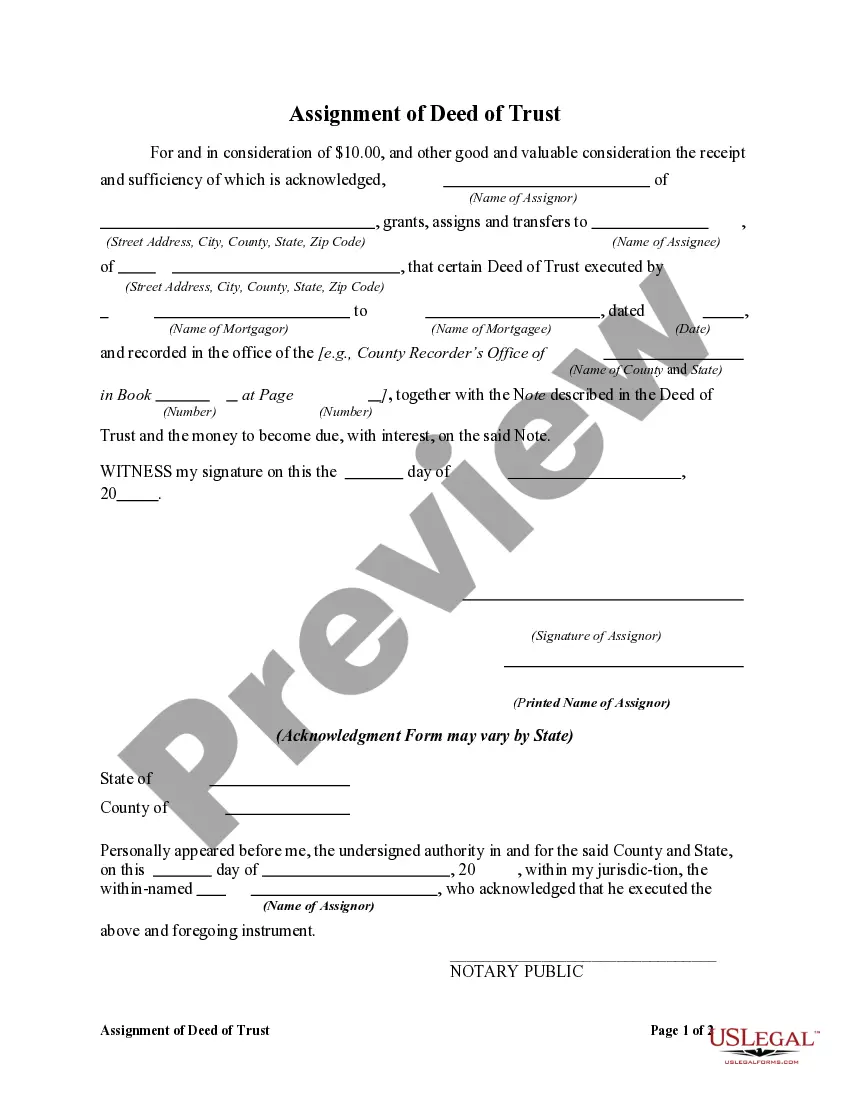
General warranty deeds: A general warranty deed provides the most protection to the buyer but gives the grantor the highest degree of liability. The grantor of a general warranty deed fully warrants good, clear title to the property.
A general warranty deed must include the following to be valid: The name and address of the seller (called the grantor) The name and address of the buyer (called the grantee) A legal description of the property (found on the previous deed) A statement that the grantor is transferring the property to the grantee.
