Contract Management Vs Management Contracting In Tarrant
Description

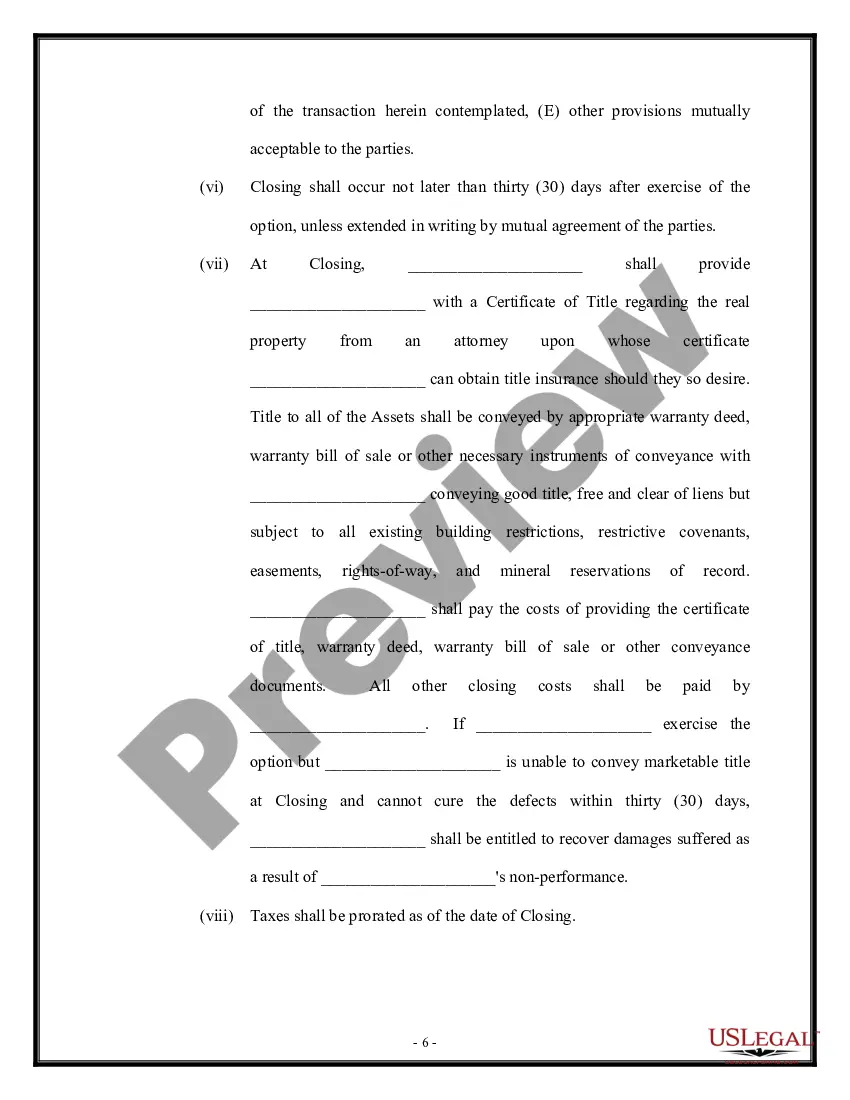
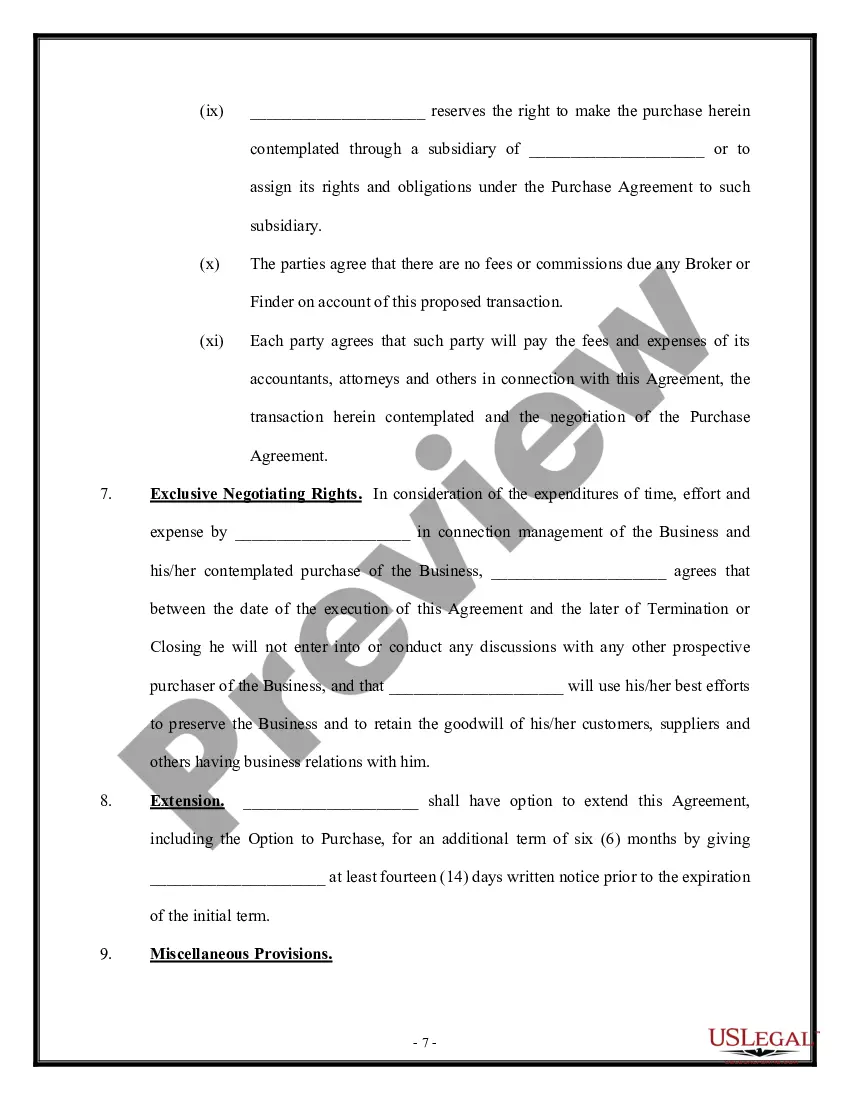
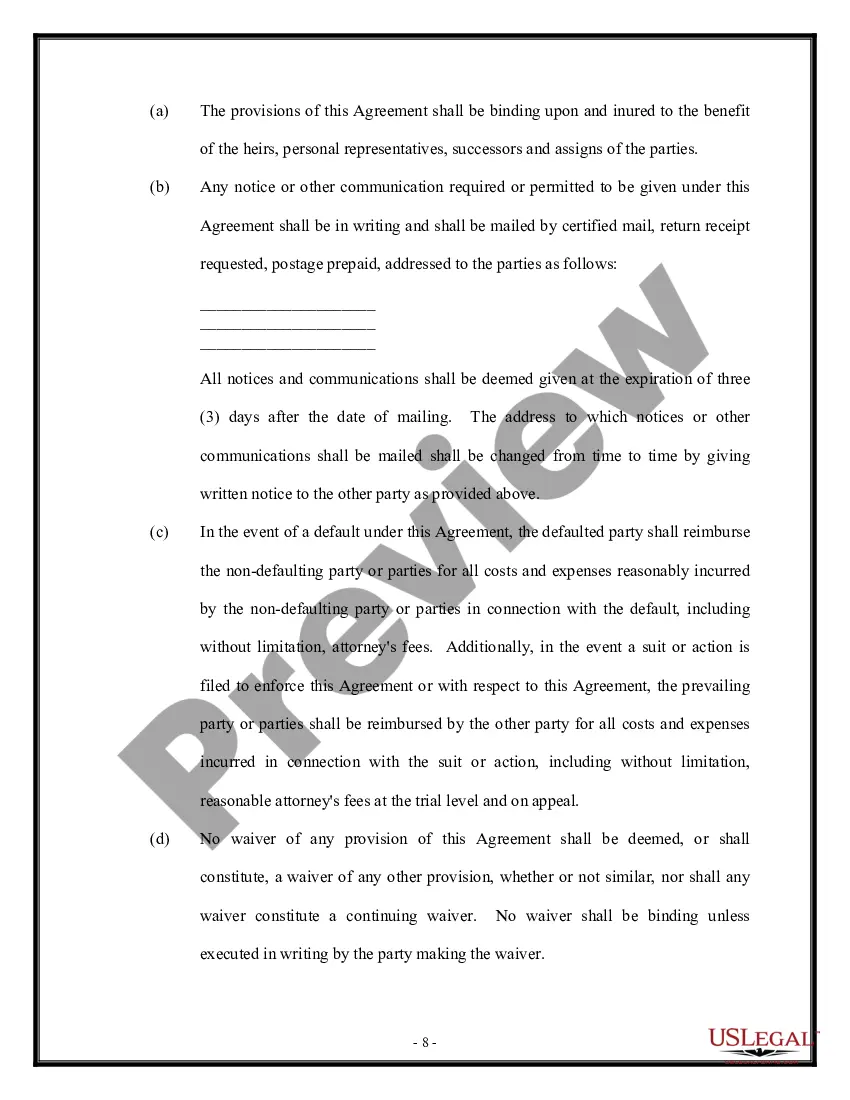
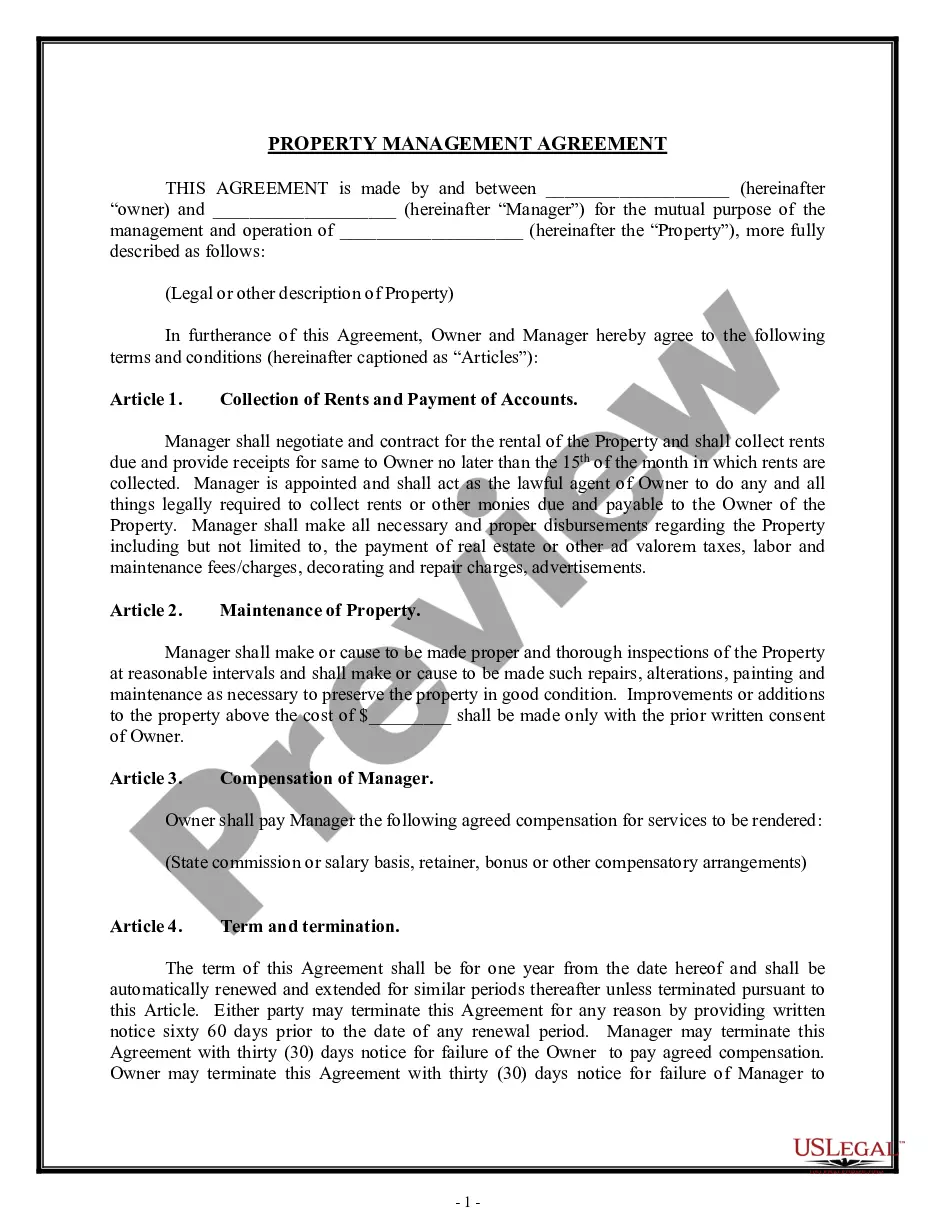
Get your form ready online
Our built-in tools help you complete, sign, share, and store your documents in one place.
Make edits, fill in missing information, and update formatting in US Legal Forms—just like you would in MS Word.
Download a copy, print it, send it by email, or mail it via USPS—whatever works best for your next step.
Sign and collect signatures with our SignNow integration. Send to multiple recipients, set reminders, and more. Go Premium to unlock E-Sign.
If this form requires notarization, complete it online through a secure video call—no need to meet a notary in person or wait for an appointment.
We protect your documents and personal data by following strict security and privacy standards.

Make edits, fill in missing information, and update formatting in US Legal Forms—just like you would in MS Word.

Download a copy, print it, send it by email, or mail it via USPS—whatever works best for your next step.

Sign and collect signatures with our SignNow integration. Send to multiple recipients, set reminders, and more. Go Premium to unlock E-Sign.

If this form requires notarization, complete it online through a secure video call—no need to meet a notary in person or wait for an appointment.

We protect your documents and personal data by following strict security and privacy standards.
Looking for another form?








Form popularity
FAQ
Common Qualifications for a Contract Manager: Technical Skills. Understanding of Contract Terms & Conditions. Understanding Contract Law. Risk Management. Financial Analysis. Interpersonal Skills. Persuasion & Negotiation Tactics. Conflict Resolution.
Volunteering or interning can help you gain hands-on experience, learn from experts, and build your portfolio. For those who work in different departments and want to gain inroads into contracts and procurement, seek cross functional placements in your organization.
Most contract managers take a degree in business administration, where they learn about business and contract law. The other relevant degrees you can take are human resources , economics, legal studies and financial planning and management.
What is the difference between management contracting and construction management? Management contracting differs from construction management in that management contractors contract works contractors direct, whereas construction managers only manage trade contracts, the contracts themselves are placed by the client.
There are typically four types of requirement: Functional: operational capabilities, look-and-feel, number of users/contracts handled. Provided by CLM specialists, stakeholders. Technical: system architecture, database, delivery model, integrations with other systems.
Practical experience is crucial in understanding the nuances of contract management. Seek entry-level positions or internships in procurement, project management, or legal departments. Experience in these areas can provide a practical understanding of the contract lifecycle, from creation to closure.
Unlike a general contractor who oversees the entire project, a construction company focuses on their area of expertise, such as concrete work, electrical systems, plumbing, carpentry, HVAC, and others. They work closely with the general contractor to ensure their portion of the project aligns with the overall plan.
Procurement management focuses on securing favorable terms and contracts while contract management ensures the delivery of promised value throughout the contract's lifecycle.
The most significant differences between a construction manager and general contractor come before construction on a project even starts. General contractors come onto a project after the design is already complete, whereas construction managers play a critical role in contributing to the design of a project.
What is the difference between management contracting and construction management? Management contracting differs from construction management in that management contractors contract works contractors direct, whereas construction managers only manage trade contracts, the contracts themselves are placed by the client.
