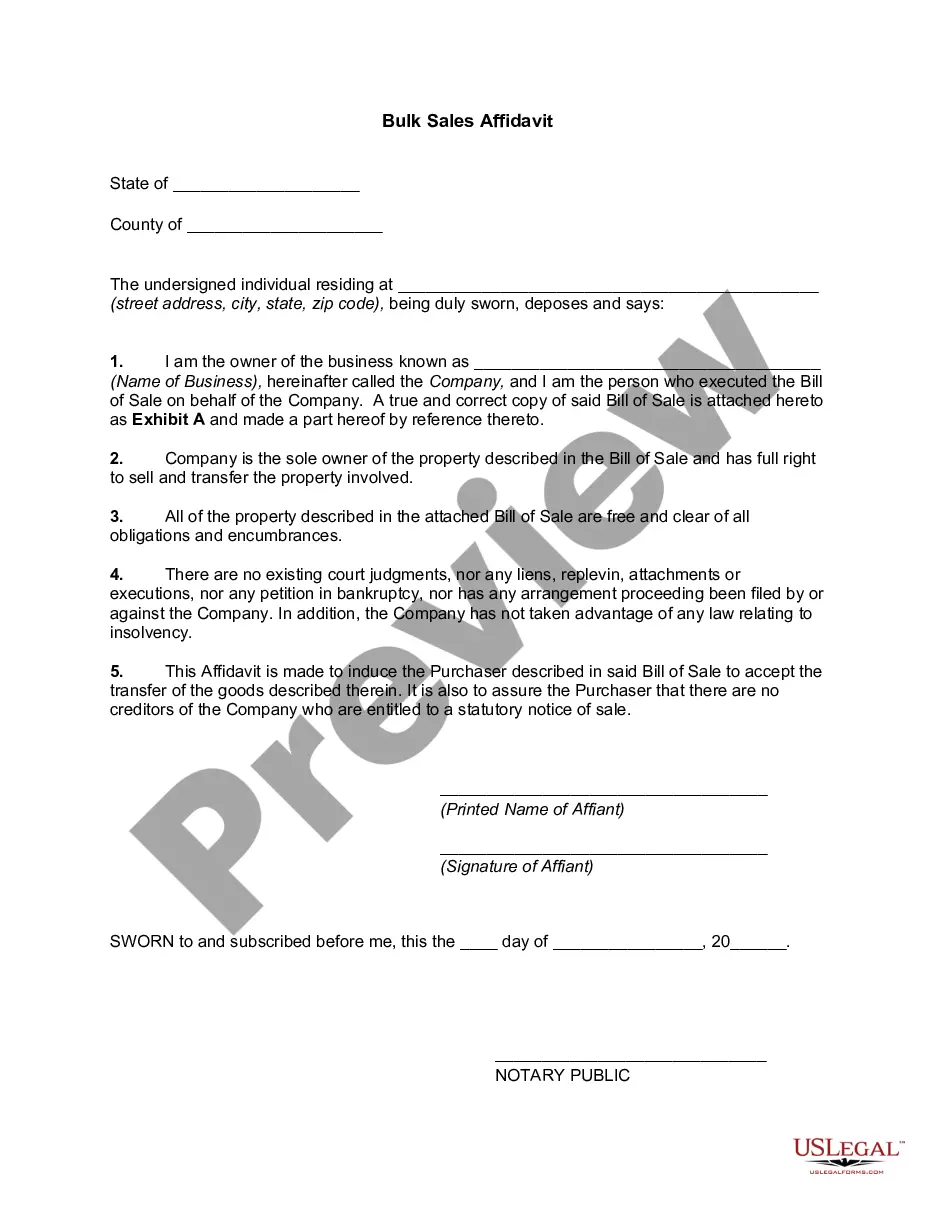
Modification Deed Trust Form With Trust In San Bernardino
Description








Get your form ready online
Our built-in tools help you complete, sign, share, and store your documents in one place.
Make edits, fill in missing information, and update formatting in US Legal Forms—just like you would in MS Word.
Download a copy, print it, send it by email, or mail it via USPS—whatever works best for your next step.
Sign and collect signatures with our SignNow integration. Send to multiple recipients, set reminders, and more. Go Premium to unlock E-Sign.
If this form requires notarization, complete it online through a secure video call—no need to meet a notary in person or wait for an appointment.
We protect your documents and personal data by following strict security and privacy standards.

Make edits, fill in missing information, and update formatting in US Legal Forms—just like you would in MS Word.

Download a copy, print it, send it by email, or mail it via USPS—whatever works best for your next step.

Sign and collect signatures with our SignNow integration. Send to multiple recipients, set reminders, and more. Go Premium to unlock E-Sign.

If this form requires notarization, complete it online through a secure video call—no need to meet a notary in person or wait for an appointment.

We protect your documents and personal data by following strict security and privacy standards.
Looking for another form?





Form popularity
FAQ
To change the name(s) on real property, the present owner(s) may execute a new deed conveying the property from the name(s) as they presently appear, to the name(s) that will be used to hold title. Full names of all parties must be used.
Deeds of reconveyance remove deeds of trust from the public record; it transfers the title of a property from the trustee named in the deed of trust back to the borrower or property owner.
The purpose of the Preliminary Change in Ownership Report, or PCOR, is to alert the county Assessor that a piece of real estate has a new owner. This form must be turned in to the Recorder's office along with the deed or affidavit that changes ownership; the Recorder sends it to the Assessor.
A request for ex parte relief must be in writing and include all of the following: (1) An application containing the case caption and stating the relief requested; (2) A declaration in support of the application making the required factual showing; > > Read More..
What is a discretionary trust by deed of variation? A deed of variation is a legal document that 'redirects' a beneficiary's interest in an estate. It is then possible to set up a discretionary trust to receive the interest, providing further flexibility.
The terms of a trust can only be validly amended when the amendment complies with the existing trust deed and rules. We assist by reviewing the existing trust rules and providing amendment documentation that ensure that the variation of trust terms remain compliant and effective. What's included: letter of advice.
Deed of Trust Modification means, with respect to any Deed of Trust, a modification agreement entered into between the Borrower or the Project Owner, as applicable, and the Lender, modifying the terms and conditions of the Deed of Trust in order to (i) add to the lien of the Deed of Trust Additional Lots, or (ii) make ...
Here is the rough outline: Select the trust that is best suited to your needs, such as a revocable living trust. Draft a trust deed and have it notarized so that it is legally binding. Record the deed at the county recorder's office. Notify the relevant parties, such as your mortgage lender and insurance provider.
Deed of Trust Modification means, with respect to any Deed of Trust, a modification agreement entered into between the Borrower or the Project Owner, as applicable, and the Lender, modifying the terms and conditions of the Deed of Trust in order to (i) add to the lien of the Deed of Trust Additional Lots, or (ii) make ...