Change Deed Trust With Someone You Hurt In Pennsylvania
Description








Get your form ready online
Our built-in tools help you complete, sign, share, and store your documents in one place.
Make edits, fill in missing information, and update formatting in US Legal Forms—just like you would in MS Word.
Download a copy, print it, send it by email, or mail it via USPS—whatever works best for your next step.
Sign and collect signatures with our SignNow integration. Send to multiple recipients, set reminders, and more. Go Premium to unlock E-Sign.
If this form requires notarization, complete it online through a secure video call—no need to meet a notary in person or wait for an appointment.
We protect your documents and personal data by following strict security and privacy standards.

Make edits, fill in missing information, and update formatting in US Legal Forms—just like you would in MS Word.

Download a copy, print it, send it by email, or mail it via USPS—whatever works best for your next step.

Sign and collect signatures with our SignNow integration. Send to multiple recipients, set reminders, and more. Go Premium to unlock E-Sign.

If this form requires notarization, complete it online through a secure video call—no need to meet a notary in person or wait for an appointment.

We protect your documents and personal data by following strict security and privacy standards.
Looking for another form?
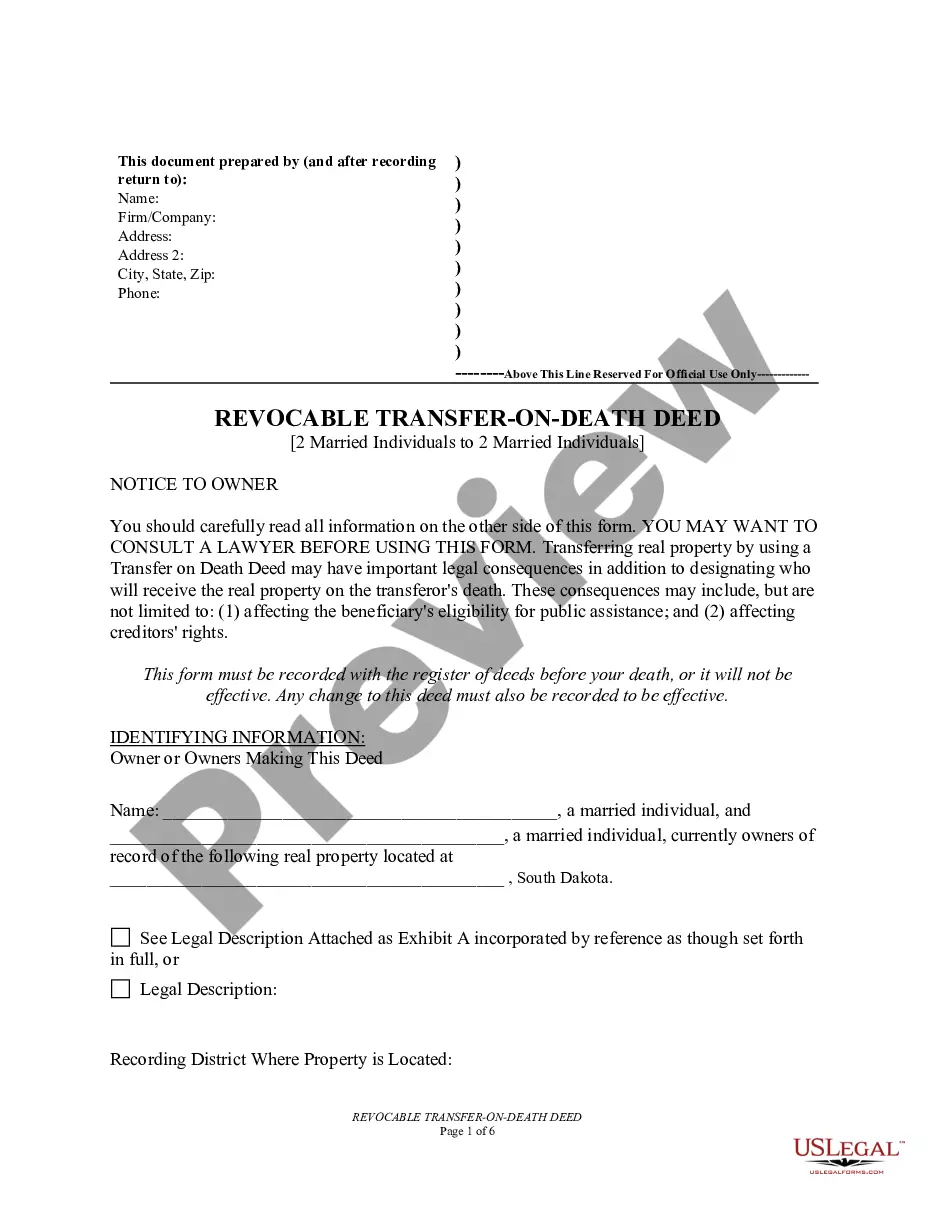





Form popularity
FAQ
When the trust owner dies, the trustee can transfer property out of the trust by using a quitclaim or grant deed transferring ownership of the property to the beneficiary. Here are details on the process and what to do with the inherited property if you're the beneficiary. Estate planning is a complex process.
In real estate law, "assignment" is simply the transfer of a deed of trust from one party to another.
The deed must have a minimum 10-point font and one-inch margins on all pages. The deed must identify the municipality and county where the real estate property is located. The deed must include a notary's acknowledgment for any signature on it. The deed must include relevant information about any transfer taxes due.
Yes, you can sell a home with a Deed of Trust. However, just like a mortgage, if you're selling the home for less than you owe on it, you'll need approval from the lender.
There are 5 steps to remove a name from the property deed: Discuss property ownership interests. Access a copy of your title deed. Complete, review and sign the quitclaim or warranty form. Submit the quitclaim or warranty form. Request a certified copy of your quitclaim or warranty deed.
And if someone wants to put you on their deed, they must tell you — not surprise you. Otherwise, you could lose the property over a court challenge that you never acknowledged receipt of the deed during the transferor's life.
Amending a trust deed is process that should be treated as requiring careful planning, consideration and intentionality. Indeed, unintended (and undesirable) consequences can flow from a purported trust amendment that has been undertaken with such consideration, such as a resettlement of the trust.
Once you've recorded a deed, it's a part of the public record and can't be changed. That's the bad news. The good news? You can execute a new deed called a correction deed to amend that original record.
This can only be done by recording a new deed showing the change. A transaction must take place between the old owners and the new owners. Many people think they just come to the office and change the present deed on record. However, once a document is recorded, it cannot be changed.
