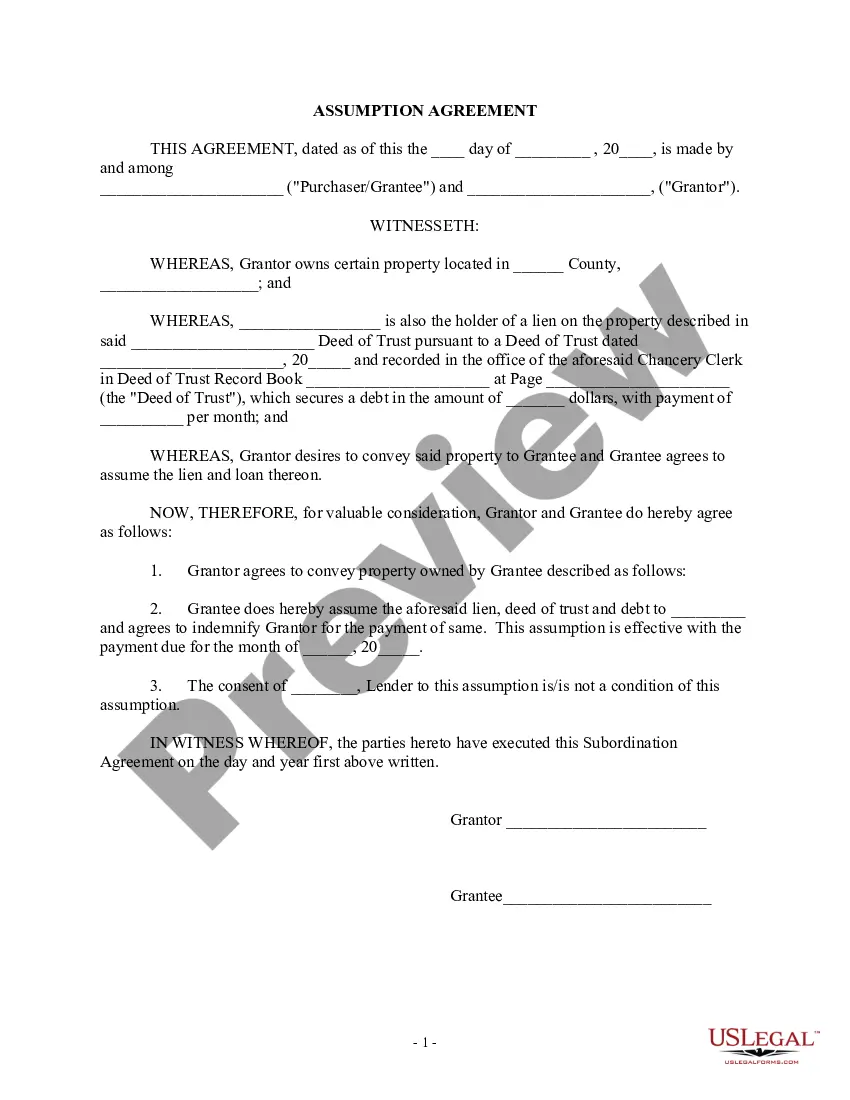
Change Deed Trust With Debt In Nassau
Description








Get your form ready online
Our built-in tools help you complete, sign, share, and store your documents in one place.
Make edits, fill in missing information, and update formatting in US Legal Forms—just like you would in MS Word.
Download a copy, print it, send it by email, or mail it via USPS—whatever works best for your next step.
Sign and collect signatures with our SignNow integration. Send to multiple recipients, set reminders, and more. Go Premium to unlock E-Sign.
If this form requires notarization, complete it online through a secure video call—no need to meet a notary in person or wait for an appointment.
We protect your documents and personal data by following strict security and privacy standards.

Make edits, fill in missing information, and update formatting in US Legal Forms—just like you would in MS Word.

Download a copy, print it, send it by email, or mail it via USPS—whatever works best for your next step.

Sign and collect signatures with our SignNow integration. Send to multiple recipients, set reminders, and more. Go Premium to unlock E-Sign.

If this form requires notarization, complete it online through a secure video call—no need to meet a notary in person or wait for an appointment.

We protect your documents and personal data by following strict security and privacy standards.
Looking for another form?








Form popularity
FAQ
The only transfers that are to be made to a Revocable Living Trust are assets, not liabilities. Debt that has been incurred by the family is not transferred to the Trust; however, the provisions are included in your trust to permit the transfer of certain assets with the debt attached.
If you named yourself as the initial Trustee, your bank account will list your name as Trustee in place of your individual name. Most banks can finalize the change in ownership to the Trust and keep the same account numbers. However, some banks may require new account numbers for your Trust.
An irrevocable trust offers your assets the most protection from creditors and lawsuits. Assets in an irrevocable trust aren't considered personal property. This means they're not included when the IRS values your estate to determine if taxes are owed.
Irrevocable living trusts are almost always completely protected from creditors, as they were entirely out of your loved one's ownership and control. Other types of trusts that do not go through probate, such as revocable trusts or charitable trusts, can still be claimed by creditors, at the court's discretion.
The only transfers that are to be made to a Revocable Living Trust are assets, not liabilities. Debt that has been incurred by the family is not transferred to the Trust; however, the provisions are included in your trust to permit the transfer of certain assets with the debt attached.
The evidence of a debt that is recorded after a first trust deed is a(n): promissory note.
A trust deed gives the third-party “trustee” (usually a title company or real estate broker) legal ownership of the property.
Amending a trust deed is process that should be treated as requiring careful planning, consideration and intentionality. Indeed, unintended (and undesirable) consequences can flow from a purported trust amendment that has been undertaken with such consideration, such as a resettlement of the trust.
The Promissory Note is evidence of a promise by the borrower/debtor to repay the mortgagee/chargee/lender at some future time on certain terms.
