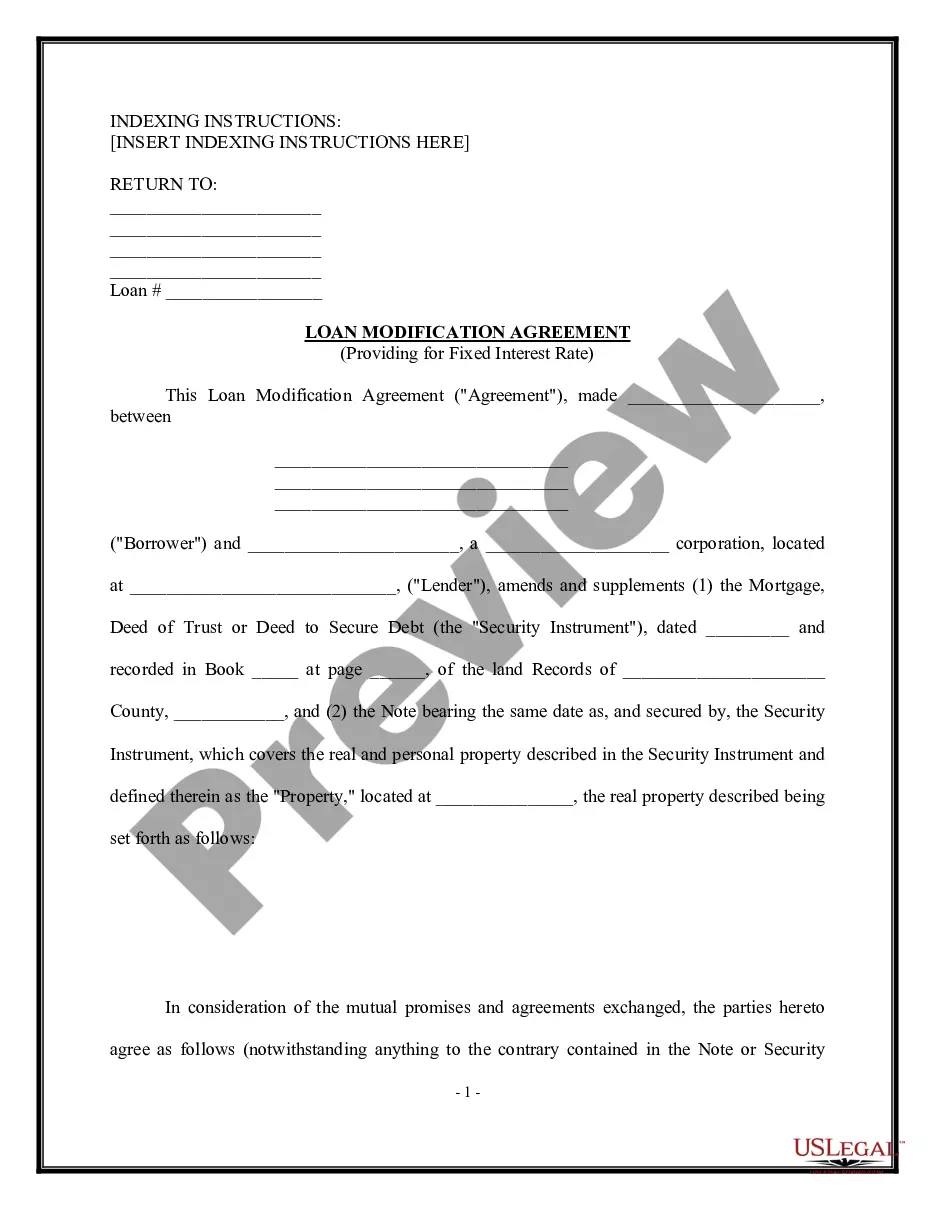
Modification Deed Trust Form With Mortgage In Mecklenburg
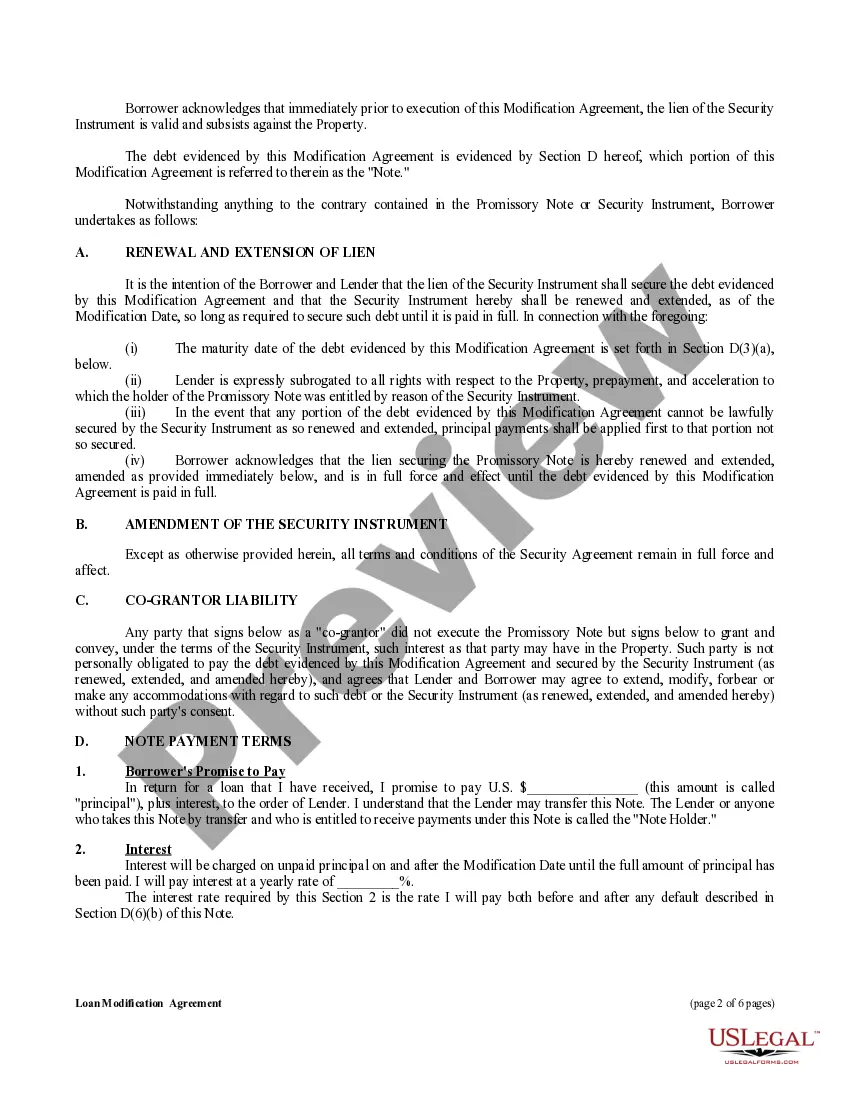
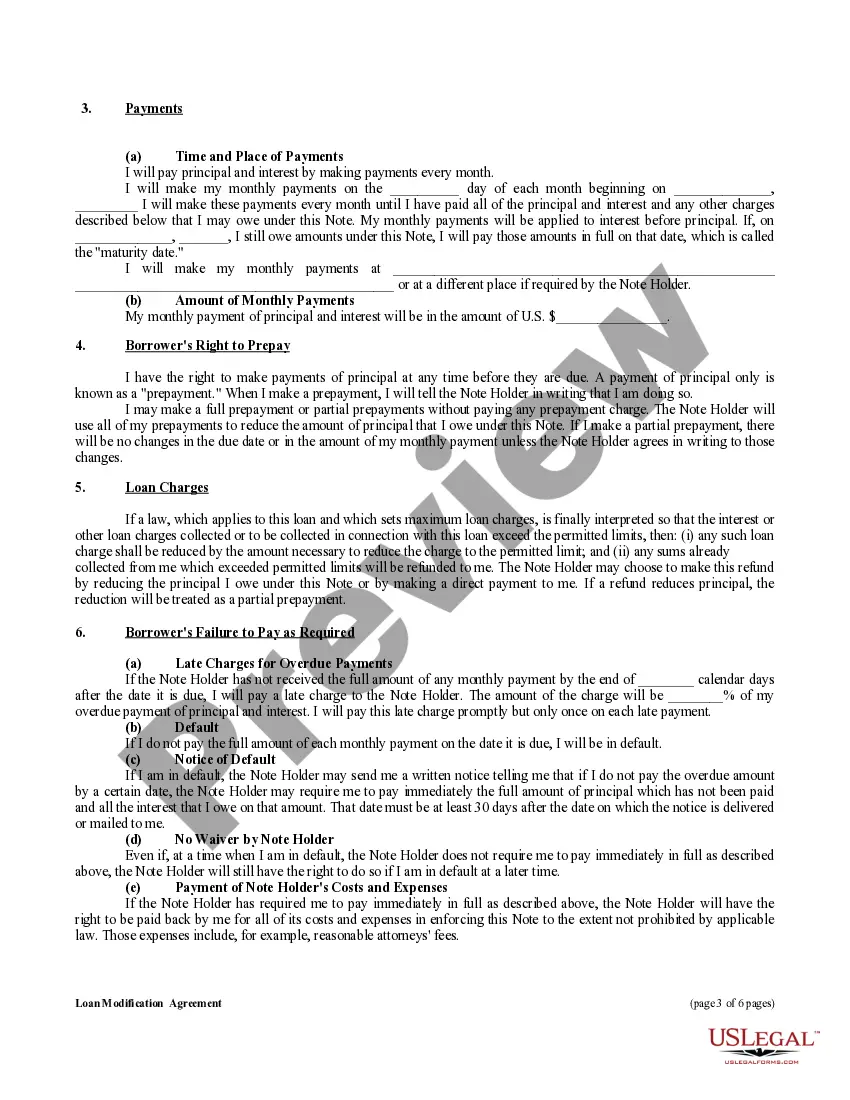
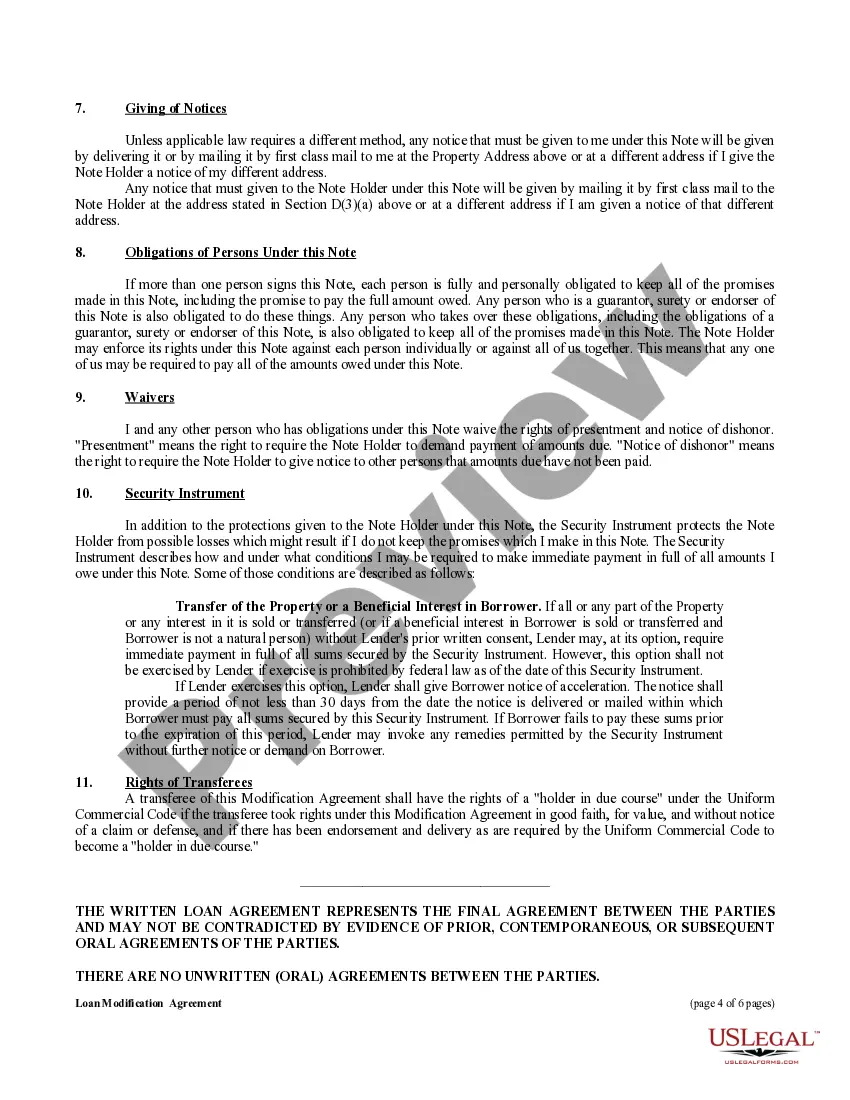
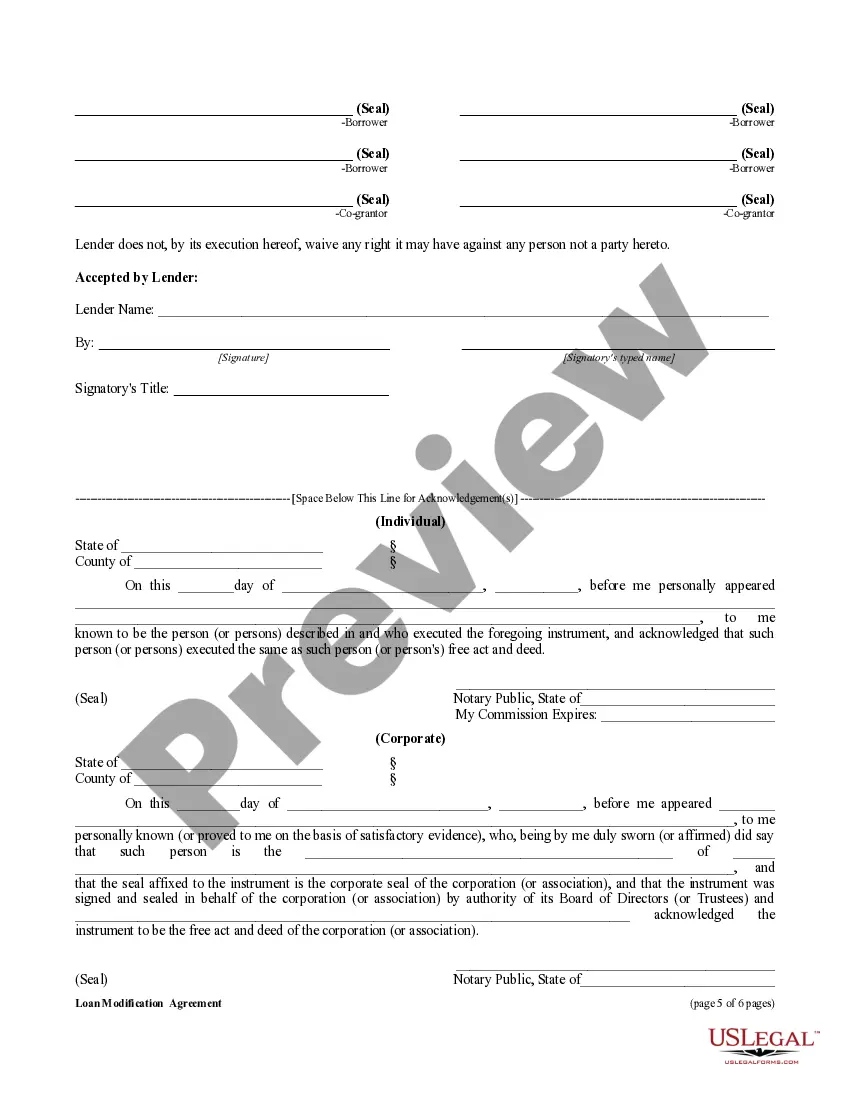
Description



Get your form ready online
Our built-in tools help you complete, sign, share, and store your documents in one place.
Make edits, fill in missing information, and update formatting in US Legal Forms—just like you would in MS Word.
Download a copy, print it, send it by email, or mail it via USPS—whatever works best for your next step.
Sign and collect signatures with our SignNow integration. Send to multiple recipients, set reminders, and more. Go Premium to unlock E-Sign.
If this form requires notarization, complete it online through a secure video call—no need to meet a notary in person or wait for an appointment.
We protect your documents and personal data by following strict security and privacy standards.

Make edits, fill in missing information, and update formatting in US Legal Forms—just like you would in MS Word.

Download a copy, print it, send it by email, or mail it via USPS—whatever works best for your next step.

Sign and collect signatures with our SignNow integration. Send to multiple recipients, set reminders, and more. Go Premium to unlock E-Sign.

If this form requires notarization, complete it online through a secure video call—no need to meet a notary in person or wait for an appointment.

We protect your documents and personal data by following strict security and privacy standards.
Looking for another form?









Form popularity
FAQ
The register of deeds pertains to the centralized location where a record of real estate deeds, land titles, and other legal documents is maintained and to the local government official responsible for keeping and providing access to deeds.
Deed of Trust Modification means, with respect to any Deed of Trust, a modification agreement entered into between the Borrower or the Project Owner, as applicable, and the Lender, modifying the terms and conditions of the Deed of Trust in order to (i) add to the lien of the Deed of Trust Additional Lots, or (ii) make ...
The register of deeds pertains to the centralized location where a record of real estate deeds, land titles, and other legal documents is maintained and to the local government official responsible for keeping and providing access to deeds.
When properly executed, delivered and accepted, a deed transfers title to real property from one person (the grantor) to another person (the grantee). Transfer may be voluntary, or involuntary by act of law, such as a foreclosure sale.
Lyle Solomon, principal attorney at Oak View Law Group in Rocklin, California, explains the significant purpose of a property deed. “It provides legal protection to the owner of the property and serves as evidence of ownership that can be used to resolve disputes over property rights.
I want to get a copy of the deed to my land. How can I do that? Go to your Register of Deeds Office and look at the document there. Find your Register of Deeds in: Your phone book under county government. Look it up online. Many counties have their real property (land) records online. Go to the county website.
About the Office The Register of Deeds Office is a county government office responsible for: Plats. Miscellaneous records. Recording, indexing, and preservation of all real estate records.
Is North Carolina a Mortgage State or a Deed of Trust State? North Carolina is a Deed of Trust state.
A deed of variation is a legal document that is used to change the details of an existing trust. In most circumstances, in order to properly execute a Deed of Variation, it is important that the Appointor (sometimes referred to as a Principal or Guardian) along with Trustee consents to the proposed change.
Amendment to Deed of Trust means that certain Amendment to the Deed of Trust and Security Agreement and Amendment to Assignment of Leases and Rents, dated as of the Amendment Date, executed by Borrower and Lender.
