Change Deed Trust Without Attorney In Maryland
Description

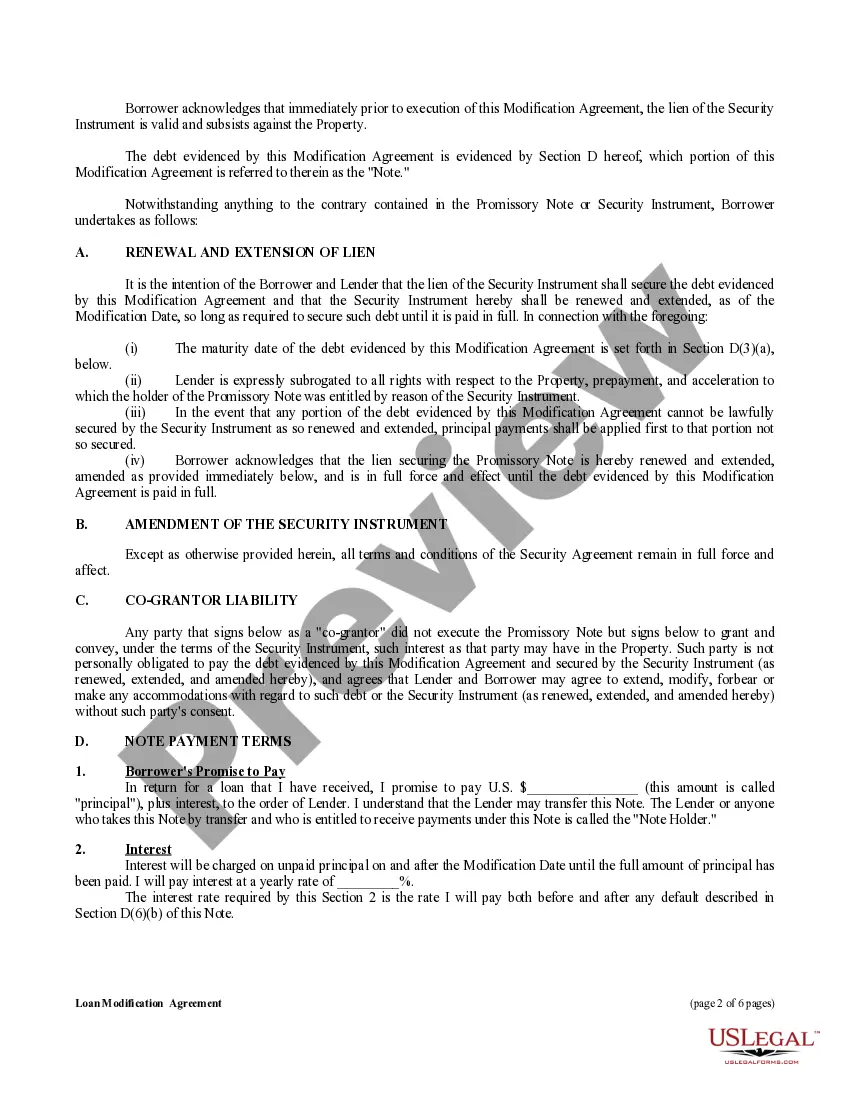
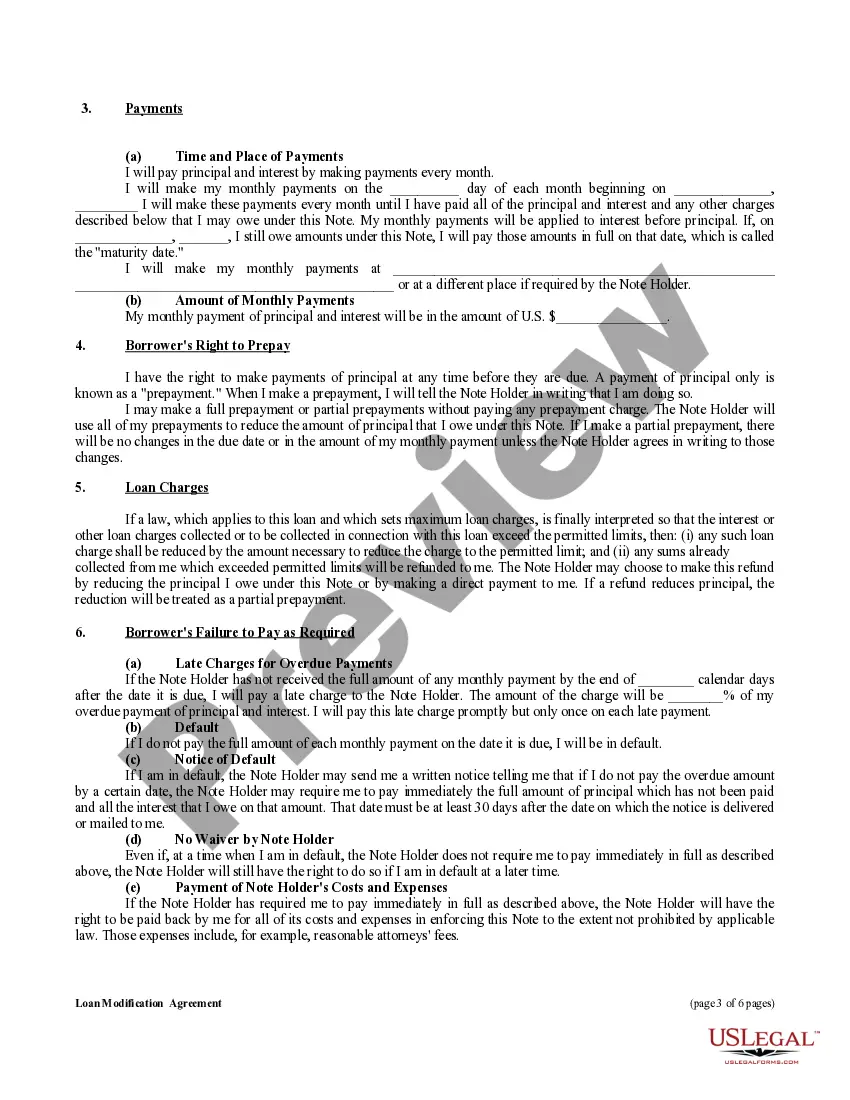
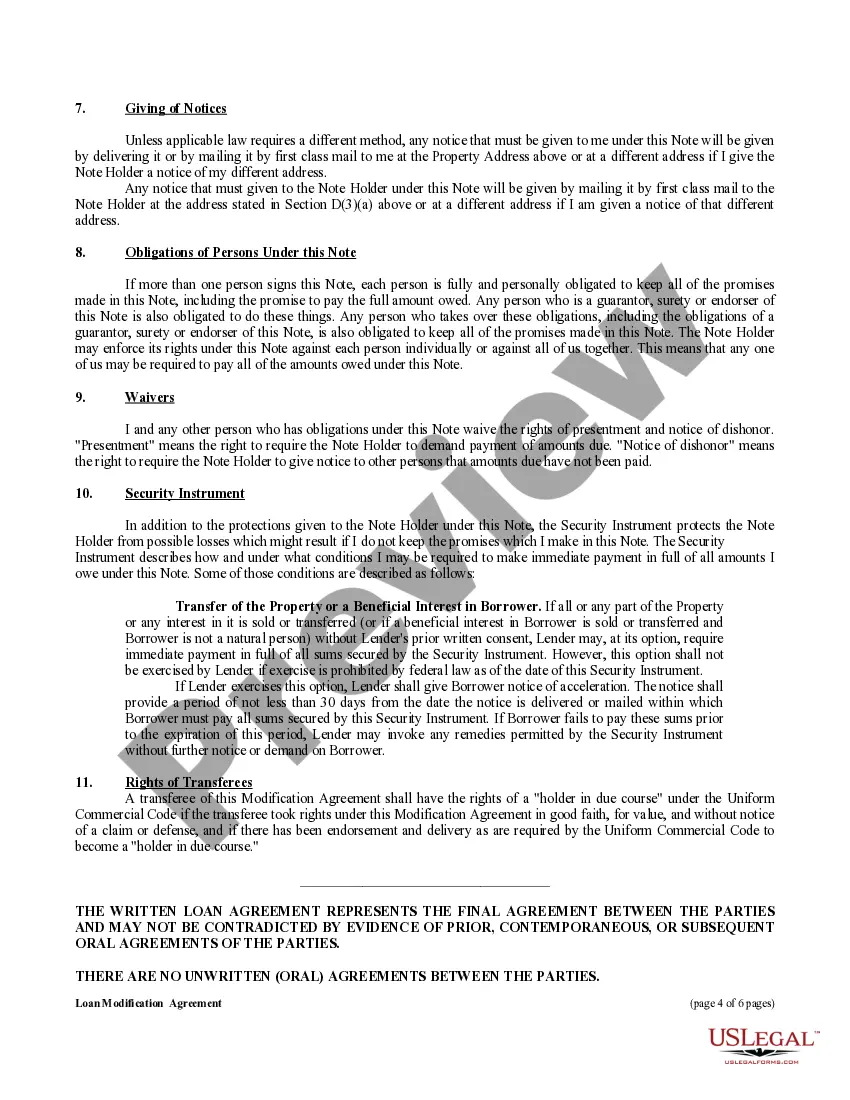
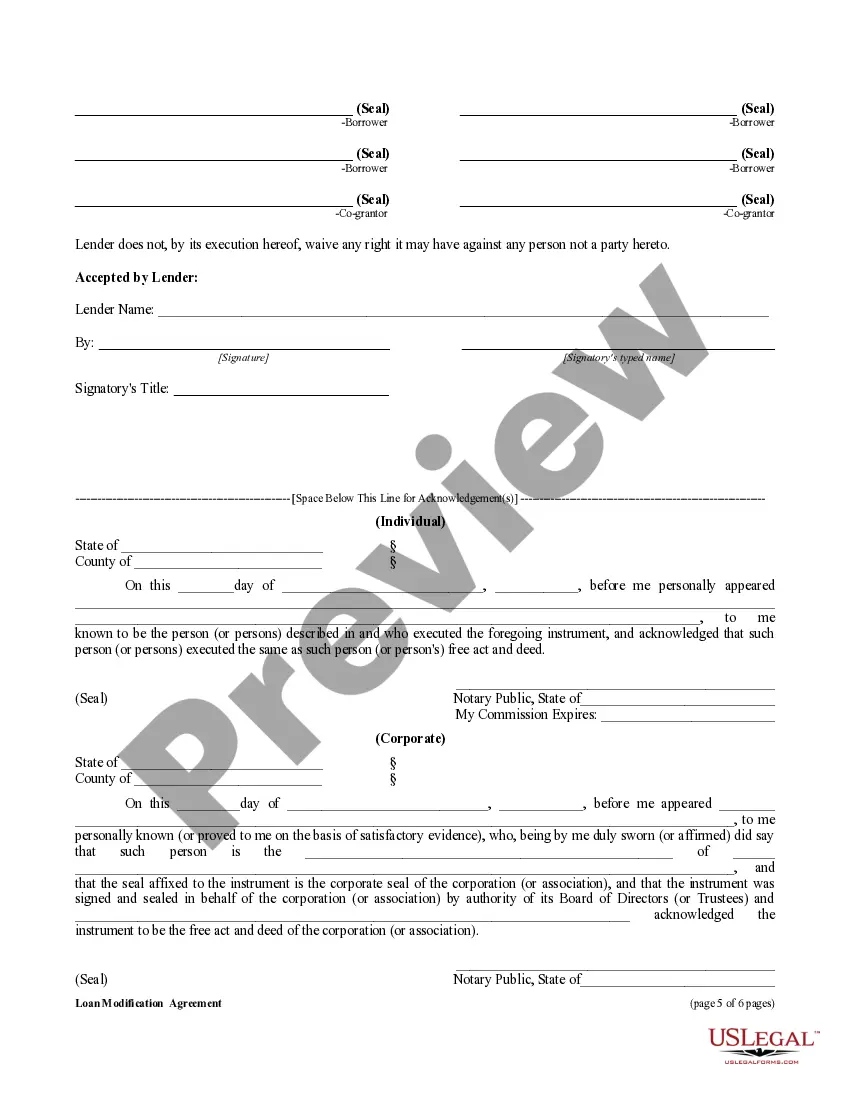

Get your form ready online
Our built-in tools help you complete, sign, share, and store your documents in one place.
Make edits, fill in missing information, and update formatting in US Legal Forms—just like you would in MS Word.
Download a copy, print it, send it by email, or mail it via USPS—whatever works best for your next step.
Sign and collect signatures with our SignNow integration. Send to multiple recipients, set reminders, and more. Go Premium to unlock E-Sign.
If this form requires notarization, complete it online through a secure video call—no need to meet a notary in person or wait for an appointment.
We protect your documents and personal data by following strict security and privacy standards.

Make edits, fill in missing information, and update formatting in US Legal Forms—just like you would in MS Word.

Download a copy, print it, send it by email, or mail it via USPS—whatever works best for your next step.

Sign and collect signatures with our SignNow integration. Send to multiple recipients, set reminders, and more. Go Premium to unlock E-Sign.

If this form requires notarization, complete it online through a secure video call—no need to meet a notary in person or wait for an appointment.

We protect your documents and personal data by following strict security and privacy standards.
Looking for another form?



Form popularity
FAQ
To change the names on a real estate deed, you will need to file a new deed with the Division of Land Records in the Circuit Court for the county where the property is located. The clerk will record the new deed.
Once you've recorded a deed, it's a part of the public record and can't be changed. That's the bad news. The good news? You can execute a new deed called a correction deed to amend that original record.
Deed of Trust Modification means, with respect to any Deed of Trust, a modification agreement entered into between the Borrower or the Project Owner, as applicable, and the Lender, modifying the terms and conditions of the Deed of Trust in order to (i) add to the lien of the Deed of Trust Additional Lots, or (ii) make ...
In real estate law, "assignment" is simply the transfer of a deed of trust from one party to another.
There is only one way. The only way to transfer real estate is with a new deed from you as Grantor over to the other party as the Grantee. There isn't any way to "hide" the transfer as it would be a public record as soon as it is recorded in the land records office.
Title searches, examinations, closings and policy production are, ordinarily, performed by non-attorneys. Non-attorney title professionals are permitted to prepare form deeds provided that they are instructed to do so by a licensed realtor or attorney.
If you wish to change your name or remove a name on your property record, due to marriage, divorce, death of an owner, etc., a new deed must be filed with the local Land Records office where the property is located. You can not change a deed to a property through the Assessment office.
It usually takes four to six weeks to complete the legal processes involved in the transfer of title.
To transfer your home to a trust, you must sign a deed that names the trustee as the property's new owner. The trustee would then assume the “title” as the legal owner of the property.
